Print Care 101: Keeping Paper Art Perfect (Conservation Guide)
The complete guide to preserving prints, drawings, and works on paper. From museum-grade storage to emergency mold remediation, everything you need to protect your paper art collection for generations.
By Austin Gallery
Keeping paper art in exhibition condition comes down to five numbers: display it below 50 lux, store it below 5 lux, hold relative humidity between 40 and 55 percent, use UV-filtering glazing, and let nothing acidic touch it. Get those right and the rest of this guide is detail. Updated July 2026.
The five enemies of paper art, with the threshold for each
Enemy
The number to hold
What it does if you miss
The fix
Light
Below 50 lux on display, below 5 lux in storage, UV under 75 microwatts per lumen
Breaks chemical bonds in fibers and pigments. Cumulative, additive, irreversible
Never hang paper in direct sunlight; always frame with UV-filtering glazing
Humidity
40 to 55 percent relative humidity
Above 65 percent brings mold and foxing; below 30 percent makes paper brittle and it cracks
A hygrometer in every room holding paper, plus climate control that avoids rapid cycling
Acids
Zero contact with anything acidic
Lignin degrades into sulfuric acid, causing yellowing, brittleness, disintegration
Every material that touches or encloses the work must be acid-free and lignin-free
Insects and pests
No tolerance
A single silverfish can leave irregular holes and surface grazing overnight
Clean storage, integrated pest management, regular inspection
Physical handling
Never a bare fingertip
Oils and salts etch permanently; poor support creases and tears; stacking abrades and transfers ink
Gloves, support from below, interleaving between every stacked sheet
Rapid cycling between wet and dry conditions is more damaging than a steady state at either extreme.
A lithograph that survived a century in a European print room can develop foxing within five years in a Texas living room. Unlike oil on canvas, which has some structural resilience, works on paper are vulnerable to a catalog of threats most collectors never consider until the damage is visible. The good news: paper conservation is one of the best-understood disciplines in the art world, the supplies are affordable, and the habits are easy to build.
Understanding Works on Paper
Before you can protect paper art, you need to understand what you are protecting. "Works on paper" is a broad category, and each type has its own vulnerabilities.
This includes etchings, engravings, lithographs, screenprints, woodcuts, linocuts, giclees, and digital prints. The paper substrate varies widely -- from heavy handmade cotton rag to thin machine-made wood-pulp sheets. The inks range from carbon-based (extremely stable) to modern pigment and dye inks (variable stability). Older prints on rag paper are often more durable than modern prints on acidic paper, which is counterintuitive but important to remember.
Watercolors and Gouache
These use water-soluble pigments bound with gum arabic. They are extremely sensitive to moisture, light, and physical abrasion. Even brief exposure to high humidity can cause pigments to bloom or migrate across the surface. Watercolors are among the most light-sensitive works on paper -- many pigments will fade noticeably within a few years of continuous display without UV protection.
Drawings
Pencil, charcoal, conte crayon, ink, and pastel all present different challenges. Charcoal and pastel are unfixed pigment sitting on the paper surface -- a single careless touch can smear decades of an artist's work. Ink drawings vary by ink type: iron gall ink (common in historical works) is corrosive and can eat through paper over time, while modern archival inks are relatively stable.
Charcoal and pastel are unfixed pigment sitting on the paper surface -- a single careless touch can smear decades of an artist's work.
Photographs
Traditional silver gelatin prints, albumen prints, and chromogenic color prints each have unique degradation pathways. Color photographs are notoriously unstable, with cyan, magenta, and yellow dye layers fading at different rates. For comprehensive guidance on caring for all types of art, see our complete art maintenance guide.
The Five Enemies of Paper Art
Here is each of the five threats in the table above, in full, with the reasoning behind the number. Understand these and every other recommendation in this guide will make intuitive sense.
1. Light
Ultraviolet radiation breaks chemical bonds in both paper fibers and pigments. Visible light, particularly at the blue end of the spectrum, also causes cumulative damage. The key word is cumulative -- light damage is irreversible and additive. Every hour of exposure contributes to the total. The Library of Congress preservation guidelines recommend keeping light levels below 5 lux for sensitive works on paper in storage and below 50 lux during exhibition, with UV radiation filtered to below 75 microwatts per lumen.
For collectors, this means: never hang paper art in direct sunlight, minimize artificial light exposure, and always use UV-filtering glazing when framing.
2. Humidity
Paper is hygroscopic -- it absorbs and releases moisture constantly. When relative humidity rises above 65%, mold and foxing become serious risks. When it drops below 30%, paper becomes brittle and cracks. The ideal range for paper art is 40 to 55 percent relative humidity, with minimal fluctuation. Rapid cycling between wet and dry conditions is more damaging than a steady state at either extreme.
65%
When relative humidity rises above , mold and foxing become serious risks
In Austin, where summer humidity regularly climbs above 60% outdoors, climate control is not optional for serious collections. Monitor every room where paper art is stored or displayed with a ThermoPro Digital Hygrometer. These accurate, affordable units give you continuous temperature and humidity readings so you can spot problems before they reach your art.
This is the enemy most collectors overlook. Acids in paper, mounting materials, frames, and storage containers slowly break down cellulose fibers, causing yellowing, brittleness, and eventual disintegration. Wood-pulp paper contains lignin, which degrades into sulfuric acid over time. Cardboard, newsprint, standard mat board, masking tape, rubber bands, and ordinary tissue paper all introduce acids to anything they touch.
The solution is simple: every material that contacts or encloses your paper art must be acid-free and lignin-free. No exceptions.
4. Insects and Pests
Silverfish, book lice, carpet beetles, and cockroaches all feed on paper, adhesives, and sizing. A single silverfish can leave irregular holes and surface grazing across a valuable print overnight. The Smithsonian Museum Conservation Institute has documented extensive insect damage in collections stored without pest monitoring. Keep storage areas clean, use integrated pest management, and inspect works regularly.
5. Physical Handling
Fingerprints deposit oils and salts that etch into paper surfaces permanently. Improper support during handling causes creases, tears, and cockling. Stacking without interleaving causes surface abrasion and ink transfer. These are the most preventable forms of damage, and they are also the most common.
Proper Framing for Paper Art
Framing is the single most important protective measure for any work on paper that will be displayed. Done correctly, a frame creates a sealed microenvironment that shields the work from light, humidity fluctuations, dust, and physical contact. Done incorrectly -- with acidic mats, standard glass, and permanent mounting -- framing becomes the primary cause of deterioration.
Acid-Free Matting
Always use 100% cotton rag mat board or alpha-cellulose mat board that meets the Library of Congress specifications for archival materials. Standard mat board, even "acid-free" board made from buffered wood pulp, can break down over decades. The mat serves two critical functions: it prevents the glazing from contacting the artwork surface (which can cause sticking, especially with photographs and pastels), and it creates an air space that buffers humidity changes.
For valuable works, use a 4-ply or 8-ply mat with a window cut to expose the image area. The mat should overlap the image edges by at least a quarter inch to hold the work in place visually while allowing the hinging system to support the actual weight.
Hinging Techniques
Never dry-mount, spray-mount, or use pressure-sensitive adhesives on original works on paper. These methods are irreversible and will destroy the piece's value and physical integrity. Instead, use Japanese tissue hinges attached with wheat starch paste or methyl cellulose. These hinges are strong enough to support the work but can be removed cleanly with moisture if the piece ever needs to be reframed or conserved.
Austin Art Insider
Free weekly guide to galleries, exhibitions & collecting in Austin.
The standard approach uses two T-hinges at the top edge, allowing the work to hang naturally and expand or contract with humidity changes without buckling. For larger or heavier pieces, a conservator may recommend a sink mat or multiple hinges along the top edge.
UV-Filtering Glazing
Standard picture glass blocks zero UV radiation. Regular glass is essentially transparent to the wavelengths that destroy paper and pigments. You need UV-filtering glazing for every framed work on paper, without exception.
Tru Vue Museum Glass is the professional standard. It filters more than 99% of UV radiation while providing anti-reflective clarity that makes it nearly invisible -- you see the artwork, not the glass. Museum Glass is what conservators specify for works by Picasso, Rembrandt, and Warhol alike. It is more expensive than standard glass, but for any work of value -- monetary or sentimental -- it is the single most cost-effective investment in preservation.
For framed pieces in high-traffic areas, conservation-grade acrylic (such as Tru Vue Optium Museum Acrylic) offers the same UV protection with shatter resistance, though it is more prone to static buildup that can attract dust.
Backing and Sealing
Use acid-free foam core or corrugated board as a backing, and seal the frame package with framer's tape along all edges. This dust seal slows air exchange with the room environment, helping stabilize the microclimate inside the frame. The backing also protects the verso (back) of the work from abrasion, dust, and insects.
Most collectors have more works on paper than wall space. Proper storage ensures that pieces not currently on display remain in the same condition as the day they were put away -- whether that is six months or sixty years.
Flat Storage
Works on paper should be stored flat whenever possible. Rolling introduces stress along the curl axis and can crack brittle media. Vertical storage in bins causes works to slump and develop permanent waves along the bottom edge.
The Lineco Archival Drop-Front Print Storage Box is the conservator's go-to solution for collections of prints, drawings, and photographs. The drop-front design lets you access works without lifting and restacking the entire contents -- a significant advantage when you are searching through a collection or showing pieces to a potential buyer. These boxes are constructed from lignin-free, buffered board that actively neutralizes acids, and they come in sizes from 9x12 up to 22x30 inches.
For oversized works, steel flat file cabinets with powder-coated drawers provide the gold standard in horizontal storage. Line each drawer with acid-free tissue before placing works inside.
Interleaving
Every work on paper in storage must be interleaved -- separated from its neighbors by a protective sheet. This prevents surface abrasion, ink or pigment transfer, and adhesion between stacked pieces. Lineco Acid-Free Interleaving Tissue is buffered to a slightly alkaline pH, meaning it actively combats acid migration from adjacent materials. Buy it in bulk; a single 100-sheet pack goes quickly when you are properly interleaving a collection. Cut sheets slightly larger than the works they protect so edges are fully covered.
For frequently accessed collections -- a working portfolio of prints for sale, for example -- the Itoya Original Art Profolio provides acid-free polypropylene sleeves in a bound book format. You can flip through dozens of works without touching a single surface. These portfolios are also excellent for showing works to buyers or appraisers without exposing originals to handling damage. For more on why collecting prints is a smart investment, see our guide on why prints matter in collecting.
Enclosed storage spaces -- boxes, cabinets, closets -- can develop their own microclimates that differ significantly from the room. A closed archival box in a room at 50% relative humidity can reach 60% inside if the box was sealed on a humid day or if the works inside are still acclimating from a different environment.
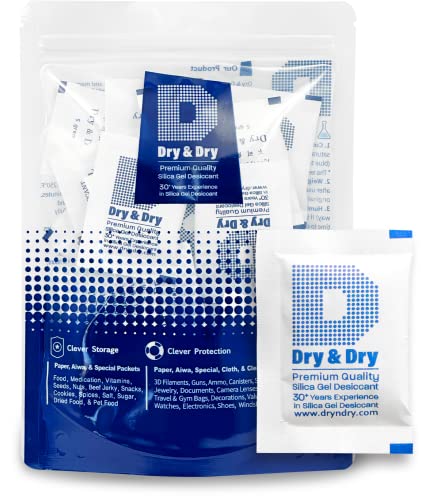
Place Eva-Dry Rechargeable Silica Gel Dehumidifiers inside flat file drawers, storage boxes, and closets where paper art is kept. These compact, rechargeable units absorb excess moisture for weeks before needing regeneration (you simply plug them into an outlet until the indicator changes color). They contain no chemicals, produce no noise, and provide passive humidity buffering that can mean the difference between stable storage and foxing development over a Central Texas summer. For a deeper dive into storage environments and materials, read our comprehensive art storage solutions guide.
The way you touch, move, and support works on paper matters enormously. Paper conservators follow strict handling protocols, and collectors should too.
Hands and Gloves
Wash and thoroughly dry your hands before handling any work on paper. Clean, dry hands are actually preferable to cotton gloves for most paper works, because gloves reduce tactile sensitivity and increase the risk of dropping or fumbling a piece. The exception is photographs -- especially glossy silver gelatin prints -- where even clean fingertips can leave permanent marks. For photographs, use clean, lint-free cotton gloves.
Never touch the image surface of any work on paper. Handle pieces by their margins or edges only. If a work has no margins (a full-bleed print, for instance), use two hands to support it from below on a rigid support board.
Support From Below
Always slide a rigid, acid-free support board underneath a work before lifting it. Never pick up a sheet of paper by its edges or corners -- gravity will cause the sheet to flex, and flexing causes creases and cracks in both the paper and the media on its surface. A piece of acid-free mat board slightly larger than the work makes an ideal support. For oversized works, use a sheet of Coroplast (archival-grade corrugated polypropylene).
Working Surface
Before handling any work on paper, clear a clean, flat surface covered with acid-free tissue or a clean cotton sheet. Remove all food, drinks, pens, and markers from the area. A single coffee splash or ink mark cannot be undone.
Cleaning Paper Art Safely
Paper art cleaning is an area where restraint is critical. The wrong technique or material will cause more damage than the problem you are trying to fix. For detailed methods for all types of art media, see our guide on safe art cleaning methods for every medium.
Surface Dust
For loose surface dust on unframed works, use a soft-bristle brush (such as a Japanese hake brush) and gently sweep from the center outward. Work on a flat, clean surface with the work fully supported. Never use compressed air, which can drive particles into the paper surface or dislodge unfixed media.
Eraser Crumbs for Grime
Professional paper conservators use vulcanized rubber eraser crumbs (such as Absorene or grated Staedtler Mars Plastic erasers) to gently lift surface grime from paper margins and backing boards. Sprinkle the crumbs lightly over the soiled area and roll them gently with a flat palm -- never rub. Sweep away crumbs with a soft brush. Test in an inconspicuous area first, and never use this technique over painted, printed, or drawn surfaces.
What to Never Do
Never use water, solvents, or household cleaners on paper art
Never use adhesive tapes (including so-called "archival" tapes) to repair tears
Never attempt to remove old tape, stains, or foxing yourself
Never iron or press wrinkled paper art -- you risk setting stains, flattening platemark impressions on prints, and damaging media
Foxing appears as small, irregular brown or reddish-brown spots scattered across the paper surface. It is one of the most common forms of paper degradation, and its exact cause has been debated by conservators for over a century. Current research from the Canadian Conservation Institute points to a combination of factors: fungal growth catalyzed by metallic impurities (particularly iron) in the paper, activated by elevated humidity.
Can Foxing Be Prevented?
Yes, largely through humidity control. Keeping relative humidity consistently below 55% dramatically reduces the risk of foxing development. Storing works with acid-free interleaving in a climate-controlled environment is the most effective prevention.
Keeping relative humidity consistently below 55% dramatically reduces the risk of foxing development.
Can Foxing Be Removed?
In many cases, yes -- but only by a trained paper conservator using controlled aqueous treatments and, in some cases, carefully applied chemical bleaching agents. Home remedies involving bleach, hydrogen peroxide, or sunlight exposure will cause catastrophic damage. The American Institute for Conservation maintains a searchable directory of accredited conservators by specialty and location. If you have a foxed work of value, a professional consultation is worth every dollar.
Foxing and Value
Minor foxing on a historically significant print does not necessarily destroy its market value, though it does reduce it. Collectors and auction houses routinely trade foxed impressions of important prints with condition notes. A skilled conservator can often reduce foxing significantly without compromising the integrity of the work. The key is accurate documentation of the condition before and after treatment.
When to Consult a Professional Conservator
Some situations require professional intervention. Attempting DIY repairs on valuable works on paper almost always makes the problem worse and the eventual professional treatment more expensive. Contact a conservator accredited by the American Institute for Conservation if you encounter any of the following:
Active mold growth (fuzzy or powdery spots, musty smell) -- isolate the work immediately in a dry environment and do not attempt to brush off mold, as this spreads spores
Significant foxing on a work you want to exhibit or sell
Tears, losses, or creases that affect the image area
Old repairs using pressure-sensitive tape (Scotch tape, masking tape, duct tape) -- these leave stains and residues that worsen over time but can often be reversed by a professional
Water damage including tidelines, cockling, and pigment migration
Iron gall ink corrosion visible as brown halos around ink lines or actual holes where ink has eaten through the paper
Insect damage including holes, surface grazing, or frass (insect droppings)
Proper documentation protects you financially and provides critical information for any future conservation work.
Photographic Records
Photograph every work on paper in your collection in consistent, even lighting. Capture the full front, full back, and close-ups of any condition issues (foxing, tears, tape residue, mat burns, inscriptions). Include a color reference card and ruler in at least one shot for accurate reproduction. Store digital files in multiple locations with descriptive filenames.
Condition Reports
For each piece, create a written condition report noting the medium, dimensions (image and sheet), paper type, any existing damage or repairs, framing materials, and provenance if known. Update the report whenever the work is reframed, treated, or its condition changes. This documentation is essential for insurance claims and adds significant credibility when consigning works for sale.
Appraisals and Insurance
Works on paper are often underinsured because collectors underestimate their value. A signed and numbered limited-edition print by a recognized artist can be worth tens of thousands of dollars. Have significant pieces appraised by a qualified appraiser affiliated with the American Society of Appraisers or the Appraisers Association of America. Update appraisals every three to five years, as the market for works on paper can shift substantially.
Make sure your insurance policy covers the works at their current appraised replacement value, and confirm that the policy covers all relevant risks: fire, water damage, theft, accidental damage, and transit. If you are moving or shipping works, obtain separate fine-art transit insurance.
Paper conservation is not a one-time project -- it is an ongoing practice. Build these habits into your routine:
Monthly: Check hygrometer readings in all display and storage areas. Inspect visible works for any changes in color, surface condition, or framing integrity.
Quarterly: Open storage boxes and flat files to inspect contents. Look for signs of insect activity, mold, or humidity damage. Replace silica gel units if indicators show saturation.
Annually: Rotate displayed works on paper. No piece should be on continuous display for more than six to twelve months, even behind UV-filtering glass. Rotation rests the work from light exposure and gives you an opportunity to inspect it closely.
Every three to five years: Have valuable works examined by a conservator and update insurance appraisals.
Paper art rewards the attentive collector. The prints, drawings, watercolors, and photographs in your collection carry artistic, historical, and financial value that can last for centuries -- but only if you give them the environment and care they need. The materials and habits described in this guide cost a fraction of what a single conservation treatment would run, and they protect every piece in your collection simultaneously. Start with climate monitoring and acid-free storage materials, build your handling skills, and your paper art will be in better condition a decade from now than it is today.
The Print-Care Shortlist
The specific products we keep coming back to. Each link is affiliate — clicking through and buying supports the work we do here at no cost to you.
Share
Austin Art Insider
Free weekly guide to galleries, exhibitions & collecting in Austin.
Consignment
Have Art You Want to Sell?
Free appraisals, zero upfront fees, nationwide service from Austin, Texas.