Caring for Art: Simple Maintenance Every Collector Should Know (Easy Methods)
The complete art maintenance guide for collectors. Learn preventive care, environmental controls, cleaning by medium, pest prevention, when to call a conservator, and emergency response for water and fire damage.
By Austin Gallery
Art maintenance is three recurring appointments: a five-minute visual scan of each piece monthly, a dusting and climate review quarterly, and a full photograph-and-inspect pass annually. Hold the room between 65 and 75 degrees Fahrenheit at 40 to 55 percent relative humidity, and rotate light-sensitive works every 6 to 12 months. Updated July 2026.
Visual scan: dust on the surface and top frame rail, signs of insect activity, hanging hardware still firmly seated, any new yellowing or foxing
Catches the two failures that destroy a piece outright, a fall and an infestation, while they are still cheap to fix
Quarterly
Dust every piece properly, review hygrometer trends, inspect frames and glazing for loose joints and cracked glass, rotate light-sensitive works
Seasons move the climate. Winter heating dries the air and summer spikes humidity, and a frame coming apart exposes the work to dust and pests
Annually
Photograph every piece for insurance, take work off the wall to inspect frame backs and wall anchors, assess anything that needs a conservator
The back of a frame is where mold and pests appear first, and it is the one surface you never otherwise see
Stability matters more than the number. A room that holds steady at 70 degrees and 48 percent humidity is far safer for art than one that swings between 65 and 78 every day as the HVAC cycles.
Most collectors hang a painting and never think about it again until something visibly goes wrong, by which point the damage is often irreversible and the repair bill is staggering. Whether you inherited a single oil painting or you are managing a growing mixed-media collection, none of what follows requires a conservation degree.
Key Takeaways
Routine maintenance extends your art's life: dust regularly, check for pests, monitor humidity
Inspect hanging hardware annually — wire tension and wall anchors weaken over time
Rotate displayed works every 6-12 months to reduce light exposure on any single piece
The biggest mistake collectors make is treating art care as reactive instead of proactive. You notice a crack, a stain, a sagging canvas -- and by then the damage has been accumulating for months or years. A simple calendar turns maintenance from an afterthought into a habit, and every habit starts with knowing what to do and when.
Monthly Tasks
Every month, walk through your collection and spend five minutes per piece doing a visual scan:
Look for dust accumulation on the surface, frame edges, and the top rail of the frame where dust settles fastest.
Check for insect activity -- look for tiny holes in canvas or paper, frass (fine sawdust-like droppings), webbing in corners of frames, and any small moths or beetles near artwork. Silverfish, carpet beetles, and woodworms are the most common culprits. If you spot anything suspicious, isolate the piece immediately and consult a conservator.
Glance at hanging hardware -- confirm that wire, D-rings, sawtooth hangers, and wall hooks are still firmly seated. A painting that falls is a painting that may be destroyed.
Note any changes in color or surface -- yellowing varnish, darkening paper, spots of foxing, or new cracks in paint layers. If you photograph your collection annually (discussed below), compare what you see now to your reference images.
Quarterly Tasks
Every three months, go a step deeper:
Dust every piece using proper technique (covered in detail in the next section).
Check environmental readings from your hygrometers and review trends. Are conditions drifting as seasons change? Winter heating dries the air; summer humidity spikes in many climates. Adjust humidifiers, dehumidifiers, or HVAC settings accordingly.
Inspect frames and glazing for loose joints, gaps between frame and artwork, cracked glass or acrylic, and deteriorating mats. A frame that is coming apart exposes artwork to dust, pests, and physical damage.
Rotate light-sensitive works -- if certain pieces receive more daylight than others, swap their positions to distribute UV exposure more evenly across the collection. This is especially important for watercolors, works on paper, and photographs, which are the most vulnerable to light fading.
Annual Tasks
Once a year, schedule a thorough collection review:
Photograph every piece for insurance documentation (detailed below).
Remove artwork from walls to inspect the backs of frames, check for mold or pest activity behind the piece, and verify that wall anchors are still sound.
Assess whether any works need professional conservation -- cracks in paint layers, flaking, canvas distortion, foxing on paper, or discolored varnish are all signs a conservator should evaluate the piece.
Review your insurance coverage to ensure it reflects current market values. For help understanding art insurance, see our guide on art insurance explained.
Check stored works that are not on display. Pieces in closets, flat files, or storage units need the same environmental monitoring as displayed works, and they are more likely to be forgotten. For a complete guide to proper storage methods, see our post on art storage solutions to protect your investment.
Environmental Monitoring: Temperature, Humidity, and Light
The three forces that destroy art most consistently are not dramatic disasters. They are temperature fluctuation, humidity swings, and ultraviolet light -- invisible, constant, and cumulative. Controlling them is the single most impactful thing you can do for your collection.
The American Institute for Conservation (AIC) recommends maintaining artwork in environments between 65 and 75 degrees Fahrenheit with relative humidity between 40 and 55 percent.
More important than hitting a specific number is stability. A room that holds steady at 70 degrees and 48 percent humidity is far safer for art than one that swings between 65 and 78 degrees daily as the HVAC cycles. Those fluctuations cause canvas to expand and contract, paint layers to crack, paper to cockle and warp, and adhesives to fail.
How to Monitor
You cannot manage what you do not measure. Place a ThermoPro Digital Hygrometer in every room where art is displayed or stored. These compact units provide continuous, accurate readings of both temperature and relative humidity on a clear display. Position one at artwork height on the wall and check it weekly -- or better yet, choose a model with min/max memory so you can see whether conditions spiked overnight or during a heat wave.
Record your readings in a simple spreadsheet or notebook. Over a few months, you will see seasonal patterns: humidity climbing in spring and summer, dropping in winter when the heater runs. Those patterns tell you exactly when to deploy supplemental climate control.
For enclosed spaces like storage closets, cabinets, and archival boxes, Eva-Dry Renewable Silica Gel Dehumidifiers provide passive, rechargeable moisture absorption. These chemical-free units absorb excess humidity for weeks, then plug into an outlet to regenerate. They are silent, compact, and ideal for protecting stored works between display rotations.
Ultraviolet light is the primary cause of fading in pigments, dyes, and photographic materials. The National Gallery of Art conservation guidelines recommend keeping light levels below 5 lux for the most sensitive works (photographs, textiles, works on paper) and below 15 lux for oil paintings.
Practical steps for any collector:
Never hang art in direct sunlight. If a wall receives any direct sun during the day, it is the wrong wall for art.
Use UV-filtering glazing (glass or acrylic) on all framed works. Museum-grade acrylic like Tru Vue Optium blocks 99 percent of UV radiation.
Switch to LED lighting, which produces far less UV than incandescent or halogen bulbs. Position lights to illuminate artwork without creating hot spots.
Rotate vulnerable works every six to twelve months. A watercolor that spends a year in a dim hallway and a year on a bright living room wall accumulates half the light damage of one that stays in the bright room permanently.
Dust is not harmless. It is abrasive, acidic, and hygroscopic -- meaning it absorbs moisture from the air and holds it against the surface of your artwork. Over time, dust etches into varnish, embeds in canvas texture, and creates micro-environments where mold can take hold. Regular dusting is the most basic act of art preservation, but doing it wrong can cause more damage than not doing it at all.
Austin Art Insider
Free weekly guide to galleries, exhibitions & collecting in Austin.
Tools You Need
Invest in the right tools and keep them dedicated to art care only -- never use the same cloth you used on furniture.
Soft Natural-Hair Brushes -- a wide, soft-bristle brush (sable, goat, or squirrel hair) is the safest tool for dusting oil paintings, unglazed works, and delicate frames. The natural fibers generate minimal static and will not scratch varnished or painted surfaces. Use gentle, sweeping motions from top to bottom, letting gravity carry the dust downward and off the piece.
Lint-Free Microfiber Cloths -- for glazed works (pieces behind glass or acrylic), a clean, dry microfiber cloth removes dust and fingerprints without scratching. Lightly dampen the cloth with distilled water for stubborn smudges on glass, but never apply any liquid to an unglazed artwork surface.
Technique by Medium
Oil paintings (unglazed): Use the natural-hair brush only. Never use water, sprays, or cloths directly on the paint surface. Brush gently in one direction, working from top to bottom. If the painting has heavy impasto (thick, textured paint), use the brush tip to carefully reach into crevices without pressing hard enough to dislodge paint.
Glazed works (behind glass or acrylic): Dust the frame with the brush first, then wipe the glazing with a dry microfiber cloth. If fingerprints or smudges persist, dampen the cloth with distilled water -- never household glass cleaner, which can seep behind the glazing and damage the artwork.
Works on paper (unframed): Do not dust exposed paper works yourself. The fibers are too delicate and the risk of abrasion or tearing is high. If unframed prints or drawings need cleaning, consult a paper conservator.
Sculpture: Dust bronze, stone, and ceramic with a soft brush or microfiber cloth. Avoid feather dusters, which can scratch polished surfaces and leave oil residue.
The way you physically handle artwork matters as much as the environment you keep it in. A single careless moment -- a sweaty palm on an unvarnished canvas, a frame gripped by its decorative edge -- can cause damage that takes thousands of dollars to restore.
The Rules of Handling
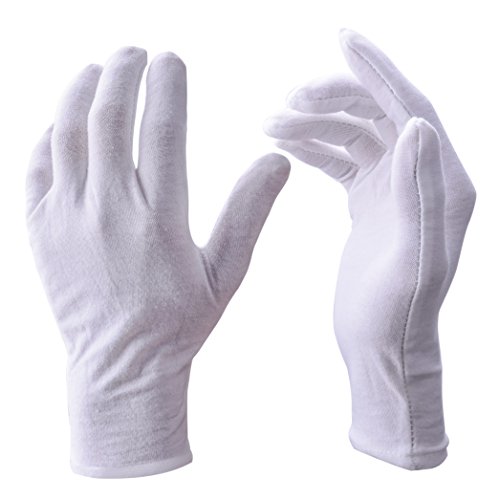
Always wear clean cotton gloves when handling unframed or unglazed artwork. Archival Cotton Gloves prevent oils, salts, and moisture from your skin from transferring to paper, canvas, or metal surfaces. The oils in human skin cause permanent staining on paper and can etch into bronze patinas over time.
Use two hands, always. Never carry a framed painting by the top rail alone -- grip it from both sides or support it from the bottom with one hand underneath and one hand stabilizing the side.
Support from the bottom. When moving unframed works on paper, slide a rigid board (acid-free mat board or foam core) underneath for support. Paper should never bend or flex under its own weight during transport.
Face works inward when transporting multiple pieces. If you are carrying two framed works, place them face to face with a soft barrier (acid-free tissue or a clean towel) between them. This protects the most vulnerable surface -- the front -- from bumps and scratches.
Clear the path before you move. Remove obstacles, open doors, and ensure you have a clean, padded surface ready to receive the artwork before you pick it up. More art is damaged by fumbling in transit than by almost any other cause.
Never touch the surface of a painting. Even with gloves, avoid contact with the paint layer. Touch only the stretcher bars (the wooden frame on the back of the canvas) or the edges of the canvas where it wraps around the stretcher.
Frames are not just decorative -- they are structural protection for your artwork. A failing frame exposes art to physical damage, dust, pests, and environmental fluctuations. Hanging hardware failures can send a painting crashing to the floor. Both deserve regular inspection.
What to Check on Frames
Corner joints: Are the mitered corners tight, or are gaps opening? Loose joints mean the frame is weakening and may eventually fail. A framer can re-glue and re-pin loose joints before they become critical.
Fit: Does the artwork sit snugly in the frame, or is it rattling around? Loose fits allow the piece to shift, which can cause abrasion on edges and corners. Framing points or spring clips on the back should hold the artwork firmly in place.
Glazing condition: Check glass and acrylic for cracks, chips, and haze. Cracked glass is a safety hazard and a path for dust and moisture to reach the artwork. Replace damaged glazing promptly.
Mat and backing: Is the mat still clean and firm? Acidic mats yellow over time and transfer that acid to the artwork. If the mat is discolored, it is time to re-mat with acid-free, archival-quality board.
Dust seal: Many professionally framed works have a paper dust cover on the back. If it is torn or peeling, replace it. This barrier keeps dust, insects, and moisture out of the frame interior.
When to Re-Frame
Consider re-framing when:
The mat is yellowed, stained, or buckling
The frame joints are separating
The glass is cracked or has lost its UV-filtering properties
The artwork was framed with non-archival materials (cardboard backing, acidic mats, masking tape hinges)
The work has changed context -- a piece moving from casual display to serious collection status deserves conservation-grade framing with archival mats, UV-filtering glazing, and proper hinging
Hanging Hardware
Wire: Steel wire stretches over time. Check for kinks, fraying, and sagging. Replace picture wire every three to five years, or sooner if you notice slack.
D-rings and screw eyes: Tighten any that have loosened. If the wood around the screw is stripped and the hardware wobbles, move the hardware to a new position on the frame and fill the old hole with wood glue and a toothpick.
Wall anchors: If the artwork is heavy (over 15 pounds), it should be on a wall stud or a rated wall anchor -- not a nail in drywall. Tug gently on the hook to verify it is still solid. The Smithsonian's guide to caring for your collection emphasizes that proper hanging hardware is one of the most overlooked aspects of art preservation.
Documentation and Photography for Insurance
If your collection were damaged in a fire, flood, or theft tomorrow, could you prove what you owned and what it was worth? Most collectors cannot. Documentation is the least glamorous part of art maintenance, but it is the part that saves you financially when disaster strikes.
What to Photograph
For every piece in your collection, capture:
Front of the artwork, evenly lit, without flash glare
Back of the artwork, showing labels, stamps, gallery stickers, and any writing
Close-ups of signatures, dates, and edition numbers
Close-ups of any existing damage (cracks, stains, repairs) so you can distinguish pre-existing condition from new damage
The frame, including hardware and hanging method
Use natural daylight or diffused artificial light. Avoid flash, which creates glare and inaccurate color. A smartphone camera is perfectly adequate if you steady it and shoot in good light.
What to Record
Maintain a simple inventory document (a spreadsheet works fine) with:
Title, artist, date, medium, dimensions
Provenance -- where you acquired it, from whom, and when
Purchase price or appraised value, with documentation
Condition notes -- describe any damage, restoration, or conservation history
Location -- which room, which wall, or which storage unit
Store copies of this inventory and your photographs in at least two places: a cloud storage service and a physical backup (external hard drive or USB drive stored off-site). If your home is destroyed, you need records that survive it.
The AIC's guide to caring for your treasures includes a downloadable worksheet template for documenting collections, which is a useful starting point if you have never inventoried your art before.
Even with perfect maintenance, art can be damaged by events beyond your control -- a roof leak, a broken pipe, a heat wave that overwhelms your HVAC, or simple aging of materials. Knowing what to do in the first minutes and hours can mean the difference between a recoverable situation and a total loss.
Water Damage
Water is art's most destructive enemy after fire. If a piece gets wet:
Remove it from the water source immediately. If the frame is wet, do not try to remove the artwork from the frame -- you risk tearing wet paper or dislodging softened paint.
Lay it flat, face up, on a clean, absorbent surface (towels or acid-free blotting paper).
Do not use heat -- no hair dryers, no heaters, no direct sunlight. Heat accelerates chemical reactions in wet materials and can cause warping, cockling, and paint blistering.
Gently blot (do not rub) excess water from the surface with a clean, white, lint-free cloth.
Call a conservator immediately. Water damage worsens by the hour as mold begins to grow (within 24-48 hours in humid conditions). The AIC's Find a Conservator directory is the best resource for locating a qualified professional near you.
Yellowing Varnish
If an oil painting appears increasingly yellow or amber-toned, the varnish layer is likely oxidizing -- a natural process that accelerates with light exposure and age. This is not a DIY fix. Varnish removal requires solvents, skill, and knowledge of the specific paint layers underneath. An improperly cleaned painting can lose original glazes and detail permanently. Contact a paintings conservator for evaluation.
Cracking and Flaking Paint
Cracks in paint layers (called craquelure) are common in older paintings and are not always cause for alarm -- some cracking patterns are simply a sign of age and are stable. However, if you see active flaking -- small chips of paint lifting away from the surface or falling off -- the situation is urgent. Do not touch the flaking area. Lay the painting flat (face up) to prevent further loss from gravity, and contact a conservator. In the interim, you can loosely tent a sheet of acid-free tissue over the surface to catch any flakes that fall, preserving them for reattachment.
Mold and Foxing
Mold appears as fuzzy spots (white, gray, green, or black) on the surface or back of artwork. Foxing -- the small brown spots that appear on old paper -- is caused by a combination of fungal activity and iron oxidation in the paper fibers. Both are triggered by excess humidity.
If you find mold, isolate the piece in a dry room and allow air circulation. Do not attempt to wipe or brush mold off, as this can spread spores and embed them deeper into the material. A paper conservator or paintings conservator can safely treat both mold and foxing.
Pest Damage
If you discover insect damage -- holes in canvas or paper, tunnels in wooden stretchers or frames, or live insects -- isolate the affected piece immediately. Seal it in a large plastic bag if possible to contain the infestation. Freezing (placing the sealed piece in a chest freezer at 0 degrees Fahrenheit for 72 hours) can kill most insect pests, but consult a conservator before attempting this, as some materials do not tolerate freezing well.
Finding a Qualified Conservator
When maintenance reveals a problem that is beyond your skills, the right professional makes all the difference. Art conservators are not the same as art restorers -- conservators follow ethical standards that prioritize reversibility, minimal intervention, and preservation of original material. The American Institute for Conservation maintains a searchable directory of qualified professionals organized by specialty and location.
When contacting a conservator:
Describe the problem clearly and include photographs
Ask about their experience with your specific medium (paintings, paper, textiles, etc.)
Request a condition report and treatment proposal before authorizing any work
Expect to pay for the evaluation -- a thorough condition report is professional work and worth the cost
The Maintenance Mindset
Art maintenance is not about perfection. It is about consistency. A collector who spends ten minutes a month checking conditions, dusting quarterly, and photographing annually will preserve their collection for decades with minimal cost and effort. The enemies of art -- dust, moisture, light, pests, and neglect -- are patient, but they are also predictable. A simple routine defeats them every time.
Your collection is worth protecting, whether it is a single inherited painting or a room full of carefully curated work. Build the habit now, and the art will reward you with decades of beauty and value. And if you are considering consigning pieces from an estate or personal collection, Austin Gallery is here to help -- with zero upfront fees, full-service consignment, and the care your art deserves.
Insider Tip
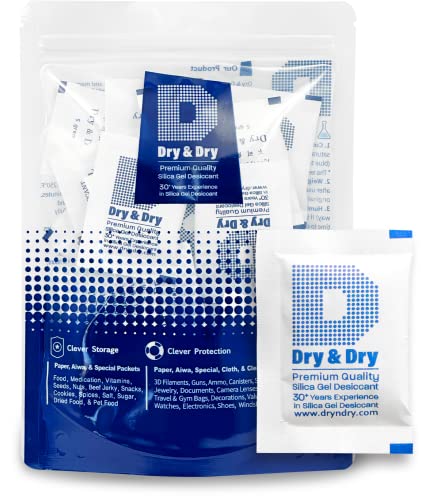
Place silica gel packets behind framed works to absorb moisture fluctuations. Replace them every 6 months — they lose effectiveness over time.
Replace them every 6 months — they lose effectiveness over time.
Share
Austin Art Insider
Free weekly guide to galleries, exhibitions & collecting in Austin.
Consignment
Have Art You Want to Sell?
Free appraisals, zero upfront fees, nationwide service from Austin, Texas.