
Whether you have inherited a collection of oil paintings, accumulated works on paper over decades of collecting, or are holding pieces between exhibitions, how you store your art determines whether it appreciates in value or deteriorates beyond repair. Museums spend millions engineering climate-controlled vaults for exactly this reason -- the enemies of art are invisible, persistent, and unforgiving. Temperature swings, humidity fluctuations, ultraviolet light, acidic materials, insects, and simple gravity silently degrade even the most resilient works.
In This Article
- Climate Control: Temperature and Humidity Are Everything
- Archival Materials: What Touches Your Art Matters
- Storage Methods by Medium
- Flat File Storage vs. Vertical Rack Storage
- Long-Term vs. Short-Term Storage
- Insurance and Documentation
- Common Storage Mistakes to Avoid
- Building Your Art Storage Kit
- When to Call a Professional
- Further Reading
- Storage Kit We Recommend
The good news: you do not need a museum-grade facility to store art safely. With the right materials, environment, and habits, any collector can protect paintings, prints, photographs, and sculpture from the damage that destroys both beauty and resale value. This guide walks you through every layer of proper art storage, from climate control fundamentals to the specific archival supplies conservators actually use.
Climate Control: Temperature and Humidity Are Everything
If you remember only one thing from this guide, let it be this: stable conditions matter more than perfect conditions. A steady 72 degrees Fahrenheit with 45% relative humidity is far better for art than a room that swings between 65 and 80 degrees every day. Those fluctuations cause canvas to expand and contract, paint layers to crack, paper fibers to weaken, and adhesives to fail.
A steady 72 degrees Fahrenheit with 45% relative humidity is far better for art than a room that swings between 65 and 80 degrees every day.

ThermoPro TP50 Digital Hygrometer
Ideal Ranges
- Temperature: 65-72 degrees Fahrenheit (18-22 degrees Celsius)
- Relative humidity: 40-55%
- Light: Zero direct sunlight; minimal artificial light during storage
The Library of Congress preservation guidelines recommend these same ranges for paper-based collections, and they apply equally well to paintings, textiles, and mixed media.
Monitoring Your Environment
You cannot control what you do not measure. Place a digital hygrometer in every room or closet where art is stored. The ThermoPro Digital Hygrometer (2-Pack) provides accurate, continuous readings of both temperature and humidity with a clear display you can check at a glance. Position one unit at artwork height and another near the floor, since conditions often differ significantly between the two.
ThermoPro TP50 Digital Hygrometer
If readings drift outside acceptable ranges, consider these solutions:
- Dehumidifier for spaces above 55% RH (common in basements and coastal climates)
- Humidifier for dry environments below 40% RH (common during winter heating season)
- Dedicated HVAC zone for large collections, with the thermostat set to minimize cycling
For smaller enclosed spaces -- closets, cabinets, storage bins -- Eva-Dry Renewable Silica Gel Dehumidifiers are an excellent passive solution. These rechargeable units absorb excess moisture for weeks, then plug into an outlet to regenerate. They are chemical-free, silent, and ideal for placing inside flat file drawers, portfolio cases, or archival boxes.
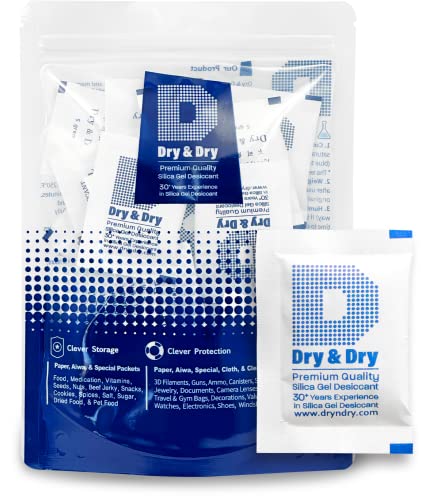
Rechargeable silica gel
Archival Materials: What Touches Your Art Matters
Every material in contact with or adjacent to your artwork must be chemically inert. Standard cardboard, newspaper, bubble wrap, rubber bands, and masking tape are all actively harmful to art. They off-gas acids, leave residues, transfer dyes, and trap moisture. Replacing them with archival-grade alternatives is the single most impactful upgrade most collectors can make.
Acid-Free Tissue Paper
Lineco Acid-Free Interleaving Tissue is the conservator's workhorse. Use it to:

Lineco Acid-Free Interleaving Tissue
- Interleave between stacked prints, drawings, and photographs to prevent surface abrasion and ink transfer
- Wrap unframed works before placing them in folders or boxes
- Cushion framed pieces during stacking or transport
- Cover the face of oil paintings to keep dust from embedding in textured surfaces
This tissue is buffered to neutralize acids, meaning it actively protects against the very degradation it prevents. Buy it in bulk -- you will use more than you expect.
Glassine Sleeves and Sheets
For works on paper that you handle frequently, glassine provides a smooth, translucent, acid-free barrier that resists moisture and grease. It is the standard interleaving material in museum print rooms. Layer glassine over the face of a work, then wrap the entire piece in acid-free tissue for double protection.
Portfolio Cases
The Itoya Original Art Profolio is an affordable, well-constructed portfolio with acid-free polypropylene sleeves that protect prints, photographs, and works on paper up to 18 by 24 inches. For artists, collectors, and estate executors managing dozens of works on paper, these portfolios keep pieces organized, visible, and safe from handling damage. They are also the easiest way to show works to potential buyers without exposing originals to fingerprints and spills.

Itoya Original Art Profolio
Itoya Original Art Profolio
For deeper guidance on caring for prints, watercolors, and other paper-based works, see our guide on print care and keeping paper art perfect.
Storage Methods by Medium
Top Picks on Amazon
Austin Art Insider
Free weekly guide to galleries, exhibitions & collecting in Austin.

Different art forms have different vulnerabilities. A storage system that protects an oil painting can destroy a photograph, and what works for bronze sculpture is irrelevant for works on paper. Here is how to approach each category.
Paintings on Canvas
- Store vertically whenever possible, resting on padded blocks or a carpeted ledge -- never directly on concrete or bare wood
- Face paintings inward in pairs with acid-free cardboard spacers between them to prevent surface contact
- Never lean canvases face-down on their stretcher bars; the bars will eventually imprint through the canvas
- Pad corners with foam or cardboard corner protectors to prevent dents during any movement
- Avoid plastic wrap directly on paint surfaces -- it traps moisture and can bond to oil paint in warm conditions
For framed paintings, use mirror boxes or telescoping art boxes sized to the frame. Insert acid-free tissue padding to prevent shifting.
Works on Paper (Prints, Drawings, Watercolors, Photographs)
Paper is among the most vulnerable art substrates. It absorbs moisture, stains from contact with acidic materials, foxes from fungal spores, and yellows from light exposure.
- Store flat in Hollinger Metal Edge Archival Document Boxes, which are the same boxes used by the Smithsonian, the National Archives, and university special collections worldwide. They are constructed from lignin-free, buffered board that will not degrade or transfer acids.
- Interleave every piece with acid-free tissue or glassine
- Use flat file cabinets for oversized works (anything above 18 by 24 inches). Steel flat files with powder-coated drawers are the gold standard.
- Never fold works on paper. If a piece arrives folded, consult a conservator before attempting to flatten it.
- Mat valuable works using archival, acid-free mat board with linen hinge tape -- never dry-mount or use spray adhesive
The American Institute for Conservation maintains a directory of professional conservators if you need help assessing or treating damaged paper works.

Sculpture and Three-Dimensional Objects
- Wrap in acid-free tissue, then unbleached muslin or Tyvek for larger pieces
- Support from the base, never by protruding elements (arms, handles, decorative extensions)
- Use custom-fitted foam cradles for fragile or irregularly shaped works
- Bronze and metal sculpture tolerates wider humidity ranges but should be kept free of fingerprints (oils accelerate patina changes). Handle with cotton gloves.
- Ceramic and glass are most vulnerable to thermal shock -- avoid unheated garages or attics where temperatures swing dramatically
Flat File Storage vs. Vertical Rack Storage
The two primary systems for serious collectors are flat files and vertical racks. Each serves a different purpose.
Flat Files
Best for: works on paper, photographs, textiles, unframed prints.
Steel flat file cabinets with shallow drawers (typically 1.5 to 2 inches deep) allow you to store works horizontally without stacking weight. Line each drawer with acid-free tissue or blotter paper. Label drawers clearly so you do not need to rifle through contents to find a specific piece. The Northeast Document Conservation Center publishes excellent free guidance on organizing paper-based collections.
Vertical Storage Racks
Best for: framed paintings, stretched canvases, large framed photographs.
Purpose-built vertical racks use padded dividers to separate paintings stored on edge. This eliminates stacking pressure and makes it easy to browse a collection without moving multiple pieces. If you cannot invest in a commercial rack, build a simple one from lumber with carpet-padded crossbars spaced every 4 to 6 inches.
Key rule: never store unframed canvas paintings vertically for extended periods. Without the rigidity of a stretcher frame and support, canvas sags and deforms.
Long-Term vs. Short-Term Storage
The distinction matters more than most collectors realize.
Short-Term (Under 6 Months)
For temporary storage between exhibitions, during a move, or while awaiting sale:
- Climate-controlled self-storage units are acceptable if they guarantee stable temperature and humidity (ask for specifics -- "climate controlled" is not a regulated term)
- Check on stored works monthly
- Ensure nothing is stored directly on the floor (use pallets, shelving, or risers)
Long-Term (6 Months or More)
For estate collections, investment holdings, or works not currently on display:
- Invest in proper archival enclosures for every piece
- Inspect works quarterly for signs of mold, insect activity, foxing, or structural changes
- Rotate silica gel packets or check dehumidifier settings seasonally
- Maintain a photographic inventory with condition notes -- this is critical for insurance purposes and for tracking any changes over time
- Consider professional art storage facilities for high-value collections; they offer vault-grade environments, security, and insurance
Insurance and Documentation
Proper storage and proper documentation go hand in hand. No insurance claim survives without evidence of the work's condition before loss or damage.
- Photograph every piece front, back, and detail shots, in consistent lighting
- Record dimensions, medium, artist, provenance, and condition in a spreadsheet or collection management tool
- Keep appraisals current -- values change, and insurers require recent appraisals for claims above standard coverage limits
- Store documentation separately from the art itself (cloud backup is ideal)
- Review your homeowner's or renter's policy -- standard policies typically cap art coverage at $2,500 to $5,000 total. A scheduled fine art floater or standalone art insurance policy from a provider like Collectibles Insurance Services or AXA XL provides proper coverage.
For more on assessing your collection's value, our team at Austin Gallery offers complimentary appraisal consultations for estate and inherited collections.
For more on assessing your collection's value, our team at Austin Gallery offers complimentary appraisal consultations for estate and inherited collections.
Common Storage Mistakes to Avoid
Even well-intentioned collectors make these errors:
- Storing art in attics or garages -- extreme temperature and humidity swings make these the worst possible locations
- Using newspaper as wrapping -- acidic ink transfers permanently onto art surfaces within weeks
- Leaning unframed canvas against walls -- causes warping, stretcher bar imprints, and corner damage
- Stacking framed works face-to-face without padding -- glass cracks, frames chip, and surfaces abrade
- Sealing art in plastic bins -- traps moisture, creates a microclimate ripe for mold growth
- Hanging art above heating vents or fireplaces -- convective heat and soot cause irreversible damage
- Ignoring pest control -- silverfish, carpet beetles, and rodents destroy paper and textiles. Use integrated pest management and inspect storage areas regularly.
For guidance on cleaning works that have already accumulated dust or surface grime during improper storage, see our article on safe art cleaning methods for every medium.
Building Your Art Storage Kit
Here is a practical checklist of supplies every collector should have on hand:
| Item | Purpose |
|---|---|
| Lineco Acid-Free Tissue | Interleaving, wrapping, cushioning |
| Itoya Art Profolio | Protecting and organizing works on paper |
| Eva-Dry Silica Gel Dehumidifier | Passive humidity control in enclosed spaces |
| ThermoPro Hygrometer | Monitoring temperature and humidity |
| Hollinger Archival Boxes | Long-term storage of paper works |
| Gaylord Archival Glassine | Smooth, moisture-resistant interleaving |
| Cotton gloves | Handling unframed works and sculpture |
| Acid-free mat board | Matting and backing for works on paper |
| Corner protectors | Preventing frame and canvas corner damage |
| Foam blocks or padded risers | Elevating works off floors |
When to Call a Professional
Some storage situations exceed what a collector should handle alone:
- Mold discovery -- do not attempt to clean mold yourself. Disturbing mold spores can spread contamination. Contact a conservator immediately.
- Insect infestation -- professional fumigation or anoxic treatment may be needed for textile and paper works.
- Water damage -- time is critical. A conservator can stabilize wet works within 48 hours to prevent permanent staining and structural failure.
- Large estate collections -- if you have inherited dozens or hundreds of works, a professional appraisal and storage assessment saves money in the long run by identifying which pieces warrant investment-grade storage and which can be safely stored more economically.
At Austin Gallery, we work with estate sellers and collectors across the country to evaluate, store, and consign art with zero upfront fees. If you are managing a collection and need guidance on storage, valuation, or sale, reach out to our team for a complimentary consultation.
Further Reading
- Library of Congress: Care, Handling, and Storage of Works on Paper
- Northeast Document Conservation Center: Preservation Leaflets
- American Institute for Conservation: Find a Conservator
- Caring for Your Art: Maintenance Tips
- How to Pack and Ship Art Safely
Storage Kit We Recommend
The specific products we keep coming back to. Each link is affiliate — clicking through and buying supports the work we do here at no cost to you.


