Investing in Art: A Beginner's Guide for Austinites (Local Guide)
Start your art collection today. We break down how to buy art in Austin on a budget, from prints to student exhibitions.
By Austin Gallery Team
Austin has become a city where people have money. Tech wealth, real estate appreciation, professional success—whatever the source, the result is the same: disposable income looking for destinations.
Austin offers art at every price point — from $50 prints at EAST to five-figure gallery pieces
Start by visiting galleries, attending openings, and building relationships with dealers
Buy what you love first, consider investment value second
The East Austin Studio Tour is the single best opportunity for new collectors to buy directly from artists
Gallery payment plans make collecting accessible — many offer interest-free installments on pieces over $500
Some of that money finds its way to art. But the transition from "person with money" to "art collector" isn't automatic. It requires education, taste development, and understanding how the art market actually works.
This guide is specifically for Austin. Not generic art-buying advice, but practical intelligence about navigating this particular city's galleries, studio tours, price points, and collecting culture. Whether you're buying your first $200 print or making a five-figure investment, the principles and local resources covered here will serve you well.
Not generic art-buying advice, but practical intelligence about navigating this particular city's galleries, studio tours, price points, and collecting culture.
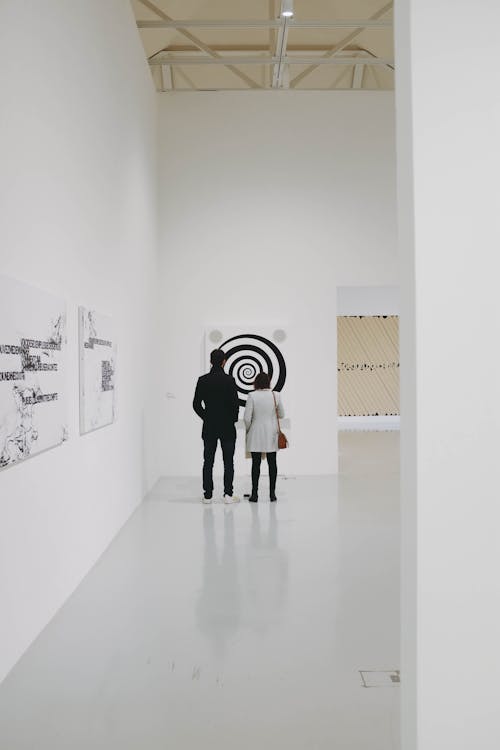
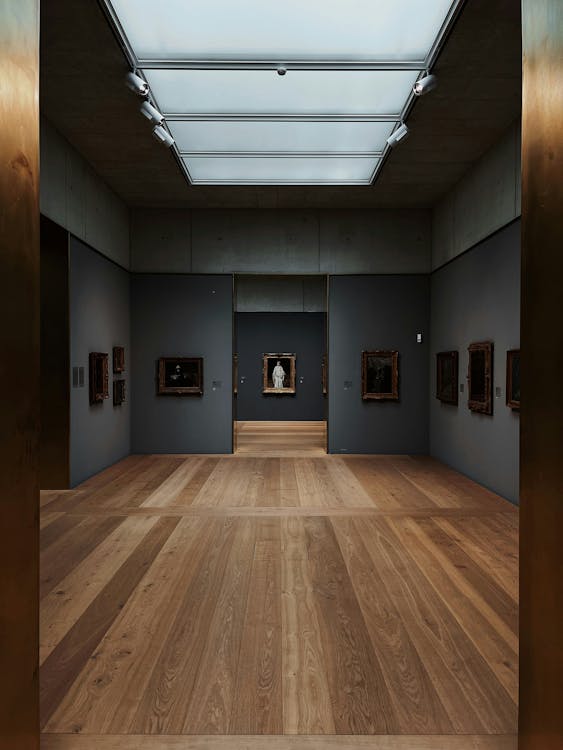
Proper gallery lighting reveals the full depth and detail of artworks — something to consider when displaying your own collection
Why Buy Art? The Case for Collecting
Art offers something stocks and real estate can't: aesthetic return. You live with art. It affects your daily experience—the first thing you see each morning, the backdrop to every dinner party, the quiet companion during late-night work sessions.
But let's also be practical. Art has generated competitive returns over time. The Mei Moses Art Index shows fine art appreciating 5-8% annually over the long term. The best art investments combine aesthetic and financial value.
8%
The Mei Moses Art Index shows fine art appreciating 5- annually over the long term
What collecting gives you:
Daily aesthetic pleasure — living with work that moves you
Social signaling — a curated collection communicates taste and values
Conversation starters — every piece has a story worth telling
Potential appreciation — particularly with emerging and mid-career artists
Supporting artists — your purchase directly funds creative careers
Legacy building — collections can appreciate and be passed to future generations
Note: The best art investments combine aesthetic and financial value. Browse our curated collection of investment-grade works.
The Austin Advantage
Austin offers a unique collecting environment. A major city with serious galleries and internationally recognized artists, but without the astronomical prices of New York, Los Angeles, or Miami. The result: collectors at every level can find meaningful work within their budget.
What Makes Austin's Art Market Special
A creative ecosystem, not just a market. Austin's art scene grew from music, counterculture, and university culture. Artists here tend to be accessible, engaged, and community-minded. You can meet the people whose work hangs on your walls.
Tech wealth meets creative energy. The influx of tech workers has created a new collector class with disposable income and an appetite for contemporary work. This means growing demand — and growing opportunities for early collectors who buy before prices rise.
Studio tours democratize access. No other major city offers the direct artist access that Austin's studio tours provide. The East Austin Studio Tour opens hundreds of studios to the public, letting you buy directly from artists at studio prices.
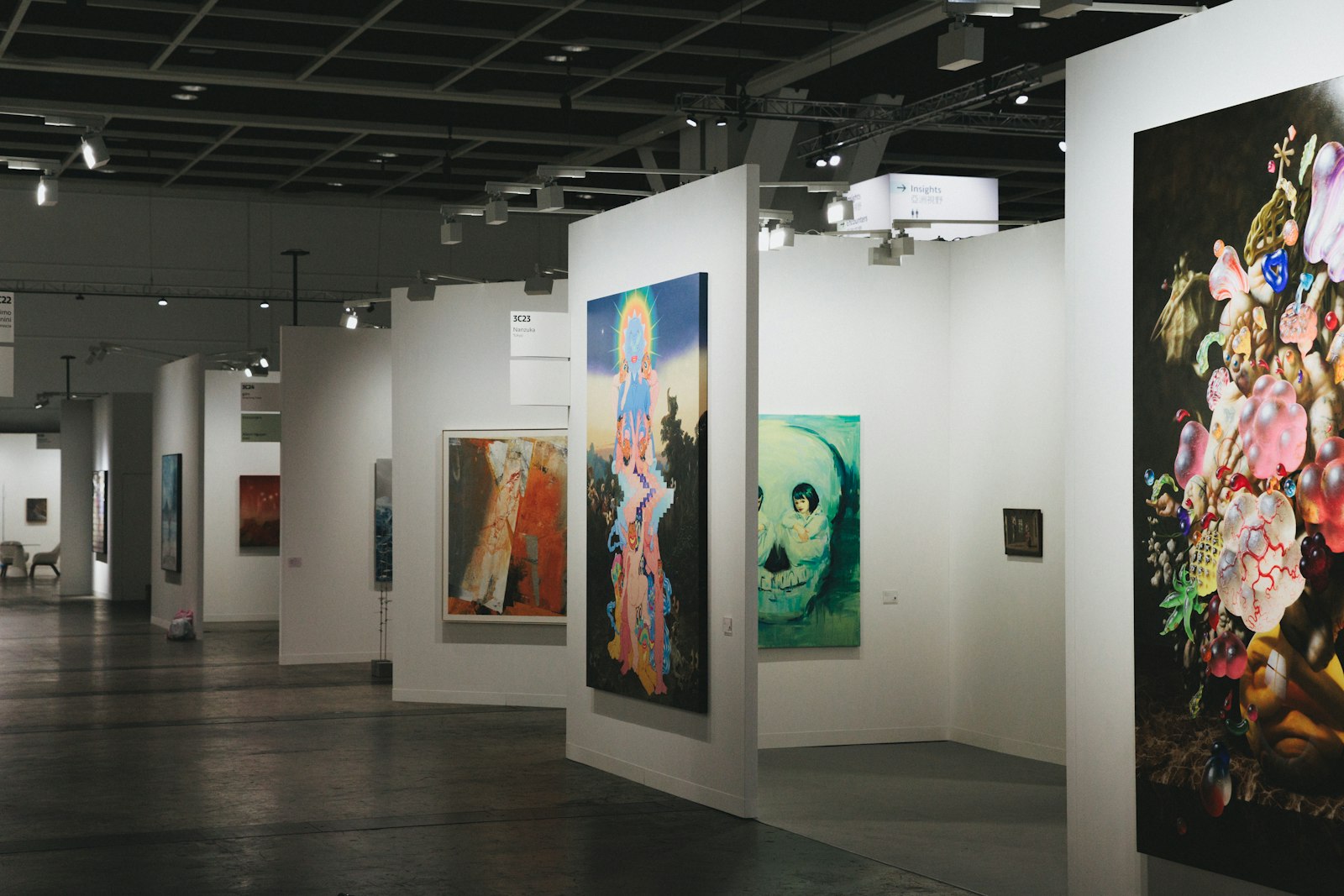
Art fairs offer the chance to compare work from multiple galleries and price points in a single visit
Where to Buy Art in Austin
Galleries
Austin's gallery scene is concentrated in a few key neighborhoods. Each has a distinct character and price point.
East Austin — The creative epicenter. Galleries here tend to show emerging and mid-career artists. Prices are generally accessible. Key spaces include:
grayDUCK Gallery — Contemporary work by regional artists
Big Medium (now transitioning after closure) — Was the anchor institution
Wally Workman Gallery — Established presence, strong stable of Texas artists
South Congress (SoCo) — More commercial, tourist-friendly. Higher price points on average. Good for discovering work you didn't know you wanted.
Downtown & West Austin — More established galleries and higher-end collecting:
Davis Gallery — Museum-quality contemporary
Ao5 Gallery — Pop surrealism and illustration-influenced work
Russell Collection — Fine art and antiques
Studio Tours
The single best opportunity for new collectors. You visit artists' actual workspaces, see their process, discuss the work directly, and buy at studio prices (typically 30-50% less than gallery retail, since there's no dealer commission).
East Austin Studio Tour (EAST) — November
500+ artists, 100+ stops
Free and open to the public
Many artists offer payment plans
Bring cash for smaller purchases
West Austin Studio Tour (WEST) — May
200+ artists, 80+ stops
Tends toward more established artists
Higher average price points
Beautiful home studios in West Austin neighborhoods
Before spending serious money, invest in education. Your eye is your most valuable collecting tool, and it improves with deliberate practice.
Visit, Visit, Visit
Make gallery-going a regular habit. Don't just look — pay attention to what consistently draws you in. After 20-30 gallery visits, you'll notice patterns in your taste that will guide future purchases.
A practical approach:
Month 1-2: Visit every gallery in East Austin. Attend any opening receptions (free, usually with refreshments). Just look.
Month 3-4: Start narrowing. Which galleries consistently show work you respond to? Return to those.
Month 5-6: Engage. Talk to gallerists about artists you like. Ask about price ranges. You're not committing — you're building relationships.
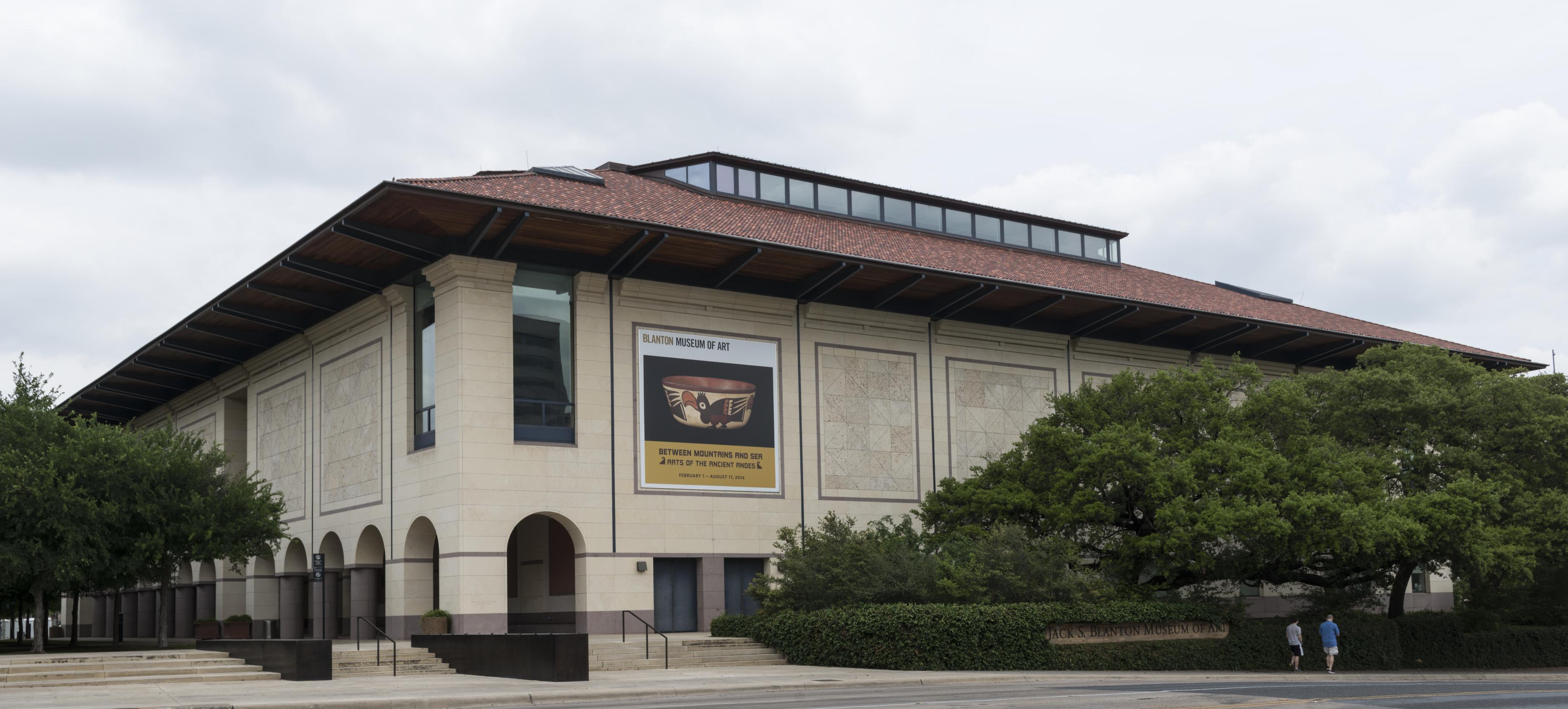
Free admission, exhibition previews, reciprocal museum access
Both memberships pay for themselves within a few visits and give you access to collector-oriented events where you'll learn from experienced collectors.
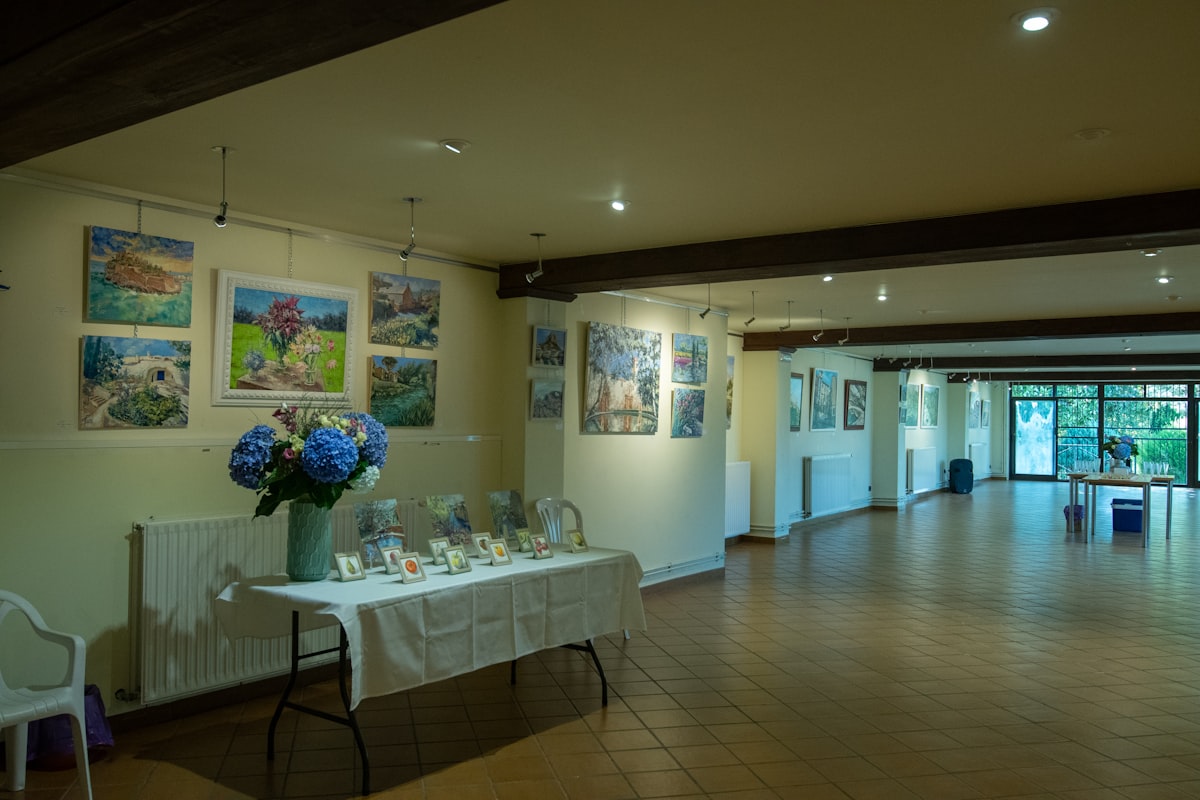
Austin galleries curate collections that range from emerging local artists to nationally recognized names
How to Actually Buy: A Step-by-Step Process
Step 1: Find Something You Love
This sounds obvious, but it's where most new collectors go wrong. They buy based on investment advice, decorator recommendations, or social pressure. The collectors who build meaningful collections start with genuine emotional response.
The test: If you can't stop thinking about a piece after leaving the gallery, it's probably right.
Step 2: Research the Artist
Before making any significant purchase (over $1,000), do basic research:
Austin Art Insider
Free weekly guide to galleries, exhibitions & collecting in Austin.
Exhibition history — Has the artist shown in recognized galleries and institutions?
Education and training — Not essential, but context helps
Gallery representation — Being represented by a gallery signals professional viability
Press coverage — Reviews, features, inclusion in publications
Auction results — For more established artists, check past sales via Artsy
Step 3: Understand Primary vs. Secondary Market
Primary market: Buying directly from artists or their representing galleries. You're the first owner. This is where most Austin collecting happens.
Secondary market: Buying previously-owned works through auction houses, galleries, or platforms like 1stDibs. Established artists with auction records.
Key difference: Primary market prices are set by the artist/gallery. Secondary market prices are set by demand. Both are legitimate, but primary market offers more personal connection and often better value for emerging work.
Step 4: Ask the Right Questions
When you're ready to discuss a purchase:
What is the full price, including framing?
Do you offer payment plans? (Many Austin galleries offer interest-free installments)
Does this come with a certificate of authenticity?
What is the artist's exhibition history?
How should this be framed/displayed/stored?
What is your return policy? (Most galleries don't accept returns on original art, but asking shows you're serious)
Step 5: Negotiate (Appropriately)
Negotiation norms in the art world:
Studio tours: Prices are usually firm, but you can ask about bulk discounts if buying multiple pieces
Galleries: A 10% discount is standard to ask for on works over $5,000. Larger purchases may warrant more
Art fairs: End-of-fair pricing can be slightly more flexible
Never: Lowball. It's disrespectful to the artist and will damage your relationship with the gallery
Protecting Your Investment
Once you've acquired art, proper care preserves both its condition and its value.
Art worth more than $5,000 should be specifically scheduled on your homeowner's or renter's insurance. Standard policies have low limits for art. For serious collections, consider a dedicated fine art policy through AXA Art or Chubb.
Most Austin galleries hold opening receptions on the first or second Saturday of each month. These are free, typically include refreshments, and offer the best opportunity to meet artists and fellow collectors. Dress is casual.
Where to find listings:
Austin Chronicle arts calendar
Individual gallery social media (Instagram is primary)
Gallery email lists (sign up at each gallery you visit)
Appraisal Services
If you're building a serious collection or need insurance valuations, professional appraisal matters. Austin Gallery offers art appraisal services with documented market research and comparable sales analysis.
Consignment
Own art you're ready to part with? The consignment process lets you sell through established gallery channels, reaching qualified buyers. This is how the secondary market works at the local level.
The Studio Tour Opportunity
The East Austin Studio Tour deserves special emphasis. For new collectors, it's the single most valuable event of the year.
What makes it special:
Studio prices — No gallery commission means 30-50% savings
Direct artist relationships — You'll know the person behind the art
Process insight — Seeing how work is made enriches your appreciation
Buying to match the sofa. Art should lead your interior design, not follow it. Decorators can coordinate throw pillows. Collect what moves you.
Waiting for a "deal." Good art at fair prices doesn't go on sale. If you love something and can afford it, buy it. Hesitation costs collectors more pieces than anything else.
Ignoring provenance. For secondary market purchases, always verify ownership history. The Art Loss Register checks against stolen art databases.
Skipping the research. A gallery's enthusiasm about an artist's "investment potential" is marketing. Do your own due diligence on exhibition history, gallery representation, and market trajectory.
Buying only big names. The most rewarding collecting happens at the emerging level — finding artists whose work speaks to you before the market discovers them. Austin's studio tours are the best place for this.
Frequently Asked Questions
How much should I spend on my first piece of art?
Spend whatever feels comfortable — there's no minimum to be a "real" collector. Many serious collections started with a $200 print from a studio tour. The key is buying something you genuinely love, not hitting a price threshold. As your eye develops and your budget allows, you'll naturally move into higher price points. Austin offers excellent work at every level from $50 prints to five-figure paintings.
Where is the best place to buy art in Austin?
For new collectors, the East Austin Studio Tour (November) offers the best combination of selection, direct artist access, and fair pricing. Year-round, East Austin galleries like grayDUCK, Ivester Contemporary, and Wally Workman Gallery provide curated selections with knowledgeable staff. For the broadest selection in one visit, attend an opening reception night when multiple galleries are open simultaneously.
Is art a good investment?
Art can appreciate significantly, but it shouldn't be your primary investment vehicle. The Mei Moses Art Index shows 5-8% average annual returns for fine art, but that's an average across blue-chip works. Emerging art is speculative. The best approach: buy what you love, treat any appreciation as a bonus. Art's "aesthetic return" — the daily pleasure of living with beautiful work — is guaranteed.
Do Austin galleries offer payment plans?
Yes. Many Austin galleries offer interest-free payment plans on works over $500, typically spread across 3-6 months. Some studios at EAST also offer plans. Always ask — it's standard practice, not a sign of financial weakness. Payment plans make it possible to collect above your cash-on-hand budget.
How do I know if art is overpriced?
Research comparable artists at similar career stages. Check what galleries charge for similarly-sized works by artists with comparable exhibition histories. Auction databases on Artsy provide secondary market pricing. For emerging work, price should correlate with the artist's exhibition record, gallery representation, and material costs. Trust your gut — if a price feels wildly out of line with what you've seen elsewhere, it probably is.
Should I buy original art or prints?
Both have value. Original works are unique and tend to appreciate more. Limited edition prints (especially by established artists) offer entry at lower price points and can also appreciate. Open edition prints have little investment value but are affordable ways to live with work you love. For new collectors, a mix of affordable prints and occasional original purchases is a smart strategy.
Center art at eye level (57-60 inches from floor to center of piece). Use French cleats for heavy works — they're more secure than wire hangers. Keep art out of direct sunlight. Use LED picture lights positioned at 30 degrees for optimal illumination without heat damage. For a gallery wall arrangement, lay pieces on the floor first to experiment with placement before putting holes in walls.
Use LED picture lights positioned at 30 degrees for optimal illumination without heat damage.
What questions should I ask before buying art?
Key questions: What is the full price (including framing if applicable)? Do you offer payment plans? Does this come with a certificate of authenticity? What is the artist's exhibition history? How should this piece be cared for and displayed? What is the return policy? These questions demonstrate seriousness and help you make informed decisions.
Browse Austin Gallery's curated collection of investment-grade artwork from established and emerging artists. Every piece includes provenance documentation and condition reports.