Movies Filmed in Austin, Texas: The Definitive Guide
Over 50 major films and TV shows have been shot in Austin, Texas — from Dazed and Confused to Fear the Walking Dead. We cover every production, 9 filming locations you can visit with exact addresses, and why Hollywood keeps coming back.
By Austin Gallery
What You'll Find in This Guide
30+ major films shot in Austin — from The Texas Chain Saw Massacre (1974) to Ford v Ferrari (2019)
10 TV series including Friday Night Lights, Fear the Walking Dead, and Walker
9 filming locations you can visit today with exact addresses and Google Maps links
4 legendary directors who made Austin their permanent home base
Texas film incentives, Austin Studios, and why Hollywood keeps coming back
50+Films & Shows
9Visitable Locations
4Resident Directors
1969First Austin Film
Few American cities punch above their weight in Hollywood quite like Austin, Texas. A mid-sized state capital with no studio backlots, no established star system, and --- until relatively recently --- no significant film infrastructure somehow became one of the most filmed cities in the United States. More than fifty major motion pictures and television series have been shot here since the late 1960s, a number that would be remarkable for a city twice Austin's size.
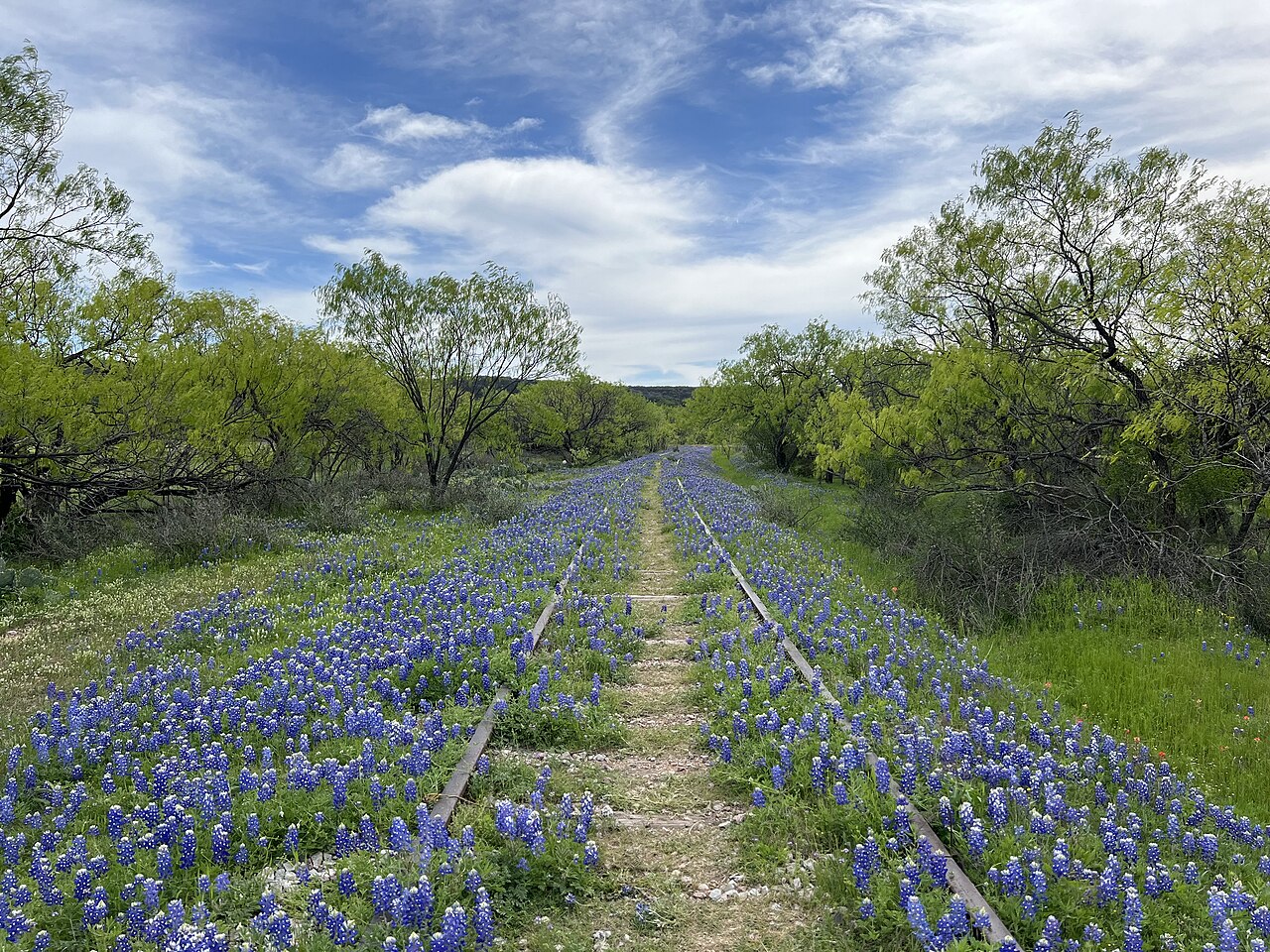
The reasons are layered. Texas's generous film incentives help. So does the landscape --- Austin sits at the ecological crossroads where the verdant Blackland Prairie meets the rugged Texas Hill Country, meaning a production can shoot a suburban subdivision and a desolate canyon on the same day without moving base camp more than thirty minutes.
The Texas Hill Country west of Austin — a landscape that has doubled for everything from 1870s frontier territory to alien planets. Photo: Cody Ely via Wikimedia Commons (CC BY 4.0)
But the real catalyst has always been people. A critical mass of filmmakers --- Richard Linklater, Robert Rodriguez, Terrence Malick, Mike Judge --- chose not just to shoot in Austin but to live here, building a community of crew, talent, and post-production infrastructure that makes the city a self-sustaining filmmaking ecosystem.
This is the definitive guide to movies filmed in Austin, Texas --- every major production, the locations you can still visit, and the directors who made this city a permanent fixture on Hollywood's map.
See each film's section below for full details, filming locations, and behind-the-scenes stories.
The Pioneers: Austin's First Brush With Film (1960s--1970s)
Eggshells (1969)
Before Richard Linklater, before Robert Rodriguez, before anyone thought of Austin as a film city, there was Tobe Hooper. The UT Austin graduate's experimental debut Eggshells was shot entirely in Austin in 1969, using a rented house near campus as its primary location. The film follows a group of hippie roommates navigating the counterculture --- a subject that was, quite literally, unfolding on the streets outside the set. Eggshells never received wide distribution, but it established a template: young, broke, ambitious filmmaker uses Austin as both setting and collaborator.
The Texas Chain Saw Massacre (1974)
Downtown Bastrop, about 30 miles southeast of Austin — home to the relocated Gas Station from the film. Photo: Billy Hathorn via Wikimedia Commons (CC BY-SA 3.0)
Hooper's follow-up needs no introduction. The Texas Chain Saw Massacre was shot in the sweltering summer of 1973, primarily in the tiny community of Round Rock (just north of Austin) and in a farmhouse near Granger, about an hour northeast. While most of the exterior locations are outside Austin proper, the production was based in the city, the cast and crew were largely Austinites, and the film's cultural DNA is inseparable from the Central Texas landscape. The gas station featured in the film was later relocated to Bastrop (Get Directions) and operated as a horror-themed barbecue restaurant and attraction called The Gas Station, complete with original set pieces and vintage signage. The cast endured brutal 16-hour shooting days in 100-degree-plus heat with no air conditioning; Gunnar Hansen (Leatherface) wore his mask and costume for so long that the rest of the cast refused to sit near him at meals.
The film was produced on a budget of less than $140,000 and has grossed over $30 million, making it one of the most profitable independent films ever made. Its raw, documentary-style aesthetic --- born partly from necessity, partly from Hooper's instincts --- would influence horror filmmaking for the next half-century. Pick up The Texas Chain Saw Massacre on 4K UHD for the definitive restoration.
Richard Linklater and the Austin Renaissance (1980s--1990s)
No single filmmaker has done more to define Austin's cinematic identity than Richard Linklater. A Houston transplant who arrived in Austin in the mid-1980s, Linklater founded the Austin Film Society in 1985 and set about building the infrastructure --- screening series, equipment co-ops, mentorship networks --- that would support an entire generation of Texas filmmakers.
Slacker (1990)
Guadalupe Street ("The Drag") near UT Austin, a key Slacker filming location. Photo: bigbirdz via Wikimedia Commons (CC BY 2.0)
Slacker is not just a great Austin movie; it is Austin, circa 1990. Shot for $23,000 with a cast of non-professional actors, the film wanders through a single day in the city, drifting from one conversation to another with no traditional plot. The locations are a love letter to the Austin that existed before the tech boom: the Quackenbush's coffee house on Guadalupe Street (Get Directions), the drag along Guadalupe near UT, the old houses of Hyde Park and Travis Heights. Linklater filmed with a skeleton crew and no permits, guerrilla-style, often shooting on location without the knowledge of business owners. The film's famous ending --- a Super 8 camera tossed off Mount Bonnell --- was shot in a single take.
Many of Slacker's locations have been transformed or demolished in the thirty-five years since filming, making the movie an invaluable visual time capsule. The film premiered at the Dobie Theatre (now closed) and went on to gross over $1.2 million --- a stunning return on investment that proved Austin could be a viable production base. Pick up the Criterion Collection edition of Slacker for extensive behind-the-scenes material on the Austin DIY filmmaking scene.
Dazed and Confused (1993)
Linklater's follow-up was bigger in every way: studio backing from Gramercy Pictures, recognizable actors (including early roles for Matthew McConaughey, Ben Affleck, Milla Jovovich, and Parker Posey), and a period setting that required meticulous location scouting. Set on the last day of school in 1976 but filmed in the summer of 1992, Dazed and Confused used Austin locations extensively.
The film's most iconic scenes were shot at real Austin landmarks:
Top Notch Hamburgers (7525 Burnet Road · Get Directions): The drive-in burger joint where McConaughey's Wooderson delivers his immortal "alright, alright, alright" line. Top Notch is still open and largely unchanged --- you can sit in the same parking lot and order the same burgers.
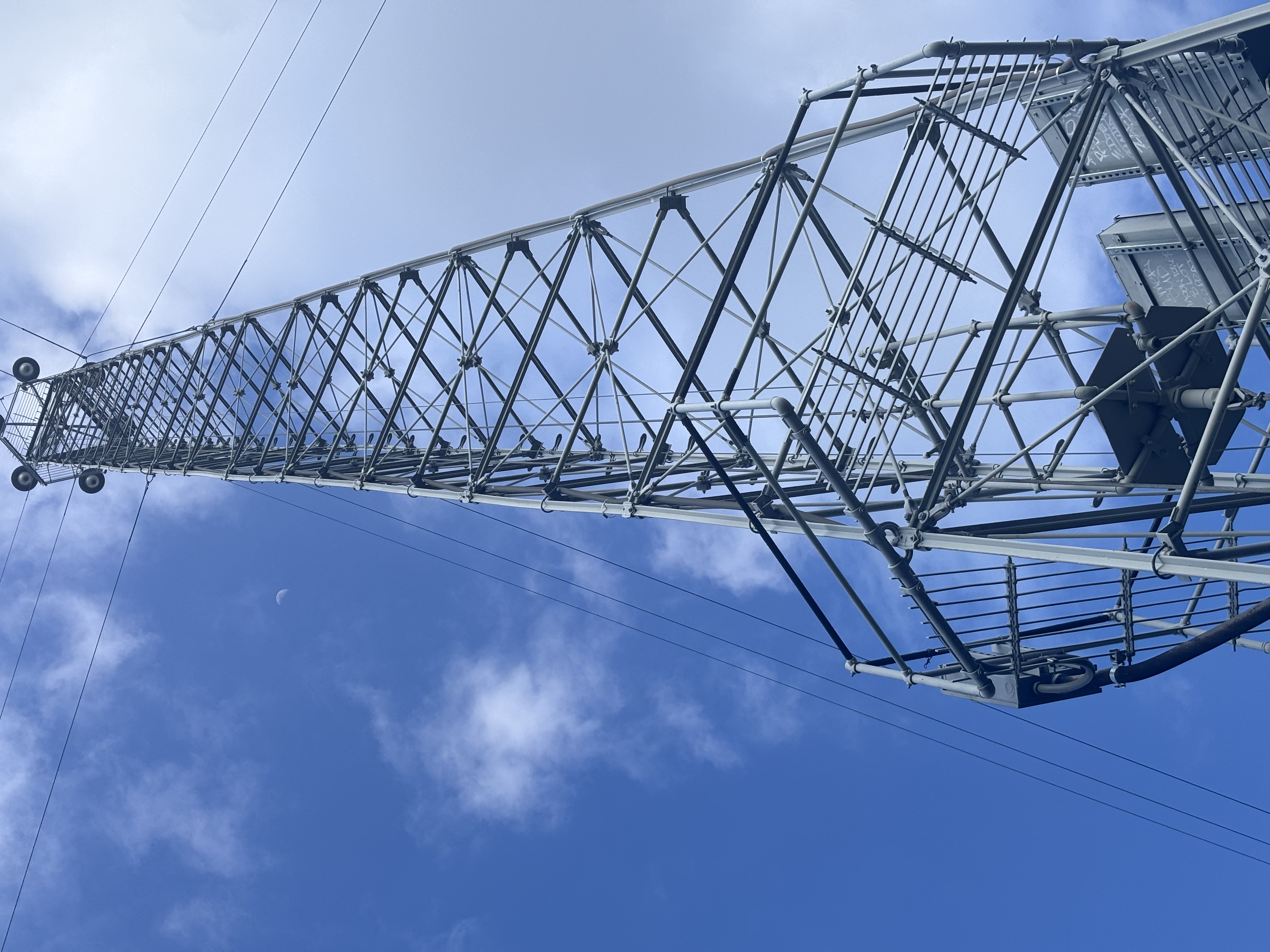
Austin's Moon Towers: The hazing scene and the big party at the "moon tower" were filmed at one of Austin's seventeen surviving moonlight towers, the only city in the world that still operates these nineteenth-century structures. The towers, installed in 1895, stand 165 feet tall and were originally designed to illuminate entire neighborhoods. The "Emporium" party scene was filmed near the moon tower at the intersection of West Annie and South First streets in the Bouldin Creek neighborhood.
Bedichek Middle School (6800 Bill Hughes Road): Used as the fictional Lee High School.
Dazed and Confused has become the definitive Austin cult film, and the Criterion Collection edition is essential viewing for anyone interested in the city's film history. Pick up the Criterion edition on Amazon. The film's iconic 1970s soundtrack --- featuring Aerosmith, Foghat, Alice Cooper, and Peter Frampton --- is also available on vinyl.
The Broken Spoke — Austin's legendary honky-tonk captures the neon-and-bar atmosphere of Blood Simple. Photo: Larry D. Moore via Wikimedia Commons (CC BY 4.0)
While Richard Linklater was building the Austin Film Society, another pair of filmmakers was using Central Texas to launch a legendary career. Joel and Ethan Coen's debut feature Blood Simple was shot in and around Austin in 1982 and 1983. The neo-noir thriller used the seedy bars, empty highways, and flat expanses of the Austin suburbs to create an atmosphere of creeping dread. Key scenes were filmed at Mount Bonnell (Get Directions), where the pivotal murder-for-hire conversation takes place, and at bars on East 6th Street that no longer exist --- but the film's visual portrait of the Central Texas landscape, all heat shimmer and neon, remains instantly recognizable.
Blood Simple was produced for approximately $1.5 million, much of it raised from private investors in Minneapolis. The film launched the Coen Brothers' career and demonstrated that Austin's surrounding geography could double for almost any small-town American setting. Pick up Blood Simple on 4K Blu-ray in the stunning Criterion Collection restoration.
What's Eating Gilbert Grape (1993)
Lasse Hallstrom's tender family drama was filmed primarily in the small Texas towns of Manor (Get Directions) and Pflugerville, both within the Austin metropolitan area. The film features early performances from Johnny Depp and a young Leonardo DiCaprio, whose portrayal of Arnie Grape earned him his first Academy Award nomination at age nineteen. The fictional town of Endora was constructed using real Central Texas locations --- the grocery store where Gilbert works was filmed at Manor Grocery on East Parsons Street --- and several of the houses and storefronts used in filming still stand.
Downtown Manor, about 15 miles northeast of Austin — the small town that became Endora in the film. Photo: Larry D. Moore via Wikimedia Commons (CC BY 4.0)
By the mid-1990s, Austin had established itself as a serious filmmaking destination. The combination of Linklater's Austin Film Society, the growing technical infrastructure, and Texas's production-friendly policies attracted a wave of studio and independent productions.
Office Space (1999)
Pflugerville's historic district — part of the North Austin suburban landscape that Mike Judge satirized in Office Space. Photo: Larry D. Moore via Wikimedia Commons (CC BY 4.0)
Mike Judge's cult comedy about the soul-crushing monotony of cubicle life was filmed almost entirely in Austin and the surrounding suburbs. The Initech office exterior was filmed at 4120 Freidrich Lane in South Austin, while the Chotchkie's restaurant interior was shot at what is now Baker Street Pub & Grill (Get Directions) on South Lamar. The film's iconic opening traffic sequence --- Peter Gibbons stuck in bumper-to-bumper gridlock --- was shot on Braker Lane in North Austin, a stretch that remains just as congested today. Peter's apartment was at the Trails of Walnut Creek complex on Metric Boulevard.
Judge, who had moved to Austin in the early 1990s, drew on the city's rapidly expanding tech corridor for inspiration. The real genius of Office Space is that Judge wasn't exaggerating --- Austin's mid-90s tech boom produced exactly the soulless office parks and chain restaurants the film skewers. The film was a modest box-office performer ($12.2 million against a $10 million budget) but became one of the best-selling DVDs of its era and remains a cultural touchstone for anyone who has ever worked in a cubicle. Pick up Office Space on Blu-ray.
Spy Kids (2001)
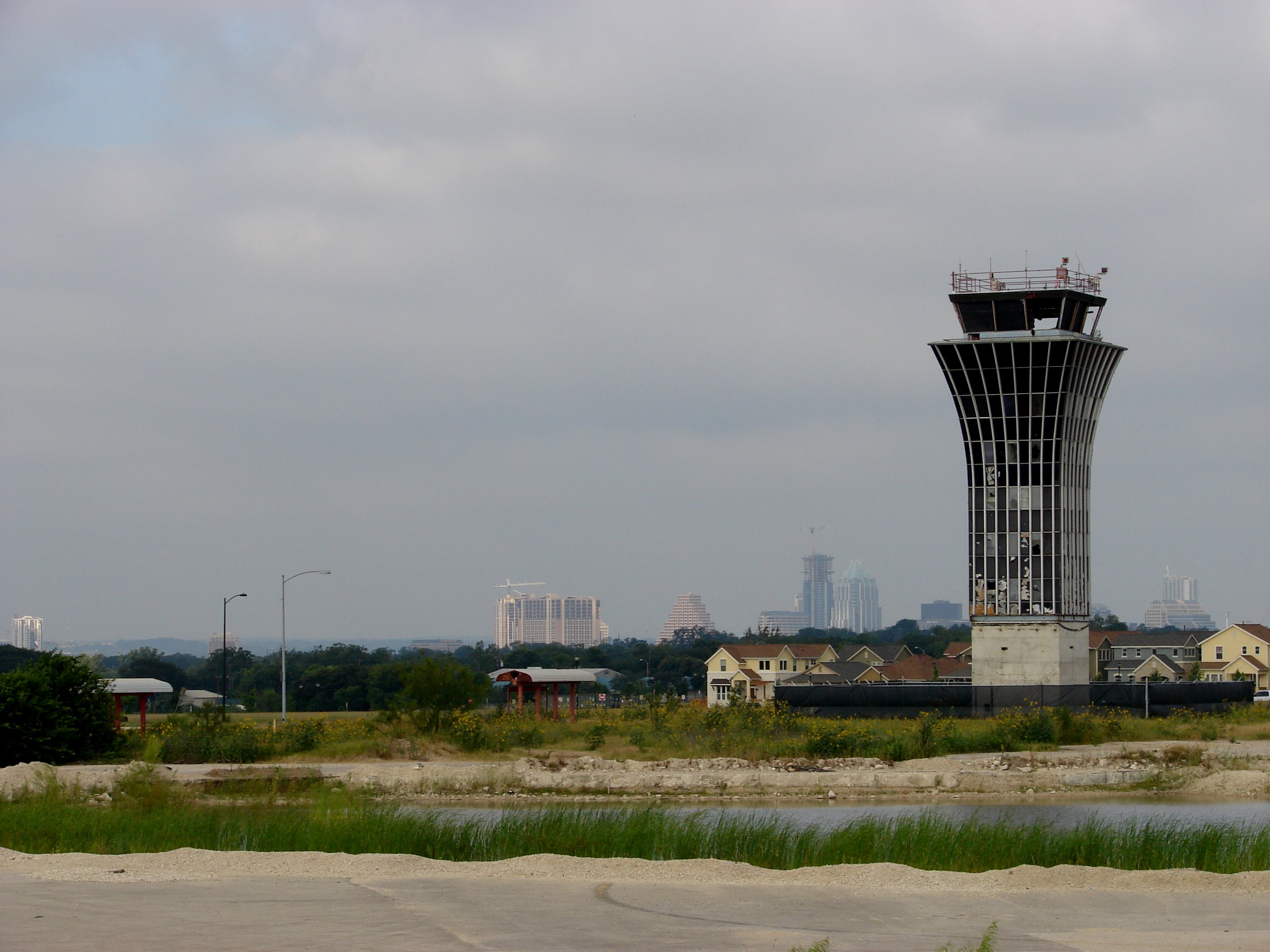
Austin Studios at the former Mueller Airport — home to Troublemaker Studios, where Rodriguez filmed Spy Kids and its sequels.
Robert Rodriguez's family adventure franchise launched Austin's other great filmmaking dynasty. Shot at Rodriguez's Troublemaker Studios (Get Directions) in Austin, Spy Kids was a family-friendly showcase for the director's trademark visual inventiveness and proved that major productions could be entirely self-contained within Austin's infrastructure.
The film grossed $147 million worldwide against a $35 million budget, launching three sequels and establishing Rodriguez as Austin's most commercially successful filmmaker. Pick up Spy Kids on Blu-ray.
The Faculty (1998)
Rodriguez directed this sci-fi horror film at Lockhart High School (about thirty miles south of Austin) and various Austin locations. The cast --- a who's who of late-90s talent including Josh Hartnett, Elijah Wood, Jordana Brewster, Clea DuVall, and Salma Hayek --- descended on Central Texas for a production that used the region's public schools and suburban landscapes to convincing effect.
Varsity Blues (1999)
This high school football drama was filmed at Elgin High School (about thirty miles east of Austin) and various locations throughout the Austin area. While set in fictional West Canaan, the film's portrayal of small-town Texas football culture drew directly from the communities surrounding the capital city. The film grossed $53 million and launched Paul Walker's career.
$53 million
The film grossed and launched Paul Walker's career
Hope Floats (1998)
Sandra Bullock's romantic drama was filmed in Smithville, a small town about forty-five miles southeast of Austin that has served as a location for multiple productions. The town's Main Street, Victorian homes, and rural surroundings provided the quintessential small-town Texas backdrop. Bullock, who has maintained a residence in the Austin area since the mid-1990s, would become one of the city's most prominent celebrity residents.
A Perfect World (1993)
Clint Eastwood directed and co-starred with Kevin Costner in this drama filmed extensively in and around Austin. Set in 1963 Texas, the film used the Austin area's rural landscapes and small towns to recreate the period. Several chase sequences were filmed along the highways and back roads of Central Texas.
The 2000s: Austin Goes Big
The first decade of the new millennium saw Austin transition from indie-film haven to a destination for major studio productions, while its homegrown filmmakers continued to produce some of the most acclaimed work in American cinema.
Friday Night Lights (2004)
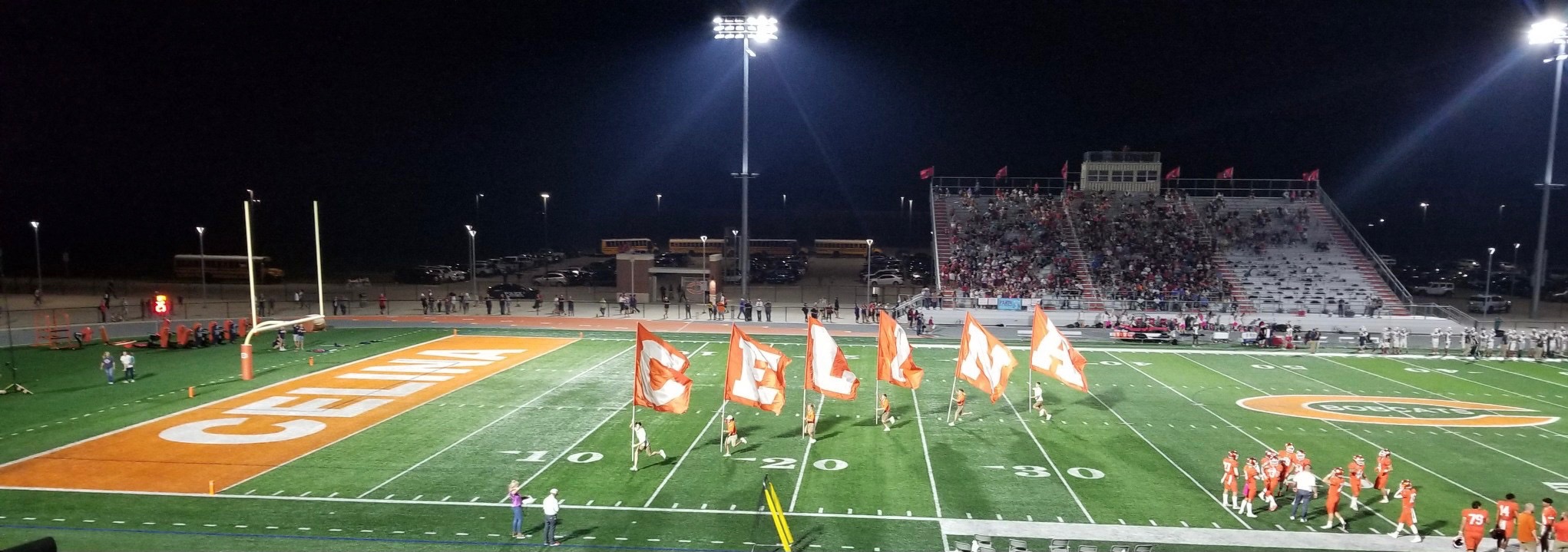
Peter Berg's film adaptation of Buzz Bissinger's book about Permian High School football in Odessa was shot extensively in Austin, using several local high schools as stand-ins. The football scenes closest to Austin were filmed at Pflugerville High School's Kuempel Stadium (Get Directions) --- fitting, since the school's mascot is also a Panther. Berg insisted on shooting with available stadium lighting rather than Hollywood rigs, giving the game sequences their distinctive grainy, almost documentary feel. The film's raw, handheld aesthetic --- which would carry over into the acclaimed television series --- captured the intensity of Texas high school football with a verite style that owed something to Linklater's influence.
Friday night football in Texas — the stadium-lit atmosphere that Berg captured at Austin-area high schools. Photo: Heidi Knapp via Wikimedia Commons (CC BY-SA 4.0)
Robert Rodriguez's stylized adaptation of Frank Miller's graphic novels was shot entirely at Troublemaker Studios (Get Directions) in Austin, using the facility's massive green screen stage --- the largest in Texas at the time. The film's revolutionary visual approach --- live actors composited into digital black-and-white environments with selective color --- pushed the boundaries of what could be accomplished in post-production and put Austin's growing VFX capabilities on the map. Rodriguez famously resigned from the Directors Guild of America so he could credit Frank Miller as co-director, a move that only an Austin-based filmmaker with his own studio could afford to make. The cast included Bruce Willis, Mickey Rourke, Jessica Alba, Benicio del Toro, and Clive Owen. Pick up Sin City on Blu-ray in the extended and unrated edition.
Kill Bill: Volume 2 (2004)
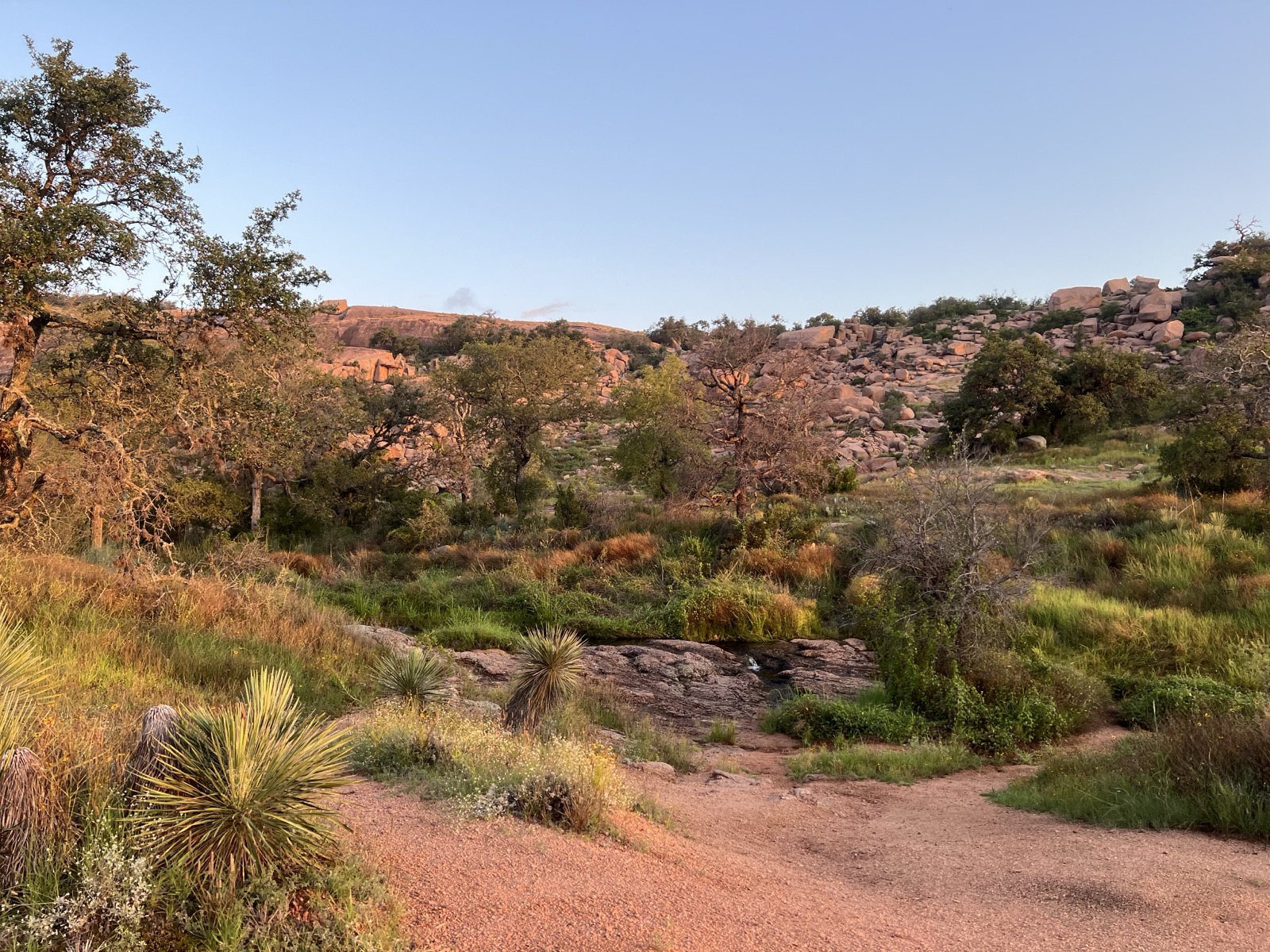
Quentin Tarantino filmed significant portions of the Kill Bill saga in and around Austin. The Texas Chili Parlor (Get Directions) on Lavaca Street --- a beloved Austin dive bar steps from the Capitol --- appears as one of the film's locations. Several exterior scenes were shot in the desert landscapes west of Austin and in the Hill Country. Tarantino, a frequent Austin visitor and SXSW regular, has maintained close ties to the city's film community throughout his career.
The Texas Hill Country west of Austin — the rugged terrain Tarantino used for Kill Bill's desert exteriors. Photo: 8bit12man via Wikimedia Commons (CC BY 4.0)
Mike Judge's prescient satire about a dumbed-down future America was filmed in Austin in 2004. The production used the old Robert Mueller Municipal Airport (Get Directions), which had closed in 1999 and was being redeveloped, as one of its primary locations, taking advantage of the decommissioned terminal and runways before they were demolished. The area is now the Mueller mixed-use development on Austin's east side.
Judge's biting social commentary was buried by Fox with virtually no marketing and a limited release to only 130 theaters. It has since become one of the most cited cult films of the 21st century. Pick up Idiocracy on DVD.
The Tree of Life (2011)
Terrence Malick's Palme d'Or-winning masterpiece was filmed extensively in Smithville (Get Directions) and Bastrop, as well as in Houston. The O'Brien family house at 709 Burleson Street in Smithville is a private home --- Malick actually used three different houses, each facing a different direction, so he could chase natural sunlight throughout the day, a technique that would be impossibly expensive on a Hollywood set but perfectly feasible in a small Texas town forty miles from Austin. The film's 1950s sequences --- featuring Brad Pitt as a stern father and Jessica Chastain as his ethereal wife --- used Smithville's mid-century architecture to recreate a childhood landscape that feels both specific and universal.
Main Street in Smithville, about 40 miles southeast of Austin — the 1950s architecture that Malick used for The Tree of Life. Photo: Larry D. Moore via Wikimedia Commons (CC BY 4.0)
The Tree of Life won the Palme d'Or at the 2011 Cannes Film Festival and was nominated for three Academy Awards, including Best Picture and Best Director. Pick up The Tree of Life on Blu-ray in the Criterion Collection edition.
Boyhood (2014)
Linklater's magnum opus was filmed over twelve years (2002--2013), entirely in the Austin area and other Texas locations. The film follows Mason (Ellar Coltrane) from age six to eighteen, with the same cast aging in real time. A key family bonding scene was filmed at Dart Bowl (Get Directions), the beloved Austin bowling alley where Mason Sr. takes his children (Dart Bowl closed in 2020, but the building still stands). Austin landmarks appear throughout, including:
South Congress Avenue: Multiple scenes were filmed on SoCo, capturing the strip's evolution over the twelve-year production.
UT Austin campus: The film's later sequences feature the university prominently.
Various Austin neighborhoods: The changing landscape of the city itself becomes a character in the film, documenting Austin's transformation from a mid-sized college town to a booming metropolis.
Boyhood was nominated for six Academy Awards, winning Best Supporting Actress for Patricia Arquette. It is one of the most ambitious filmmaking projects ever attempted and could only have been made by a director rooted deeply enough in one place to sustain a twelve-year production. The Criterion Collection edition includes extensive behind-the-scenes material documenting the twelve-year journey.
Rodriguez expanded his fake Grindhouse trailer into a full feature, filming at Troublemaker Studios and various Austin locations. The over-the-top action film starring Danny Trejo used the city's diverse neighborhoods --- from downtown's skyscrapers to the industrial East Side --- as a stand-in for a fictional Texas border town.
Austin Art Insider
Free weekly guide to galleries, exhibitions & collecting in Austin.
Bernie (2011)
Linklater's dark comedy based on a true story was filmed in various small Texas towns near Austin, including Bastrop (Get Directions), Lockhart, and Carthage (where the real events occurred). The Bastrop County Courthouse served as the trial courtroom, and its lawn gazebo was the setting for the film's gossipy townspeople scenes. Jack Black stars as a beloved mortician who murders a wealthy widow (Shirley MacLaine). The film is a masterclass in using real Texas locations and actual townspeople as extras, blurring the line between documentary and fiction.
Downtown Lockhart — the small-town Texas architecture Linklater used for Bernie. Photo: Aleksomber via Wikimedia Commons (CC BY-SA 4.0)
By the 2010s, Austin had the infrastructure --- soundstages, post-production facilities, experienced crews --- to attract major studio blockbusters alongside its indie roots.
Congress Avenue looking toward the Capitol — Austin's most filmed street. Photo: Leon Fu via Wikimedia Commons (Public Domain)
True Grit (2010)
The Coen Brothers returned to Texas for their adaptation of Charles Portis's novel, filming significant portions in Granger (Get Directions), Blanco, and the Austin area. Granger's historic downtown, about fifty miles northeast of Austin, was transformed into Fort Smith, Arkansas --- timber storefronts were built between the town's empty brick buildings, and the rail terminal provided authentic Old West production value. The courtroom scenes were filmed at the Old Blanco County Courthouse, fifty miles southwest. The film, starring Jeff Bridges as Rooster Cogburn, used the Central Texas landscape to double for 1870s Arkansas and Indian Territory. True Grit grossed $171 million domestically and was nominated for ten Academy Awards. Pick up True Grit on Blu-ray.
Transformers: Age of Extinction (2014)
Michael Bay's fourth Transformers installment brought one of Hollywood's biggest franchises to Austin, filming action sequences downtown and in the surrounding area. The production's presence --- complete with explosions, car chases, and giant robotic set pieces --- was hard to miss and represented the kind of tentpole production that would have been unthinkable in Austin a decade earlier.
Predators (2010)
Nimrod Antal's reboot of the Predator franchise was filmed at Troublemaker Studios and in the dense forests outside Austin, which doubled convincingly for an alien game preserve. The production took advantage of Central Texas's thick cedar and oak forests to create an atmosphere of claustrophobic menace.
Miss Congeniality (2000)
The Texas State Capitol — one of Austin's most filmed landmarks. Photo: Austin Gallery
Sandra Bullock's hit comedy was filmed in Austin and San Antonio. The pageant scenes were shot at Bass Concert Hall (Get Directions) on the UT Austin campus, and several scenes feature recognizable downtown streets and the Capitol area.
The film grossed $212 million worldwide and cemented Bullock's connection to the city where she had already established a home. Pick up Miss Congeniality on Blu-ray.
Everybody Wants Some!! (2016)
Linklater's spiritual sequel to Dazed and Confused was set in 1980 and filmed at various locations in and around Austin and San Marcos. The film follows college baseball players during their first weekend before classes begin, and its locations --- old dance halls, honky-tonks, and house parties --- capture a Central Texas that was rapidly changing but still recognizable. The Paramount Theatre (Get Directions) on Congress Avenue was used for one of the film's most memorable scenes.
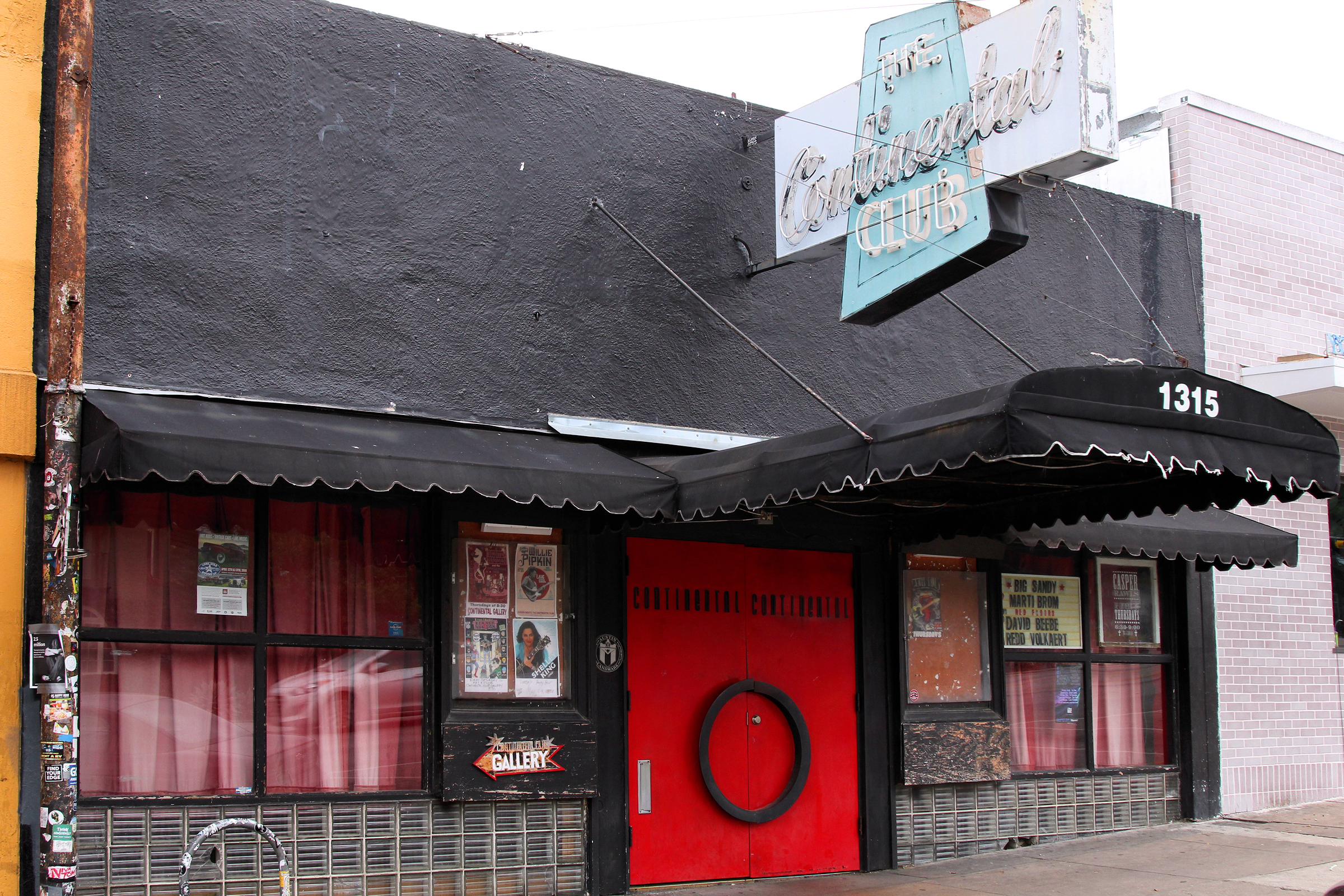
Terrence Malick's Austin music scene drama features Ryan Gosling, Rooney Mara, Michael Fassbender, and Natalie Portman navigating love and ambition against the backdrop of the city's legendary live music scene. Malick filmed at actual Austin venues and music festivals, including scenes at SXSW and at ACL Live at the Moody Theater (Get Directions), capturing the energy and chaos of the city's musical heartbeat. The Continental Club, Stubb's, and other iconic Sixth Street venues appear throughout.
Jeff Nichols' sci-fi thriller starring Michael Shannon and Joel Edgerton was filmed in part in the Austin area and across rural Texas. The film's nighttime driving sequences and motel scenes use the Central Texas landscape to evocative effect.
Aint Them Bodies Saints (2013)
David Lowery's lyrical crime drama starring Rooney Mara and Casey Affleck was filmed in Bastrop and the surrounding Austin area. The film's sun-drenched visuals and elegiac tone drew comparisons to Malick, and it premiered at Sundance before screening at Cannes.
Ford v Ferrari (2019)
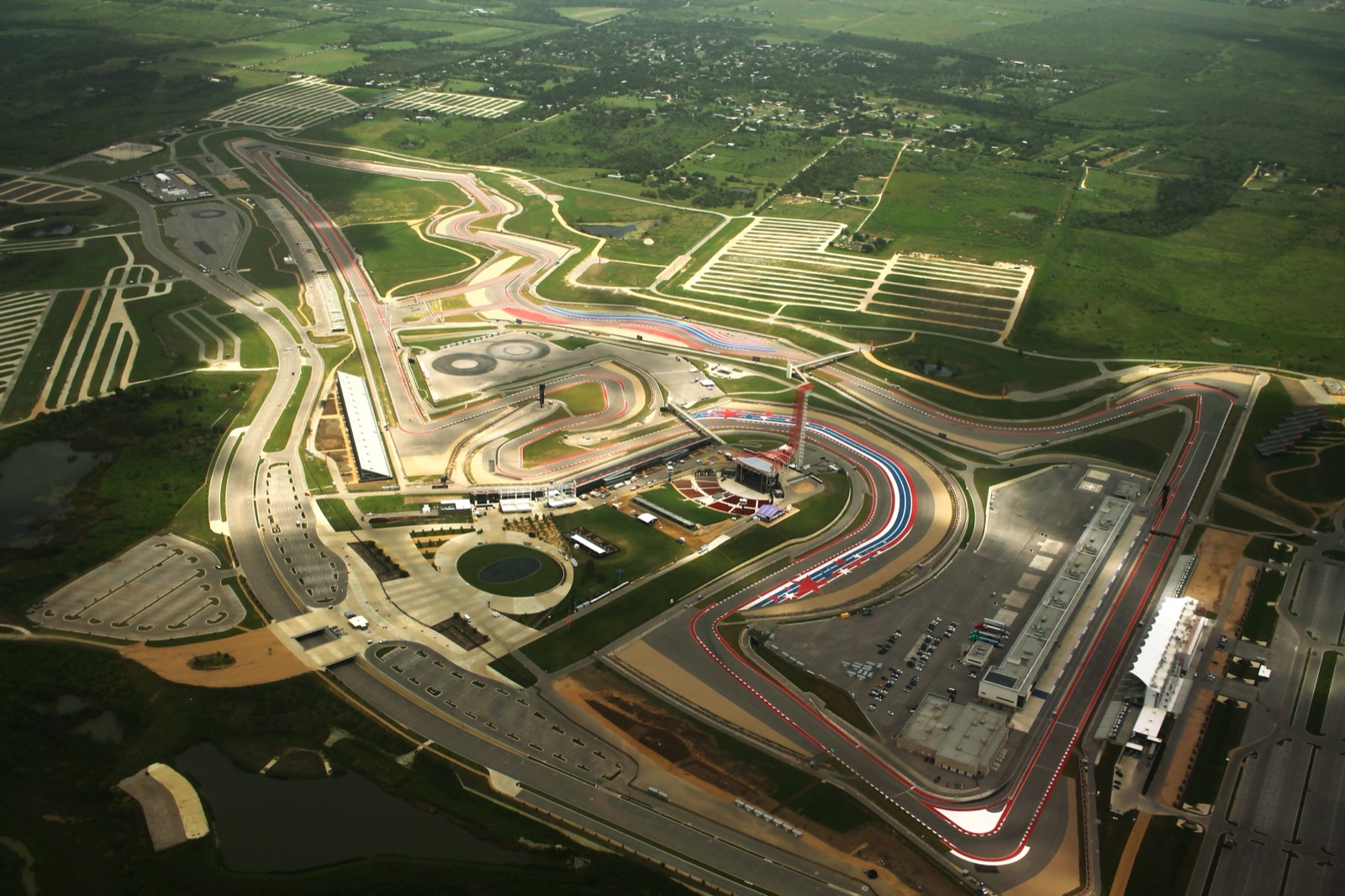
Circuit of the Americas (COTA) — Austin's world-class racetrack and the best place to experience Ford v Ferrari's racing spirit. Photo: Formulanone via Wikimedia Commons (CC BY-SA 4.0)
James Mangold's racing epic used locations across California, Georgia, and France, but Austin's Circuit of the Americas (Get Directions) --- the only purpose-built Formula 1 circuit in the United States --- is the natural place to experience the film's racing spirit in person. The film stars Matt Damon and Christian Bale and grossed $225 million worldwide.
Clint Eastwood directed and starred in this Depression-era road movie, filmed in various Central Texas locations. The film used Austin-area honky-tonks and rural landscapes to recreate 1930s Oklahoma and Tennessee.
The Hitcher (1986)
This cult thriller starring Rutger Hauer was filmed along the highways and desert landscapes west of Austin. The lonely stretches of Highway 290 and the Hill Country's stark beauty provided the perfect setting for a road-based horror film.
1923 (Season 2, 2024)
Taylor Sheridan's Yellowstone prequel brought Harrison Ford, Helen Mirren, and Timothy Dalton to Austin for the show's second and final season. Filming ran from July through September 2024 at ATX Film Studios and locations across Central Texas, including Lockhart (doubling as Fort Worth), Bartlett, and Galveston. The production contributed over $50 million in economic impact to the Austin area and employed hundreds of local crew members — making it one of the largest single-season television productions in the city's history.
The series premiered its second season on Paramount+ in February 2025 and concluded in April 2025. ATX Film Studios' stages handled interiors while Central Texas's rural landscapes provided the early 20th-century ranch and frontier settings.
Television Shows Filmed in Austin
Austin's film infrastructure has proven equally attractive to television productions, several of which have run for multiple seasons and brought sustained economic impact to the city.
Friday Night Lights (TV Series, 2006--2011)
The television adaptation of the film (and Bissinger's book) ran for five seasons and was filmed almost entirely in Austin. The pilot used Kuempel Stadium in Pflugerville, while the series' primary home base was the Panther Field House at Del Valle High School (Get Directions), near Austin-Bergstrom Airport. The show used Austin neighborhoods extensively --- the Saracen house was at 3009 Kuhlman Avenue, the Riggins house at 2604 Lehigh Drive, and a Dairy Queen on Manor Road was transformed into the fictional "Alamo Freeze."
Pflugerville High School — its Kuempel Stadium was used for the Friday Night Lights pilot. Photo: Maureen.allen via Wikimedia Commons (CC BY-SA 4.0)
Friday Night Lights is widely regarded as one of the greatest television dramas ever produced, and its unflinching portrayal of small-town Texas life made Austin-area locations famous worldwide. The series brought a steady stream of production dollars to the Austin economy and helped build the experienced crew base that would attract future productions. Pick up Friday Night Lights: The Complete Series on Blu-ray.
AMC's Walking Dead spinoff relocated to Austin for its later seasons, filming at Austin Studios (the former Mueller Airport facility) and various locations throughout the city and surrounding Hill Country. The production's multi-season presence in Austin represented one of the largest sustained television productions in the city's history.
The Real World: Austin (2005)
MTV's long-running reality series set its seventeenth season in Austin, housing its cast in a warehouse loft on Sixth Street. The show aired in 2005 and introduced a national audience to Austin's bar scene, live music venues, and young creative culture. While not a scripted production, The Real World: Austin was significant in cementing the city's reputation as a destination for young people --- a cultural narrative that would accelerate dramatically in the years that followed.
Sixth Street, the bar-lined entertainment district that has appeared in dozens of productions.
Walker (2021--2023)
The CW's reboot of Walker, Texas Ranger --- starring Jared Padalecki and filmed entirely in Austin --- ran for four seasons. The production used Austin Studios as its home base and filmed at locations throughout the city, including the Texas State Capitol, Lady Bird Lake, and various Hill Country ranches. The show employed hundreds of local crew members and was one of the largest ongoing television productions in Texas during its run.
Love & Death (2023)
HBO Max's limited series starring Elizabeth Olsen was filmed in Austin and the surrounding area. Based on the true story of Candy Montgomery, the show used Central Texas locations to recreate 1980s suburban Dallas. The production brought significant attention to Austin's growing capabilities as a destination for prestige television.
Panic (2021)
Amazon Prime's teen drama series, based on Lauren Oliver's novel, was filmed in Austin and used the city's suburban neighborhoods and surrounding rural areas as its setting. The show's portrayal of a fictional small Texas town drew on the landscapes and atmosphere of the Austin exurbs.
Route 66 (1960--1964)
Long before Austin had any film infrastructure, CBS's groundbreaking road drama Route 66 filmed several episodes in the city during its four-season run. The show, which followed two young men driving across America in a Corvette, used Austin's Congress Avenue, the Capitol, and the UT campus as locations --- providing some of the earliest television footage of the city.
Queen of the South (2016--2021)
USA Network's cartel drama filmed its later seasons in Austin and Dallas, using the Texas capital's diverse urban and rural landscapes as stand-ins for various locations.
The Directors Who Made Austin Home
Richard Linklater
The most important filmmaker in Austin history. After founding the Austin Film Society in 1985, Linklater has directed over twenty features, the majority filmed in and around Austin. His filmography reads like a chronicle of the city itself: Slacker (1990), Dazed and Confused (1993), Before Sunrise (1995), SubUrbia (1996), Waking Life (2001), School of Rock (2003), A Scanner Darkly (2006), Boyhood (2014), and Everybody Wants Some!! (2016). His 2024 Netflix hit Hit Man — starring Glen Powell and based on a Texas Monthly article — premiered in Austin but was filmed in New Orleans. Linklater's Austin Studios --- the filmmaking complex built on the site of the old Mueller Airport --- is his home base and one of the most important production facilities in the American South.
For a deep dive into Linklater's early career and the DIY ethos that built Austin's film scene, Robert Rodriguez's memoir Rebel Without a Crew captures the era perfectly, even though it tells Rodriguez's own story. The Criterion Collection edition of Slacker includes extensive interviews and behind-the-scenes material.
Robert Rodriguez
Austin's most commercially prolific filmmaker has operated Troublemaker Studios in the city since the 1990s. From El Mariachi (1992) --- famously produced for $7,000 --- through Spy Kids, Sin City, Machete, Alita: Battle Angel, and the We Can Be Heroes franchise, Rodriguez has built a vertically integrated filmmaking operation entirely within Austin. His approach --- directing, shooting, editing, scoring, and doing visual effects himself, often in the same building --- is the ultimate expression of Austin's DIY filmmaking ethos.
Terrence Malick
The reclusive master has lived in the Austin area since the 1990s and has used Central Texas as a setting or production base for many of his films, including The Tree of Life, To the Wonder, Knight of Cups, Song to Song, and A Hidden Life. Malick's work is defined by natural light, landscape, and a spiritual relationship to place --- qualities that the Austin area provides in abundance.
Mike Judge
The creator of Beavis and Butt-Head, King of the Hill, and Silicon Valley has been an Austin resident since the early 1990s. His live-action films Office Space, Idiocracy, and Extract were all filmed in the Austin area, and his animated series King of the Hill --- set in the fictional Arlen, Texas --- draws directly on the culture of Austin's surrounding suburbs and small towns. Judge's satirical lens captures a side of Texas rarely seen in Hollywood productions.
One of the joys of Austin's film history is that many of the locations are still standing and open to the public. Here is a guide to the most significant sites you can visit.
The drive-in burger joint where Matthew McConaughey's Wooderson cruises for high school girls is still in operation, serving the same burgers in the same parking lot. The neon sign, the ordering window, the picnic tables --- all largely unchanged from 1992. Top Notch is a pilgrimage site for Dazed and Confused fans and an excellent burger spot in its own right.
Austin is the only city in the world that still uses its original moonlight towers, installed in 1895. Seventeen of the original thirty-one towers survive, and they are designated as Texas Historic Landmarks and listed on the National Register of Historic Places. The tower near Zilker Park is the most visited.
The Capitol building and its grounds have appeared in more Austin-filmed productions than perhaps any other single location. The building is open for free self-guided tours daily.
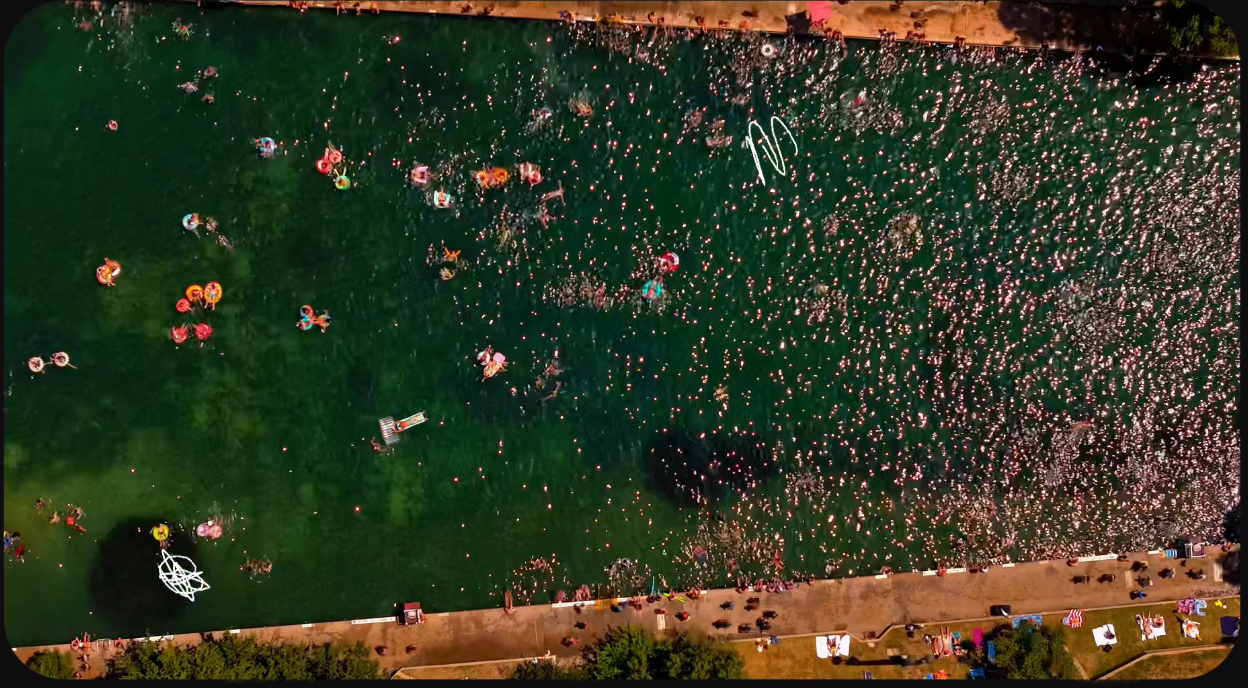
The 68-degree spring-fed pool in Zilker Park has appeared in numerous Austin-set films and television shows. It is one of the most iconic locations in the city and is open year-round. Admission is $5--$9 for adults.
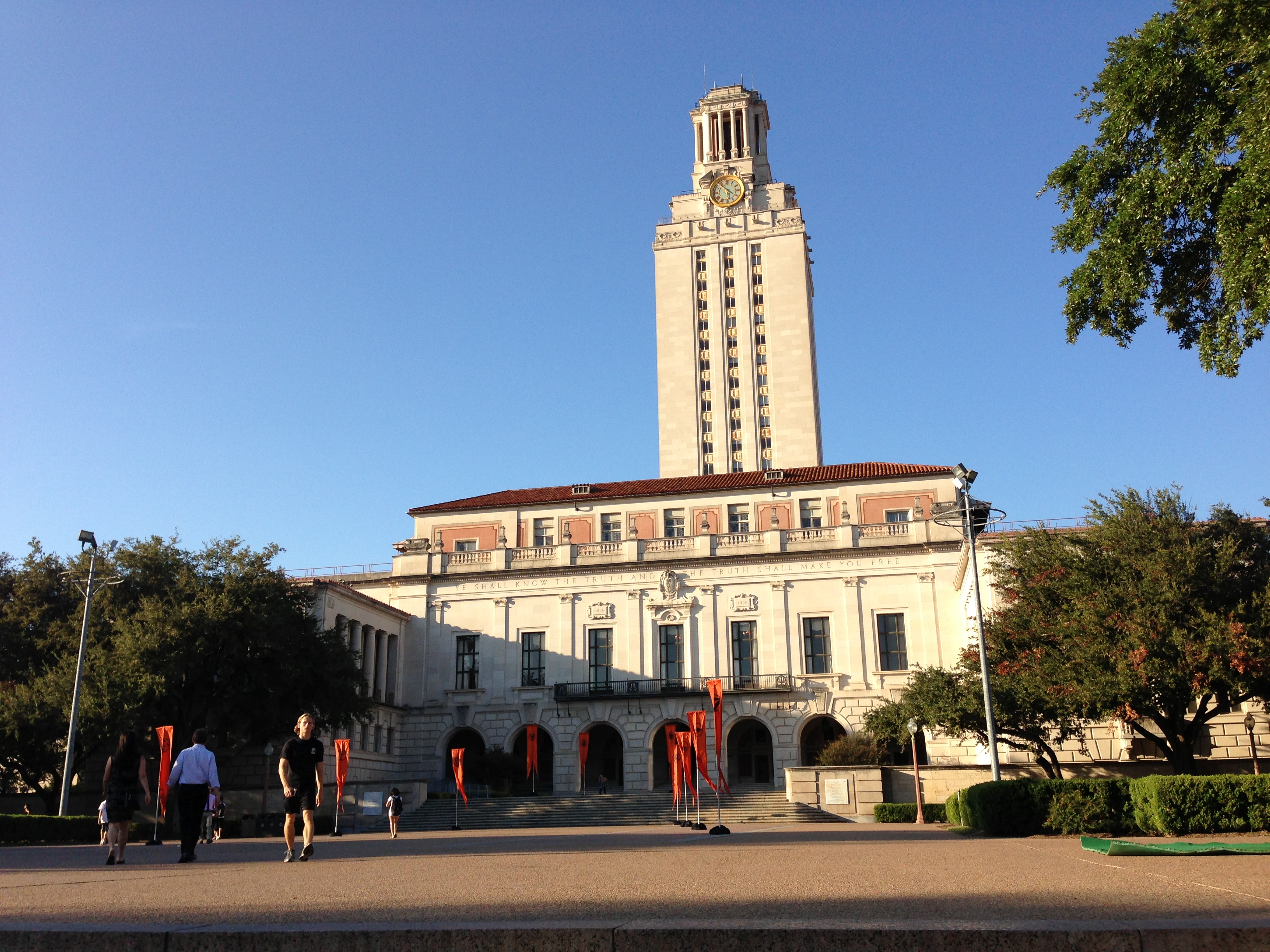
The UT Tower is one of Austin's most recognizable landmarks and has appeared in numerous films. The campus is open to visitors, and tower observation deck tours are available.
The legendary live music venue on South Congress has been a fixture of Austin's music scene since 1955 and appeared prominently in Terrence Malick's Song to Song. The club hosts live music nightly and is open to the public.
Austin's most walkable entertainment and shopping district has served as a backdrop for many productions. The stretch is lined with vintage shops, restaurants, and the iconic "I Love You So Much" mural.
The former Robert Mueller Municipal Airport, now a state-of-the-art production facility operated by the Austin Film Society. Austin Studios has hosted productions including Fear the Walking Dead, Walker, Machete Kills, and dozens of others. The facility is not open to the public for tours but is visible from the Mueller development's public areas.
The Texas Film Commission administers the Texas Moving Image Industry Incentive Program, which offers grants of up to 22.5% of eligible in-state spending for film, television, commercial, and video game productions. Additional incentives are available for productions that film in underutilized areas or hire Texas residents. These incentives, combined with Texas's lack of a state income tax, make the state one of the most financially attractive production destinations in the country.
Austin Studios and Infrastructure
The transformation of the old Mueller Airport into Austin Studios gave the city a world-class production facility with over 100,000 square feet of stage space, production offices, and support facilities. The complex, managed by the Austin Film Society, has attracted major productions that might otherwise have gone to Atlanta, New Mexico, or Los Angeles.
Geographic Diversity
Within an hour's drive of downtown Austin, a production can access rolling Hill Country, flat prairies, dense forests, rivers and lakes, small-town main streets, modern urban skylines, and the edge of the West Texas desert. This geographic diversity allows Austin to double for almost any American setting, from suburban Midwest to rural South to arid West.
The Crew Base
Decades of continuous production --- from Linklater's early films through major television series --- have built a deep pool of experienced crew in Austin. Cinematographers, gaffers, grips, production designers, costume designers, and post-production specialists all live and work in the city, meaning productions can staff locally rather than flying in crew from Los Angeles or New York.
SXSW and the Film Community
The SXSW Film Festival, held annually in March, has become one of the most important film events in the world. What began in 1994 as a scrappy showcase for independent films has grown into a major premiere destination that draws Hollywood stars, studio executives, and distributors to Austin every spring. SXSW's presence keeps Austin permanently connected to the national film industry and provides a built-in audience for locally produced work.
Austin's Creative Scene Beyond Film:
Austin's Iconic Murals — Many murals reference the same culture that drew filmmakers here
What is the most famous movie filmed in Austin, Texas?
Dazed and Confused (1993) is widely considered the most famous movie filmed in Austin. Directed by Richard Linklater, the coming-of-age film was shot at locations throughout the city, including Top Notch Hamburgers on Burnet Road and the moonlight towers in central Austin. The film launched Matthew McConaughey's career and has become a cultural touchstone with deep ties to Austin's identity.
How many movies have been filmed in Austin, Texas?
More than fifty major motion pictures and dozens of television series have been filmed in Austin and the surrounding Central Texas area. The city has been a production base since the late 1960s, with the pace of filmmaking accelerating significantly after Richard Linklater founded the Austin Film Society in 1985 and Robert Rodriguez established Troublemaker Studios in the 1990s.
Can you visit filming locations in Austin?
Yes. Many of Austin's most famous filming locations are open to the public. Top Notch Hamburgers (from Dazed and Confused), the moonlight towers, Barton Springs Pool, the Texas State Capitol, UT Austin campus, the Continental Club, South Congress Avenue, and Sixth Street are all accessible to visitors. Austin Studios, the production facility at the former Mueller Airport, is not open for public tours but is visible from the surrounding Mueller development.
Many of Austin's most famous filming locations are open to the public.
What directors live in Austin, Texas?
Several major filmmakers call Austin home. Richard Linklater has been based in the city since the mid-1980s and operates Austin Studios. Robert Rodriguez runs Troublemaker Studios in Austin. Terrence Malick has lived in the Austin area since the 1990s. Mike Judge, creator of Office Space, King of the Hill, and Silicon Valley, has been an Austin resident since the early 1990s.
Why do so many movies film in Austin?
Austin attracts film productions for several reasons: Texas offers generous film incentives (up to 22.5% of eligible spending), the city has world-class production facilities at Austin Studios, the surrounding geography is remarkably diverse (Hill Country, prairies, forests, lakes, urban skylines), there is a deep pool of experienced local crew built over decades of continuous production, and the SXSW Film Festival keeps the city permanently connected to the national film industry.
What TV shows were filmed in Austin?
Major television productions filmed in Austin include Friday Night Lights (2006--2011), Fear the Walking Dead (2015--2023), Walker (2021--2023), Love & Death (2023), Queen of the South (2016--2021), Panic (2021), and The Real World: Austin (2005). The city's production infrastructure, particularly Austin Studios, has made it an attractive home base for multi-season series.
Is Austin Studios open to the public?
Austin Studios, located at the former Robert Mueller Municipal Airport at 1901 East 51st Street, is a working production facility and is not open for public tours. However, the surrounding Mueller development is a public neighborhood with parks, restaurants, and shops, and you can see the studio buildings from the public areas.
What was the first movie filmed in Austin?
Tobe Hooper's experimental film Eggshells (1969) is generally considered the first feature film shot in Austin. Hooper, a UT Austin graduate, filmed the movie in a rented house near the university campus. He followed it with The Texas Chain Saw Massacre (1974), which was filmed in the Austin area and became one of the most influential horror films ever made.
Did Matthew McConaughey start his career in Austin?
Matthew McConaughey's breakout role was as Wooderson in Richard Linklater's Dazed and Confused (1993), filmed in Austin. McConaughey was a UT Austin student at the time and famously ad-libbed many of his lines, including the iconic "alright, alright, alright." He has maintained strong ties to Austin throughout his career and is a professor of practice at UT Austin's Moody College of Communication.
Matthew McConaughey's breakout role was as Wooderson in Richard Linklater's Dazed and Confused (1993), filmed in Austin.
What is the best time to visit Austin filming locations?
Austin's filming locations are accessible year-round, but spring (March--May) and fall (September--November) offer the most pleasant weather for exploring outdoor locations like Barton Springs Pool, the moonlight towers, and South Congress Avenue. Visiting during SXSW (typically mid-March) adds the excitement of the film festival, though the city is significantly more crowded and expensive during that period.

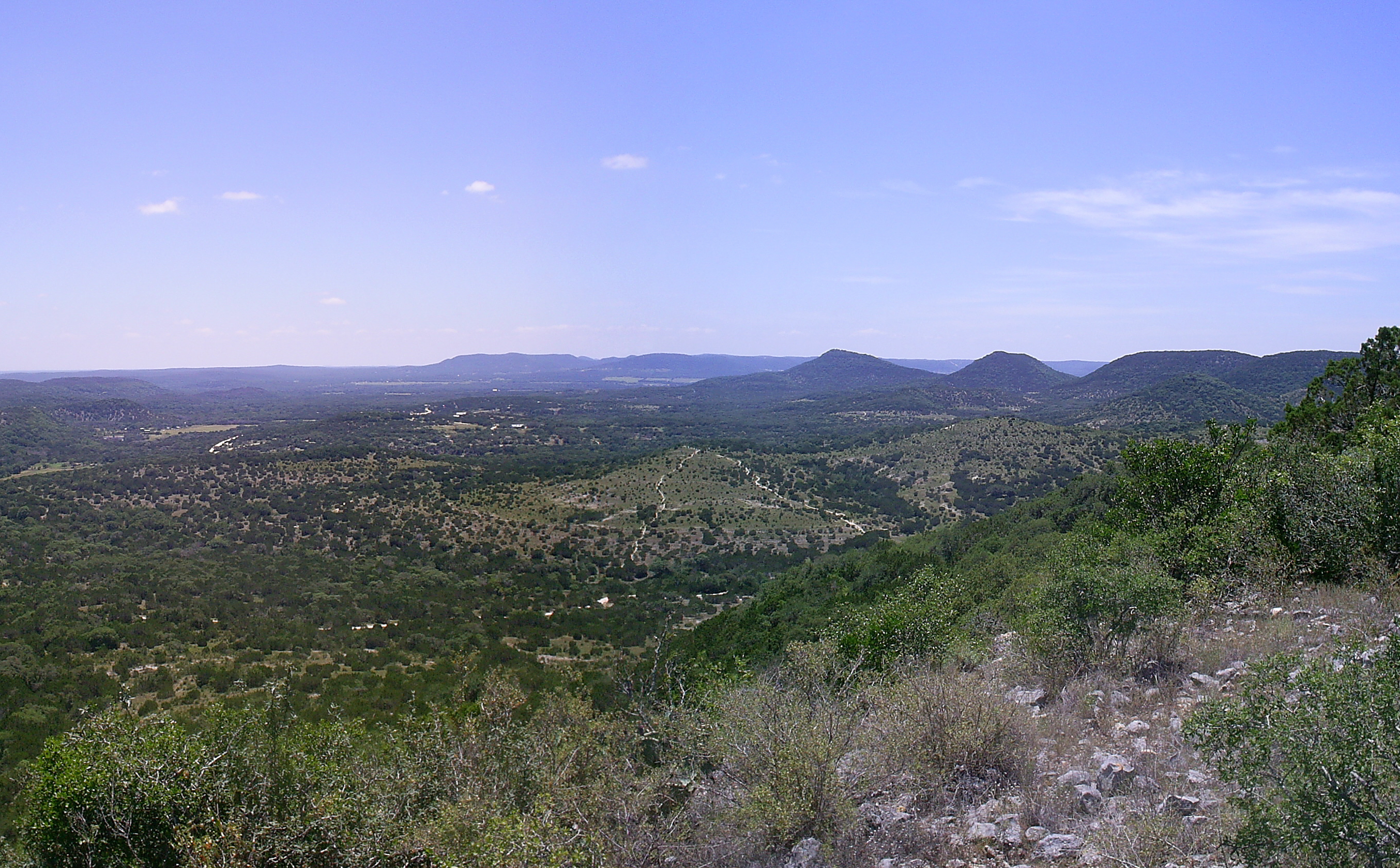 The Texas Hill Country west of Austin — a landscape that has doubled for everything from 1870s frontier territory to alien planets. Photo: Cody Ely via Wikimedia Commons (CC BY 4.0)
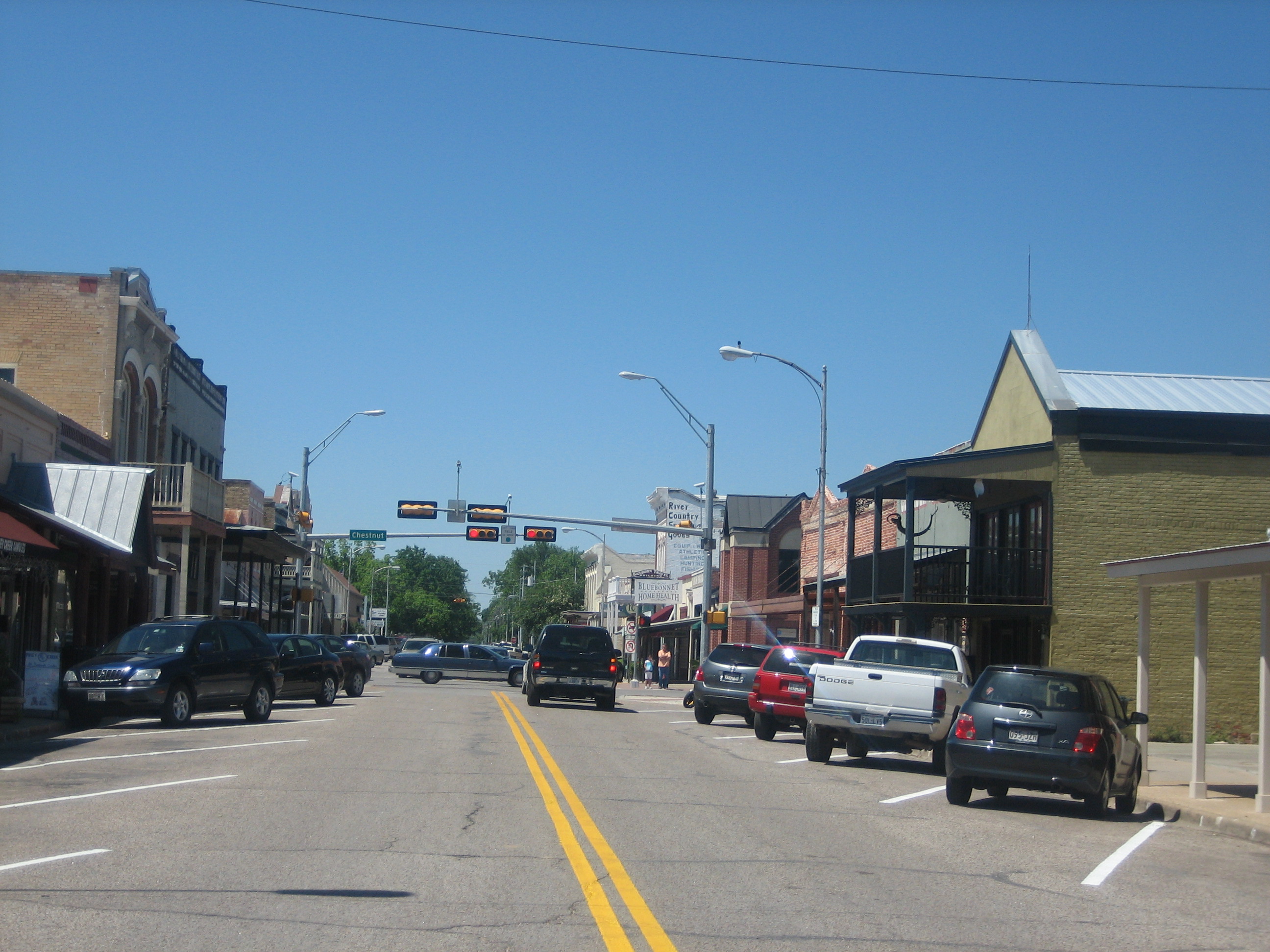 Downtown Bastrop, about 30 miles southeast of Austin — home to the relocated Gas Station from the film. Photo: Billy Hathorn via Wikimedia Commons (CC BY-SA 3.0)
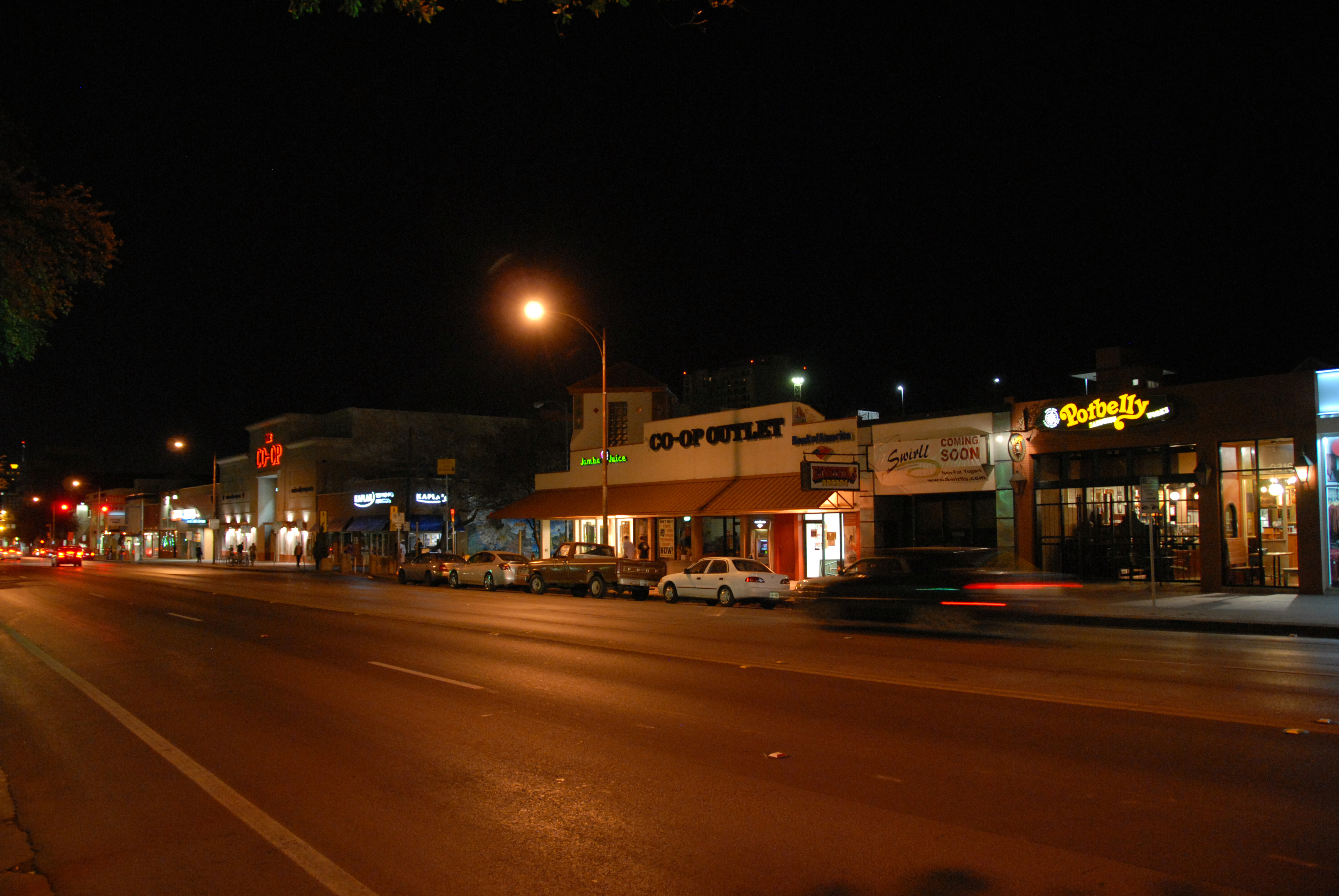 Guadalupe Street ("The Drag") near UT Austin, a key Slacker filming location. Photo: bigbirdz via Wikimedia Commons (CC BY 2.0)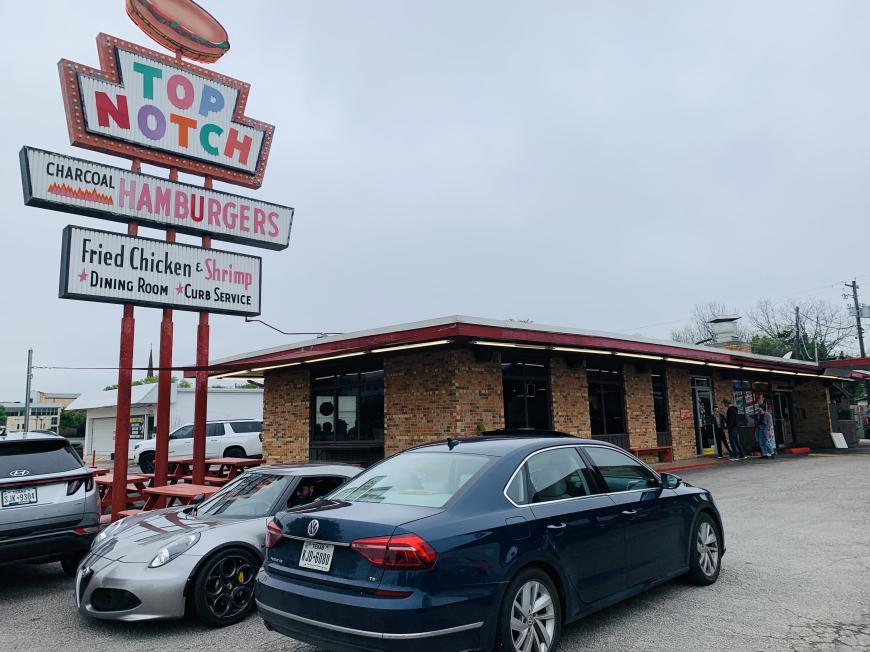

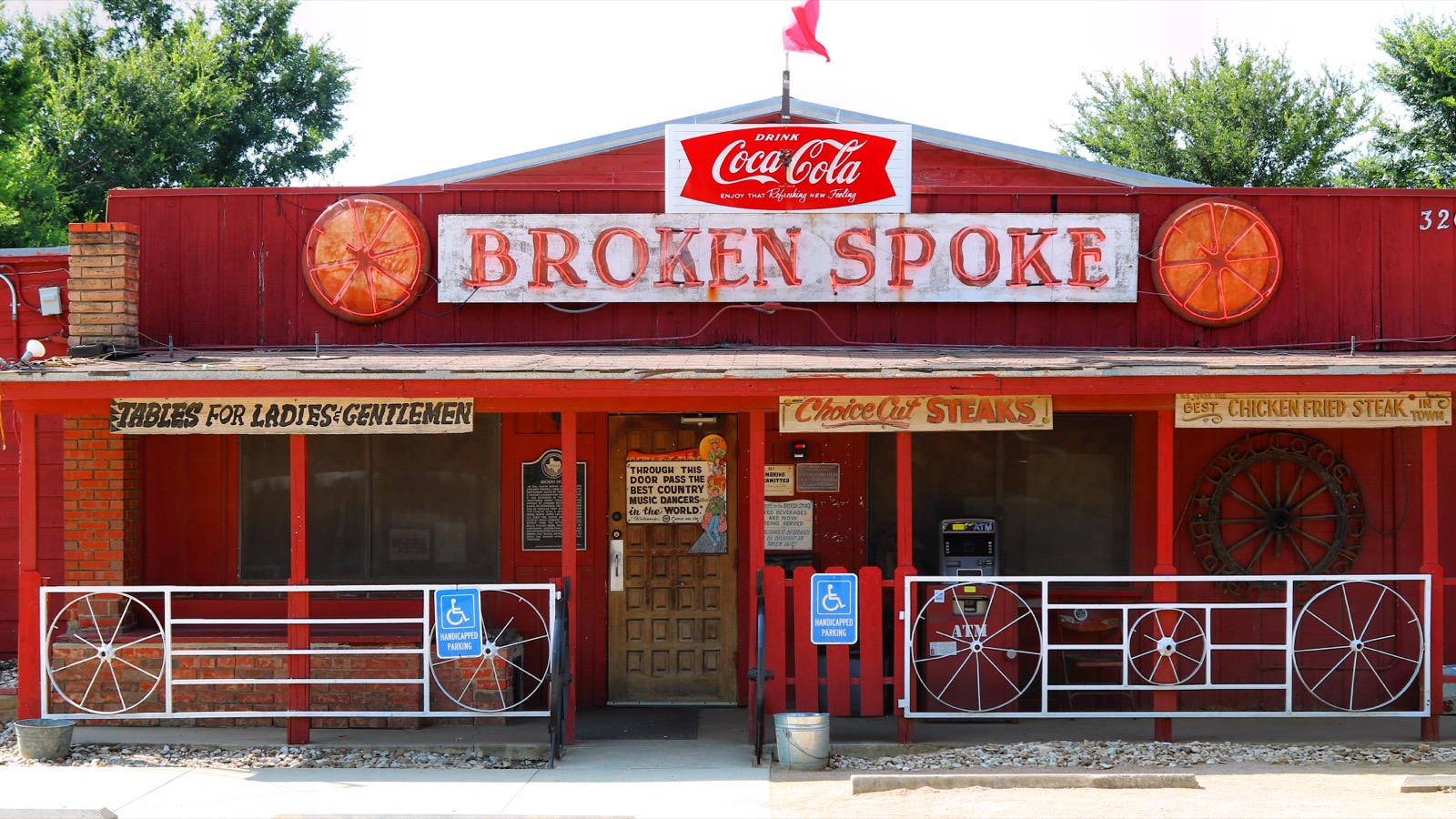 The Broken Spoke — Austin's legendary honky-tonk captures the neon-and-bar atmosphere of Blood Simple. Photo: Larry D. Moore via Wikimedia Commons (CC BY 4.0)
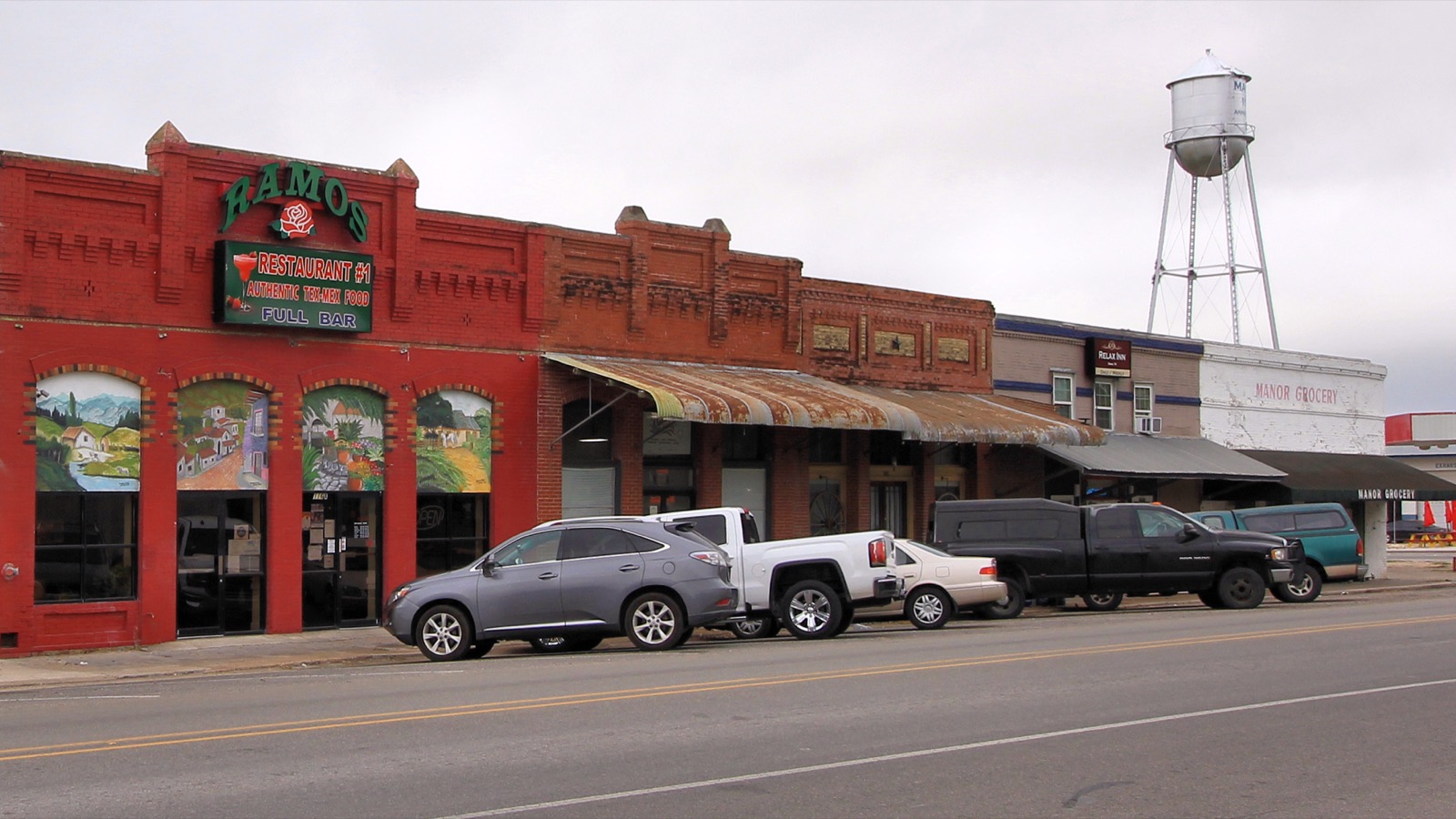 Downtown Manor, about 15 miles northeast of Austin — the small town that became Endora in the film. Photo: Larry D. Moore via Wikimedia Commons (CC BY 4.0)
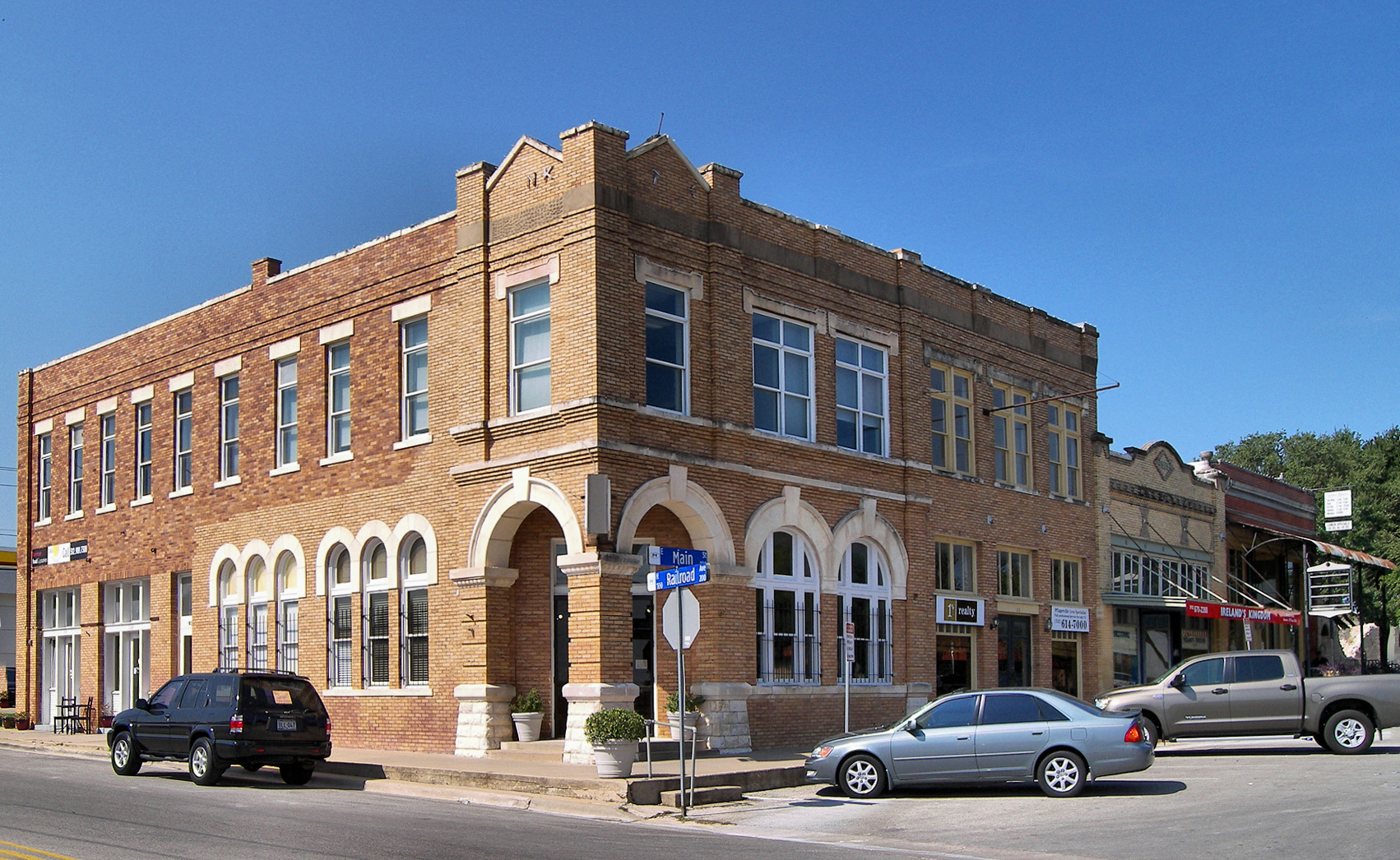 Pflugerville's historic district — part of the North Austin suburban landscape that Mike Judge satirized in Office Space. Photo: Larry D. Moore via Wikimedia Commons (CC BY 4.0)
 Austin Studios at the former Mueller Airport — home to Troublemaker Studios, where Rodriguez filmed Spy Kids and its sequels.
 Friday night football in Texas — the stadium-lit atmosphere that Berg captured at Austin-area high schools. Photo: Heidi Knapp via Wikimedia Commons (CC BY-SA 4.0)
 The Texas Hill Country west of Austin — the rugged terrain Tarantino used for Kill Bill's desert exteriors. Photo: 8bit12man via Wikimedia Commons (CC BY 4.0)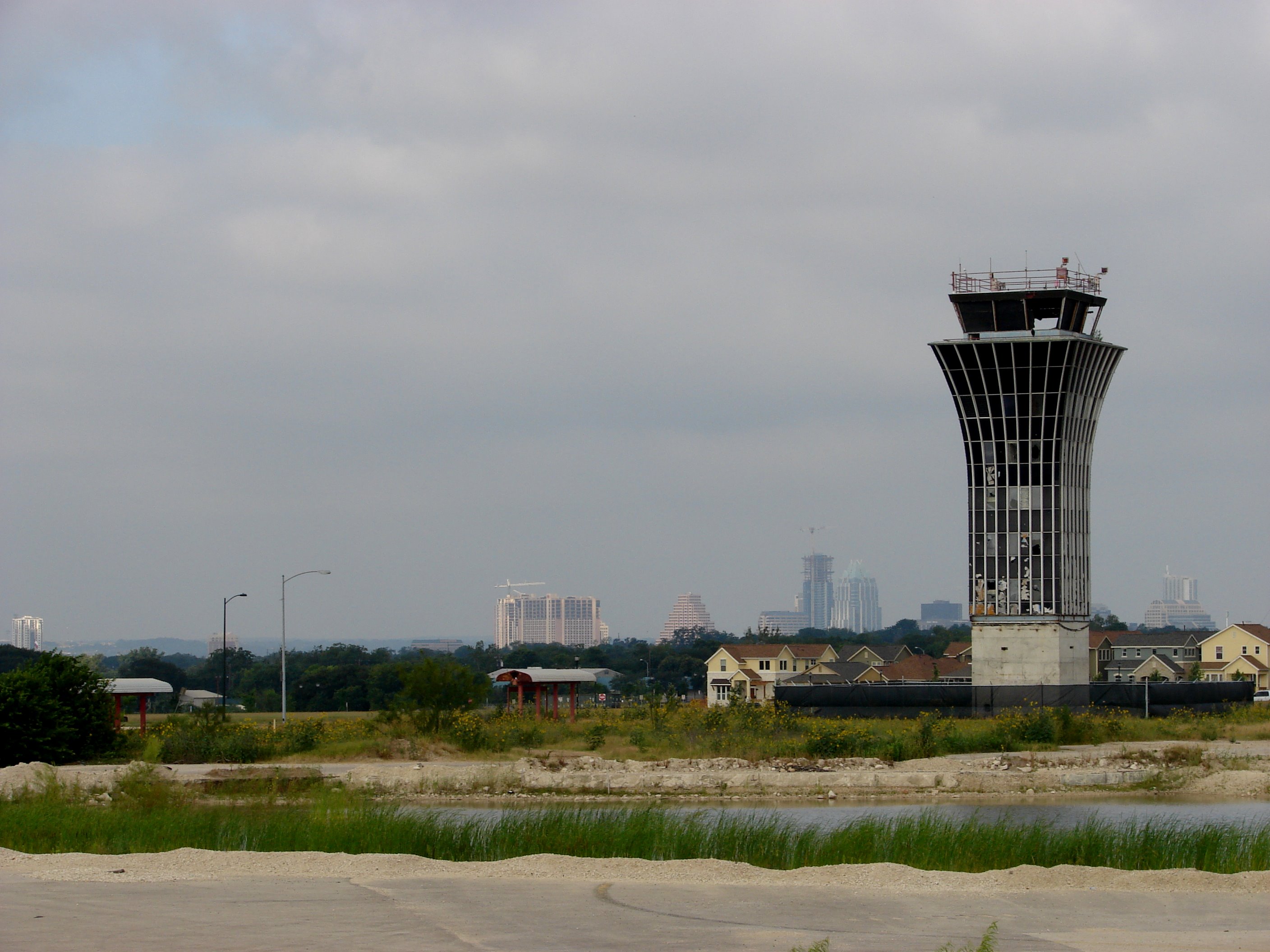
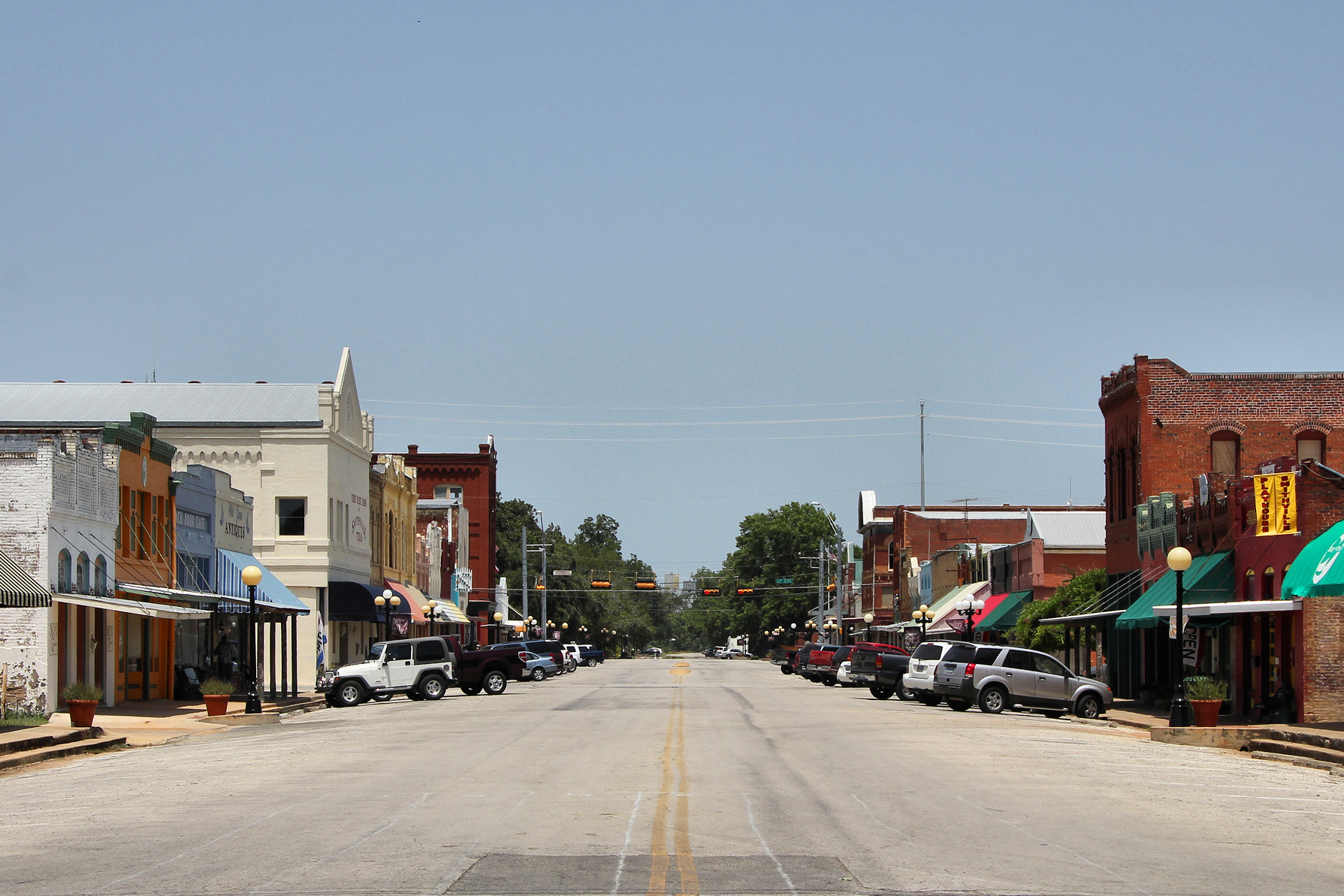 Main Street in Smithville, about 40 miles southeast of Austin — the 1950s architecture that Malick used for The Tree of Life. Photo: Larry D. Moore via Wikimedia Commons (CC BY 4.0)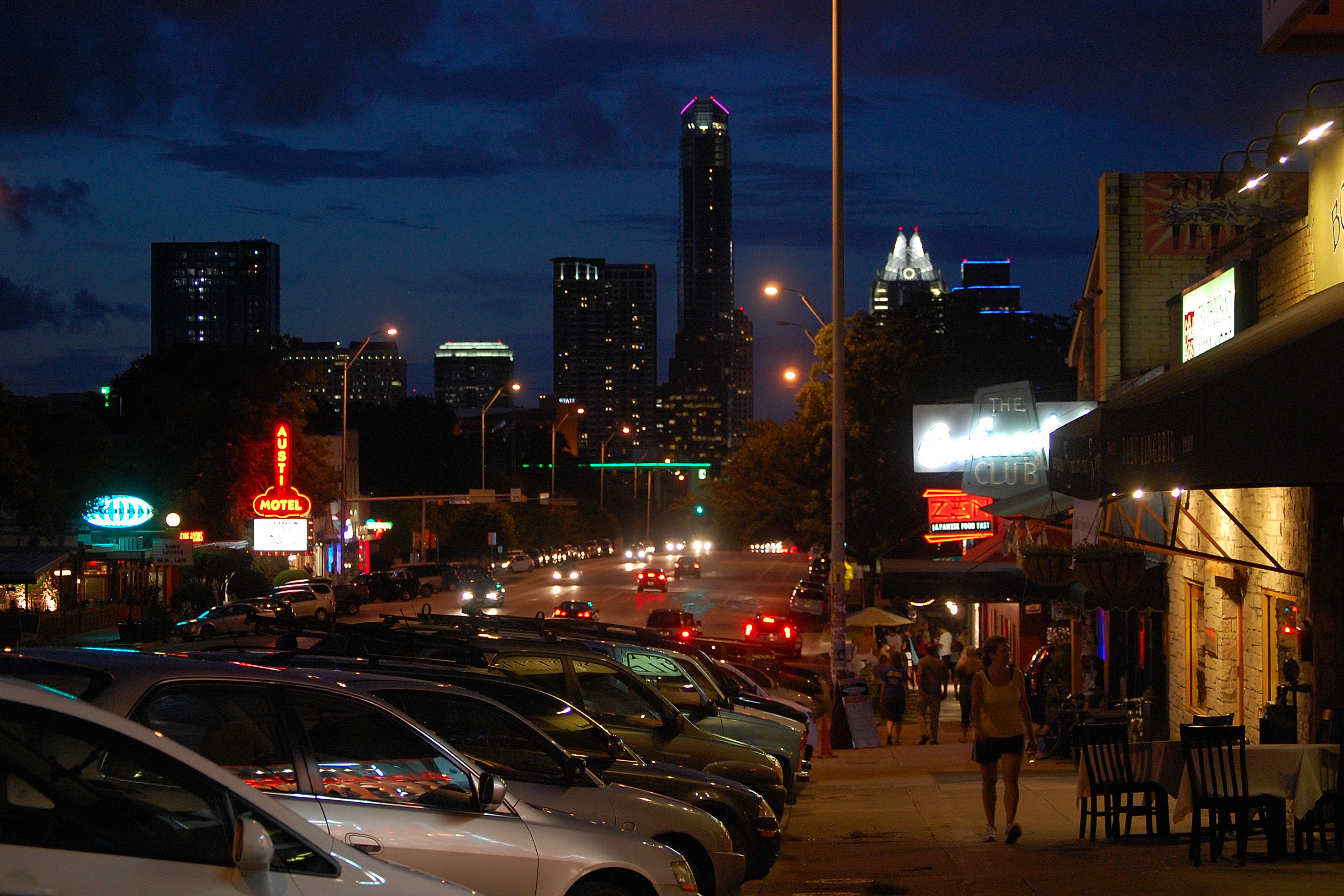


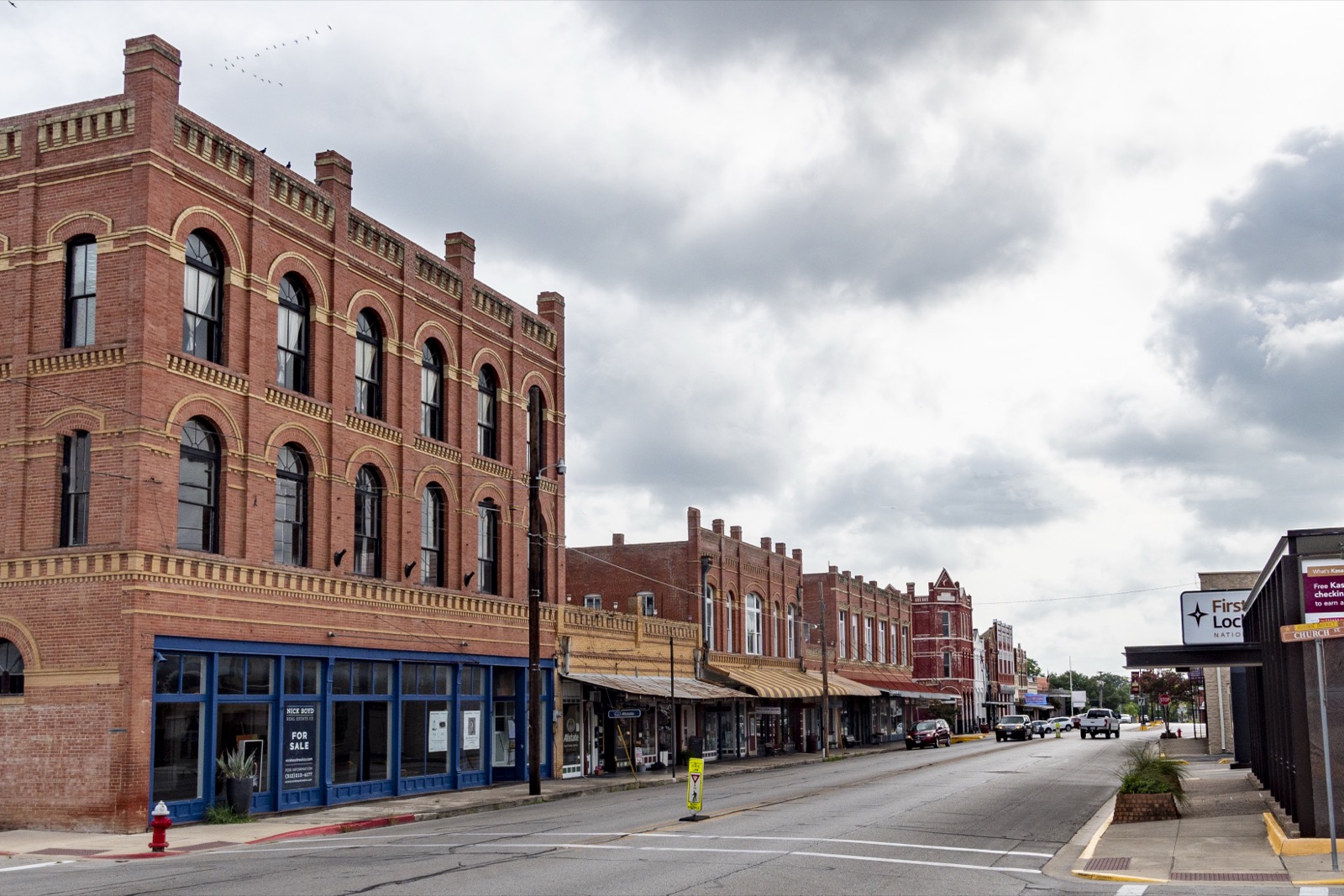 Downtown Lockhart — the small-town Texas architecture Linklater used for Bernie. Photo:
 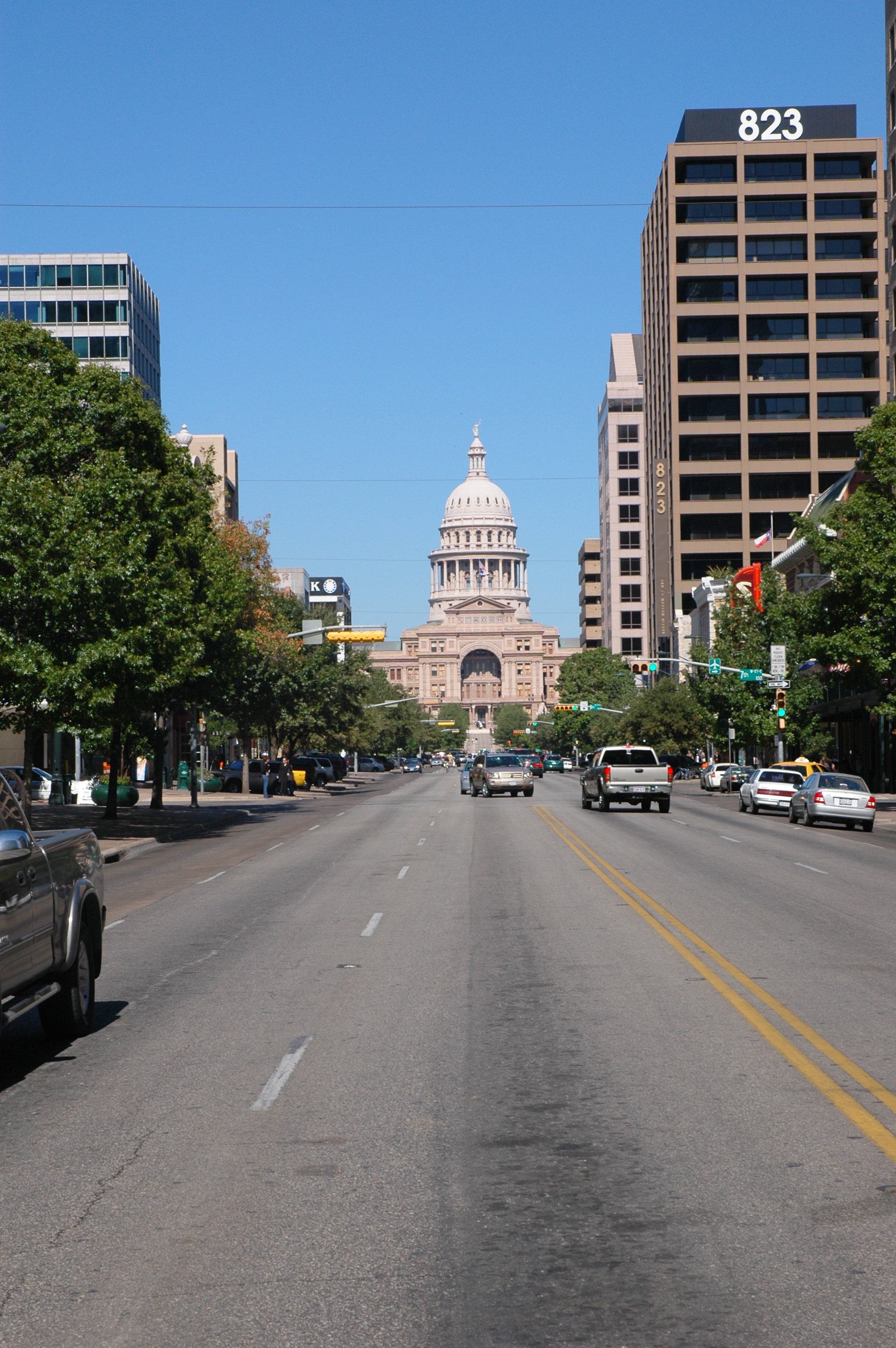 Congress Avenue looking toward the Capitol — Austin's most filmed street. Photo: Leon Fu via
 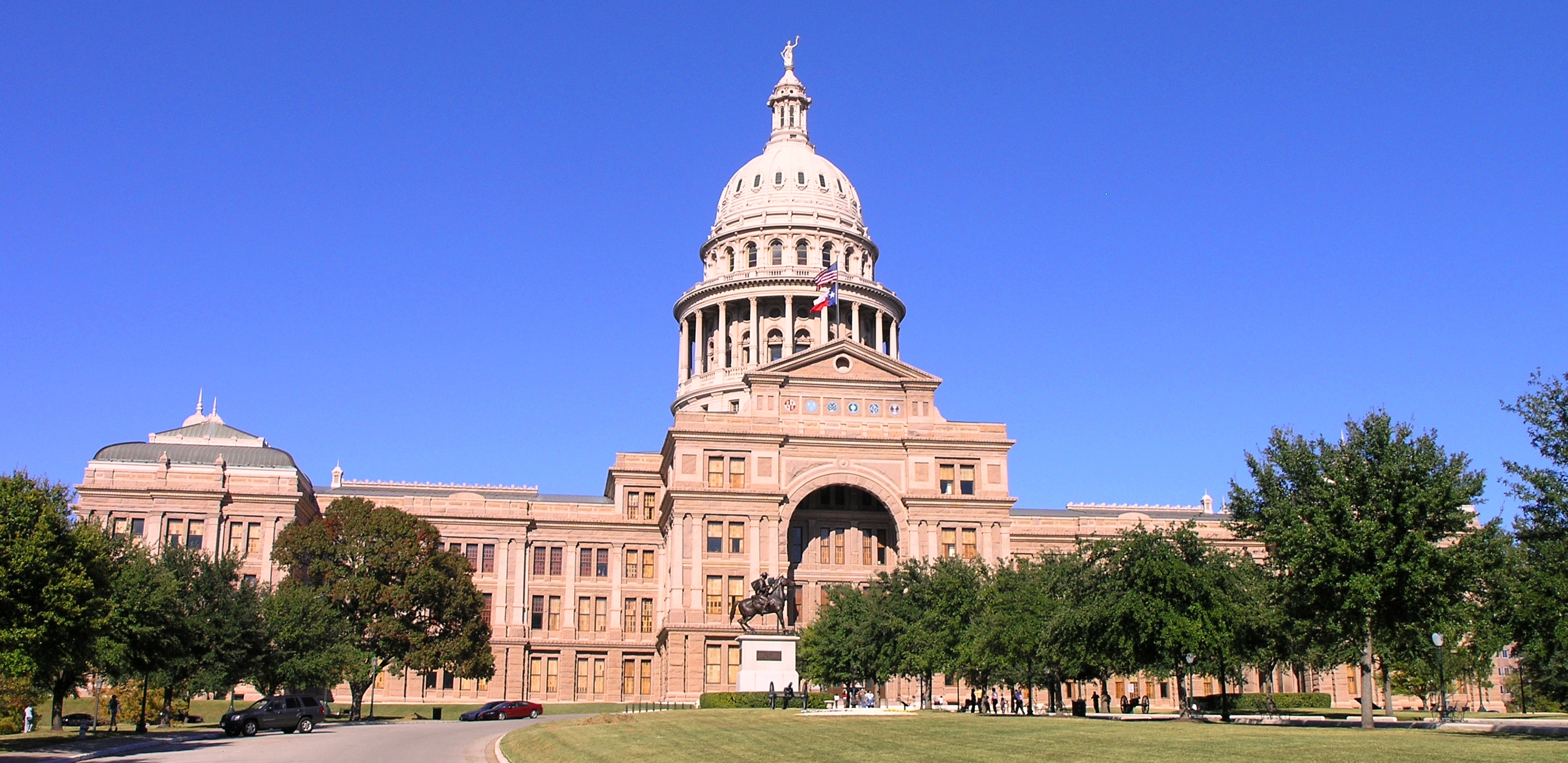 The Texas State Capitol — one of Austin's most filmed landmarks. Photo: Austin Gallery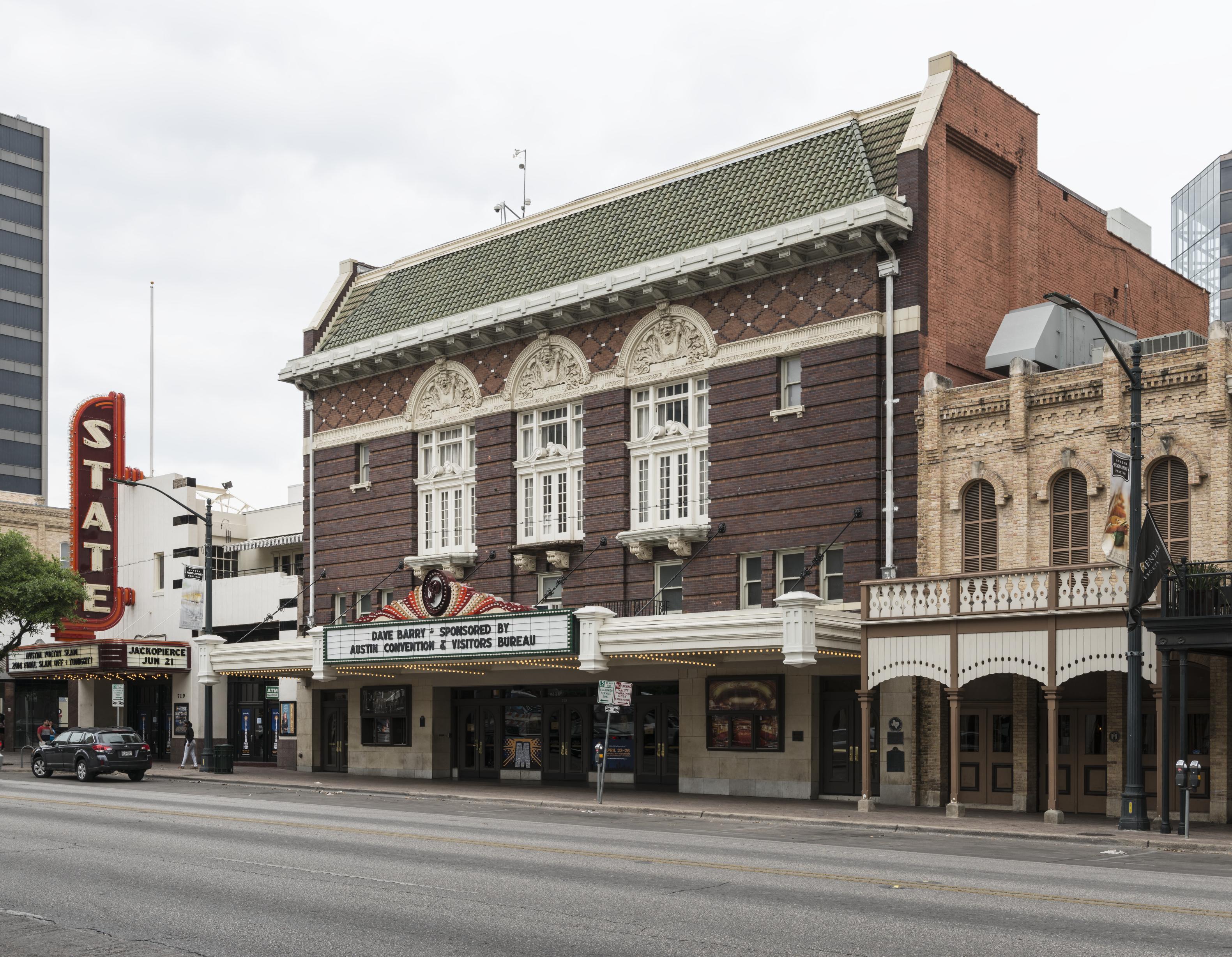
 Circuit of the Americas (COTA) — Austin's world-class racetrack and the best place to experience Ford v Ferrari's racing spirit. Photo:
 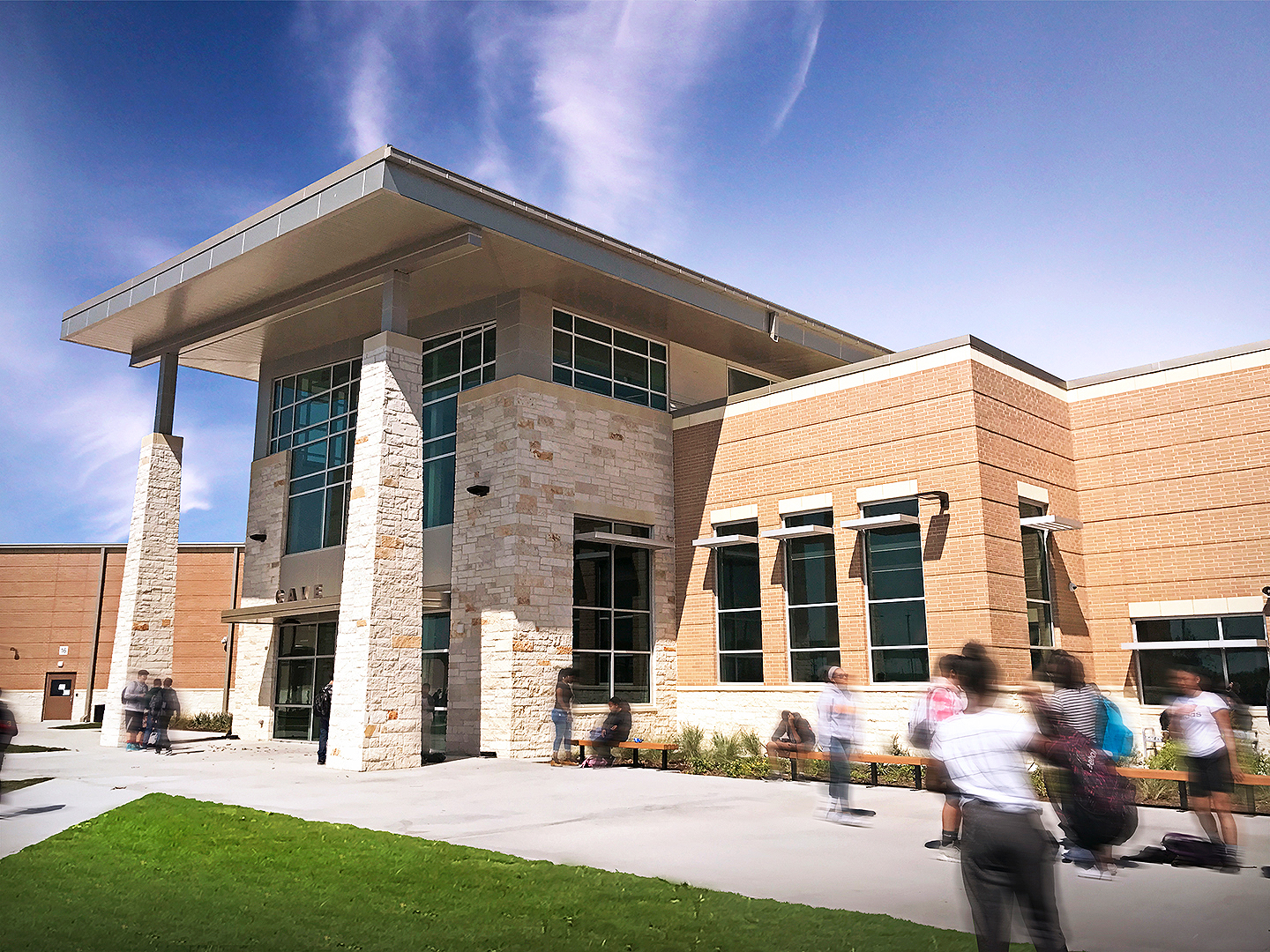 Pflugerville High School — its Kuempel Stadium was used for the Friday Night Lights pilot. Photo:
 Sixth Street, the bar-lined entertainment district that has appeared in dozens of productions.