12 Free Sculpture Gardens & Public Art in Austin 2026
UMLAUF, Laguna Gloria, and 10 hidden public art spots most Austinites walk right past. A local guide to free outdoor sculpture and art worth seeking out.
By Austin Gallery
Austin is a city that wears its art on its sleeve — and on its sidewalks, bridge pylons, park trails, and office plazas. While the live music capital label gets most of the attention, the city's public sculpture and outdoor art scene is one of the richest in the American South. From a world-class sculpture garden nestled along Barton Creek to massive steel installations anchoring new urban districts, Austin offers an extraordinary range of three-dimensional art experiences that are free or nearly free to explore. Whether you are an out-of-town visitor mapping a cultural itinerary, a longtime resident looking for a new weekend walk, or an artist researching what contemporary sculpture looks like in the wild, this guide covers every major destination worth your time. For a broader look at the local creative landscape, see our complete guide to the Austin art scene.
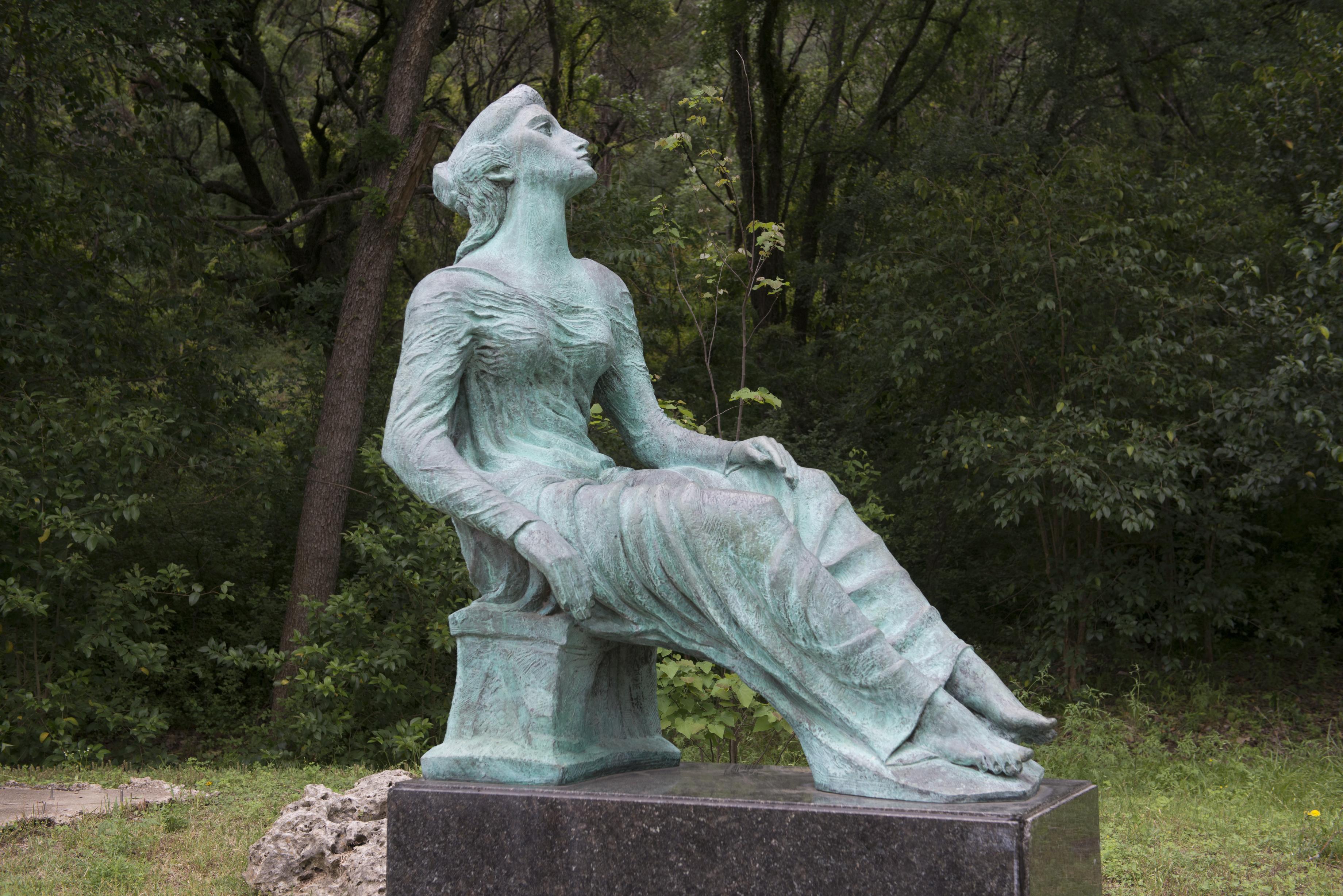
The UMLAUF Sculpture Garden & Museum is, without exaggeration, one of the most beautiful small sculpture parks in the country. Tucked into a shaded hillside at 605 Azie Morton Road, just south of Barton Springs Pool, the garden holds more than 170 works by American sculptor Charles Umlauf and a rotating selection of contemporary pieces spread across six acres of landscaped trails.
Charles Umlauf taught at the University of Texas for forty years, and in 1985 he and his wife Angeline donated their home, studio, and a vast body of work to the City of Austin. The resulting museum opened in 1991 and has been a quietly essential part of the city's cultural fabric ever since.
Charles Umlauf taught at the University of Texas for forty years, and in 1985 he and his wife Angeline donated their home, studio, and a vast body of work to the City of Austin.
What to See
The permanent collection spans Umlauf's full career — early figurative bronzes influenced by his studies under Albin Polasek, mid-career abstractions that echo Henry Moore and Barbara Hepworth, and late monumental works that anchor the garden's upper terrace. Key pieces to look for include Family Group, a larger-than-life bronze near the entrance that captures Umlauf's gift for warm, humanistic figuration, and Torso, a polished abstract form on the upper trail that catches the light beautifully in the late afternoon.
The indoor gallery rotates exhibitions several times a year, often pairing Umlauf's work with that of living Texas sculptors. Recent shows have explored ceramics, kinetic sculpture, and mixed-media installation, keeping the programming fresh even for repeat visitors.
Planning Your Visit
Address: 605 Azie Morton Road, Austin, TX 78704
Hours: Wednesday through Friday, 10 AM to 4 PM; Saturday and Sunday, 11 AM to 4 PM. Closed Monday and Tuesday.
Admission: $7 adults, $3 seniors and students, free for children under 6. Free admission on the first Tuesday of every month.
Accessibility: The lower garden paths are paved and wheelchair-accessible. The upper hillside trails involve steps and uneven ground. Staff are happy to discuss accessible routes at the front desk.
Best photo spots: The bronze figures framed by the creek-side bamboo grove; the upper terrace overlook with downtown skyline in the distance; the wisteria-covered arbor near the entrance in spring.
Parking: A small free lot is available on-site; street parking along Azie Morton Road is usually open on weekdays.
Allow at least ninety minutes. The garden rewards slow looking, and the Barton Creek greenbelt trailhead is a short walk south if you want to extend the outing.
Laguna Gloria — The Contemporary Austin Sculpture Park
Where Art Meets the Lake
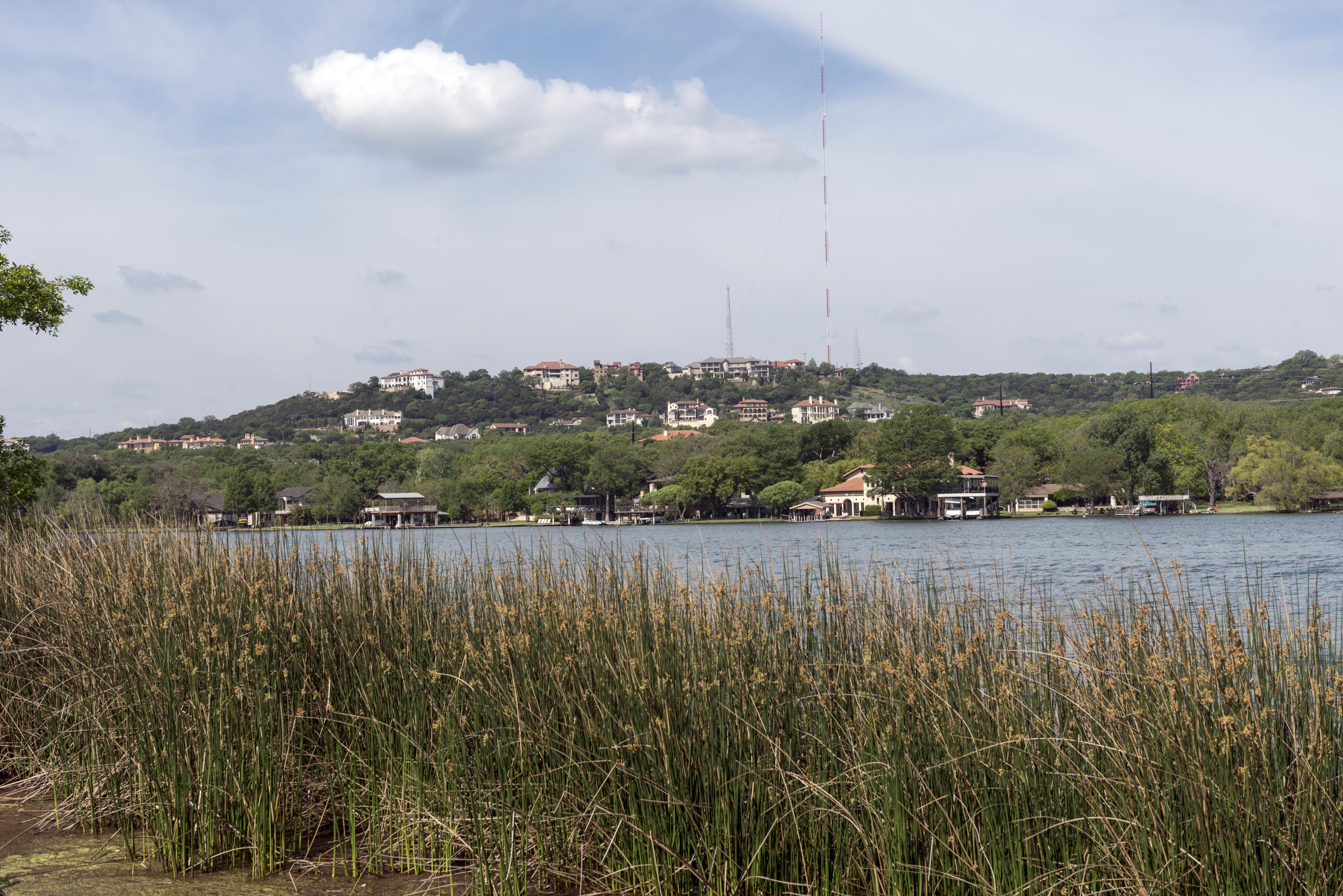
The Contemporary Austin at Laguna Gloria occupies one of the most dramatic settings of any art venue in Texas. The fourteen-acre sculpture park sits on the eastern shore of Lake Austin at 3809 West 35th Street, centered around the 1916 Italianate villa that once served as the original Austin Museum of Art.
Today the grounds function as an outdoor sculpture park with a rotating roster of large-scale, site-specific commissions. The institution pairs its Laguna Gloria campus with a downtown Jones Center gallery, but the lakeside park is the destination that stays with you.
Key Installations
The Contemporary commissions new outdoor works regularly, so the landscape shifts from year to year. Past and recent highlights include:
Ai Weiwei, Forever Bicycles — a towering lattice of interconnected steel bicycles that's become one of the most photographed works in Austin
Beili Liu — delicate hanging installations threaded among the heritage oaks, creating translucent curtains that shift with the wind
Orly Genger — massive rope-based sculptures that transform the shoreline into something between architecture and textile art
The permanent Betty and Edward Marcus Sculpture Park trail winds from the villa through native Texas landscaping down to the waterline. Purpose-built platforms and clearings frame each commissioned piece against the lake. Even between major installations, the walk is worth it for the old-growth trees, limestone outcroppings, and views across the water.
Planning Your Visit
Address: 3809 West 35th Street, Austin, TX 78703
Hours: Wednesday through Sunday, 11 AM to 5 PM. Open until 9 PM on select Thursdays for evening programming. Closed Monday and Tuesday.
Admission: $15 adults, $10 seniors and students, free for members and children under 18. Free community days are offered periodically — check the website.
Accessibility: The main sculpture trail is gravel and packed earth with moderate slopes. The villa and adjacent terraces are wheelchair-accessible. An accessibility golf cart is available by request.
Best photo spots: The villa framed through the pecan allée; any lakeside installation at golden hour; the stone steps descending toward the water.
Parking: Free lot on-site, but it fills quickly on weekends. Arrive before noon or consider rideshare.
For deeper reading on Austin's most important sculpture destinations, our guide to the best sculpture gardens in Austin provides additional context on seasonal programming and membership options.
University of Texas Campus Public Art
An Open-Air Museum You Can Walk Through for Free
The University of Texas at Austin campus is home to one of the largest university public art collections in the United States. The Landmarks program, launched in 2008, has placed more than forty significant works across the Forty Acres and surrounding campus buildings — all free and accessible to the public.
Must-See Pieces
Mark di Suvero, Clock Knot — A massive painted-steel I-beam sculpture at the corner of Speedway and 23rd Street. Di Suvero is one of the most important living American sculptors, and this piece is a muscular, joyful tangle of red steel that anchors the east side of campus.
Nancy Rubins, Monochrome for Austin — An explosion of aluminum canoes and small boats welded into a gravity-defying cluster outside the Dell Medical School. It is one of the most photographed works on campus and feels impossible from every angle.
James Turrell, The Color Inside — A Skyspace installation atop the Student Activity Center. Free timed-entry tickets are required and tend to book up, so plan ahead. The experience is best at sunrise or sunset, when Turrell's LED program interacts with the changing sky.
Sol LeWitt, Circle with Towers — A white-painted concrete block structure near the Gates-Dell Complex that exemplifies LeWitt's conceptual rigor. Walk around it slowly; the geometry shifts with every step.
Ursula von Rydingsvard, Ona — A towering cedar sculpture near the AT&T Conference Center that brings organic, hand-carved texture into an otherwise glass-and-steel corridor.
Planning Your Visit
Address: Various locations across the UT Austin campus, roughly bounded by Guadalupe Street, I-35, MLK Jr. Boulevard, and 26th Street.
Hours: Outdoor works are accessible 24/7. The Turrell Skyspace requires reservations.
Admission: Free.
Accessibility: Most works are sited along paved campus walkways and are wheelchair-accessible. The Landmarks website offers a downloadable map with accessibility notes.
Best photo spots: Clock Knot against a blue sky from the southeast corner; Monochrome for Austin from directly below looking up; The Color Inside during the sunset light sequence.
Download the free Landmarks walking tour map from the website and give yourself at least two hours to cover the highlights.
Austin Art Insider
Free weekly guide to galleries, exhibitions & collecting in Austin.
Gear for a Sculpture Garden Day
You'll be walking outdoors for hours. Here's what we bring:
GorillaPod Flexible Phone Tripod — wraps around railings and branches for low-angle shots of sculptures. Essential for capturing large-scale works without lens distortion.
Hydro Flask 32 oz Wide Mouth — Austin sculpture gardens have limited shade. Stay hydrated, especially at Laguna Gloria and the UT campus walk.
Anker Portable Charger (10,000mAh) — a full day of photos drains your battery fast. This is small enough to pocket and holds 2+ full charges.
H&B 50-Piece Sketching Kit — if you draw, this compact kit with graphite pencils, charcoal, and a sketchbook fits in a daypack. Sketching sculptures in person teaches you things photos can't.
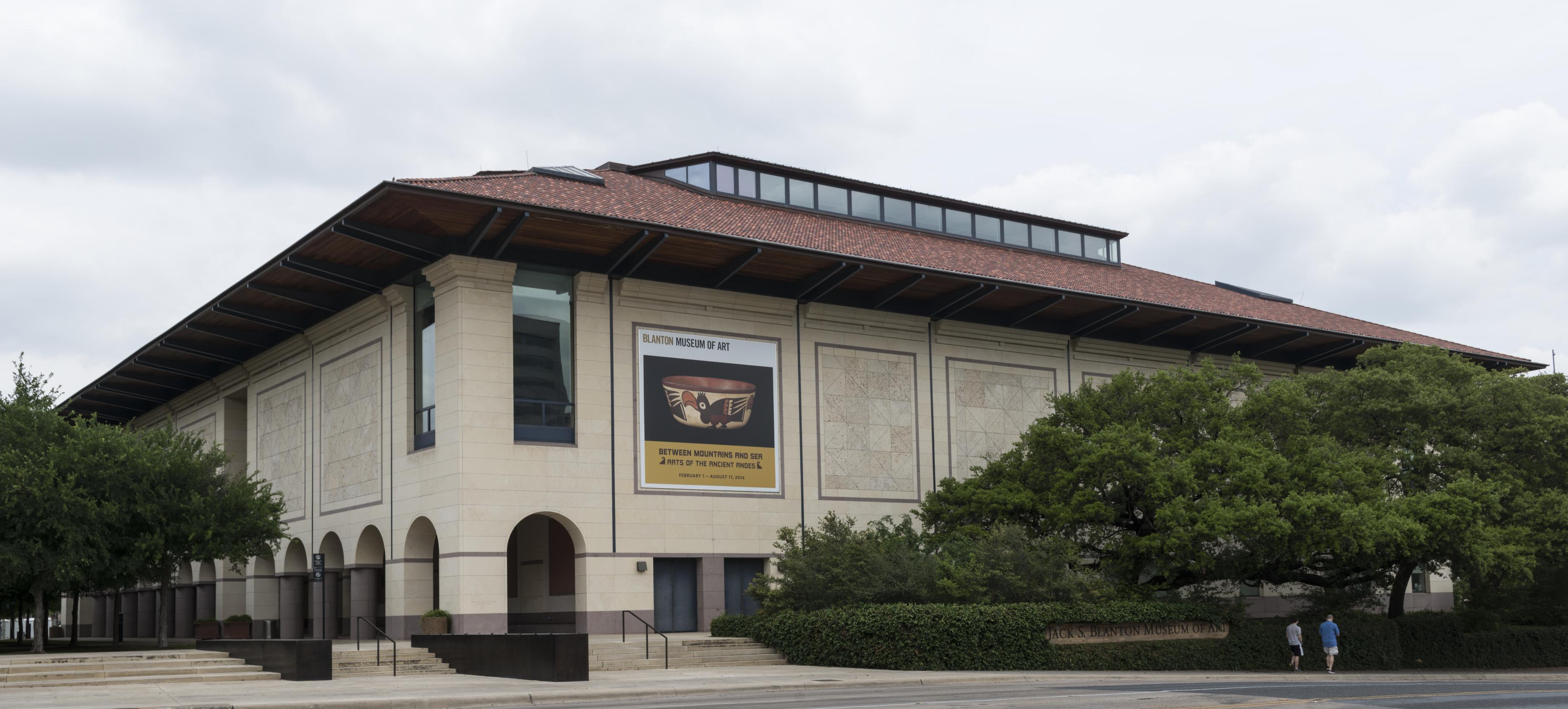
The Blanton Museum of Art anchors the southern edge of UT Austin's Landmarks public-art collection — start your campus sculpture walk here.
The Pfluger Pedestrian Bridge, spanning Lady Bird Lake near Lamar Boulevard, has become an informal outdoor gallery. The bridge itself is a clean steel-and-concrete span popular with joggers and cyclists, but the surrounding stretch of the Ann and Roy Butler Hike-and-Bike Trail features several notable art installations.
Look for the Austin Bouldering Wall murals on the south shore, the rotating temporary art installations on the bridge pylons organized through the Art in Public Places program, and the informational sculptural markers along the trail that interpret the ecology of Lady Bird Lake. The area around the bridge's south landing also hosts periodic pop-up sculpture exhibitions tied to SXSW and the East Austin Studio Tour.
Address: Pfluger Pedestrian Bridge, accessible from the Butler Trail near 200 Lee Barton Drive (south) or 901 W Riverside Drive (north).
Hours: Open 24/7 (the bridge is lit at night).
Admission: Free.
Accessibility: The bridge and trail are fully paved and wheelchair-accessible.
Best photo spots: Downtown skyline reflected in the lake from mid-bridge at dusk; the south-shore approach framed by bald cypress trees.
Seaholm District Public Art
The Seaholm District, built around the repurposed Seaholm Power Plant at 100 West Cesar Chavez Street, features an intentional public art program woven into its mixed-use development. The district's centerpiece is the power plant building itself — a 1950s Art Deco industrial structure that has been preserved and integrated into the retail and office complex.
Scattered through the plazas and pedestrian corridors you will find commissioned sculptures, interactive light installations, and site-specific pieces that reference the building's industrial heritage. The adjacent Shoal Creek Trail connection adds several more sculptural waypoints as it heads north toward the West Sixth Street corridor.
Address: 100 West Cesar Chavez Street, Austin, TX 78701
Hours: Public spaces accessible 24/7; retail hours vary.
Admission: Free.
Accessibility: Fully ADA-accessible plazas and sidewalks throughout.
Best photo spots: The original Seaholm smokestack framed against modern glass towers; the plaza water feature at night when the LED installations are active.
East Austin: Where Murals Blur into Sculpture and Installation
East Austin is famous for its murals, and our guide to Austin murals and street art covers that scene in depth. But some of the most exciting outdoor art on the east side pushes beyond flat walls into three-dimensional territory.
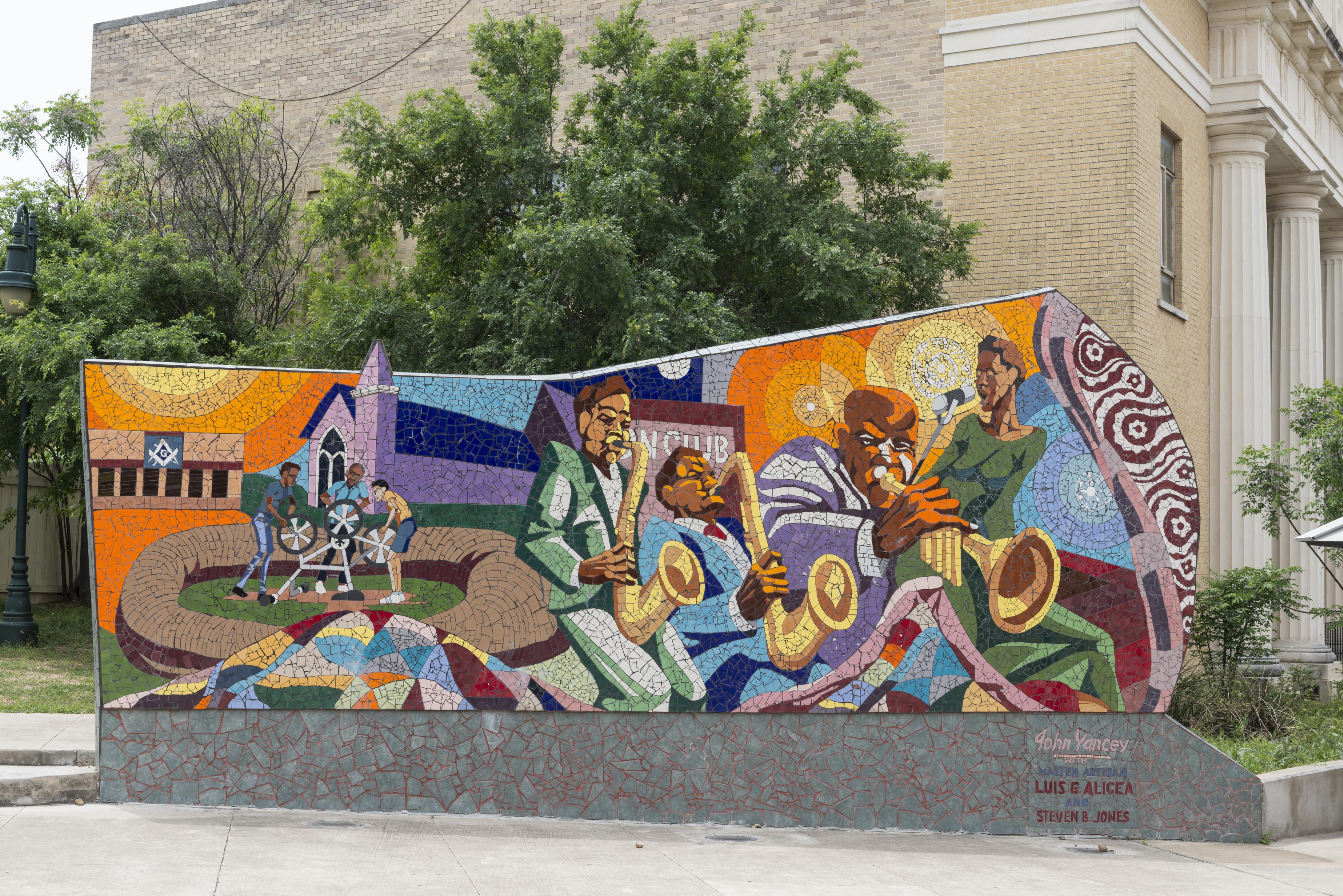
Along East Cesar Chavez Street and the surrounding blocks, artists have mounted welded-steel installations on building facades, constructed mosaic-covered concrete benches that double as sculptural seating, and built full kinetic assemblages from reclaimed materials in vacant lots and community gardens. The HOPE Outdoor Gallery legacy — though the original Baylor Street site was demolished — lives on in the east side's DIY sculptural energy.
Look specifically at the corridor between East 6th Street and East Cesar Chavez from Chicon Street east to Springdale Road. Galleries like Pump Project and grayDUCK regularly extend exhibitions into outdoor and semi-outdoor spaces, creating a rotating landscape of installation work that changes season to season.
Hours: Public artworks visible 24/7. Gallery hours vary.
Admission: Free for outdoor works.
Accessibility: Sidewalks vary in condition. Most major murals and installations are viewable from paved surfaces.
Best photo spots: The sculptural metalwork along East Cesar Chavez near Comal Street; the mosaic benches in the community pocket parks off Chicon.
The Mueller neighborhood, built on the site of the former Robert Mueller Municipal Airport at 4550 Mueller Boulevard, has one of the most ambitious public art programs of any planned development in Texas. The Mueller master plan dedicated a percentage of construction costs to art, resulting in dozens of permanent installations integrated into parks, streetscapes, and building facades across the district.
Highlights
Ai Weiwei, Forever Bicycles — Yes, another Austin installation by Ai Weiwei. The Mueller version is a freestanding outdoor piece near the Thinkery children's museum, distinct from the Laguna Gloria commission.
Patrick Dougherty, Lean On Me — A woven-sapling installation (when active — Dougherty's organic works have a natural lifespan and are periodically recommissioned).
Rachel Feinstein and various artists in the Aldrich Street retail corridor, where sculptural bike racks, artistic wayfinding totems, and integrated facade reliefs make the everyday streetscape more playful.
John Christensen, Jet Stream — A stainless-steel sculpture referencing the site's aviation history, located in Mueller's Lake Park.
Planning Your Visit
Address: Mueller Boulevard and Aldrich Street, Austin, TX 78723 (the development spans roughly from I-35 to Berkman Drive, and from 51st Street to Airport Boulevard).
Hours: Public spaces accessible 24/7.
Admission: Free.
Accessibility: Mueller was designed with full ADA compliance. Wide sidewalks, curb cuts, and accessible park paths throughout.
Best photo spots: Lake Park with the downtown skyline in the distance; the Aldrich Street corridor at golden hour; the Thinkery plaza with children interacting with the sculptures.
Domain NORTHSIDE Art Installations
The Domain NORTHSIDE mixed-use district at 11600 Rock Rose Avenue in North Austin has invested in a curated public art program that brings color and texture to its upscale retail and residential environment. The art here skews contemporary and playful — large-scale painted metal sculptures, interactive LED light walls, and whimsical commissioned pieces that invite selfies and social-media sharing.
Notable installations include oversized geometric sculptures along Rock Rose Avenue, a rotating mural wall program that sometimes extends into three-dimensional relief, and seasonal temporary installations tied to holidays and cultural events. The Domain NORTHSIDE website lists current art programming.
Address: 11600 Rock Rose Avenue, Austin, TX 78758
Hours: Public spaces accessible 24/7; retail hours vary.
Admission: Free.
Accessibility: Fully ADA-accessible sidewalks, plazas, and parking structures throughout.
Best photo spots: Rock Rose Avenue at night when the LED installations glow; the central plaza fountain area with sculptures in the background.
Planning a Sculpture and Public Art Day in Austin
If you want to see as much as possible in a single day, here is a suggested route that moves roughly south to north:
Morning: Start at the UMLAUF Sculpture Garden when it opens. Spend ninety minutes on the trails, then walk over to Barton Springs for a quick dip or coffee at the nearby food trucks.
Late morning: Drive to Laguna Gloria (about fifteen minutes). Walk the sculpture park trail down to the lake and back.
Lunch: Head to East Austin — grab lunch on East Cesar Chavez and walk the mural and installation corridor between Chicon and Springdale.
Early afternoon: Drive to the UT campus. Park near the AT&T Conference Center and do the Landmarks walking tour. If you booked a Turrell Skyspace ticket, time it for the late-afternoon session.
Late afternoon: Walk or bike the Butler Trail to Pfluger Bridge, catching the trail art and downtown skyline.
Evening: Finish at Mueller for a sunset walk around Lake Park, or head to Domain NORTHSIDE for dinner with art-filled surroundings.
Visiting from Out of Town?
Most of the stops above are free — but the logistics of a sculpture-and-public-art day work best with the right base camp and a guided complement to your DIY route.
Where to stay: An East Austin or South Lamar Vrbo rental gets you within 10 minutes of UMLAUF and walking distance of the East Austin mural-and-installation corridor. For boutique-hotel feel, Booking.com's Austin map covers the South Congress and Rainey Street properties closest to the Pfluger Bridge art corridor.
Guided complements: If you'd rather not navigate parking and tour timing yourself, GetYourGuide's Austin tours include downtown public-art walking tours and Lady Bird Lake bike loops that cover the Butler Trail sculpture sites with context you won't get from the placards.
Austin's commitment to public sculpture is not just an amenity — it reflects and reinforces the city's deep collecting culture. Seeing a Mark di Suvero on campus or an Ai Weiwei in a neighborhood park normalizes living with art. It sparks curiosity about materials, scale, and craftsmanship. And for collectors, it builds visual literacy that translates directly into smarter decisions when acquiring work for the home.
Austin's commitment to public sculpture is not just an amenity — it reflects and reinforces the city's deep collecting culture.
At Austin Gallery, we see this connection every day. Clients who have spent years walking past the UMLAUF bronzes or the Landmarks pieces arrive with a sophisticated eye and a genuine enthusiasm for sculpture, painting, and mixed media. If you are thinking about selling art from an estate or personal collection, that same local appetite is what drives demand for the consignment services we provide — learn more about the history of Austin's art scene and how it shapes today's market.
Austin's outdoor art is free, open, and waiting. Bring comfortable shoes, a charged phone for photos, and a willingness to look slowly. The city rewards it.
Books That Deepen Your Visit
These are worth reading before or after a sculpture day in Austin:
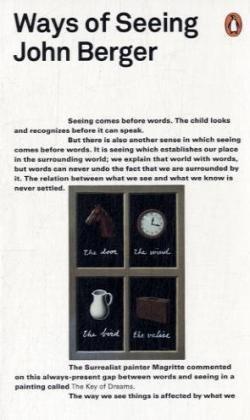
Ways of Seeing by John Berger — changes how you look at all art, especially public sculpture in communal spaces. Short, powerful, under $10.
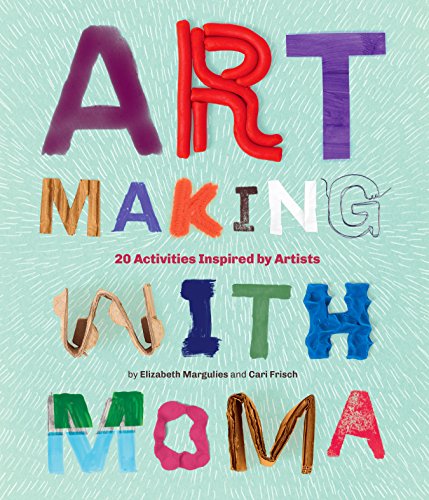
Art Making with MoMA — if you're bringing kids, this museum activity book gives them structured ways to engage with what they're seeing instead of just staring at their phones.
Share
Austin Art Insider
Free weekly guide to galleries, exhibitions & collecting in Austin.
Consignment
Have Art You Want to Sell?
Free appraisals, zero upfront fees, nationwide service from Austin, Texas.

 The
The