A Comprehensive History of Austin's Art Scene: From Counterculture to Cultural Capital (Local History)
From the Armadillo World Headquarters to Ellsworth Kelly's Austin, explore the complete history of how a sleepy state capital became one of America's most distinctive art communities.
By Austin Gallery Team
Austin's art scene didn't always exist. Fifty years ago, this was a government town with a university—not a cultural capital. The transformation from sleepy state capital to vibrant creative hub is a story of visionary artists, scrappy institutions, real estate pressures, and the constant tension between artistic authenticity and commercial success. This is the complete history of how Austin built one of America's most distinctive art communities.
The 1970s: Hippie Origins and Counterculture Foundations
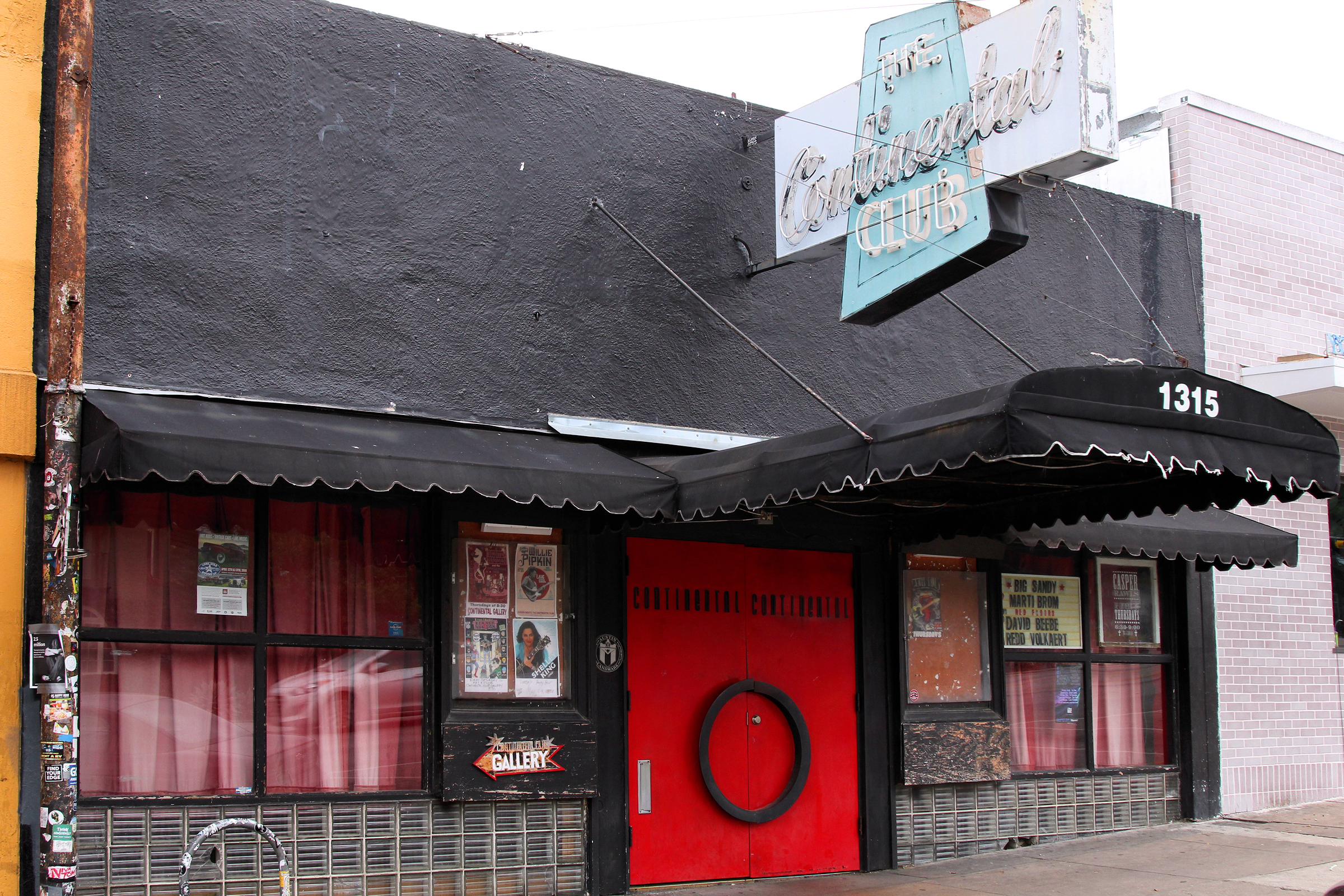
The Continental Club — a landmark of Austin's music and arts scene since 1957
Before the Scene: Austin in the Early 1970s
To understand where Austin's art scene came from, you have to understand what Austin was before the transformation. In 1970, Austin was a modest city of about 250,000 people—primarily a government town built around the Texas State Capitol and a university town centered on the sprawling campus of the University of Texas. Cultural life was limited. There were no major art museums, few galleries, and certainly nothing resembling the creative infrastructure that exists today.
But something was brewing. The late 1960s had brought a huge cultural shift to Austin. Young people were creating new ways to express themselves through music, art, and community involvement. The counterculture movement that swept American college towns had found particularly fertile ground in Austin, where the combination of student population, mild climate, and relatively affordable living created the perfect conditions for experimentation.
The Vulcan Gas Company: Where It All Started
Before there was the Armadillo, there was the Vulcan Gas Company. This psychedelic music hall, which operated from 1967 to 1970, was Austin's first countercultural institution and the birthplace of the city's visual arts scene.
Artist Jim Franklin lived in the club and served as its primary poster artist. Franklin, who had studied at the San Francisco Art Institute before returning to Texas, created posters for bands such as Shiva's Headband, the 13th Floor Elevators, Conqueroo, and Canned Heat. His detailed, surrealistic work established a visual language for Austin's underground that would define the city's aesthetic for decades.
Franklin's first illustration of an armadillo appeared in 1968 on a poster for a concert at Wooldridge Park—the image showed the critter smoking a joint with rolling papers and a matchbox of pot on the ground. "That, overnight, became a mascot for the Texas hipsters," Franklin later recalled. "It was amazing, the response I got from that."
Armadillo World Headquarters: The Heart of It All
On August 7, 1970, the Armadillo World Headquarters opened in a converted National Guard armory at 525 1/2 Barton Springs Road. Launched by a group of local music partners—Eddie Wilson, Spencer Perskin, Jim Franklin, Mike Tolleson, Bobby Hedderman, and others—this venture reflected the emergence of a counterculture seeking alternative forms of music, art, and living.
The Armadillo wasn't just a music venue. It was a total environment where visual art and music coexisted as equal partners. The venue maintained a staff of poster and mural artists, including Franklin, Micael Priest, Guy Juke, and Bill Narum. Given free reign for their creative impulses, these artists explored new images and techniques in poster making. The hundreds of Armadillo concert posters they created during the 1970s contributed to a flowering of poster art that put Austin on the national creative map.
Time magazine, in a September 1974 story, wrote that the Armadillo was to the Austin music scene what The Fillmore had been to the emergence of rock music in the 1960s. The clientele became a unique mixture of hippies, cowboys, and businessmen who stopped by to have lunch, drink beer, and listen to live music. This blending of audiences—rednecks and longhairs together—became known as the "Cosmic Cowboy" phenomenon.
The venue's importance to Austin's visual arts cannot be overstated. Jim Franklin, described by some as the "Michelangelo of armadillo art," single-handedly made the armadillo the symbol of Texas counterculture. In 1971, The New Yorker ran a feature story on Franklin entitled "Armadillo Man," bringing national attention to Austin's visual arts community for perhaps the first time.
Many legendary acts performed at the Armadillo—Willie Nelson, Waylon Jennings, Ray Charles, Stevie Ray Vaughan, ZZ Top, Frank Zappa, and Bruce Springsteen (who played five shows during 1974). AC/DC played their first American show there in July 1977. But beyond the music, the venue served as an incubator for Austin's artistic identity.
Laguna Gloria: Institutional Beginnings
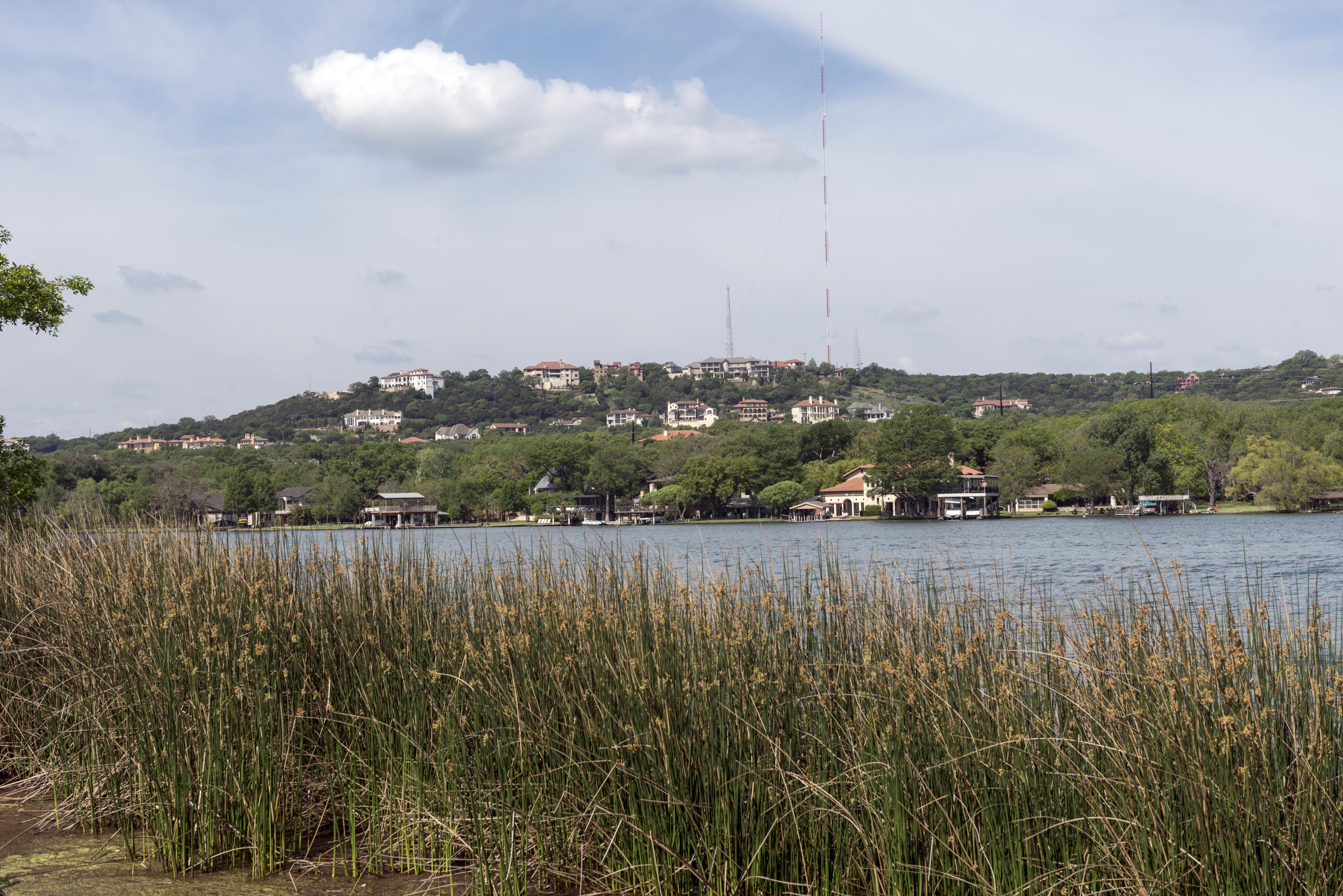
Laguna Gloria, the lakeside property that became the city's first art museum in 1943
While the counterculture was flourishing at the Armadillo, Austin's institutional art world was quietly taking shape at Laguna Gloria. The property—a historic 1916 Italianate villa on the shores of Lake Austin—had been donated to the Texas Fine Arts Association in 1943 by Clara Driscoll, a prominent preservationist and philanthropist.
The villa reminded Driscoll and her husband of Lake Como in Italy, where they had honeymooned. They named it Laguna Gloria, partly after one of her family's ranches in Duval County called "La Gloria." The site itself once belonged to Stephen F. Austin, Texas's founding father, and is now on city, state, and national registers of historic places.
In 1961, an art school opened at Laguna Gloria, establishing the institution's dual mission of exhibition and education that continues today. Throughout the 1970s, Laguna Gloria served as Austin's primary venue for viewing art in a traditional museum context—a counterpoint to the freewheeling creativity happening across town at the Armadillo.
University of Texas: The Academic Foundation
The University of Texas at Austin played a crucial but often overlooked role in building the city's art scene. The university's art department attracted faculty members who brought national connections and professional standards to the local community. Students who came to Austin for their education often stayed, contributing to a growing population of trained artists.
The University Art Museum, which would later become the Blanton Museum of Art, had its origins in a generous gift from Archer M. Huntington in the 1920s. Huntington, the stepson of one of the founders of the Central Pacific Railroad, donated approximately 4,200 acres along Galveston Bay "to be dedicated to the support of an art museum." The proceeds from this land created an endowment that still provides essential funding.
The Counterculture's Creative Legacy
The Armadillo closed its doors on December 31, 1980, a victim of downtown real estate pressures that foreshadowed battles that would recur throughout Austin's history. As its lease expired, the venue held one final New Year's Eve blowout, then awaited demolition.
But the cultural DNA established in the 1970s—the fusion of music and visual art, the DIY spirit, the egalitarian mixing of audiences, the celebration of Texas iconography through a countercultural lens—became permanent features of Austin's creative identity. The Armadillo Christmas Bazaar, which began in 1976, continues today as one of the city's signature art events.
The 1980s: Growing Pains and Institutional Development
The End of an Era and the Beginning of Another
The 1980s began with a symbolic loss. When the Armadillo World Headquarters closed on New Year's Eve 1980, it marked the end of Austin's countercultural golden age. But the creative energy didn't disappear—it evolved and spread throughout the city.
Congress Avenue: The Commercial Gallery District Emerges
Throughout the 1980s, Congress Avenue underwent significant development. Early in the decade, the street received a massive upgrade including widened red-granite sidewalks, new sewer lines, and extensive landscaping. While department stores like Scarbrough's closed in 1983, new cultural institutions began filling the historic buildings.
The Wally Workman Gallery, which opened in 1980, became a pillar of Austin's contemporary art scene. Housed in a historic building, the gallery offered an intimate viewing experience that introduced both established and emerging artists to Austin collectors. This period marked the beginning of Austin's reputation as an art hub with a commercial gallery infrastructure.
Women & Their Work: A Feminist Art Institution is Born
One of Austin's most enduring art institutions emerged from the feminist movement. In the fall of 1977, painter Rita Starpattern, singer and poet Deanna Stevenson, and video artist Carol Taylor staged a six-week festival of women's creative work sponsored by Laguna Gloria Art Museum. The festival drew 20,000 people.
Encouraged by this success, the organizers established Women and Their Work, incorporated as a nonprofit in 1978. The organization's impact extended far beyond its small physical footprint:
1979: Presented Woman-In-Sight: New Art in Texas, the first statewide juried exhibition of women artists ever held in Texas
1981: Received the first National Endowment of the Arts grant in visual arts awarded in Texas
1987: Obtained its first dedicated gallery space at 1501 West Fifth Street
1989: Received the prestigious NEA advancement grant
What began as a grassroots feminist arts collaborative evolved into one of Austin's premier visual arts spaces, developing the careers of more than 2,000 women artists.
Mexic-Arte Museum: Claiming Space for Mexican and Latino Art
In 1984, artists Sylvia Orozco, Sam Coronado, and Pio Pulido founded what would become one of Austin's most important cultural institutions. They claimed just 300 square feet in the Arts Warehouse at 300 San Antonio Street for Galería Mexico, the first incarnation of Mexic-Arte Museum.
After Orozco received her B.F.A. from UT Austin in 1978, she moved to Mexico to complete her master's program. There, she and Pio Pulido established an art school and began collecting art and books. In 1983, Orozco and Pulido relocated to Austin with their collection and worked with Sam Coronado to establish the museum.
From those modest beginnings, Mexic-Arte grew:
1984: Launched the Day of the Dead parade, now the largest Día de los Muertos celebration in Texas
1988: Moved to Congress Avenue in downtown Austin
2003: Designated the Official Mexican American Fine Art Museum of Texas
Sylvia Orozco remains the museum's Executive Director. Today, Mexic-Arte serves more than 75,000 visitors annually.
The First Generation of Graffiti Artists
Austin's first generation of graffiti artists originated in the 1980s. Pioneers such as Al "Skam" Martinez and Robert "Seks" Kane Herrera took to tunnels, trains, and back alleys to tag walls. This underground movement would later connect with the HOPE Outdoor Gallery and the mural scene that brought Austin national attention.
The 1990s: The Studio Movement and Outsider Art
East Austin's vibrant arts district, where affordable studio space fueled a creative revolution
The Rise of East Austin
The 1990s marked a transformative period driven by the discovery of East Austin as an artist haven. Historically home to African American and Latino communities—the result of deliberate segregation policies—East Austin had been underinvested and overlooked.
But artists saw something different: large warehouses, cheap rent, and proximity to downtown. By the mid-1990s, artists were moving into East Austin in significant numbers, establishing studios in former industrial buildings and converting affordable homes into live-work spaces.
Affordable Space: The Engine of Creativity
The economics of the 1990s made Austin unusually attractive for artists. An artist could rent studio space for a few hundred dollars a month. A house in East Austin might cost $50,000 to $100,000. This affordability attracted a generation of artists who might otherwise have settled in larger cities.
$50,000
A house in East Austin might cost to $100,000
Daniel Johnston: Austin's Outsider Art Icon
No figure better represents Austin's 1990s art scene than Daniel Johnston. A singer-songwriter and visual artist who struggled with manic depression, Johnston arrived in Austin in 1984 after joining a traveling carnival.
Austin Art Insider
Free weekly guide to galleries, exhibitions & collecting in Austin.
Johnston garnered a local following by passing out cassette tapes of his music while working at a McDonald's in the Dobie Center. In 1985, he gained national attention when MTV's The Cutting Edge featured Austin's music scene. By the 1990s, Johnston was winning Austin Music Awards for Songwriter of the Year and Best Folk Act.
In 1993, the Sound Exchange record store commissioned Johnston to paint a mural of Jeremiah the Innocent—the frog character from his album Hi, How Are You—on their building at Guadalupe and 21st Street. The mural became an Austin icon, especially after Kurt Cobain wore a "Hi, How Are You?" t-shirt to the 1992 MTV Music Awards.
Johnston died on September 11, 2019. The mural remains one of the city's most visited sites.
The Tech Boom Begins
The 1990s also brought the first wave of technology-driven growth. Dell Computer, founded in 1984 in a UT Austin dorm room, grew into a major employer. Austin began marketing itself as "Silicon Hills." This growth created both opportunities and threats—new wealth meant potential collectors, but rising real estate prices began pressuring affordable spaces.
The 2000s: Institutionalization and Growing National Profile
The Blanton Museum of Art Opens
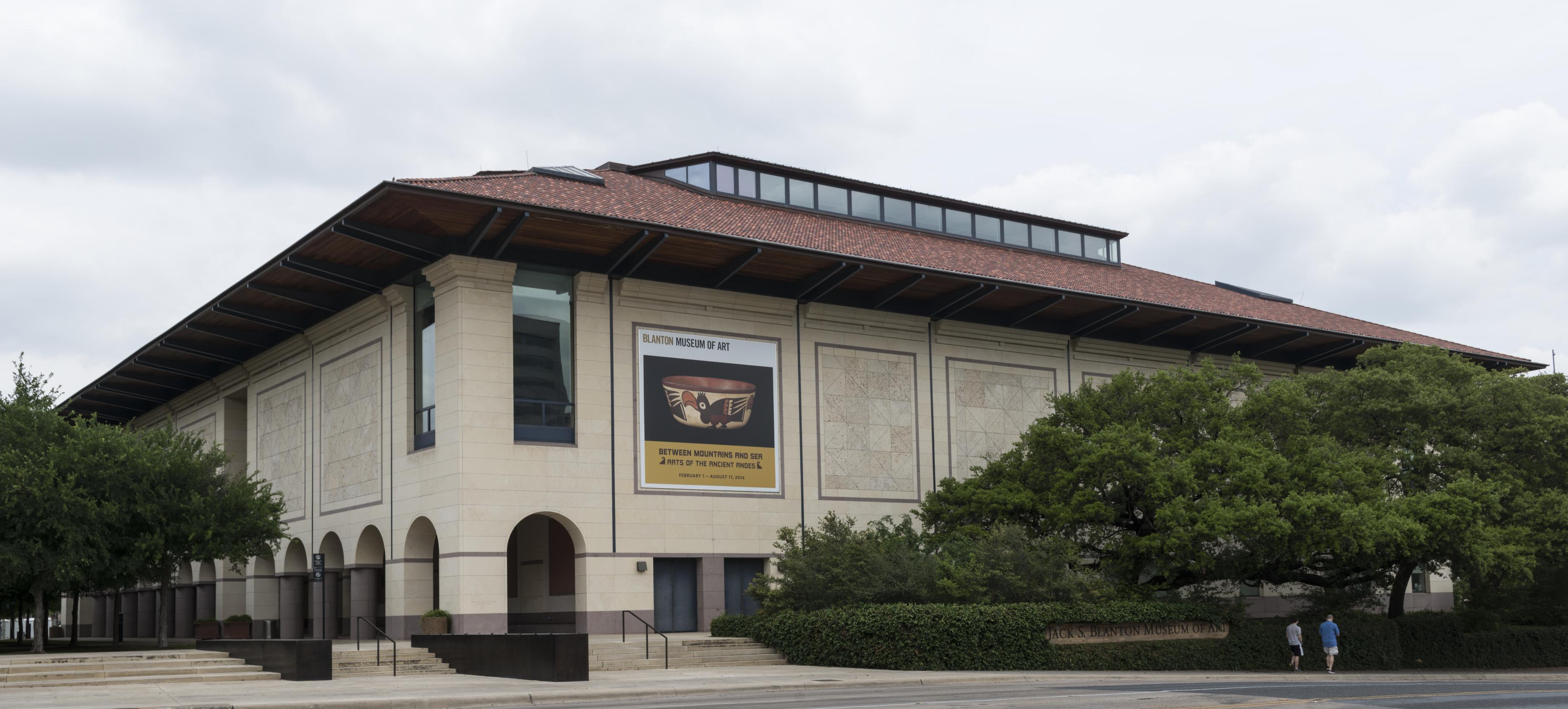
The Blanton Museum, whose 2006 opening transformed Austin's cultural landscape
On April 30, 2006, the Blanton Museum of Art opened its new 155,000 square foot facility on the UT campus. The opening marked Austin's arrival as a serious museum city. The new facility included:
The Mari and James A. Michener Gallery Building
The Edgar A. Smith Building (opened 2008)
189,340 square feet for exhibitions, collection galleries, and programs
With a permanent collection of more than 21,000 works, the Blanton emerged as one of the largest university art museums in the United States. In 1988, it became the first institution in the U.S. to create a curatorial position specifically for Latin American art.
In 2002, artists Shea Little, Jana Swec, and Joseph Phillips moved into a shared studio space on Bolm Road. A year later, that space became the epicenter of the East Austin Studio Tour (EAST).
The first tour in 2003 included just 28 studios, funded by participants pitching in money. By 2007, the founders had established Big Medium as a nonprofit and secured city cultural funding. The tour exploded, with 15,000 attendees roaming through galleries, studios, and pop-up shops across East Austin.
HOPE Outdoor Gallery Opens
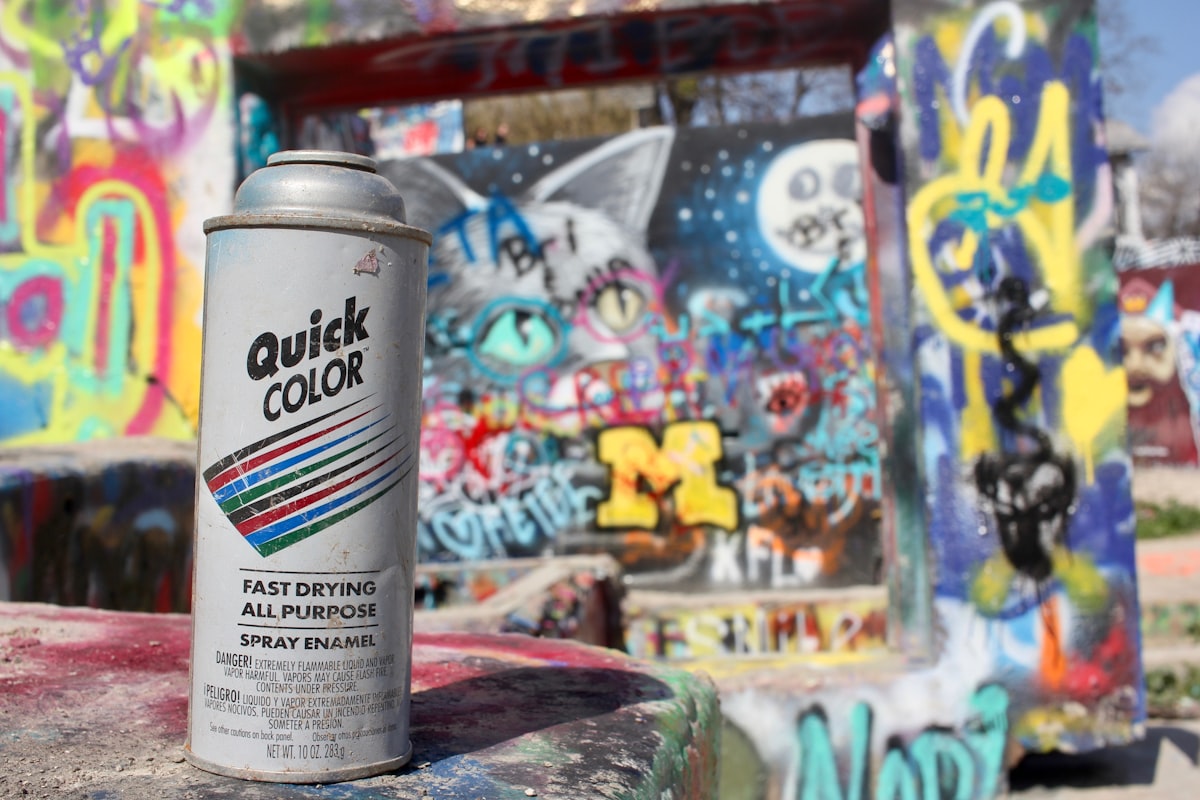
The original HOPE Outdoor Gallery
In the mid-1980s, a failed building attempt on Baylor Street left concrete slabs sitting as an eyesore. In 2011, artist Kimberly Scull enlisted Shepard Fairey—known for his Obama "HOPE" poster—to help launch Helping Other People Everywhere (HOPE) as a legal graffiti destination.
HOPE Outdoor Gallery officially opened during SXSW 2011. The towering concrete slabs became a canvas for anyone with a spray paint can. New murals were painted over old ones regularly, creating a "living art exhibit" that became one of Austin's top tourism destinations.
The 2010s: National Recognition and the Mural Boom
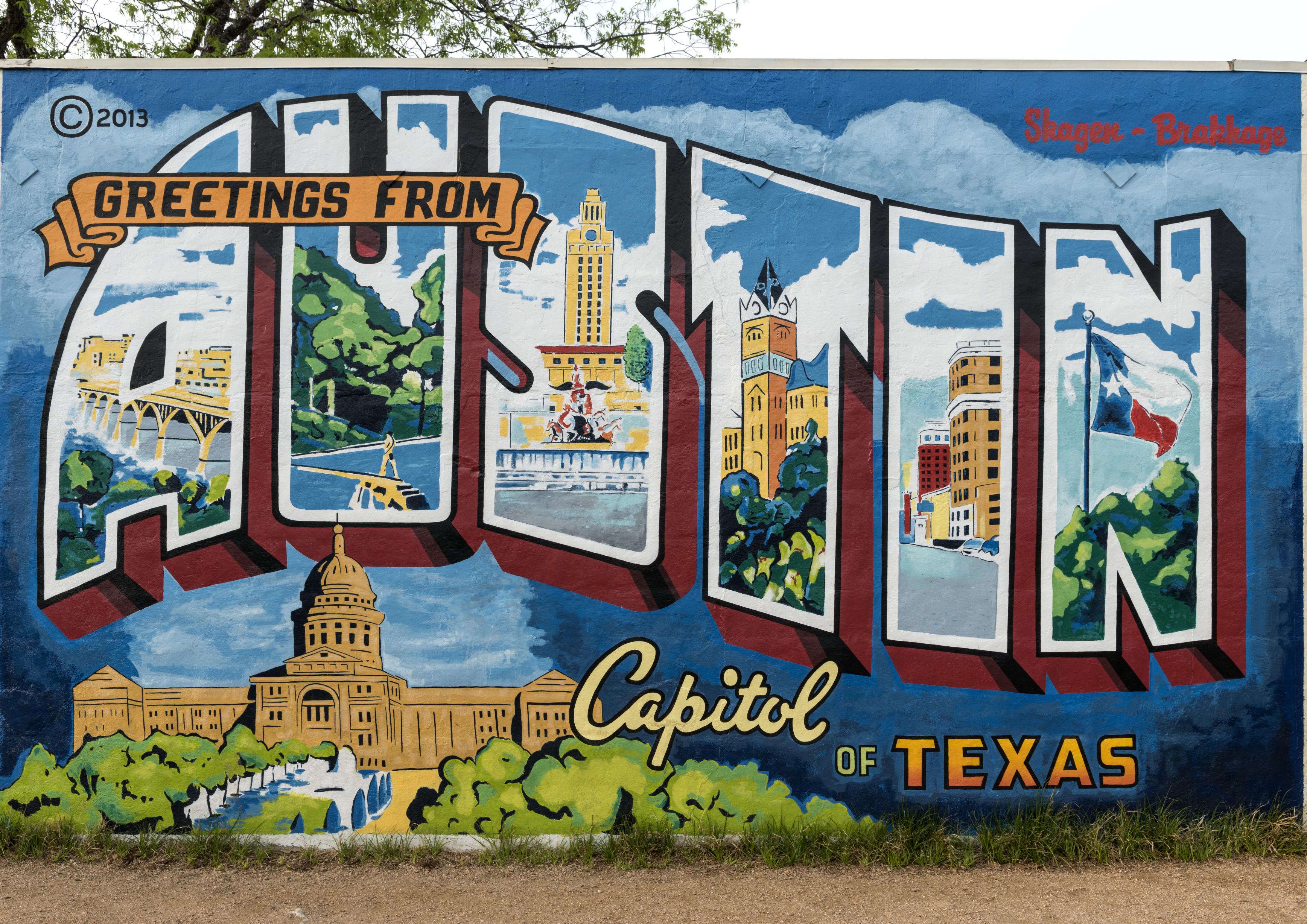
The "Greetings From Austin" mural — street art became a defining feature of Austin's identity in the 2010s
Austin Becomes a Street Art Destination
By the 2010s, Austin had emerged as one of America's premier street art destinations. The "I Love You So Much" mural, painted in 2010 by musician Amy Cook on Jo's Coffee's wall on South Congress Avenue, became perhaps Austin's most photographed artwork.
Other notable murals included:
Greetings from Austin (1998, restored 2013)
You're My Butter Half (2012)
The Hi, How Are You Daniel Johnston mural
These murals transformed Austin's relationship with visual art. Instagram turned everyone into a curator, and Austin's walls provided perfect backdrops.
The Studio Tours Reach Critical Mass
By 2019, the combined Austin Studio Tour hosted over 500 artist participants and drew 50,000 attendees each year. Big Medium, from its home at the Canopy arts complex—containing 57 studio spaces—also launched the Texas Biennial.
Tech Wealth Creates New Collectors
Austin's technology sector continued expanding. Local gallerists reported that five or six major collectors purchased art from both local galleries and blue-chip sources worldwide. "We're not quite there with Dallas and Houston," one gallerist noted, "but there are very serious collectors here."
Ellsworth Kelly's Austin
The most significant institutional acquisition came through an unusual path. In the mid-1980s, artist Ellsworth Kelly had designed an architectural pavilion that was never built. In 2012, two UT Austin graduates discussed bringing the project to Austin.
Kelly donated the design to the Blanton Museum in January 2015, naming it Austin. Construction began two months before Kelly's death. The museum raised $23 million for the project.
Austin opened on February 18, 2018. The structure is remarkable:
Clad in 1,569 limestone panels from Spain
Features 33 mouth-blown-glass windows from Munich
Contains 14 black and white marble panels
Kelly, a lifelong atheist, designed Austin as a secular meditation space—a "place of calm and light." It is his only freestanding building and his final major work.
The Affordable Space Crisis Begins
By 2015, rising real estate prices began forcing arts organizations to relocate. A 2015 survey found that 37.8% of arts organizations expected displacement within a year. Major spaces closed: Pump Project Art Complex, the Flatbed complex, and others.
The 2020s: Adaptation, Crisis, and Renewal
COVID-19 Reshapes Everything
When COVID-19 hit in March 2020, arts organizations faced crisis. Museums closed. Two-thirds of American artists became unemployed. Austin's art community pivoted to digital programming and online sales.
HOPE Closes and Reopens
The original HOPE Outdoor Gallery closed in 2019 when the Baylor Street property was sold to developers. On November 28, 2025, HOPE reopened at 741 Dalton Lane near the airport—nearly 18 acres of open-air cultural center.
NFTs and Digital Art
At SXSW 2022, NFT activations were everywhere. The Austin Artist NFT Project connected local artists with blockchain technology. By 2023, the NFT market had cooled, but the period expanded definitions of what art could be.
The Affordable Space Crisis Continues
Only 30% of surveyed artists had access to affordable creative space in 2022. In May 2025, the Austin Creative Alliance lost its East Austin home. New solutions emerged: church partnerships, suburban facilities like Good Dad Studios, and city programs.
Big Medium Closes
In February 2025, Big Medium announced its closure after over two decades. The artist-run collective Almost Real Things stepped in to organize the 2025 Austin Studio Tour, carrying the tradition into its 23rd year.
Jim Franklin - The "Michelangelo of armadillo art" who defined Austin's counterculture visual language. Now 81, he's the subject of a documentary premiering at Austin Film Festival.
Daniel Johnston (1961-2019) - Outsider artist whose "Hi, How Are You" mural remains one of Austin's most visited sites.
Sylvia Orozco - Co-founder and continuing Executive Director of Mexic-Arte Museum, leading the institution for over 40 years.
Ellsworth Kelly (1923-2015) - His final work, Austin, represents one of the most significant pieces of art in Texas.
The Institution Builders
Chris Cowden - Director of Women & Their Work since 1986, guiding the organization through decades of growth.
Shea Little, Jana Swec, and Joseph Phillips - Co-founders of Big Medium and the East Austin Studio Tour.
Clara Driscoll (1881-1945) - Donated Laguna Gloria in 1943, establishing the foundation for The Contemporary Austin.
How the Past Connects to the Present
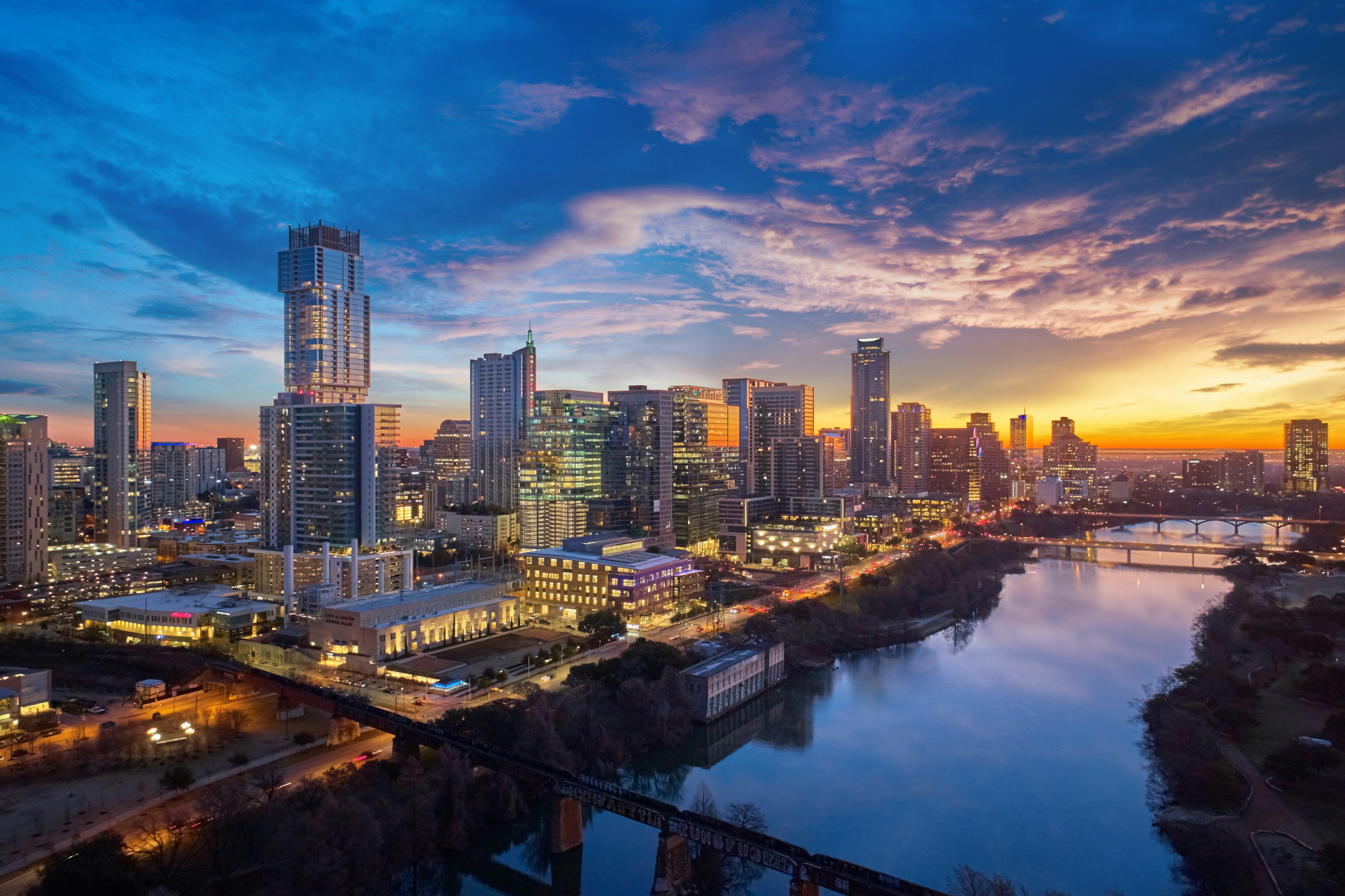
Austin's evolving skyline — the tension between growth and creative preservation defines the city's art scene today
Austin's art scene has always been defined by tension—between counterculture and institution, between affordability and desirability, between local identity and national ambition. These tensions haven't resolved; they've evolved.
The Armadillo's fusion of music and visual art lives on in Austin's festival culture. The DIY spirit of the 1970s echoes in today's artist-run spaces. The affordable rent that attracted artists in the 1980s has become the affordable space crisis of the 2020s—but artists continue finding ways to create.
What Remains
The studio tour tradition - Now in its 23rd year
The two-campus Contemporary Austin - Jones Center downtown and Laguna Gloria on the lake
The Blanton's collection - Anchored by Kelly's Austin
Mexic-Arte's Day of the Dead - Continuous since 1984
Women & Their Work's advocacy - Approaching 50 years
While Austin had artistic activity going back to Elisabet Ney's studio in the 1890s, the modern art scene traces to the early 1970s counterculture era. The Armadillo World Headquarters (1970-1980) created a cultural fusion of art, music, and progressive politics that defined Austin's creative identity. The art scene as we know it today — with galleries, studios, institutional support — took shape through the 1980s and 1990s.
While Austin had artistic activity going back to Elisabet Ney's studio in the 1890s, the modern art scene traces to the early 1970s counterculture era.
What happened to the Armadillo World Headquarters?
The Armadillo World Headquarters operated from 1970 to 1980 in a former National Guard armory on Barton Springs Road. It hosted everyone from Frank Zappa to Willie Nelson and served as a creative hub where musicians, artists, and counterculture figures intersected. It was demolished in 1981 to make way for a high-rise office building. The venue is widely considered the birthplace of "Live Music Capital of the World" Austin.
How has gentrification affected Austin's art scene?
Gentrification has been the art scene's central tension since the 2000s. East Austin, where affordable studio space fueled the studio movement of the 1990s and 2000s, has seen dramatic rent increases. Many artists who built the scene can no longer afford to work there. Organizations like Big Medium (which closed in 2024) tried to address affordability but faced the same market pressures. The crisis has pushed artists to secondary locations while simultaneously increasing the market value of established Austin art.
What is the East Austin Studio Tour?
Founded in 2003 by Big Medium, the East Austin Studio Tour (EAST) grew into one of America's largest open-studio events, with 500+ artists at 100+ locations. Visitors could enter working studios, meet artists, and buy directly. The complementary West Austin Studio Tour launched later. Following Big Medium's closure, the future format of these tours is evolving, but the open-studio tradition remains central to Austin's art culture.
Who are the most important figures in Austin art history?
Key figures include Elisabet Ney (19th-century sculptor), Charles Umlauf (mid-century sculptor), Jim Franklin (Armadillo poster artist), Malou Flato (co-founder of Big Medium and the Studio Tours), Beverly Penn (contemporary sculptor), and Daniel Johnston (outsider artist). Institution builders like the founders of Women & Their Work, Mexic-Arte Museum, and the Contemporary Austin shaped the infrastructure that supports today's scene.
Institution builders like the founders of Women & Their Work, Mexic-Arte Museum, and the Contemporary Austin shaped the infrastructure that supports today's scene.
Is Austin's art scene still growing?
Yes, but it's changing form. While affordable studio space has contracted, new institutions (HOPE's 18-acre campus reopened in 2025), tech-wealth collectors, and the city's growing population have created new demand. The scene is less counterculture and more professionalized than in earlier decades, but Austin remains one of the most active art markets in the Southwest.
Continue the Story
Austin's art history isn't finished—it's being written every day by artists working in studios across the city.

 The original HOPE Outdoor Gallery