Eco-Art: Austin's Sustainable Creative Scene (Local Guide)
A comprehensive guide to Austin's eco-art scene: artists working with recycled materials, galleries championing sustainability, upcycled art markets, environmental installations, and how to collect art with an environmental conscience.
By Austin Gallery Team
Where discarded materials become museum-worthy art, and environmental consciousness drives creative innovation. A comprehensive guide to Austin's thriving eco-art movement.
Austin has a thriving eco-art scene, with artists transforming recycled and found materials into gallery-quality work
Key organizations like Austin Creative Reuse make discarded materials available to artists at low cost
Sustainable art practices include using non-toxic pigments, recycled substrates, and locally sourced materials
Austin has always been a city that does things differently. So it makes sense that when the art world started grappling with its environmental impact—toxic paints, single-use materials, carbon-heavy shipping—Austin artists were already pioneering alternatives. This guide explores the eco-art movement in Austin: the artists leading the charge, the galleries championing sustainable work, and how you can participate in and collect environmentally conscious art.
What Is Eco-Art?
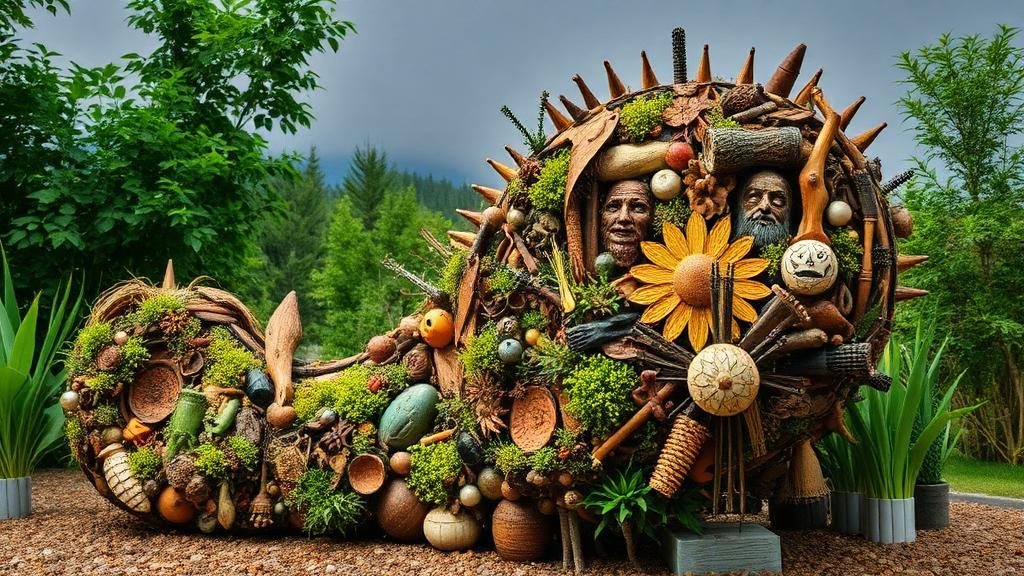
Sustainable art often transforms reclaimed materials into striking visual statements
Before we dive into Austin's scene, let's define what we're talking about. Eco-art (also called environmental art or sustainable art) encompasses several overlapping approaches:
Material-Based Eco-Art
Art created from recycled, reclaimed, or sustainable materials:
Upcycled art — Transforming discarded objects into new works
Reclaimed materials — Using salvaged wood, metal, textiles, glass
Natural materials — Working with biodegradable elements like leaves, seeds, earth
Climate commentary — Work exploring climate change, pollution, extinction
Land art — Site-specific installations that interact with natural landscapes
Ecological restoration — Projects that actively improve ecosystems
Environmental activism — Art as a vehicle for raising awareness
Process-Based Sustainability
Artists who minimize environmental impact through their practice:
Zero-waste studios — Designing workflows that eliminate material waste
Local sourcing — Using materials from within their community
Low-energy production — Hand techniques vs. energy-intensive equipment
Carbon-neutral practice — Offsetting shipping and material impacts
Austin's eco-art scene includes all three approaches, often blending them in innovative ways.
Austin's Leading Eco-Artists
These artists are defining what sustainable art looks like in Texas.
Beili Liu — The Poetry of Natural Materials
Medium: Installation, fiber art, natural materials
Studio: East Austin
Notable Works: "Lure," "One and Another," "Between Dreams and Whispers"
Beili Liu creates ethereal installations using thousands of hand-constructed elements from natural materials—thread, needles, silk, and organic matter. Her work addresses themes of labor, time, memory, and the environment.
What Makes Her Practice Sustainable:
Uses natural, biodegradable materials
Hand-construction techniques (no industrial processes)
Site-specific work that responds to existing spaces
Materials often sourced locally
Where to See Her Work:
The Contemporary Austin (rotating exhibitions)
Women & Their Work Gallery, 1311 E Cesar Chavez St
Private installations by appointment
Collector Note: Liu's smaller works and prints are more accessible price points for those wanting to support her practice.
Jim Nolan — Reclaimed Wood Sculptor
Medium: Sculpture, furniture, functional art
Studio: South Austin
Notable Works: Large-scale wooden sculptures, custom furniture pieces
Jim Nolan transforms reclaimed lumber—from demolished buildings, fallen trees, and salvage yards—into sculptural furniture and standalone art pieces. Each work tells the story of its material's previous life.
What Makes His Practice Sustainable:
100% reclaimed and salvaged wood
No new lumber used in production
Natural finishes (tung oil, beeswax)
Local sourcing from Austin demolition sites and tree services
Where to See His Work:
EAST (East Austin Studio Tour) — November annually
By appointment at his South Austin studio
Select pieces at local furniture galleries
Collector Note: Nolan's furniture pieces function as both art and practical objects—a sustainable approach to ownership itself.
Lisa Beaman — Textile Transformation
Medium: Fiber art, weaving, mixed media
Studio: East Austin
Notable Works: Large-scale weavings from reclaimed textiles
Lisa Beaman creates monumental woven works using discarded clothing, fabric scraps, and textile industry waste. Her pieces address consumerism, waste, and the hidden costs of fast fashion.
What Makes Her Practice Sustainable:
All materials sourced from textile waste stream
Partners with clothing recyclers and thrift stores
Zero-waste studio practice
Educational workshops on textile reuse
Where to Find Her:
Canopy Creative Arts Center, 916 Springdale Rd
Austin Creative Reuse collaborative projects
EAST Austin Studio Tour
Aurora Pellizzi — Natural Pigments and Plant Dyes
Medium: Painting, textiles, natural dyes
Studio: Central Austin
Notable Works: Paintings using pigments extracted from local plants and earth
Aurora Pellizzi has spent years researching traditional pigment-making techniques, creating her own paints from materials found in Central Texas: iron-rich earth, walnut hulls, indigo plants, and wildflower petals.
What Makes Her Practice Sustainable:
All pigments hand-extracted from natural sources
Local foraging and ethical harvesting
Non-toxic, VOC-free studio
Educational focus on pre-industrial art techniques
Medium: Murals, street art, installation
Studio: East Austin
Notable Works: "Til Death Do Us Part" (E 6th & Chicon), numerous East Austin murals
El Federico incorporates environmental themes into his vibrant murals and has pioneered the use of low-VOC and eco-friendly spray paints in his large-scale work.
What Makes His Practice Sustainable:
Low-VOC and water-based paints where possible
Environmental themes in mural content
Community engagement and education
Restoration of existing structures vs. new construction
Where to See His Work:
E 6th Street and Chicon intersection
Throughout East Austin warehouse district
HOPE Outdoor Gallery (new location)
Mira Lehr — Environmental Activism Through Art
Medium: Painting, mixed media, installation
Collector Note: Lehr splits time between Austin and Miami
Mira Lehr has spent decades creating art that addresses environmental destruction, using burnt materials, natural elements, and innovative techniques to capture the urgency of ecological crisis.
What Makes Her Practice Sustainable:
Environmental activism as primary artistic focus
Natural and found materials
Portion of proceeds to environmental causes
Documentation of ecological change through art
Galleries Championing Sustainable Art
Austin Creative Reuse
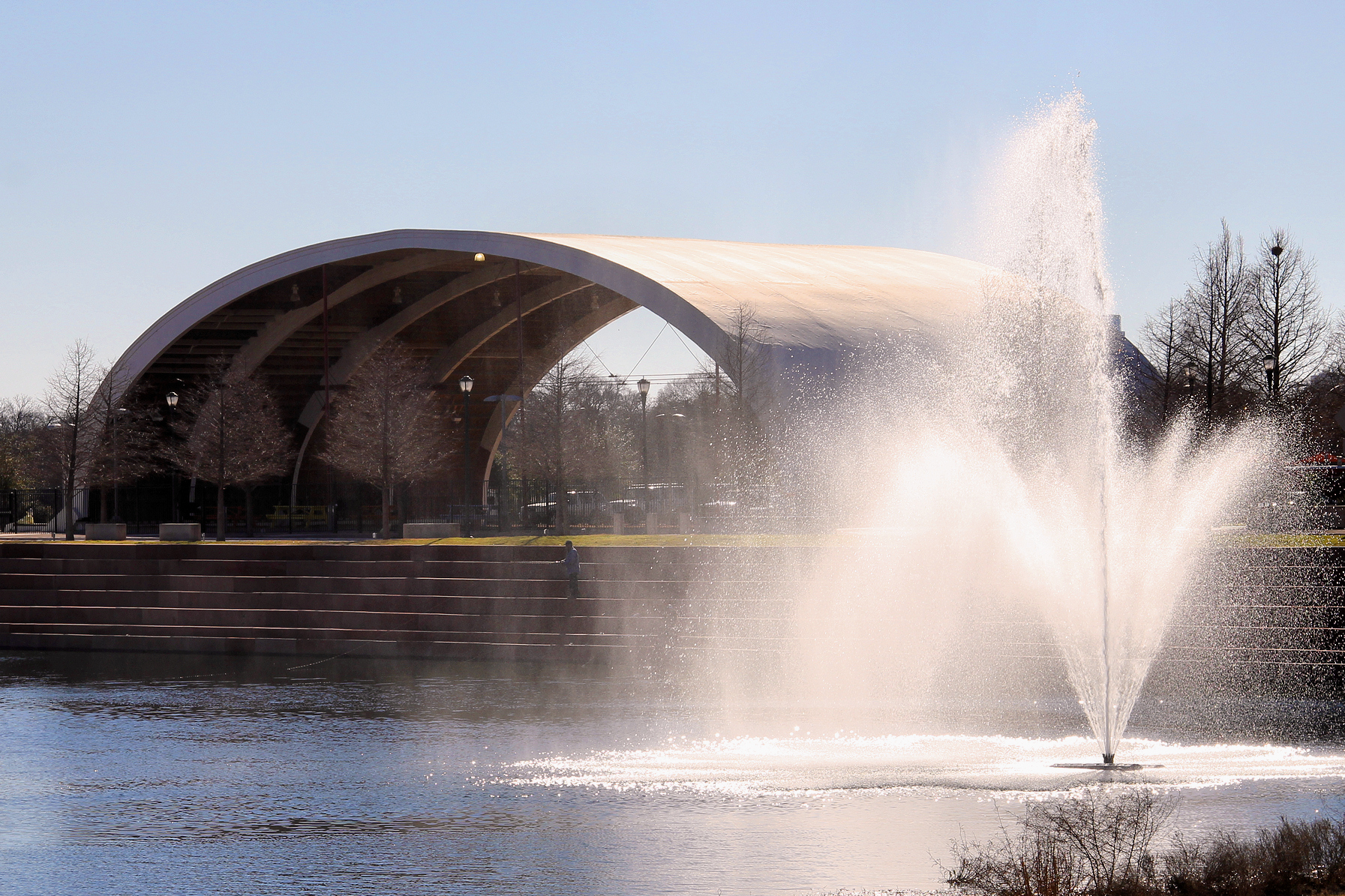
Photo: Austin's Mueller neighborhood, where creative reuse organizations and artist studios thrive in a sustainably redeveloped community
This isn't just a gallery—it's the heart of Austin's eco-art movement. Austin Creative Reuse collects donated materials that would otherwise end up in landfills and makes them available to artists, educators, and makers at affordable prices.
Gallery Space: Rotating exhibitions of work made from reuse materials
Workshop Programs: Regular classes on upcycling, sustainable art practices
Artist Residencies: Supporting artists who work with salvaged materials
School Supply Programs: Providing teachers with free creative materials
For Collectors:
The gallery shop features completed works by local artists using ACR materials. Prices are accessible, and you know your purchase supports both the artist and the organization's mission.
For Artists:
Membership gives you discounts and early access to donated materials. The "Blue Bin" program offers free supplies to teachers.
Women & Their Work
Address: 1311 E Cesar Chavez Street, Austin, TX 78702
Hours: Mon-Fri 10am-6pm, Sat 12-5pm
Admission: Free
This nonprofit gallery has long championed artists working with sustainable practices and environmental themes. Their exhibitions frequently feature eco-artists and their programming includes sustainability-focused workshops.
Notable Eco-Art Exhibitions:
Regular showcases of fiber artists using reclaimed materials
Environmental theme exhibitions during Earth Month
Works by Beili Liu and other installation artists
For Collectors:
Sales directly support the artists (70% to artist) and the gallery's mission of promoting women in the arts.
Big Medium / Canopy
Address: 916 Springdale Road, Austin, TX 78702
Events: Open Canopy monthly, EAST Studio Tour annually
Big Medium's Canopy complex houses numerous artists working with sustainable practices. The organization itself prioritizes environmental responsibility in its operations.
Sustainable Features:
Converted warehouse space (adaptive reuse of existing building)
Artist studios encourage material sharing and reuse
Programming includes eco-art focus
EAST Studio Tour reduces travel impact by bringing audiences to artists
For Collectors:
Open Canopy nights and the annual EAST tour (November) offer direct studio access to artists, including many working sustainably.
The Contemporary Austin — Laguna Gloria
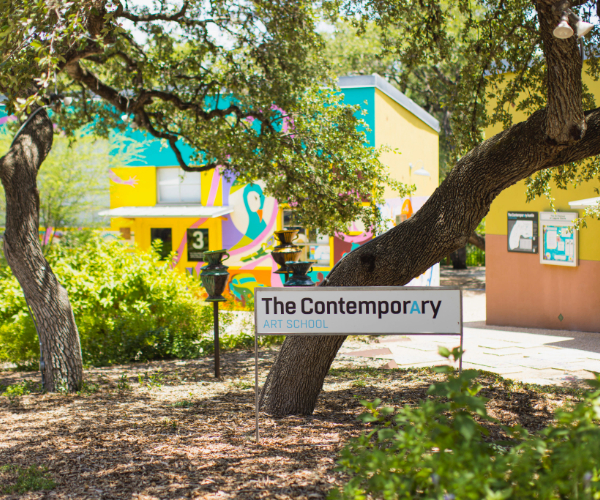
The Contemporary Austin at Laguna Gloria, where site-specific sculpture engages with the natural landscape
The outdoor sculpture park at Laguna Gloria frequently features environmental and land art. The setting itself—a 14-acre lakeside estate—emphasizes the relationship between art and nature.
Eco-Art Highlights:
Rotating outdoor installations often address environmental themes
Site-specific commissions that respond to the landscape
Educational programming on art and environment
Sustainable grounds management practices
grayDUCK Gallery
Address: 2213 E Cesar Chavez Street, Austin, TX 78702
Hours: Wed-Sat 12-6pm, Sun 12-5pm
This artist-run space frequently exhibits work addressing environmental themes and has hosted numerous eco-art exhibitions.
For Collectors:
Accessible price points and direct artist relationships. The gallery's cooperative model keeps overhead low.
Austin's public art includes numerous environmental installations worth seeking out.
Waller Creek Conservancy Art Program
Location: Along Waller Creek from downtown to Lady Bird Lake
The Waller Creek redevelopment includes significant public art installations, many addressing water, environment, and sustainability themes. The creek itself is being restored ecologically alongside the art program.
Notable Works:
Site-specific installations along the creek walk
Rotating temporary exhibitions
Integration of art with ecological restoration
Austin Art in Public Places (AIPP)
The city's public art program increasingly prioritizes sustainable practices in commissioning and environmental themes in selection.
Eco-Focused Public Works:
Solar-powered illuminated sculptures
Works using recycled materials
Environmental education installations at parks and trailheads
How to Explore:
Download the AIPP app or grab a map from the Austin Visitor Center for self-guided tours of public art, including environmentally themed works.
Location: Mueller neighborhood (former Robert Mueller Municipal Airport)
The Mueller development includes extensive public art, much of it addressing themes of transformation, renewal, and community—fitting for a site that transformed an airport into a sustainable neighborhood.
Umlauf Sculpture Garden
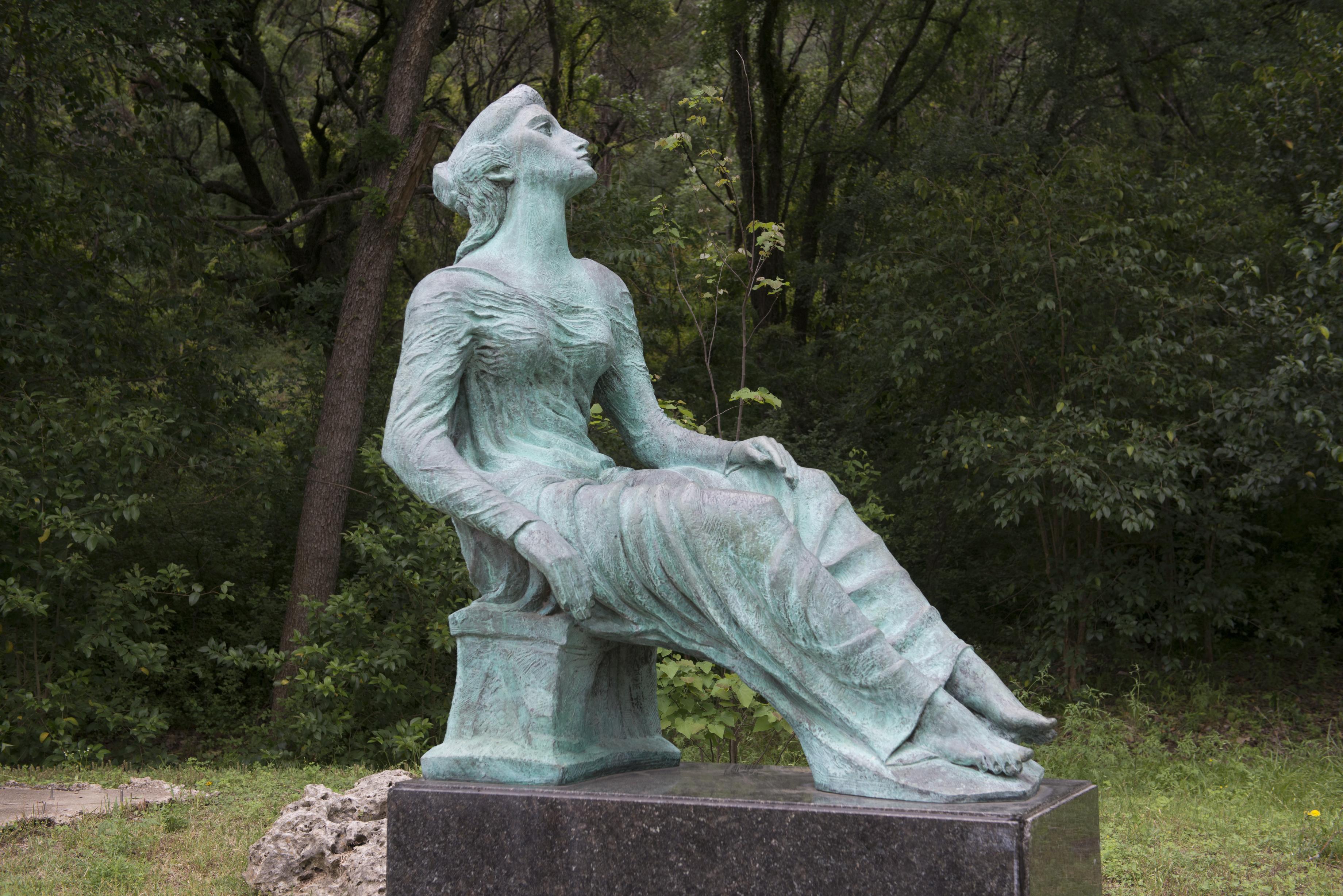
UMLAUF Sculpture Garden — a model of art and nature coexisting sustainably
While not exclusively eco-focused, the Umlauf's garden setting exemplifies how sculpture can interact harmoniously with natural landscapes. The garden's organic approach to landscaping complements the artwork.
The Upcycled and Recycled Art Scene
Austin's maker culture and sustainability consciousness have created a thriving upcycled art scene.
Found Object Art
Several Austin artists specialize in transforming discarded objects:
Austin Art Insider
Free weekly guide to galleries, exhibitions & collecting in Austin.
What to Look For:
Assemblage art using vintage and salvaged components
Functional art (lamps, furniture) from industrial salvage
Jewelry from electronic waste and hardware
Toys and whimsy from mechanical parts
Where to Find It:
East Austin studios during EAST
Austin Creative Reuse gallery
First Thursday on South Congress
Blue Genie Art Bazaar (holiday season)
Metal Recycling Art
Austin's industrial heritage has left abundant raw material for artists working in metal:
Techniques:
Welded sculpture from scrap metal
Automotive part transformation
Industrial salvage furniture
Architectural metalwork from reclaimed sources
Austin Artists to Know:
Search EAST listings for "metal" or "sculpture"
Visit the American Youthworks metal shop
Explore South Austin metalworking studios
Textile and Fabric Reuse
Fast fashion's waste stream has become raw material for fiber artists:
Approaches:
Woven works from clothing scraps
Quilts from vintage and salvaged fabrics
Crochet and knitting from reclaimed yarn
Fabric collage from textile industry waste
Where to Source Materials:
Austin Creative Reuse (fabric section)
Treasure City Thrift (fabric by the pound)
Goodwill outlet (Blue Hanger)
Facebook groups for local fabric swaps
Sustainable Art Collecting: What to Look For
Want to build an environmentally conscious collection? Here's what matters.
Questions to Ask Artists
When considering a purchase, these questions help assess sustainability:
What materials do you use? Look for reclaimed, recycled, natural, or low-toxicity materials.
Where do you source materials? Local sourcing reduces transportation impact.
What happens to your waste? Zero-waste or low-waste studio practices matter.
How is your work shipped? Recycled packaging, carbon offsets, local pickup options.
What's the work's lifespan? Durable, archival work doesn't need replacing.
Do you use sustainable studio practices? Energy, water, material choices all factor in.
What Makes Art Sustainable
Material Sustainability:
Material Type
Sustainable Choices
Watch Out For
Paint/Pigment
Natural pigments, milk paint, low-VOC
Cadmium, lead, high-VOC solvents
Canvas/Paper
Recycled, organic cotton, tree-free
Virgin cotton, petroleum-based
Metals
Reclaimed, recycled
Newly mined, electroplated
Wood
Salvaged, FSC-certified
Old growth, tropical hardwoods
Plastics
Recycled, ocean plastic
Virgin plastic, single-use
Textiles
Organic, recycled, natural fiber
Synthetic, fast-fashion waste
Practice Sustainability:
Hand techniques vs. energy-intensive machinery
Local production vs. overseas manufacturing
Durable archival work vs. disposable objects
Carbon-neutral shipping options
The Carbon Footprint of Collecting
Art collecting has environmental impacts often overlooked:
Buy Local:
Austin has world-class artists—buying local eliminates shipping entirely. Events like EAST let you meet artists and pick up work in person.
Buy Quality:
One excellent, durable piece beats ten cheap ones that won't last. Archival materials and proper framing ensure generational longevity.
Buy Direct:
Gallery commissions (typically 50%) can be avoided through studio visits and events. More money to the artist, less institutional overhead.
50%
Buy Direct:
Gallery commissions (typically ) can be avoided through studio visits and events
Buy Intentionally:
Resist impulse purchases. A considered collection has more meaning and less regret-driven turnover.
East Austin Studio Tour (EAST)When: November (two consecutive weekends)
What: 500+ artists open studios throughout East Austin
Eco-Art Focus: Many participants work with sustainable practices; the format itself reduces shipping by bringing collectors to studios
West Austin Studio Tour (WEST)When: May (two consecutive weekends)
What: 200+ artists in West Austin
Eco-Art Focus: Several environmental artists participate
Blue Genie Art BazaarWhen: November-December
Where: 6100 Airport Blvd
What: Holiday market featuring local artists
Eco-Art Focus: Look for upcycled and handmade works; no shipping needed for local purchases
Pecan Street FestivalWhen: May and September
Where: 6th Street downtown
What: Large outdoor arts festival
Eco-Art Focus: Jury process increasingly includes sustainable practice considerations
Monthly Events
Open Canopy at Big MediumWhen: Second Saturday of each month
Where: 916 Springdale Road
What: Studio open houses at Canopy complex
Eco-Art Focus: Several resident artists work sustainably
First Thursday South CongressWhen: First Thursday monthly
Where: South Congress Avenue
What: Gallery walks, extended hours, live art
Eco-Art Focus: Walking-focused event; many galleries feature eco-art
HOPE Outdoor Gallery EventsWhen: Check website for schedule
Where: 741 Dalton Lane
What: Community painting days, exhibitions, workshops
Eco-Art Focus: Memorial wall uses recycled concrete from original location
Markets and Pop-Ups
Austin FleaWhen: Monthly (various locations)
What: Curated vintage and handmade market
Eco-Art Focus: Vintage = sustainable; many makers use reclaimed materials
Eastside Pop-UpWhen: Quarterly
Where: Various East Austin venues
What: Local artist and maker market
Eco-Art Focus: Emphasis on local, handmade work
Austin Creative Reuse SalesWhen: Check website for special events
Where: 2005 Wheless Lane
What: Material sales, workshops, artist showcases
Eco-Art Focus: Everything supports reuse mission
DIY Sustainable Art Ideas
Want to create your own eco-art? Austin offers resources and inspiration.
Habitat for Humanity ReStore: Construction materials, hardware, furniture
Treasure City Thrift: Textiles, housewares, random treasures
Goodwill Blue Hanger: Everything by the pound
Neighborhood curbs: Large trash day finds (check schedule)
Estate sales: High-quality materials at fraction of new cost
Beginner Projects
Collage from Found Paper:
Collect interesting papers—magazines, maps, tickets, packaging—and create layered compositions. No special skills required, and you're diverting paper from landfills.
Assemblage Sculpture:
Gather related objects (old keys, watch parts, vintage buttons) and arrange them in a shadowbox or on a found board. The curation is the art.
Natural Dye Experiments:
Gather fallen leaves, onion skins, avocado pits, or rusty nails. Simmer with fabric or paper to create unique, non-toxic colors.
Weaving from Fabric Scraps:
A simple cardboard loom and strips of old clothing can produce beautiful woven pieces. Workshops at Austin Creative Reuse teach technique.
Learning Resources in Austin
Austin Creative Reuse Workshops:
Regular classes on upcycling, natural dyes, bookbinding from scraps, and more. Check their calendar.
UT Fine Arts Continuing Education:
Occasional courses on sustainable art practices and natural materials.
Artist Studio Workshops:
Many local artists offer classes; search EAST listings for workshop offerings.
Online Resources:
Skillshare courses on sustainable art techniques
YouTube tutorials on natural dye extraction
Instagram accounts of Austin eco-artists for inspiration
Supporting Environmentally Conscious Artists
Beyond buying work, here's how to support Austin's eco-art community.
Direct Support
Commission Custom Work:
Working directly with artists lets you specify sustainable materials and practices.
Donate Materials:
Austin Creative Reuse accepts donations of art supplies, fabric, hardware, and more.
Attend Events:
Shows, openings, and studio tours provide artists with audience and feedback even without purchases.
Spread the Word:
Share artists' work on social media, recommend them to friends, write reviews of galleries.
Organizational Support
Austin Creative Reuse Membership:
Support the organization's mission and get discounts on materials.
Big Medium Membership:
Fund the nonprofit behind EAST, WEST, and Canopy.
Contemporary Austin Membership:
Support the museum's environmental programming and Laguna Gloria.
Women & Their Work Donations:
Support exhibitions and programming featuring eco-artists.
Advocacy
Public Art Input:
Attend city meetings about public art commissions and advocate for sustainable practices.
Gallery Requests:
Ask your favorite galleries to feature more eco-artists and sustainable work.
Collector Networks:
Connect with other collectors interested in environmental art; collective voice has impact.
Austin's sustainable art scene offers entry points for every budget and interest level.
Free:
Visit Austin Creative Reuse and explore
Walk East Austin murals
Attend First Thursday on South Congress
Explore Laguna Gloria on Thursday evenings
Budget-Friendly ($50-200):
Small works at Austin Creative Reuse gallery shop
Prints from eco-artists
Handmade items at Blue Genie Art Bazaar
Collector-Level ($500-5,000):
Original works from EAST artists
Commissioned pieces using sustainable materials
Established eco-artists' smaller works
Investment-Grade ($5,000+):
Major works by established eco-artists
Large-scale installations
Historical environmental art
Whatever your entry point, you're supporting a movement that proves art and environmental responsibility aren't contradictions—they're natural partners.
Frequently Asked Questions
What is eco-art?
Eco-art (ecological art or environmental art) encompasses artworks created using sustainable materials, addressing environmental themes, or employing processes that minimize ecological impact. In Austin, this includes sculpture from reclaimed wood and metal, installations using natural pigments and plant dyes, upcycled textile art, and site-specific works that engage with the natural landscape. It ranges from material-based work (using recycled/found objects) to conceptual pieces that raise environmental awareness.
Where can I see eco-art in Austin?
Key venues include Austin Creative Reuse (which also hosts workshops), the Canopy Art District on Springdale Road, The Contemporary Austin at Laguna Gloria (site-specific environmental installations), grayDUCK Gallery in East Austin, and the Mueller redevelopment's public art installations. The Waller Creek Conservancy Art Program commissions environmentally engaged works along the downtown creek corridor.
Ask artists about their materials and processes. Look for work made from reclaimed, recycled, or sustainably sourced materials. Support artists who use non-toxic pigments, natural dyes, and salvaged substrates. Consider the environmental cost of framing and shipping. Local events like the East Austin Studio Tour let you meet eco-conscious artists directly and learn about their sustainable practices firsthand.
What is Austin Creative Reuse?
Austin Creative Reuse is a nonprofit that diverts usable art and craft materials from landfills and makes them available to the community at low cost. They accept donations of surplus supplies and offer workshops in sustainable art-making. It's both a resource for artists seeking affordable materials and a model for reducing the art world's environmental footprint.
It's both a resource for artists seeking affordable materials and a model for reducing the art world's environmental footprint.
Can recycled art be valuable?
Absolutely. The value of art depends on artistic merit, artist reputation, and cultural significance — not the cost of raw materials. Many established artists working with reclaimed materials command significant prices. Jim Nolan's reclaimed wood sculptures, for example, sell in the thousands. The sustainable art market is growing as collectors increasingly value environmental consciousness alongside aesthetic quality.
Jim Nolan's reclaimed wood sculptures, for example, sell in the thousands.
What makes art materials environmentally harmful?
Traditional oil paints contain heavy metals (cadmium, cobalt, lead). Solvents like turpentine release volatile organic compounds. Resin casting produces toxic fumes. Conventional framing often uses non-renewable materials and adhesives. Shipping art generates significant carbon emissions. Sustainable alternatives include plant-based pigments, water-based media, reclaimed frames, and local sourcing to reduce transportation impact.