Austin Gallery
Art SuppliesJune 26, 2026Updated June 26, 202612 min read

Best Print Packaging & Shipping Supplies (2026): Ship Art That Arrives Perfect

A bent print is a refund. Here's the exact kit — by the job each piece does — to ship art prints undamaged and turn buyers into regulars, from the rigid-mailer system to the thank-you card.

By Justin Park · How we research

You can make the most beautiful print in the world, but if it arrives bent, scuffed, or creased, you get a refund and a one-star review instead of a repeat customer. Packaging is the last — and most overlooked — step of selling art online, and it's also pure recurring revenue: these are the supplies you reorder with every restock.

We organized this kit by the job each piece does. The non-negotiable foundation is the three-layer system for flat prints — a clear sleeve, a rigid backing board, and a stay-flat rigid mailer marked "Do Not Bend" — which is what gets prints to buyers in perfect shape. From there, you add tubes for large or rolled work, bubble mailers for small items, the tools that make packing fast (a tape gun, a "Do Not Bend" stamp, a scale to stop overpaying postage), and the unboxing touches — a thank-you card, glassine for delicate surfaces — that quietly turn first-time buyers into regulars. Putting together the whole print operation? See our print-selling starter kit and our guide to selling art online. Every link goes to Amazon with our affiliate tag; we earn a small commission at no cost to you.

In a Hurry?

The 3 picks that cover most readers. Tap to read the full review or buy direct.

Top Pick · Flat Prints

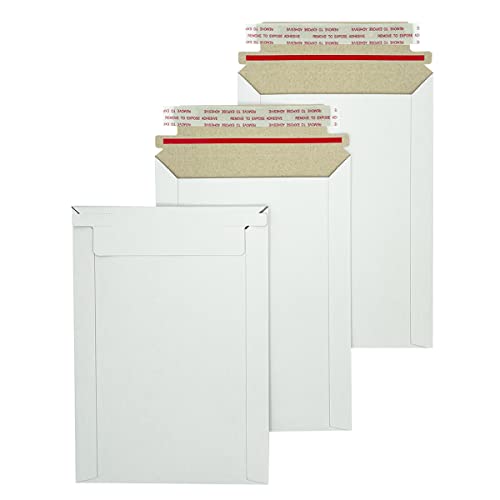
Stay-Flat Rigid Mailers

Stay-Flat Rigid Mailers

$13.99

Keeps flat prints dead flat — the foundation of pro packaging.

Best for Rolled Prints

Kraft Mailing Tubes

Kraft Mailing Tubes

$55.75

Ship posters and oversized prints safely rolled.

Best for Repeat Business

Thank-You Cards (120-pack)

Thank-You Cards (120-pack)

$5.95

The $6 that turns first-time buyers into regulars.

The best for shipping flat printsTop Pick

Role

Ship flat prints

Construction

Rigid stay-flat cardboard

Best

Prints up to ~9×11"

Restock

The consumable you reorder monthly

Buys you

Zero bent-print refunds

Pros

  • Keeps prints flat in transit
  • What buyers expect from a pro
  • Cheap per unit in bulk
  • Self-sealing strip

Cons

  • Flat prints only
  • Size up for larger formats

If you sell flat prints, this is the single most important thing in your packaging kit. Rigid stay-flat cardboard mailers keep a print dead flat through the postal system, where a paper envelope folds and a bent print becomes a refund.

The pro three-layer system: print → clear sleeve → rigid board → rigid mailer marked "Do Not Bend." Get that right and your prints arrive looking exactly as they left your studio — which is what turns a one-time buyer into a five-star review.

This is the consumable you'll reorder with every restock, so buy in bulk and never run out mid-order.

What we don't like

Sized for smaller prints — step up to mailing tubes for large or rolled posters, and size up the mailer for 11×14"+ flat work.

Best for rolled posters & large prints

Role

Ship rolled / large prints

Material

Heavy kraft with end caps

Best

Posters & oversized reproductions

Pair with

Glassine + a loose roll

Value

A case lasts a long time

Pros

  • Protects large prints flat mailers can't
  • Snug end caps guard the edges
  • Standard for posters
  • Bulk value

Cons

  • Rolled prints need to relax flat
  • Pricier to ship than flat

For anything too big to ship flat, a sturdy tube is the answer. Posters, large open editions, and oversized reproductions roll safely into a heavy kraft tube with snug end caps that protect the edges — the standard way large prints travel.

Roll the print loosely (the larger the diameter, the better) with a sheet of glassine around it, and it arrives ready to flatten under glass. A case of tubes lasts a long time and covers every large order.

What we don't like

Rolled prints need a day to relax flat after unrolling — set buyer expectations. Tubes cost more to ship than flat mailers.

Best print protection

Role

Protect & present

Material

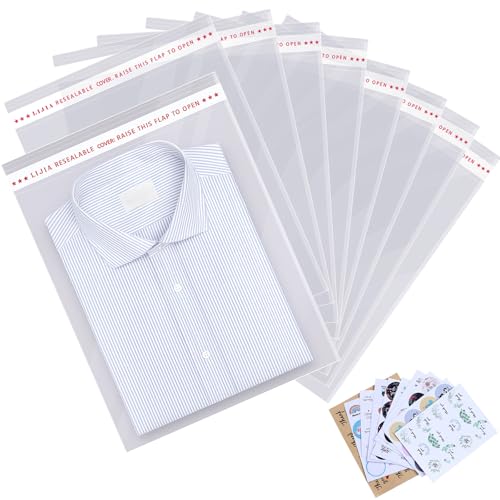
Acid-free, crystal-clear

Guards

Fingerprints, dust, moisture

Best

Shipping, storage, fairs

Restock

Pure consumable

Pros

  • Instantly more professional
  • Acid-free, archival-safe
  • Cheap per unit
  • Triple-use: ship, store, sell

Cons

  • Match the size to your print

Presentation is part of the product, and a clear sleeve is the cheapest way to make a print feel premium. It guards against fingerprints, dust, and moisture, and the moment a buyer slides the print out of a crisp acid-free sleeve, it reads as professional.

Use them for shipping, for storage, and at fairs — they're a pure consumable, so buy by the pack.

What we don't like

Sized for 8.5×11" — buy the matching size for your larger formats.

Best for keeping prints flat

Role

Reinforce & keep flat

Material

Rigid, acid-free

Function

Stops bending + curling

Best

The middle packaging layer

Restock

Consumable

Pros

  • Keeps prints dead flat
  • Acid-free, archival-safe
  • Pairs with sleeves + mailers
  • Reusable at fairs

Cons

  • Size up for larger prints

A bent print is a refund — backing boards are how you prevent it. Slip a rigid acid-free board behind the sleeved print and it can't curl or crease in transit. This is the middle layer of the pro three-layer system (sleeve + board + rigid mailer).

They also make prints easier to handle at fairs and pass to a customer without a single bend.

What we don't like

11×14" is sized for smaller prints — size up for larger formats.

Best for small & cushioned items

Role

Ship small / cushioned items

Size

#0 (6×10")

Best

Stickers, small prints, pins

Cost

Cheap to post (lightweight)

Restock

Bulk case

Pros

  • Cushioned + lightweight
  • Cheap postage
  • Tidy kraft look
  • Bulk value

Cons

  • Not for flat prints that can't bend

Not everything you sell is a flat print. Sticker packs, small matted prints, enamel pins, and bundled extras ship best in a padded kraft bubble mailer — lightweight, cushioned, and cheap to post.

A bulk case of #0 (6×10") mailers covers your small-item and add-on orders, and the kraft exterior looks tidy and on-brand.

What we don't like

Padding isn't rigid, so never use these for a flat print you need to arrive uncreased — that's what the rigid mailer is for.

Austin Art Insider

Free weekly guide to galleries, exhibitions & collecting in Austin.

Best for sealing fast

Role

Seal packages fast

Includes

Dispenser + 6 clear tape rolls

Best

Regular shippers

Saves

Minutes per order

Value

6 rolls included

Pros

  • One-pull clean seal
  • Six rolls included
  • Speeds up packing
  • Heavy-duty build

Cons

  • Slight loading learning curve
  • Overkill for rare shippers

Once you're shipping more than a few orders a week, a tape gun pays for itself in minutes saved. One smooth pull seals a mailer or box cleanly — no fighting the roll, no jagged edges — and this kit includes six rolls to keep you stocked.

It's a small upgrade that makes packing feel fast and professional instead of fiddly.

What we don't like

Loading the first roll has a slight learning curve. Overkill if you ship only an occasional order.

Best in-transit insurance

Role

Reduce in-transit damage

Type

Self-inking, red ink

Speed

One press per side

Best

Every flat-print order

Cost

Pennies per use

Pros

  • Genuinely changes handling
  • One-press, no handwriting
  • Re-inkable
  • Under $10

Cons

  • Needs re-inking over time

The cheapest insurance in the whole kit. A bold red "DO NOT BEND" on both sides of the mailer genuinely changes how it's handled, and a self-inking stamp does it in one press — faster and cleaner than writing it by hand on every package.

Tiny cost, real reduction in damaged arrivals. There's no reason not to own one.

What we don't like

Re-inking eventually, and it's one more thing on the packing bench — but at $10 it's a no-brainer.

Best for repeat business

Role

Win repeat buyers

Count

120 cards, 6 designs

Best

A card in every order

Pro move

Add a handwritten note + code

ROI

The highest in the kit

Pros

  • Drives reviews + repeat orders
  • Six designs, 120 cards
  • Almost free per order
  • Elevates the unboxing

Cons

  • Generic until you personalize them

The highest-ROI six dollars in your packaging kit. Dropping a small thank-you card into every order — ideally with a handwritten line and a discount code for next time — is the simplest, most reliable way to turn a first-time buyer into a repeat customer.

Packaging is marketing: the unboxing is the one physical touchpoint you have with an online buyer. A card, a sleeve, and a clean mailer cost almost nothing and quietly produce reviews, referrals, and repeat orders.

What we don't like

Pre-printed designs are generic — add a handwritten line and your shop name to make them count.

Best for accurate postageBest Upgrade

Role

Accurate postage

Capacity

110 lb max

Best

Buying labels at home

Pays

Back within dozens of orders

Reads

Instant + accurate

Pros

  • Stops overpaying on postage
  • Handles tiny to large parcels
  • Instant, accurate reads
  • Pairs with home label printing

Cons

  • An upfront expense for low-volume sellers

Guessing postage costs you money on every order — a scale fixes that fast. Weigh each package and buy the exact postage online (cheaper than the counter), instead of overpaying or getting dinged for underpaying. The Rollo is accurate, reads instantly, and handles everything from a sticker to a big framed piece.

It pays for itself within a few dozen shipments and makes buying labels at home effortless.

What we don't like

An expense some hobby sellers skip early on — but it pays back quickly once volume picks up.

Best for protecting the art surface

Role

Protect the art surface

Material

Smooth acid-free glassine

Use

Interleave + wrap art

Best

Fine-art prints, originals, pastel

Standard

What museums & framers use

Pros

  • Won't scuff or stick to ink
  • Acid-free, archival
  • Museum/framer standard
  • Cheap protection for valuable work

Cons

  • Overkill for everyday photo prints

The detail that separates a fine-art seller from a poster shop. Smooth, acid-free glassine is what museums and framers use to interleave and wrap art — it won't stick to ink, scuff a surface, or transfer acid. Lay a sheet over a print before sleeving, or wrap it inside a tube, and delicate surfaces stay pristine.

Especially worth it for original works, charcoal, pastel, and high-value giclées where a scuff means a remake.

What we don't like

Overkill for everyday glossy photo prints — save it for high-value or delicate work.

Check Glassine Paper on Amazon →$13.59 · JBM Packaging

How we
chose

We ranked these by what actually matters when you're shipping art for money:

  • Does it arrive undamaged? The whole point. We led with the rigid-mailer system that prevents the bent-print refund, and were clear about which supplies are foundation vs. nice-to-have.
  • The right tool for the format. Flat prints, rolled posters, and small items each ship best a different way — so we matched a pick to each instead of forcing one box to do everything.
  • Speed and cost at volume. These are consumables you'll buy again and again, so per-unit cost, bulk availability, and packing speed (a tape gun, a scale) all counted.
  • Packaging as marketing. The unboxing is your only physical touchpoint with an online buyer, so we included the cheap touches — a thank-you card, glassine, a clean sleeve — that produce reviews and repeat orders.
  • Honest foundation-first ordering. We flag exactly which few items you need on day one and which are upgrades for when volume grows.

Share this guide

Share

Common Questions

Frequently Asked Questions

Have art
to sell?

Austin Gallery specializes in selling inherited art, estate collections, and fine art with zero upfront fees. Get a free evaluation today.