The Complete Guide · Updated June 2026
How to Sell Your Art Online
The talent isn't the hard part — the business is. This is the complete, no-fluff playbook from a gallery that sells artists' work every week: how to set up the business properly, digitize and print your work, price it to profit, choose where to sell, and ship it without disasters.
By the Austin Gallery editors · Updated June 24, 2026 · ~18 min read
The short version
Decide what you're selling (originals, prints, or both) → set up the business so it's legitimate and protected → capture a high-resolution file of each piece → make quality prints or list the original → price to cover costs plus a real margin → sell on your own site, a marketplace, or through a gallery that sells for you → photograph listings well → market and ship. Every step is below.
Why now
1. Decide what you're selling
Before anything technical, choose your product — it shapes every other decision. There are four ways to turn one body of work into income:
Originals earn the most per piece, but each sells exactly once and ties up your inventory. Prints turn a single painting into ongoing revenue at a lower price; a small numbered, limited edition keeps them feeling collectible. Digital downloads (printable files) cost nothing to reproduce but command the lowest price and attract the most copycats. Licensing — companies paying to put your image on products — is the highest-leverage stream, but it only opens up once you have an audience and a recognizable style.
Our take
2. Set up your art business (LLC, EIN & sales tax)
This is the step most artists skip, and it's the one that separates a hobby from an income. You can sell your first piece as a sole proprietor with zero paperwork — but the moment money is moving regularly, getting the structure right protects you and makes everything downstream (taxes, banking, galleries, licensing) cleaner.
Hobby vs. business — why the IRS cares
If you sell art with the intent to profit, the IRS treats it as a business, which means you can deduct real expenses — supplies, your scanner and printer, a portion of your studio, shipping, fees. If it's a hobby, the income is still taxable but you generally can't deduct losses. The dividing line is profit intent and how business-like you run it: separate accounts, records, and pricing all signal “business.”
Sole proprietor vs. LLC
| Sole proprietor | LLC | |
|---|---|---|
| Setup | Nothing to file | Quick state filing + small fee |
| Liability | Your personal assets are exposed | Personal assets separated from the business |
| Credibility | Fine for casual sales | Looks legitimate to galleries & licensors |
| Taxes | Pass-through (Schedule C) | Pass-through by default; more options later |
| Best for | Just testing the waters | Earning regularly or want protection |
Forming an LLC used to mean a lawyer; now it's a same-day online task. A formation service files the paperwork with your state, helps you get an EIN (a free federal tax ID you'll need for a business bank account), and keeps you compliant with annual filings.
Form your art LLC
Bizee (formerly Incfile) forms an LLC for $0 + your state fee, includes a free year of registered agent service, and handles your EIN — the fastest way to make your art a real, protected business.
Form your LLC with Bizee →Business banking, sales tax & bookkeeping
Open a separate business bank account the day you form the business — mixing personal and business money is the fastest way to lose your deductions and your liability protection. On sales tax: you generally collect it from buyers in states where you have nexus (your home state, plus states where you cross sales thresholds). Marketplaces like Etsy usually collect and remit it for you; selling from your own site means getting a sales-tax permit in your state. And keep simple books from day one — track every sale and expense, and set aside roughly a quarter to a third of profit for taxes.
Not tax advice
3. Capture your work at print quality
Everything downstream depends on the file. For anything that fits, a flatbed art scanner pulls more detail and truer color than a phone photo, with even lighting built in. For larger pieces, photograph the work flat in soft, even light on a tripod, then color-correct. Aim for roughly 300 DPI at your largest print size — our print-resolution chart gives the exact pixels you need, and a color-accurate monitor is what lets you trust the colors you're editing.
4. Make prints worth buying
A cheap print on thin paper undercuts everything your art is worth. Two choices decide quality: the printer and the paper. A good pigment-ink home art printer on heavyweight archival paper produces gallery-grade results for a fraction of a print shop — that's essentially what a giclée print is, and why buyers pay a premium for the term. Print a proof, check it in daylight, then run the edition. Match your print to a standard frame size so customers can frame it cheaply.
The kit that makes it possible
You don't need a studio full of equipment — three tools cover digitizing your work, printing it, and getting the color right so the print matches the original:

Epson
Epson FastFoto FF-680W
Digitize your art and old photos fast, at high resolution — the cleanest way to turn a painting into a print file.
$559.99 · Check on Amazon →
Canon
Canon PIXMA PRO-200S
Gallery-grade, giclée-style prints at home up to 13 inches wide — pays for itself over a few print runs.
$449.00 · Check on Amazon →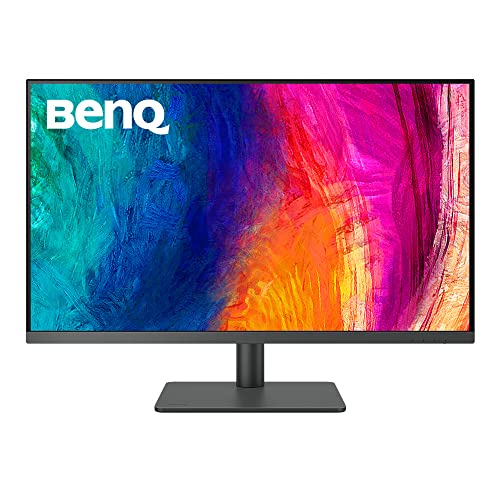
BenQ
BenQ PD3205U Designer Monitor
99% sRGB color accuracy so the colors you edit are the colors that print and ship.
$549.99 · Check on Amazon →Prices pulled from Amazon; as an Amazon Associate we may earn a commission on purchases, at no extra cost to you. See our full art-printer roundup and scanner guide for more options.
5. Price it so it sells — and you profit
Pricing kills more art businesses than bad work does. Build the price from the bottom up: start with your real costs (materials, printing, platform fees, packaging, shipping), add your time, then a margin on top. For an edition, price the run so selling it through comfortably beats what the original earned. Then sanity-check against comparable artists — pricing too low reads as “hobby” as often as “deal,” and raising prices later is far harder than starting fair.
Free tool
Art Pricing Calculator
The pro formula: (materials + your time) × 2. Enter yours.
Suggested original price
$690
Materials $45 + time $300 (12h × $25), doubled.
Starting print price
$70
A reasonable open/limited print price — adjust up for signed, numbered editions.
A starting point, not a rule. Adjust for your experience, demand, and what comparable artists charge — and never price below your real costs.
6. Where to sell your art
There are three routes, and most artists mix them as they grow:
| Channel | You keep | But… |
|---|---|---|
| Your own site | The most margin | You drive every visitor (SEO, social, email) |
| Marketplaces (Etsy, etc.) | Built-in buyers | Fees + heavy competition |
| Consignment gallery | Less the commission | They do the selling, payment & shipping |
Your own website keeps the most margin but makes you responsible for every visitor. Marketplaces bring buyers but take fees and bury you among thousands. A consignment gallery sells on your behalf — you hand over the work, they handle buyers, payment, and shipping, and take a commission only when a piece sells.
Which marketplace? A quick comparison
| Platform | Best for | The catch |
|---|---|---|
| Etsy | Prints & originals to a craft-buying crowd | Per-listing + ~6.5% fees, heavy competition |
| Society6 / Redbubble | Passive print-on-demand, no inventory | Low royalties, little control over quality |
| Fine Art America | Fine-art prints with print + frame fulfillment | Crowded — you still have to drive buyers |
| Saatchi Art / Artfinder | Selling originals to collectors | ~35–40% commission |
| Your own store (Shopify/Wix) | Maximum margin & brand control | You drive 100% of the traffic |
Consignment
Have Art You Want to Sell?
Free appraisals, zero upfront fees, nationwide service from Austin, Texas.
Selling locally in Texas too? Our guide to how to sell art in Austin covers galleries, fairs, and buyers in town.
7. Photograph listings that convert
Online, the photo is the artwork — the buyer decides from the image alone, so this is the highest-ROI hour you'll spend. Shoot every piece three ways: straight-on against a clean background, a close detail shot that shows texture, and an in-room shot for scale. Small work photographs perfectly in a light box; larger pieces need good window light or softboxes. Building this into a real side income? Our roundup of photography gear for an art side hustle covers the full kit.
8. Get found: marketing your art
Great listings sell nothing if no one sees them. The three durable channels for artists are search (a simple site or blog so people Googling your style or subject find you), social (process videos and finished pieces — show the hand behind the work), and email (the only audience you own; collect addresses and tell people when new work drops). Pick one, do it consistently, and add the next once it's a habit. Consistency beats virality.
9. Ship art safely
Nothing sours a sale like art that arrives damaged. Ship flat work between rigid boards in a stay-flat mailer; ship framed or canvas work with corner protectors and a generous layer of cushioning in a sturdy box with a “Fragile” mark. Always insure anything valuable, and build shipping into your price from the start so it never eats your margin. For prints, a tube works for unframed pieces but a flat mailer keeps them crisp.
Frequently asked questions
Is it better to sell original art or prints?
Both, usually. Originals earn the most per piece but you sell each once; prints turn a single painting into ongoing income at a lower price. The common path is to sell the original once and offer a small numbered edition of prints alongside it. Licensing — companies paying to use your image on products — is a third stream once you have a following.
Do I need an LLC to sell art online?
No — you can legally sell as a sole proprietor from day one. But once you're earning consistently, an LLC separates your personal assets from the business (liability protection), looks more credible to galleries and licensors, and makes taxes and banking cleaner. Forming one is inexpensive and can be done in a day through a service like Bizee.
Do I have to collect sales tax on art I sell online?
Often, yes — but it depends on where your buyers are and where you have 'nexus' (usually your home state, plus states where you hit sales thresholds). Many marketplaces like Etsy collect and remit sales tax for you automatically. If you sell from your own site, you'll likely need a sales tax permit in your state. Rules vary, so confirm with your state's revenue office or an accountant.
How do I get a print-quality file of my artwork?
Scan it if it fits a scanner — a flatbed art scanner captures more detail and truer color than a phone. For larger pieces, photograph the work flat in even, diffused light on a tripod, then color-correct on a calibrated monitor. Either way you want roughly 300 DPI at your largest intended print size.
How should I price my art?
Cover your real costs first (materials, printing, fees, packaging, shipping), then add your time and a margin. For prints, price the edition so selling the run comfortably beats what the original sold for. Research comparable artists — pricing too low signals 'hobby' as loudly as it signals 'deal,' and it's hard to raise later.
Where is the best place to sell art online?
Your own website keeps the most margin but you drive all the traffic; marketplaces (Etsy and art-specific platforms) bring buyers but take fees and competition. If you'd rather make art than run a storefront, a consignment gallery sells on your behalf for a commission and handles buyers, payment, and shipping.
How much should I set aside for taxes?
A common rule of thumb for self-employed creatives is to set aside roughly 25–30% of profit for federal income and self-employment tax, more in high-tax states. Keep business income and expenses in a separate bank account so your bookkeeping — and your deductions — stay clean. This isn't tax advice; a CPA pays for themselves here.
Do I need professional photos to sell art online?
Yes — the listing photo is the single biggest lever on whether art sells online, because the buyer can't see the real thing. Shoot every piece straight-on against a clean background, plus a detail shot and an in-room scale shot, in even diffused light. A light box handles small work; large pieces need window light or softboxes.