Threads
2, 3, 4 (listed)
Speed
Up to 1,500 spm (listed)
Differential feed
0.7 to 2.0 (listed)
Threading
Color-coded, manual loopers
Extras
Built-in rolled hem, stitch length 1 to 4 mm
Pros
- 2-thread capability for light finishes
- 1,500 spm and a stable chassis
- Built-in rolled hem with no plate swap
- Long track record with garment sewists
Cons
- Manual looper threading
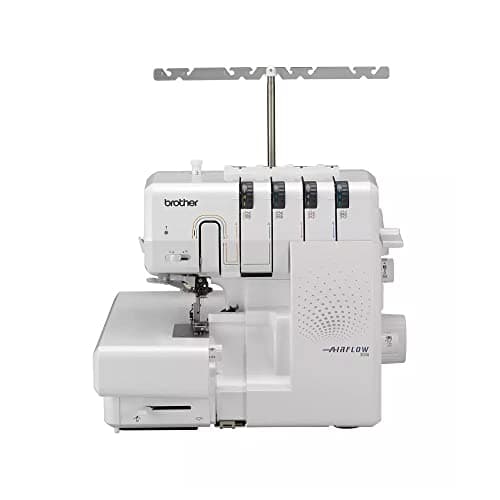
- Nearly twice the price of the 1034D
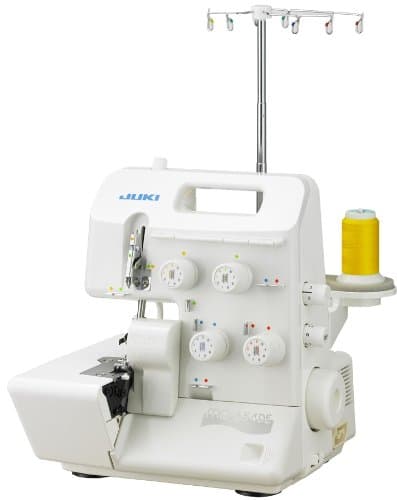
The MO-654DE is our pick because it is the least fussy serger you can buy before air threading, and it will not be outgrown. Juki lists up to 1,500 stitches per minute, 2, 3 and 4 thread stitches, and a differential feed range of 0.7 to 2.0. On the sewing table that means knit seams that neither ripple nor pucker, a clean 2-thread edge on chiffon, and a rolled hem that switches on with a lever instead of a plate change.
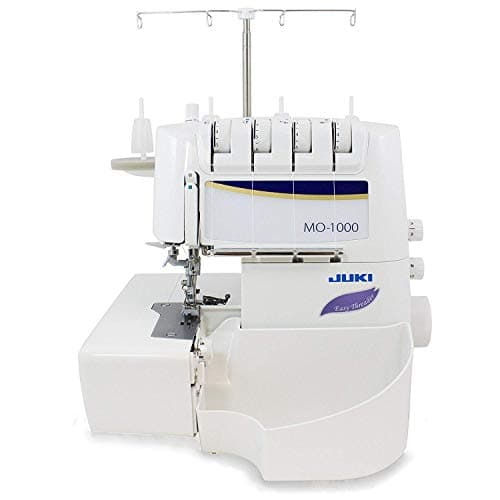
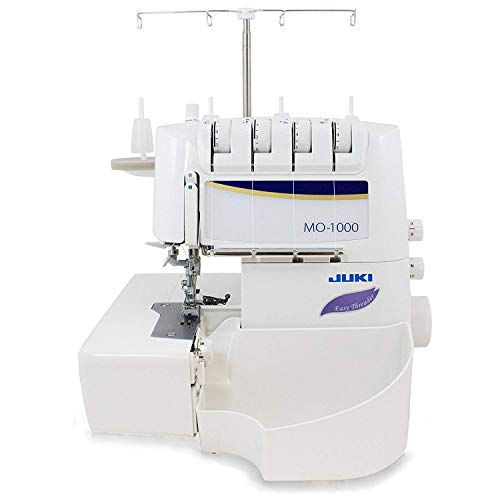
The catch is threading. Like every non-air serger, you thread the loopers by hand following color-coded guides, and the lower looper takes practice. If that is a deal-breaker, the Juki MO-1000 threads its loopers with air. Otherwise, this is the serger to pair with the machine from our sewing machine guide.
Our Pick
The serger most sewists should buy once and keep. Juki lists up to 1,500 stitches per minute, 2, 3 and 4 thread stitches, a built-in rolled hem, and differential feed from 0.7 to 2.0, on a heavier and steadier chassis than the budget machines.
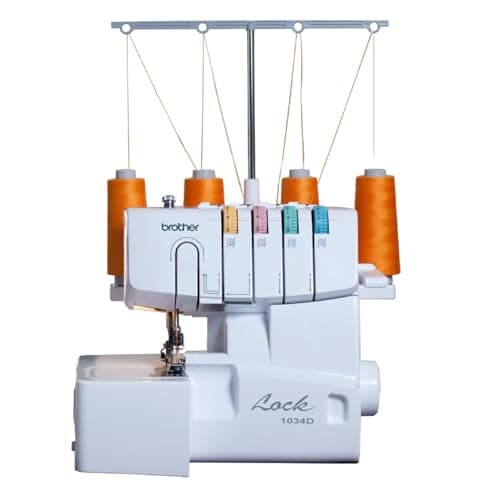
Buy it if you sew knits, garments or home decor regularly and want a serger that feeds evenly through everything from jersey to denim seams. The 2-thread capability (which the Brother 1034D lacks) gives you a lighter finish and 2-thread rolled hems on fine fabrics.
What we don't like
Threading is conventional, so the lower looper still takes patience. At about $599 at the time of writing it costs nearly twice the Brother 1034D.