Budget Art Supplies Every Collector Needs (2026 Picks)
The complete guide to collector supplies on a budget: hanging hardware, cleaning materials, archival storage, documentation tools, and environmental monitoring. Build your starter kit for under $100.
By Austin Gallery
A complete art collector's care kit costs $96 to $147, and the first two items in it are cotton gloves and lint-free microfiber cloths. Compare that to a single professional conservation treatment, which runs $300 to $1,500 per piece, and the kit pays for itself the first time it prevents a fingerprint from becoming foxing. Updated July 2026.
Cotton gloves (12 pairs) and microfiber cloths (6 pack)
$15 to $22
Skin oils and salts transferring to paper, canvas, and frames, which cause discoloration and foxing over time
2
Acid-free tissue paper (100 sheets)
$10 to $15
Acid migration and staining wherever pieces are stacked, wrapped, or stored
3
Digital hygrometer
$10 to $13
Silent climate damage. Tells you whether a room actually sits in the 40 to 55% relative humidity range
4
UV window film
$15 to $25
Cumulative, irreversible light damage at the source, for far less than reframing
5
Hanging hardware, point driver, soft brushes, condition-report paper
$46 to $72
The failures that happen while you handle, reframe, and hang the work
Collectors preserve and protect. Artists create. Your supply kit should reflect that distinction, which is why nothing on this page is paint, solvent, or varnish.
Whether you just inherited a few pieces from a family estate or you are steadily growing a curated collection, the items below will help you handle, store, clean, and display your art safely without a museum-level budget.
At Austin Gallery, we work with collectors at every stage, from first-time inheritors to seasoned buyers. These are the supplies we recommend to every client who walks through our doors.
Art Handling: Protect Every Piece You Touch
The single most damaging thing a collector can do is handle artwork with bare hands. Oils, salts, and moisture from your skin transfer instantly to paper, canvas, and frames. Over time, those invisible fingerprints cause discoloration, foxing, and even structural damage to delicate works on paper.
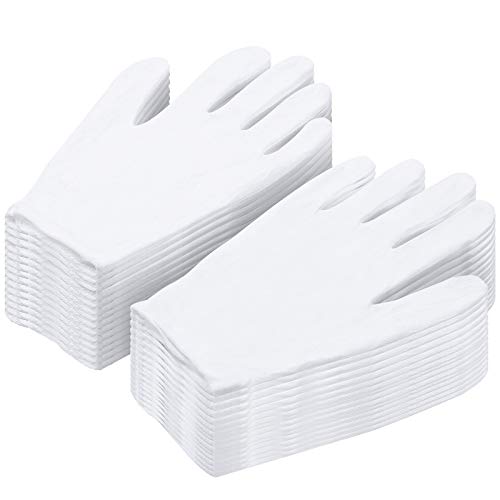
A pair of clean cotton gloves is the most important item in any collector's toolkit. They cost almost nothing and prevent irreversible damage every time you move, examine, or reframe a piece.
A pair of clean cotton gloves is the most important item in any collector's toolkit.
We recommend the Paxcoo Cotton Gloves for Art Handling — they come in a bulk pack, fit snugly, and are machine-washable. Keep a few pairs in your storage area, a pair near your hanging hardware, and a spare set in a drawer for guests who want a closer look at your collection.
Pro tip: Replace or wash your gloves regularly. Dirty cotton gloves defeat the purpose entirely. A pack of 12 pairs costs less than a single professional cleaning, so stock up.
Lint-Free Microfiber Cloths
Dust is the quiet enemy of every collection. It settles on glass, accumulates in frame corners, and grinds into canvas texture over time. Regular household cloths can scratch glass and leave fibers behind — microfiber is the solution.
The MagicFiber Premium Microfiber Cleaning Cloths are the same quality used by photography professionals and museum conservators. Use them dry for routine dusting and very lightly dampened (distilled water only) for glass and acrylic glazing.
What to avoid: Paper towels, feather dusters, and treated cleaning cloths (like Swiffer pads). Paper towels scratch acrylic glazing. Feather dusters just redistribute dust. Chemical-treated cloths can off-gas onto artwork surfaces.
Acid-Free Storage and Archival Materials
If you have works on paper — prints, watercolors, photographs, drawings, or documents — acid-free materials are non-negotiable. Standard cardboard, tissue paper, and even some craft-store mat boards contain acids that yellow, stain, and eventually destroy paper-based art. The Library of Congress preservation guidelines are clear: acid-free is the baseline for any paper storage.
Acid-Free Tissue and Interleaving Paper
When stacking framed works for storage or transport, you need a barrier between each piece. Regular tissue paper breaks down and deposits acids. Acid-free tissue paper remains chemically neutral for decades.
The Blick Acid-Free Tissue Paper is an affordable option that comes in large sheets. Use it between framed works, as wrapping for unframed pieces, and as padding inside storage boxes. At roughly a few cents per sheet, there is no reason to use anything else.
If you are matting and framing pieces yourself — or reframing estate works that arrived in deteriorating frames — always use acid-free mat board. The American Institute for Conservation recommends acid-free, lignin-free materials for any item you want to preserve long-term.
Budget-friendly acid-free mat board is widely available from art supply retailers. For basic backing, look for acid-free foam core rather than standard cardboard, which degrades within a few years.
This is where collector supplies and artist supplies briefly overlap — but for entirely different reasons. Artists use drawing paper to create. Collectors use it to document, catalog, and plan.
Quality Paper for Condition Reports
Every serious collector should keep written condition reports for each piece in their collection. When you acquire a work, document its current state: note any existing damage, discoloration, repairs, or frame condition. This record is invaluable for insurance claims, consignment, and resale.
The Strathmore 400 Series Drawing Paper is a workhorse pad that holds pencil, pen, and even light washes well. Use it for sketching condition notes, mapping damage locations on a drawn outline of the work, or creating layout plans for hanging arrangements.
Austin Art Insider
Free weekly guide to galleries, exhibitions & collecting in Austin.
Why not just use a phone? You should photograph everything too. But hand-drawn condition maps with annotations are still the standard in the art world because they force you to look closely and record details a photo might miss. Many appraisers and insurance adjusters prefer to see both.
Brushes for Gentle Cleaning
Soft-bristle brushes are essential for removing loose dust from textured surfaces like oil paintings, carved frames, and sculptural works. You do not want a stiff brush that could catch on impasto or flaking paint.
The Royal & Langnickel Zen Series Brushes are soft synthetic brushes originally designed for watercolor — which makes them ideal for gentle surface dusting. A medium flat brush and a small round brush cover most needs. Dedicate these to cleaning only; never use them with any liquid or solvent unless directed by a conservator.
Museums spend millions on climate control for a reason. Fluctuations in humidity and temperature cause canvas to expand and contract, paper to warp, and adhesives to fail. You do not need a museum HVAC system, but you do need to know what is happening in the rooms and closets where your art lives.
Digital Hygrometers
A basic digital hygrometer costs under fifteen dollars and tells you the current humidity and temperature at a glance. The ideal range for art storage is 40 to 55% relative humidity and 65 to 75 degrees Fahrenheit, according to the Canadian Conservation Institute's environmental guidelines.
The ThermoPro TP50 Digital Hygrometer is a reliable, inexpensive monitor that tracks both humidity and temperature with a high/low memory feature. Place one in each room where you display art and one in your storage area. If readings consistently fall outside the safe range, you know it is time to invest in a dehumidifier or humidifier before damage occurs.
Warning signs to watch for: Consistent humidity above 65% encourages mold growth and foxing on paper. Below 30% causes canvas to become brittle and paint to crack. If you see readings in these danger zones, act quickly.
65%
Warning signs to watch for: Consistent humidity above encourages mold growth and foxing on paper
UV Protection: Defending Against Light Damage
Light is cumulative and irreversible. Every hour of UV exposure fades pigments, yellows varnish, and weakens paper fibers. The National Gallery of Art's conservation resources document extensively how light damage ranks among the top threats to artwork longevity.
UV-Filtering Glass and Glazing Film
If you are framing works on paper, photographs, or textiles, always choose UV-filtering glass or acrylic. Museum-grade options like TruVue Museum Glass block 99% of UV light while remaining virtually invisible.
For pieces already framed with standard glass, Gila UV-Filtering Window Film can be applied to windows in your display rooms to reduce UV exposure at the source. A single roll covers multiple windows and costs a fraction of reframing every piece in your collection.
Placement matters: Even with UV-filtering glass, avoid hanging valuable works in direct sunlight. The safest wall in any room is the one that never receives direct sun exposure. North-facing walls are typically the best option.
You do not need a professional workshop to handle basic framing tasks. A small set of dedicated tools will let you reframe pieces, tighten loose hardware, and hang works securely.
The Essential Hanging Kit
Every collector should own the following:
A quality tape measure — for consistent spacing and leveling
A torpedo level — small enough to hold against a frame edge
Picture hanging hardware — D-rings and braided wire rated for the weight of your heaviest piece (never use sawtooth hangers for anything valuable)
Bumper pads — self-adhesive felt or rubber pads for the back corners of every frame to protect your walls and keep frames from shifting
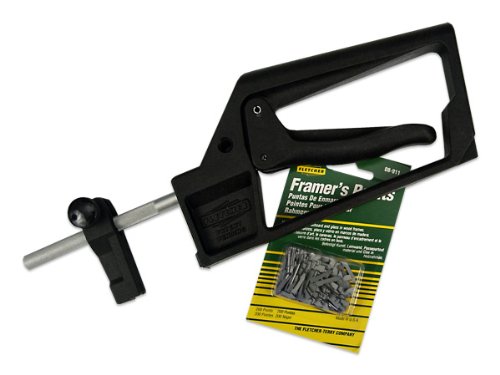
A point driver or glazier points — for securing glass and backing into wooden frames
The Fletcher FrameMate Point Driver is an affordable tool that makes securing backing and glass into frames quick and clean. It is the same type of tool used in frame shops and pays for itself after a few uses compared to the cost of professional framing.
Two D-rings connected by braided steel wire is the most secure hanging method for framed art. Position the D-rings about one-third of the way down from the top of the frame. The wire should have about two inches of slack when pulled taut at the center. This distributes weight evenly and allows minor adjustments once the piece is on the wall.
Cleaning Supplies for Frames and Glass
Routine cleaning is one of the simplest ways to maintain your collection's appearance and value. The key is using the right products — not household glass cleaners.
What to Use (and What to Avoid)
For glass: Distilled water on a microfiber cloth. If needed, a tiny drop of isopropyl alcohol on the cloth for stubborn spots. Never spray liquid directly onto glazing — it can seep behind the glass and onto the artwork.
For acrylic/Plexiglas: Distilled water only. Acrylic scratches easily and reacts to many chemical cleaners. The Golden Artist Colors technical resources offer detailed guidance on cleaning and maintaining various art surfaces.
For gilded or decorative frames: A very soft brush only. Never use any liquid on gilded surfaces unless advised by a conservator.
For canvas surfaces: Soft brush dusting only. Do not attempt to clean an oil painting with any liquid, solvent, or household product. If a painting needs cleaning, consult a professional conservator through the American Institute for Conservation's Find a Conservator directory.
Storage Materials for Long-Term Protection
Whether you are rotating pieces seasonally or storing estate works until they are ready for consignment, proper storage materials prevent damage during the months or years a work sits out of sight.
Art Storage Essentials
Acid-free corrugated storage boxes — available in flat sizes designed for framed works
Polyethylene foam sheets — chemically inert padding that will not off-gas or transfer chemicals to surfaces
Silica gel packets — placed inside sealed storage containers to absorb excess moisture (replace or recharge them every few months)
Corner protectors — cardboard or foam corners that shield frame edges during storage and transport
Storage orientation matters: Store framed works vertically, not flat-stacked. Stacking frames horizontally puts weight and pressure on the glazing and can crack glass or crush delicate frames. Use vertical dividers or lean works against a padded wall with acid-free tissue between each piece.
Building Your Kit: A Practical Budget
Here is what a complete starter kit costs, roughly estimated:
Supply
Approximate Cost
Cotton gloves (12 pairs)
$8-12
Microfiber cloths (6 pack)
$7-10
Acid-free tissue paper (100 sheets)
$10-15
Digital hygrometer
$10-13
Strathmore drawing pad
$8-12
Soft cleaning brushes
$8-15
UV window film
$15-25
Point driver
$20-30
Hanging hardware (D-rings, wire, bumpers)
$10-15
Total
$96-147
For under $150, you have a complete collector's care kit that will protect thousands of dollars worth of art. Compare that to the cost of a single professional conservation treatment — which can easily run $300 to $1,500 per piece — and the math is obvious.
Compare that to the cost of a single professional conservation treatment — which can easily run $300 to $1,500 per piece — and the math is obvious.
What Collectors Do Not Need
It is worth clarifying what you can skip. Many art supply guides are written for artists, not collectors, and the overlap is smaller than you might think.
Easels — Unless you are also a painter, you have no use for one.
Paint, pigments, or mediums — Never attempt to touch up or restore a piece yourself. Ever.
Fixative sprays — These are for artists working in charcoal or pastel. Applying fixative to a finished work you own could destroy it.
Solvents and varnishes — Leave these to professional conservators. Improper varnish removal is one of the most common forms of collector-caused damage.
Stretcher bars and raw canvas — These are for artists preparing to paint, not for collectors.
The line is simple: collectors preserve and protect. Artists create. Your supply kit should reflect that distinction.
Next Steps
If you are just beginning to build a collection, our guide on starting a small art collection covers everything from finding your first pieces to understanding market value.
For collectors with estate or inherited works that need professional evaluation, Austin Gallery offers complimentary consignment consultations. We help you understand what you have, what it is worth, and how to move forward — whether that means selling, displaying, or preserving your collection for the next generation.
Investing in the right supplies is the first step toward being a responsible collector. The tools listed here cost less than a single night out, but they will protect your art for decades. Start with gloves and microfiber cloths, add acid-free storage materials, and build from there as your collection grows.
The Supply Starter Kit
The specific products we keep coming back to. Each link is affiliate — clicking through and buying supports the work we do here at no cost to you.