Austin Gallery
Art SuppliesJune 27, 2026Updated June 27, 202612 min read

Home Art Studio Setup (2026): The Complete Checklist for a Real Studio

You don't need a spare room — you need the right few pieces. Here's the complete checklist, in priority order, that turns any corner into a real working art studio.

By Justin Park · How we research

You don't need a spare room or a warehouse loft to have a real art studio — you need a corner and the right few pieces. The difference between "a place I sometimes make art" and "my studio" comes down to a handful of upgrades that make the space stable, well-lit, organized, and healthy to work in for hours.

This is the complete checklist, in the order it matters. Start with the foundation — a steady easel and accurate daylight lighting (you can't paint color you can't see correctly). Add the things that let you work for hours — a supply station within reach, the right seating, and storage that keeps paper flat and tools findable. Then protect the thing that's easy to forget: the air you breathe, because solvents and dust add up in a closed room. Selling what you make, too? See our guide to selling art online and the print-selling starter kit. Every link goes to Amazon with our affiliate tag; we earn a small commission at no cost to you.

In a Hurry?

The 3 picks that cover most readers. Tap to read the full review or buy direct.

Top Pick · The Easel

MEEDEN H-Frame Easel

MEEDEN H-Frame Easel

$129.14

A rock-steady studio easel — the foundation everything orbits.

Don't Skip · Lighting

Verilux Daylight Lamp

Verilux Daylight Lamp

$59.99

Full-spectrum light so the color you mix is the color that's there.

Best Budget · Under $25

Bamboo Supply Organizer

Bamboo Supply Organizer

$23.70

Tools upright and sorted — the easiest studio yes.

The best studio easelTop Pick

Role

The work surface

Type

H-frame (studio)

Material

Solid beech

Strength

Rock-steady for large canvas

Adjusts

Tilt + height

Pros

  • Dead-steady H-frame stability
  • Handles large canvases
  • Solid beech build
  • Tilts for watercolor

Cons

  • Needs floor space
  • Not for travel

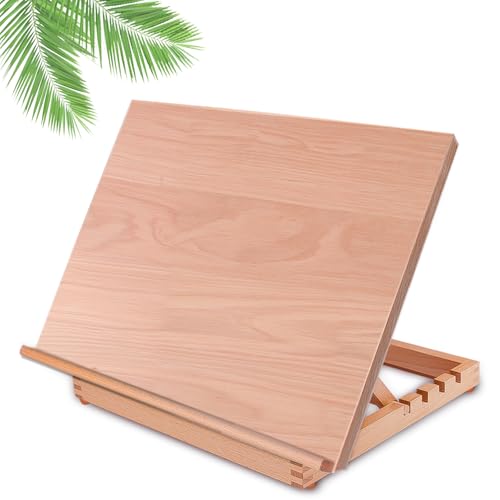
A studio starts with a surface that doesn't move — and an H-frame easel is the workhorse serious artists build around. Unlike a flimsy tripod (A-frame) easel, the H-frame's heavy beech base stays dead steady when you're scrubbing in paint, and it holds large canvases without wobble or creep.

Why H-frame over A-frame: stability. The moment you work bigger than a sketch, a wobbly easel fights you — an H-frame doesn't. It's the foundation everything else in the studio orbits. See our full easel guide for more options and sizes.

It tilts for watercolor, raises for tall canvases, and folds reasonably flat when space is tight.

What we don't like

It's a substantial piece of furniture, so it needs floor space; pure travelers or tiny-apartment artists may prefer a folding A-frame or tabletop easel.

Best studio lighting (true color)Don't Skip

Role

Accurate lighting

Spectrum

Full-spectrum, daylight-balanced

Shows

True color

Adjusts

Brightness + position

Best

Over an easel or desk

Pros

  • Shows true color for mixing
  • Daylight-balanced + bright
  • Adjustable brightness + arm
  • Affordable

Cons

  • One lamp lights one zone

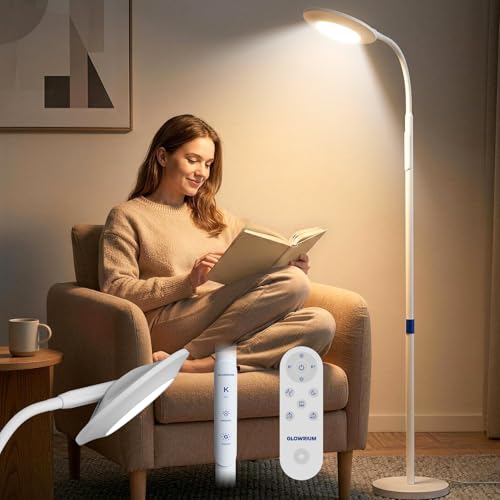
You can't mix color you can't see correctly — and most home lighting lies to you. Warm household bulbs make a painting look one way under your lamp and completely different in daylight or in a buyer's home. A full-spectrum daylight lamp shows true color, so the work looks right everywhere.

The Verilux gives bright, neutral, adjustable daylight-balanced light over your easel or desk — the difference between guessing at color and seeing it. Pair it with our studio lighting guide for a full setup.

What we don't like

A single lamp lights one zone — a large studio wants two for even, shadow-free coverage.

Best supply station (the splurge)Best Splurge

Role

Supply station

Material

Solid beech, 5 tiers

Mobility

Locking casters

Holds

Paints, brushes, mediums, tools

Best

Beside the easel

Pros

  • Everything within arm's reach
  • Beautiful solid-beech build
  • Rolls and locks
  • Huge organized capacity

Cons

  • Premium price
  • Assembly takes time

A taboret — the artist's rolling supply station — is the upgrade that makes a studio feel like a studio. This solid beech five-tier cart rolls right up to your easel and keeps paints, brushes, mediums, and palette knives organized and within arm's reach, so you stop hunting for supplies mid-flow.

It's an investment, but it's beautiful, holds a serious amount of gear, and the locking wheels keep it put while you work. The centerpiece of an organized studio.

What we don't like

Premium price, and assembly takes some time. Budget artists can start with the 10-drawer cart below and upgrade later.

Best studio seating

Role

Studio seating

Height

Adjustable (drafting height)

Support

Backrest + foot ring

Mobility

Rolling

Best

Easel + raised desks

Pros

  • Reaches easel/desk height
  • Foot ring eases long sessions
  • Backrest for assessing
  • Rolls in and out

Cons

  • Takes adjusting to a tall stool

Standard chairs are too low for an easel or a raised work surface — a drafting stool fixes the height and saves your back. The tall adjustable seat brings you up to the work, the foot ring takes the strain off your legs during long sessions, and the backrest supports you when you sit back to assess.

It rolls out of the way when you want to stand and paint, and rolls back when you need to settle in for detail work.

What we don't like

Tall stools take a little getting used to, and the foot ring height suits average heights best.

Best for paper & supply storage

Role

Paper + supply storage

Drawers

10 (wide, shallow)

Mobility

Rolling

Best

Paper, prints, tools, WIPs

Value

Affordable storage backbone

Pros

  • Sorts paper + supplies
  • Keeps flat work flat
  • Rolls anywhere
  • Great value

Cons

  • Plastic, not wood
  • Not for oversized paper

Loose paper and scattered supplies are the enemy of a usable studio. A 10-drawer rolling cart sorts paper, sketchbooks, tools, and works-in-progress into labeled drawers that keep flat work flat and small supplies findable — the affordable backbone of studio organization.

It rolls where you need it, the wide shallow drawers suit paper and prints, and at this price it's the easy first storage buy before a full taboret or flat file.

What we don't like

Plastic drawers aren't as handsome as wood, and very large paper needs a true flat file.

Austin Art Insider

Free weekly guide to galleries, exhibitions & collecting in Austin.

Best for studio air (fumes & dust)

Role

Air quality

Filtration

True H13 HEPA + activated carbon

Targets

Fumes, VOCs, dust

Built for

Resin / craft / studio air

Best

Enclosed home studios

Pros

  • HEPA + carbon for fumes and dust
  • Built for studio/resin air
  • Protects your lungs long-term
  • Quiet enough to run all day

Cons

  • Not a replacement for ventilation with strong solvents
  • Filter replacements add up

The least glamorous studio upgrade and one of the most important: your lungs. Solvents, resin, spray fixative, pastel and graphite dust, and oil-medium fumes all hang in the air of a closed home studio. A HEPA-plus-carbon purifier built for fumes pulls those particles and VOCs out of the air you're breathing all day.

This one is designed for resin and craft fumes specifically, with a true H13 HEPA filter and activated carbon — exactly what a home studio needs that a basic dust filter doesn't.

What we don't like

It's not a substitute for real ventilation with the most toxic solvents — crack a window too. Replacement filters are an ongoing cost.

Best for keeping it tidy (under $25)Best Budget

Role

Desktop organization

Material

Bamboo, rotating

Holds

Brushes, pens, tools

Access

360° spin

Cost

Under $25

Pros

  • Keeps tools upright + sorted
  • 360° rotating access
  • Looks great on a desk
  • Under $25

Cons

  • Desktop tools only

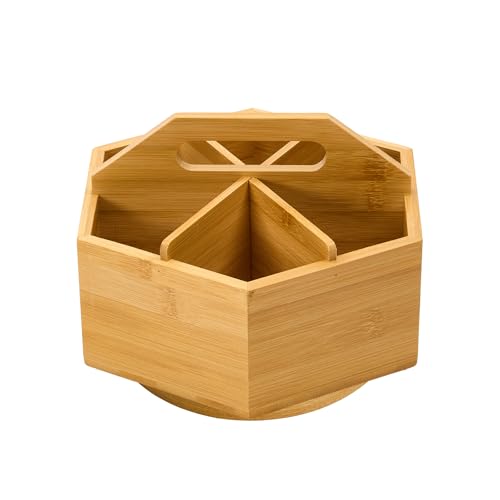
A small tidy upgrade that pays off every single session. A rotating bamboo organizer keeps brushes, pens, pencils, scissors, and tools standing upright and sorted, so the thing you reach for is always right there — a 360° spin away instead of buried in a drawer.

At under $25 it's the easiest yes in the studio, and the bamboo looks far nicer on a desk than a plastic cup of brushes.

What we don't like

Sized for handheld tools, not large supplies — it organizes the desktop, not the whole studio.

How we
chose

We built this checklist by what actually turns a room into a working studio, in priority order:

  • Stability first. A wobbly easel fights you the moment you work bigger than a sketch, so a steady H-frame leads — everything else orbits the work surface.
  • Light you can trust. You can't mix color you can't see correctly, so accurate daylight lighting is a "don't skip," not a nice-to-have.
  • Within reach + organized. A supply station, seating at the right height, and real storage are what let you work for hours instead of constantly hunting and shifting.
  • Don't forget your lungs. Fumes and dust are the invisible studio hazard, so air filtration earns a spot most checklists skip.
  • Budget to splurge. We named an under-$25 starter and a premium taboret, and were clear about where to begin and what to upgrade later.

Share this guide

Share

Common Questions

Frequently Asked Questions

Have art
to sell?

Austin Gallery specializes in selling inherited art, estate collections, and fine art with zero upfront fees. Get a free evaluation today.