The Best Vrbos in Dallas-Fort Worth, by Area
DFW is two real cities and a stadium empire between them, and booking "a Dallas Vrbo" without picking a side is how weekends get spent on freeways. Uptown, Bishop Arts, Deep Ellum, downtown, the Stockyards, the Cultural District, and Arlington are seven different trips. This guide ranks them so you book the right one.
No fake listings, no "this exact loft overlooks the murals" bait. We cover the areas, the distances, and the real math, then hand you a live search for each side.
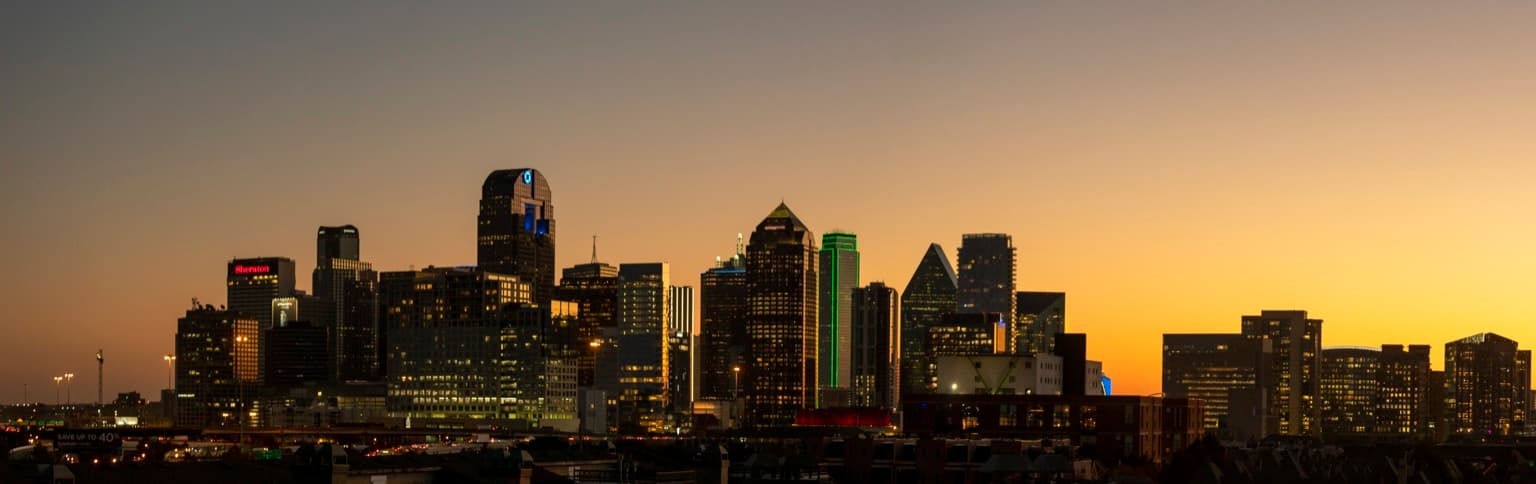
How to Choose Your Side of the Metroplex
Two minutes of orientation before the rankings.
The metroplex's first rule: distance is the enemy. Dallas and Fort Worth sit 35 miles apart with Arlington's stadiums between them, and a badly placed rental converts a food-and-museums weekend into a driving tour of I-30. The fix is to pick your anchor first, Dallas nights out, Fort Worth museums and Stockyards, or an Arlington event, and book inside that anchor's zone, treating the other city as one planned day trip.
Character-wise the two downtowns are a genuine contrast pair: Dallas glassy, ambitious, restaurant-obsessed; Fort Worth brick-paved, western, and unhurried, with a museum cluster that quietly outclasses its bigger neighbor. Rentals across both run cheaper than Austin equivalents, and the deep suburban house market keeps group trips affordable.
We ranked for the realistic visiting weekend: two or three nights, one anchor city, one big outing, minimal freeway time. Walkable character scored up; event zones scored on their event math.
Pick Your Area in 30 Seconds
Seven areas across both cities. Match your trip, then read that section.
| Area | The trip it's for | Typical band | Search |
|---|---|---|---|
| Uptown Dallas | Walkable food-and-trail weekends | $150-350/nt | Vrbo → |
| Bishop Arts District | Indie shops, bungalow charm | $120-300/nt | Vrbo → |
| FW Cultural District | The Kimbell-and-Modern museum weekend | $130-325/nt | Vrbo → |
| FW Stockyards | Longhorns, honky-tonks, full Texas | $150-400/nt | Vrbo → |
| Deep Ellum | Live music and late nights | $120-300/nt | Vrbo → |
| Downtown Dallas | Event weeks, skyline condos | $120-300/nt | Vrbo → |
| Arlington stadium zone | Cowboys, Rangers, Six Flags crews | $120-350/nt | Vrbo → |
Price bands are the ranges listings typically show; event weekends run far higher. The live listing total is always the truth.
Uptown Dallas
Uptown is the one Dallas neighborhood where the no-car weekend genuinely works, which in this metroplex is worth the top spot by itself. The McKinney Avenue corridor stacks restaurants, patios, and bars for blocks; the free vintage M-Line trolley trundles the spine of the neighborhood down to the Dallas Arts District; and the Katy Trail, the city's beloved rails-to-trails promenade, runs along Uptown's edge as its jogging, strolling, people-watching artery.
Rentals are condos and townhomes rather than houses, modern, well-finished, and priced below what the neighborhood's polish suggests, because Dallas's rental market is deep. From an Uptown base you can walk to dinner every night, trolley to the Arts District's museums (the Nasher Sculpture Center and Dallas Museum of Art anchor the largest contiguous urban arts district in the country), and rideshare the short hops to Deep Ellum or the Design District.
This is the default recommendation for a first Dallas weekend, a couples trip, or any group whose itinerary is mostly eating, walking, and one museum. It is Dallas with the friction removed.
- ·Katy Trail at golden hour, the city's best free hour
- ·Ride the free M-Line trolley end to end once
- ·Nasher Sculpture Center, then the Arts District on foot
- ·Klyde Warren Park, the deck-park over the freeway, for food trucks
Uptown is polished, not edgy; if your Dallas fantasy involves murals and live-music grit, that is Deep Ellum's section below. Weekend bar noise near McKinney Ave is real; check which way a unit faces.
The Bishop Arts District
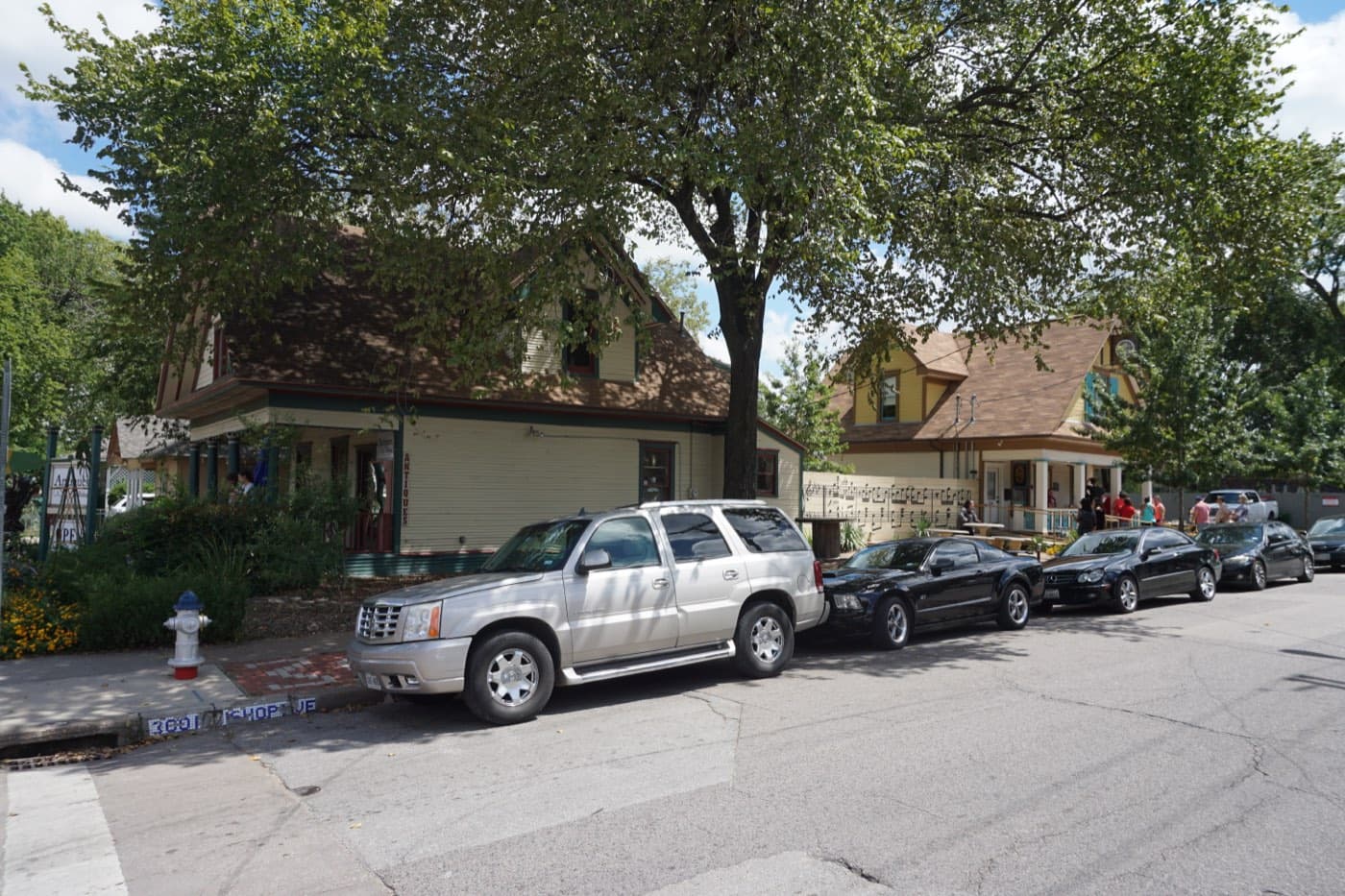
Bishop Arts is the Dallas that surprises people who think they know Dallas: a walkable village of indie boutiques, bookshops, taquerias, pie counters, and patio restaurants in the heart of North Oak Cliff, surrounded by streets of craftsman bungalows under old trees. The rental stock is those bungalows, plus backyard casitas, and staying in one gives the weekend a neighborhood rhythm no tower condo can fake.
The district itself covers a handful of dense blocks, easy to cover in a day of browsing and grazing, but its gravity holds the whole surrounding area: the Texas Theatre's repertory screenings on Jefferson Boulevard, the taco corridors running west, and a streetcar link that connects toward downtown. Culturally it leans local, Latino-rooted, artist-tenanted, and fiercely independent, which keeps the shops and menus interesting.
Book Bishop Arts when the trip is about wandering rather than checklisting. It pairs beautifully with one downtown day (the Sixth Floor Museum is a ten-minute drive) and one Deep Ellum night.
- ·Shop the Bishop Avenue blocks slowly; the point is the browsing
- ·Pie or paletas as a standing afternoon ritual
- ·A repertory night at the Texas Theatre, of Oswald infamy and great programming
- ·Taco crawl west along the neighborhood corridors
The charming blocks are few, and gentrification-era pricing has arrived in the immediate core; a listing 'in Bishop Arts' may sit a 20-minute walk out in ordinary residential Oak Cliff. Check the map pin before paying the district premium.
The Fort Worth Cultural District + Near Southside
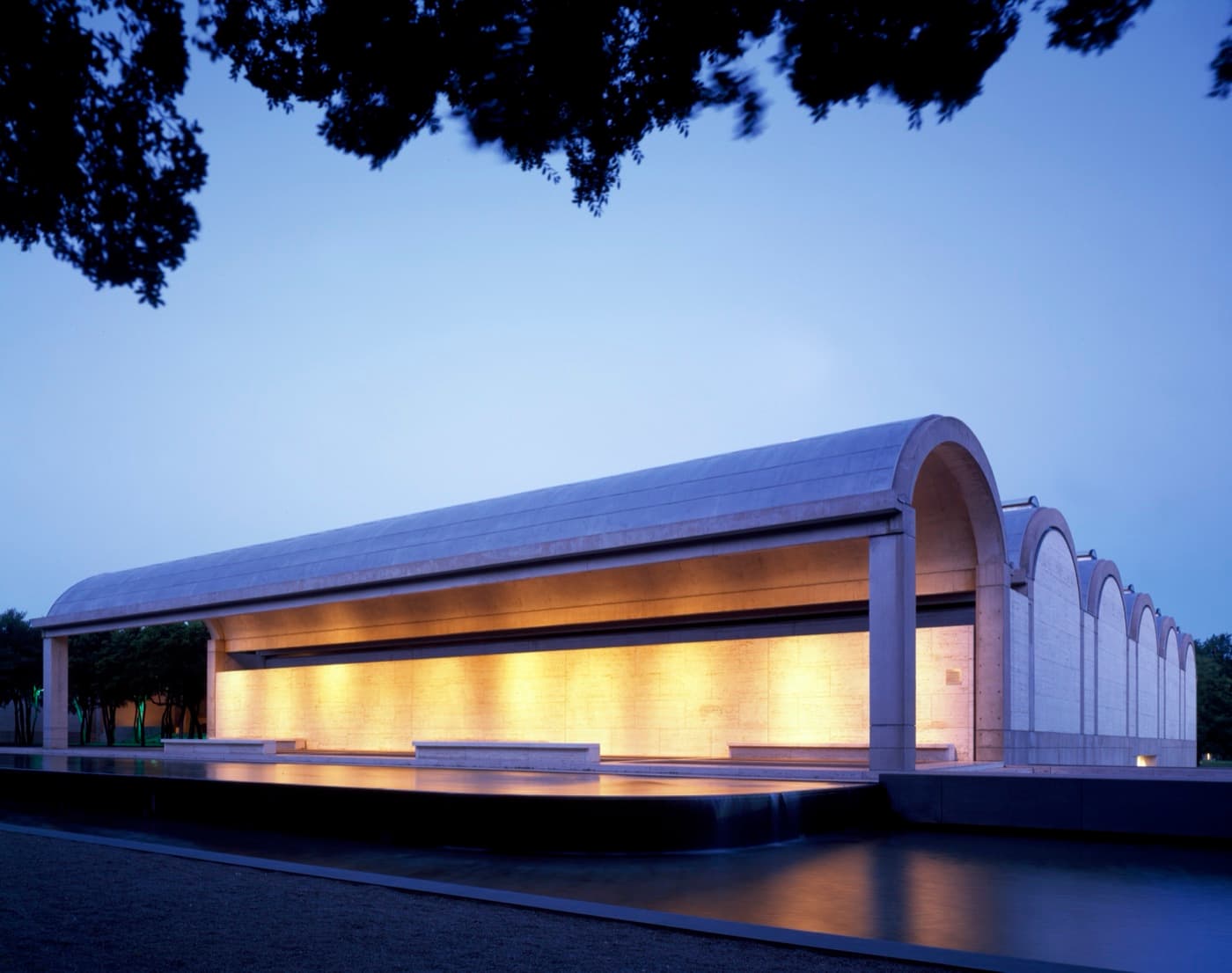
Here is the quiet truth of the metroplex: the best museum cluster between the coasts sits in Fort Worth, not Dallas. The Kimbell Art Museum, Louis Kahn's building holding a collection that runs Caravaggio to Cezanne, faces Tadao Ando's Modern Art Museum of Fort Worth across the street, with the Amon Carter's American masters and the Cowgirl Museum a lawn away. A rental in the surrounding bungalow streets turns that cluster into your neighborhood for a weekend.
Pair it with the Near Southside and Magnolia Avenue, Fort Worth's restaurant-and-brewery spine a short drive southeast, and you have a complete grown-up weekend: Kahn light in the morning, patio lunch, Ando galleries in the afternoon, Magnolia for dinner. The whole circuit runs at Fort Worth's unhurried register, which after a Dallas day feels like exhaling.
Rentals are craftsman cottages and garage apartments in the Fairmount historic district and the streets around the museums, generally cheaper than equivalent Dallas neighborhoods, one more argument for giving Fort Worth the culture nights.
- ·The Kimbell, slowly; the building is half the collection
- ·The Modern across the street, then its reflecting-pond cafe
- ·Magnolia Avenue's restaurant crawl in Fairmount
- ·Fort Worth Botanic Garden mornings before museum hours
Fort Worth evenings run early; this is not a nightlife base, and big stock show or event weeks at the nearby Will Rogers complex can spike prices unexpectedly. Check the local calendar against your dates.
The Fort Worth Stockyards
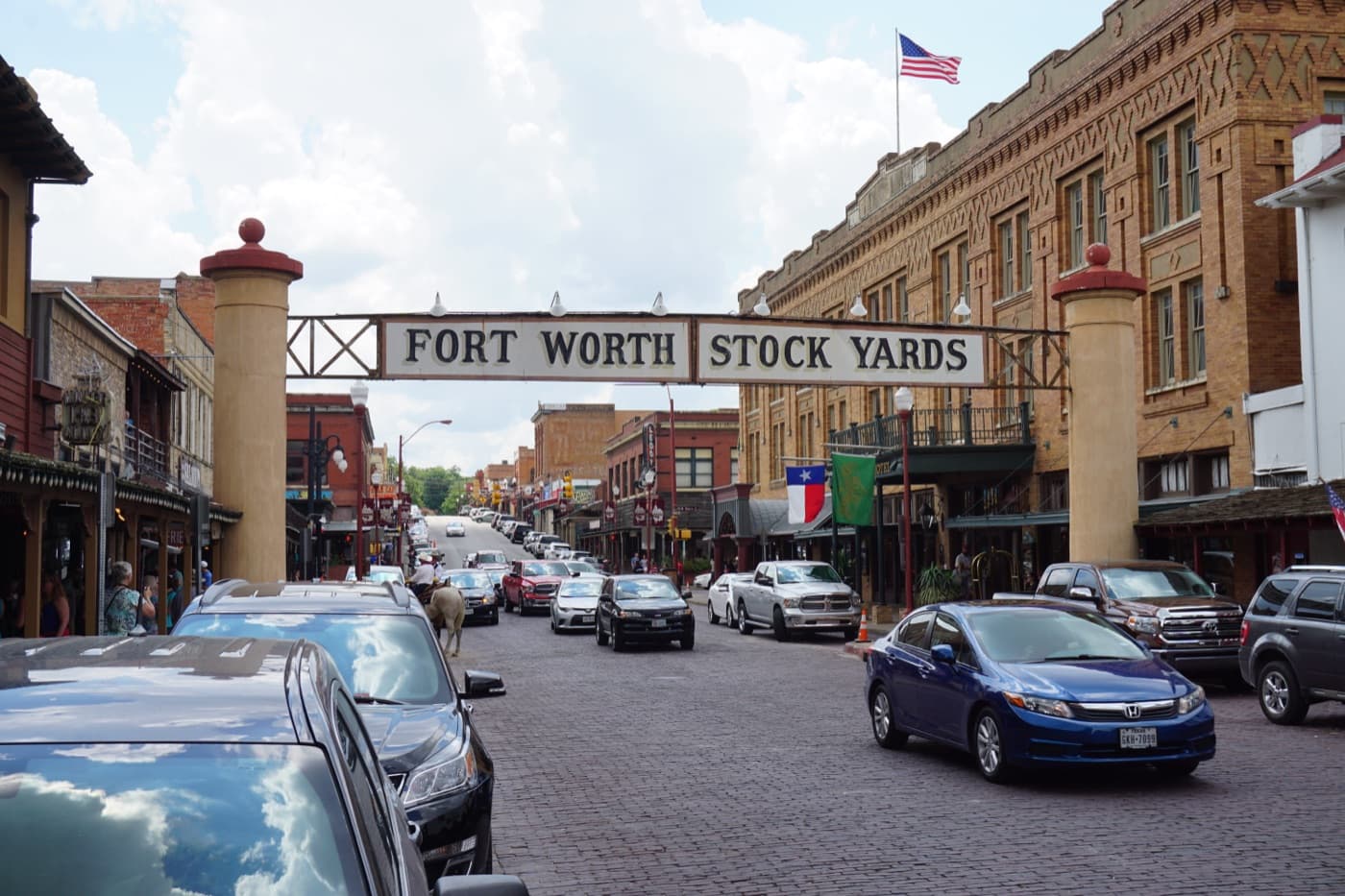
The Stockyards National Historic District is the most Texas place in the metroplex and knows it: twice a day, drovers in period dress walk a string of longhorns down East Exchange Avenue's brick street, past the century-old livestock exchange buildings that now hold saloons, steakhouses, boot makers, and the world's largest honky-tonk, Billy Bob's Texas, where the rodeo bulls buck indoors and the dance floor runs to live country nightly.
Yes, it is theatrical. It is also genuinely historic, this was one of the great cattle-shipping centers of the West, and the recent restoration wave (Hotel Drover, Mule Alley's shops and restaurants) upgraded the food and polish without sanding off the brick. For out-of-state guests, kids, or anyone's first Texas weekend, no other DFW zone delivers the postcard this completely.
Rentals cluster in the surrounding historic-north-side blocks: renovated cottages, new builds, and bunkhouse-styled places trading on the theme. Walking distance to Exchange Avenue is the amenity to verify; the district's gravity drops fast beyond a half mile.
- ·The cattle drive, then the Livestock Exchange buildings' museums
- ·Billy Bob's for the indoor rodeo bulls and a two-step lesson
- ·Mule Alley's revived shops and restaurants
- ·Joe T. Garcia's sprawling patio, a Fort Worth institution nearby
The Stockyards are a show, and weekend crowds play their part; rodeo and stock-show season weekends price like events. If you want Fort Worth without the hat, the Cultural District above is the calmer, cheaper sibling.
Deep Ellum
Deep Ellum has been Dallas's music quarter since the 1920s, when blues legends worked its Elm Street clubs, and the current version keeps faith: a dense grid of venues from big rooms to dive stages, murals on nearly every brick wall, breweries, late-night food, and tattoo parlors that predate the neighborhood's rediscovery. If the weekend's spine is shows and bar-hopping, sleeping inside the district beats commuting to it.
Rentals are lofts in converted industrial buildings and renovated shotgun houses on the residential fringes. The neighborhood's texture is the draw: walk out to coffee among the murals, catch an afternoon gallery or record shop, dinner, then whatever is on the marquees, all on foot.
It ranks mid-list because it is a specialist's zone: unbeatable for its trip, wrong for others. Families and early sleepers should look at Uptown or Fort Worth; Deep Ellum's job is to be loud and alive, and it does its job.
- ·Check the venue calendars before booking dates, then build around a show
- ·Self-guided mural walk; the alleys hide the best ones
- ·Record shops and vintage stores along Elm and Main
- ·Late-night tacos as the closing ritual; the district specializes
Weekend nights are genuinely rowdy, and street scenes late can get sloppy; this is the trade for sleeping inside a nightlife district. Light sleepers should book a fringe block or pick another zone entirely.
Downtown Dallas
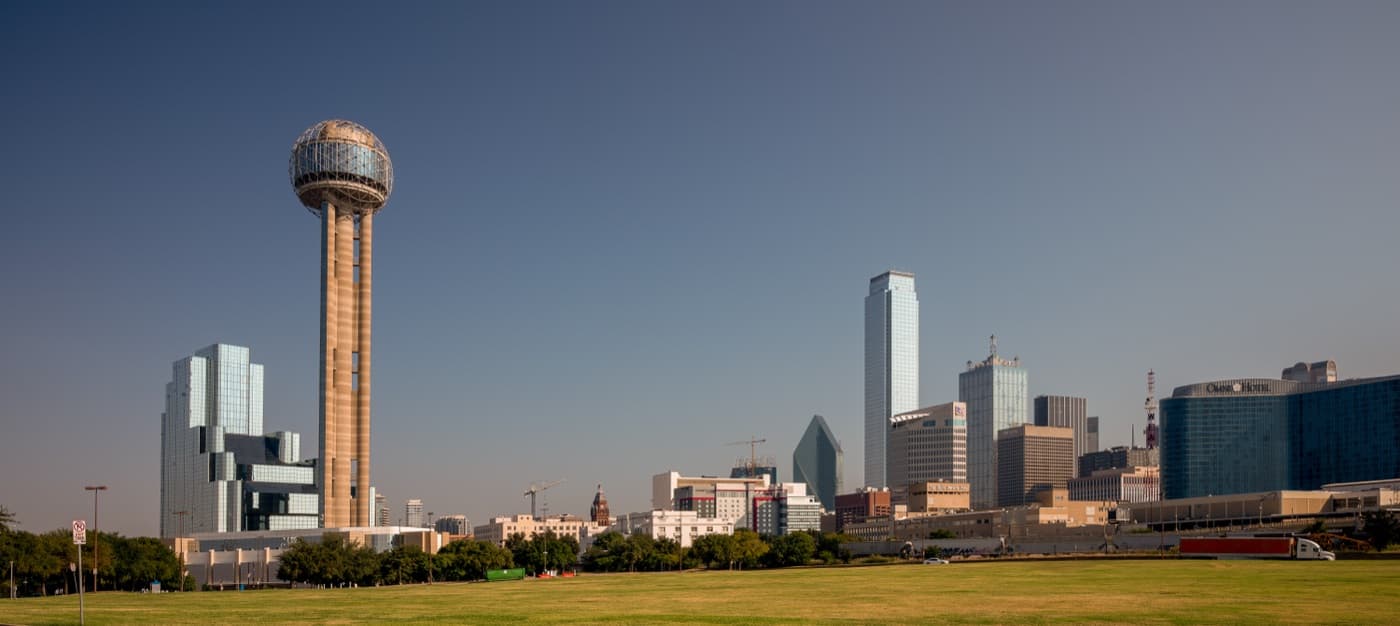
Downtown Dallas is the high-rise-condo play: converted office towers and residential skyscrapers with skyline views, walkable to the Arts District's museums, Klyde Warren Park, the Sixth Floor Museum at Dealey Plaza (the JFK site remains one of the most affecting museums in the country), and Reunion Tower's observation deck. For a trip anchored on a downtown event, convention, or arena night, the convenience is unbeatable.
The rental value can be startling, full high-rise one-bedrooms at mid-hotel prices, and the DART light-rail hub downtown gives car-free reach to more of the metroplex than visitors expect, including a direct airport line.
The catch is a familiar American-downtown one: streets quiet down after office hours outside a few pockets, and the ground-level scene between destinations can be sparse. Downtown works best as a launchpad with a view; the neighborhood life you will actually remember happens in Uptown, Bishop Arts, and Deep Ellum, each a short hop away.
- ·The Sixth Floor Museum, unhurried; it earns the time
- ·Klyde Warren Park and the Arts District circuit on foot
- ·Reunion Tower at sunset for the orientation view
- ·DART somewhere on purpose; it's better than its reputation
Blocks vary sharply; a tower on one corner and a dead stretch on the next. Check the immediate surroundings on street view, confirm parking costs (rarely free downtown), and expect quiet, not buzzing, weekday evenings.
The Arlington stadium zone
Arlington is the metroplex's events engine: AT&T Stadium (the Cowboys' billion-dollar spaceship, worth touring even without a game), the Rangers' retractable-roof ballpark next door, the surrounding entertainment district's bars and bowling-hall complexes, and the original Six Flags Over Texas with Hurricane Harbor across the highway. Nothing else in Texas concentrates this much big-event hardware in one interchange.
The rental market is suburban houses ringing the stadium district, and the playbook is the game-day group: six friends, a house 10 minutes from the lots, grill the night before, walk or one short rideshare to the tailgate. For Six Flags families, a pool house nearby beats commuting from either downtown, especially in summer when the park-morning-pool-afternoon rhythm saves the day.
Ranked last only because it is the least neighborhood-like zone on this list: Arlington famously lacks transit and a walkable core, so between events you will drive everywhere. For its specific trips, though, nothing else is even the right answer.
- ·AT&T Stadium tour on a non-game day; the scale does not translate on TV
- ·Rangers game under the closed roof in July, an air-conditioned miracle
- ·Six Flags early entry, pool house by 2pm
- ·Split one day to a downtown, Fort Worth's Stockyards being closest
Cowboys weekends, big concerts, and marquee college games send prices to multiples of normal and minimum stays appear; book the moment your event's date is known. Non-event weekends, the zone is plain suburbia, pleasant, but bring plans.
Costs, Event Pricing, and When to Book
DFW's baseline is friendly: $120 to $350 covers most central listings, and ordinary weekends need only 2 to 3 weeks of lead time. The market's personality is its event spikes, and they are dramatic: Cowboys home games and marquee concerts around Arlington, the State Fair of Texas through late September and October on the Dallas side, and the Fort Worth Stock Show through much of January and February can double or triple affected zones and trigger minimum stays. The working rule: know what is on the metroplex calendar for your dates before you assume the baseline.
Fees typically add $75 to $200 per booking. Summer is the value season for the walkable zones (Texans know why: it is 100 degrees) and the peak for pool houses near Six Flags; spring and fall are the pleasant-weather premium windows everywhere.
DFW Rental Questions, Answered Straight
What is the best area to stay in Dallas?
+
Uptown, for most visitors: it is the city's most walkable neighborhood, with the McKinney Avenue restaurant corridor, the free M-Line trolley, and the Katy Trail, and it sits one trolley ride from the Arts District museums. Bishop Arts is the charm-and-indie alternative; Deep Ellum is the live-music base; downtown wins for event weeks.
Should I stay in Dallas or Fort Worth?
+
They are 35 miles apart and genuinely different cities. Pick Dallas for restaurants, nightlife, shopping, and big-city polish; pick Fort Worth for the Stockyards' western show, the Kimbell and Modern museums, and a slower, friendlier register. If the trip is split between both, stay near your evening plans; crossing the metroplex at night is a 40-plus-minute drive.
How much does a Vrbo cost in Dallas-Fort Worth?
+
Central neighborhoods on both sides typically list around $120 to $350 a night, cheaper than equivalent Austin areas. Suburban and Arlington houses run similar money with more space. The big exception is event pricing: Cowboys home games, major concerts, and stock show weekends can multiply Arlington and central rates. Fees typically add $75 to $200 per booking.
Where should I stay for a Cowboys game at AT&T Stadium?
+
In the Arlington stadium zone itself: suburban houses within 10 to 15 minutes of the entertainment district, booked as early as the schedule allows. Staying in either downtown means a 25-to-40-minute drive plus game traffic each way. Groups splitting a house near the stadium get the tailgate-adjacent weekend the trip is actually about.
Is Deep Ellum safe to stay in?
+
It is a busy urban nightlife district: lively and well-trafficked in the evenings, rowdier late on weekend nights, with the ordinary big-city advice applying, stay aware, stick to the populated blocks late. Thousands of visitors do Deep Ellum weekends without incident; light sleepers and families are happier in Uptown or Fort Worth regardless.
How far apart are Dallas and Fort Worth?
+
About 35 miles city center to city center, roughly 40 to 60 minutes by car depending on traffic, with Arlington's stadium district in between. The TRE commuter rail links the two downtowns on weekdays and Saturdays. Plan the trip as one-base-plus-day-trips rather than bouncing nightly.
What is the best family area in DFW?
+
For a theme-park trip, an Arlington pool house near Six Flags. For a culture-and-zoo weekend, Fort Worth: the Cultural District rentals put the museums, the excellent Fort Worth Zoo, and the Stockyards cattle drive all within 15 minutes. Dallas-side families do well in Uptown near Klyde Warren Park and the Perot Museum.
Do I need a car in Dallas-Fort Worth?
+
Mostly yes. Exceptions: an Uptown Dallas stay built on walking, the trolley, and rideshares works fine, and a downtown base near DART covers museums and the airport. Fort Worth's districts and Arlington effectively require driving. The metroplex is 9,000 square miles; respect it.
The halfway stop on I-35: Magnolia, Baylor game days, and barndominium country ranked.
The other giant: Montrose, the Heights, EaDo, and the rest of Houston ranked.
Riverwalk condos, King William historic homes, and the theme-park zone ranked.
The hub guide: Hill Country, lakes, rivers, coast, wine country, and the in-town staycation.
Vrbo links on this page are commissionable through the Expedia Group creator program. Your price is unchanged; we earn a small commission on completed bookings.