Austin Gallery

Family & Kids

The Complete Guide to Painting Rocks With Kids 2026: Supplies, Templates & Step-by-Step

Everything you need to paint rocks with kids in 2026 — 18 tested supplies, a 7-step beginner walkthrough, 12 easy design templates (ladybugs, owls, mandalas, monsters), and the Kindness Rocks movement explained. Pinterest-favorite craft, done right.

By Austin Gallery EditorialMay 24, 202618 min read
A row of brightly painted blue rocks with white-lettered messages — 'It's not happiness that brings us gratitude... it's gratitude that brings us happiness.' The Kindness Rocks aesthetic — colorful, hand-painted river rocks in a public space for strangers to find.

Photo: Unsplash

Quick Picks

Painting rocks is the rare kids' craft that's actually fun for parents too. The supplies are cheap (under $100 for a full kit). The setup takes 5 minutes. Kids can paint a rock in 10 minutes or spend an hour on a mandala. And when you join the Kindness Rocks movement — painting rocks with kind messages and hiding them in public for strangers to find — the activity becomes one of the few crafts that teaches generosity through the doing.

This guide covers everything: 18 tested supplies we use ourselves (paint markers, acrylics, smooth rocks, sealants, brushes, glow-in-the-dark paint), a 7-step beginner walkthrough that turns any 6-year-old into a rock-painter in their first session, 12 easy design templates (ladybugs, owls, monsters, mandalas — with progression from age-4 simple to age-12 complex), and the full Kindness Rocks movement explained with how to join your local group.

Budget orientation: a complete starter kit costs $97 from Amazon — 60 river rocks, POSCA markers, sealant, smocks, and a craft mat. The fully-loaded kit (everything in this guide) runs $230 and lasts a typical family 6-12 months of weekend craft sessions.

In a Hurry?

The 3 picks that cover most readers. Tap to read the full review or buy direct.

Editor's Pick

POSCA PC-5M 16-Color

$32.00

Gold standard rock-painting markers. Water-based, non-toxic, 18K Amazon reviews at 4.8 stars.

Best Value

Apple Barrel 18-Pack

$29.87

84K reviews. The acrylic paint every school art teacher stocks. $1.65 per 2oz bottle.

Magic Moment

12-Color Glow Paint Set

$13.99

The "wait, what?!" reaction add-on. Charges in 10 min, glows 30+ min. UV-reactive bonus.

Best Paint Markers (Editor's Pick)Family Favorite

Colors

16 (full color spectrum including white + black)

Tip Type

Bullet 1.8-2.5mm (medium — versatile for outline + fill)

Paint Base

Water-based pigment

Surfaces

Rocks, glass, wood, ceramic, plastic, fabric, paper

Permanent

Yes (once dry; needs sealant for outdoor durability)

Non-Toxic

Yes — kid-safe formula

Drying Time

~60 seconds

Ages

5+ (with adult supervision for younger kids)

Pros

  • Opaque coverage — bright colors stay vivid on dark rocks (most cheap markers go transparent)
  • Water-based + non-toxic — washes off skin and most fabrics easily
  • 16-color range covers every design idea kids will come up with
  • Medium PC-5M tip is the right size for typical 2-4 inch rocks (not too big, not too small)
  • Works on every surface kids will eventually want to paint — rocks, glass, wood, fabric

Cons

  • $32 is premium — Sharpie oil-based markers (below) cover similar use cases at $14
  • Needs a 60-second shake-and-prime when first opened (sometimes between uses too)
  • Outdoor rocks need sealant — the paint itself isn't fully weatherproof until sealed

If we could recommend one single supply to every parent buying rock-painting gear for the first time, it would be a set of POSCA markers. The Pinterest, Instagram, and kindness-rocks community has standardized on POSCA because they actually work — vivid colors, smooth flow, dry fast, don't smear when kids touch them mid-design.

Why paint markers beat brush-and-paint for kid rock painting: Acrylic paint with a brush requires palette setup, water cup, paper towels, careful brush-loading, and patience to clean brushes between colors. A 6-year-old painting their first rock will get frustrated in 4 minutes. Paint markers eliminate ALL of that — uncap, paint, recap, switch colors. The whole craft becomes 5 minutes of focused fun instead of 25 minutes of cleanup overhead.

The PC-5M tip size is the spec to know. POSCA makes markers in tip sizes from PC-1M (extra-fine, 0.7mm) up to PC-17K (extra-broad, 15mm). The PC-5M sits in the middle at 1.8-2.5mm — the right size for outlining a ladybug on a 3-inch rock AND filling in the spots. Smaller tips (PC-1M, PC-3M) are great for detail work but take forever to fill solid shapes. Bigger tips (PC-8K, PC-17K) cover large areas fast but overflow small designs.

18,429Amazon reviews at 4.8 stars — the most-trusted paint marker for rock painting by a wide margin

The non-toxic, kid-safe formula matters more than parents realize until kids start eating things they shouldn't. POSCA's water-based paint passes ASTM D-4236 safety standards (the same standard used for kids' art supplies). It washes off skin and most fabrics with soap and water before drying, and a damp cloth after drying for harder cases. Compare to oil-based markers (next pick), which require rubbing alcohol or fingernail polish remover to clean — fine for older kids, not great for under-7.

Outdoor rocks need sealant. POSCA paint is durable indoors but the water-based formula will fade or wash off in months of outdoor weather. If you're doing a kindness-rocks project where rocks get hidden outside, top-coat with Mod Podge Outdoor Sealer (pick #4 in this guide). Indoor display rocks don't need sealing.

POSCA vs. Sharpie Oil-Based Paint Markers (also in this guide): POSCA is water-based, non-toxic, kid-friendly, more vivid. Sharpie oil-based is more durable on smooth surfaces, doesn't need shaking before use, ~$18 cheaper for fewer colors. Buy POSCA if kids under 10 are the primary users; buy Sharpie if older kids/adults are painting and outdoor durability matters most.

Family Favorite

POSCA markers are the rock-painting community's gold standard — and for good reason. Water-based opaque paint that goes down vivid on every rock color (dark or light), kid-safe non-toxic formula, and a medium 1.8-2.5mm tip that's perfect for both outlining AND filling in shapes. Buy this one set and your rock-painting supplies are 70% solved.

Buy this if you want ONE set that handles 95% of rock painting from age 5 up to adult. The 16-color range covers every basic design idea (animals, flowers, mandalas, kindness messages, monsters). The medium PC-5M tip is the right size for the typical 2-4 inch river rock — bigger tips overflow small designs, smaller tips take forever to fill space.

What we don't like

$32 is the highest price in this guide — POSCA quality is real, but if budget is tight, the Sharpie Oil-Based paint markers (further down) cover ~80% of the same use cases at $14. Also: the markers need a quick shake-and-prime when first opened (shake 60 seconds, press tip down on scrap paper until paint flows). Skip this step and the first 30 seconds will be a dry tip.

Best Beginner Acrylic Paint SetBest Value

Colors

18 (classic + bright + pastel mix)

Bottle Size

2 fl oz (60ml) — large for craft-grade

Paint Base

Water-based acrylic

Coverage

~30-50 rocks per bottle (full painted)

Non-Toxic

Yes — AP Certified for kids

Drying Time

~20-30 minutes to touch, fully cured in 24 hours

Cleanup

Soap and water while wet

Surfaces

Rocks, wood, paper, fabric, ceramic, glass

Pros

  • 18 colors at $29 — works out to ~$1.65 per 2oz bottle, the best value in craft acrylic
  • 84,000+ Amazon reviews at 4.8 stars — the most-trusted craft paint set on the platform
  • AP-Certified non-toxic — safe for ages 4+
  • 2oz bottles are larger than typical craft paint (most are 0.6-1oz) — last way longer
  • Cleans up with just soap and water while wet — no solvents needed

Cons

  • Craft-grade — slightly chalky finish vs artist-grade Liquitex Basics (in Complete the Kit)
  • Squeeze caps can clog if not wiped clean — wipe before re-closing each time
  • Colors slightly less vivid than POSCA paint marker output (still bright though)

Apple Barrel is what every school art teacher and craft-store-loyalty-card-holding parent uses. It's not the fanciest paint, it's not the most pigment-dense, but at $29 for 18 bottles totaling 36 ounces of paint, it's an unbeatable price-to-utility ratio for kids' craft work.

84,218Amazon reviews at 4.8 stars — Apple Barrel is the single most-reviewed craft paint on Amazon

The 18-color selection covers the rainbow plus the practical mixing colors kids actually use — white (mix everything else), black (outline detail), brown (animals + branches), grey (mandalas + monsters). Most cheaper 12-color sets skip these practical colors and stick to "fun" rainbow shades that look great until your kid wants to paint a brown owl.

Why 2oz bottles matter more than the color count: Most craft paint comes in 0.6oz or 1oz bottles that empty after painting 5-10 rocks at full saturation. The Apple Barrel 2oz bottles paint 30-50 rocks each — meaning the set lasts a typical family roughly 6-12 months of regular use. Compare to "Crayola Washable Paint" 6-pack ($8): same use, runs out in two craft sessions, costs $1.33/oz vs Apple Barrel's $0.83/oz.

The AP Certified non-toxic rating is the spec that lets kids use this without parent hovering. AP Certification means the paint has been independently tested to contain no harmful ingredients in quantities sufficient to cause acute or chronic harm — even if a kid accidentally eats it (don't let them, but it's not a 911 call if they do).

Apple Barrel needs a base coat on rocks. If you paint Apple Barrel directly on a dark rock, the first coat will look semi-transparent — the rock color shows through. Solution: paint a base layer of white (included in the 18-color set), let dry 15 minutes, then paint your design colors on top. The base coat unlocks Apple Barrel's full vivid color range on dark surfaces.
Apple Barrel vs. Liquitex Basics 24-color set ($42, in Complete the Kit): Liquitex Basics is artist-grade (more pigment, less filler), produces noticeably more vivid colors with one coat, dries to a slightly glossier finish. Apple Barrel is craft-grade (more filler, less pigment), needs a base coat on dark surfaces, dries matte. For kids' rock painting, Apple Barrel is the right buy. For serious adult mandala work or commission-quality painted rocks, upgrade to Liquitex Basics.

Best Value

If you're going the brush-and-paint route instead of (or alongside) paint markers, Apple Barrel is the standard. 84,000+ Amazon reviews at 4.8 stars, 18 colors in generous 2oz squeeze bottles, non-toxic, and at $29 it's the cheapest credible acrylic set on Amazon. The paint that 90% of school art teachers stock for kids' craft projects.

Buy this if (a) you want acrylic paint for brush work alongside markers, (b) you're stocking a classroom, day camp, or birthday party where 5+ kids will be painting simultaneously, or (c) you want to do larger fill areas that markers would take forever to cover. 2oz bottles last for ~30-50 rocks each.

What we don't like

It's craft-grade quality, not artist-grade — paint dries slightly chalkier than premium acrylics (Liquitex Basics, in Complete the Kit, is the upgrade). Colors are vivid but slightly less saturated than POSCA marker output. And the bottle squeeze-caps can clog after months if not wiped clean — wipe the cap before re-closing.

See Apple Barrel Deal →$29.87 · Apple Barrel
Best Smooth Rocks for PaintingThe Canvas

Quantity

60 rocks

Size Range

2-3.5 inches (typical 2.5")

Shape

Flat-ish, smooth, mostly oval/round

Color

Light grey to medium grey (good paint surface)

Texture

Smooth (river-tumbled — no sharp edges)

Pre-Cleaned

Yes — ready to paint out of the bag

Use Cases

Kindness rocks, mandala painting, kids crafts, garden markers

Pros

  • Pre-cleaned and ready to paint — no scrub-and-dry step before craft time
  • Consistent 2-3.5 inch size range — every rock works for typical kid designs
  • Flat-ish shape sits stable on a table (no rolling away mid-paint)
  • Light grey color is the easiest base for vivid paint colors
  • 60 rocks at $25 = $0.42/rock — cheaper than gas to drive to a river for many people

Cons

  • $25 for what you could find for free outside if you have time
  • Pack arrives a bit dusty — quick rinse before painting is still recommended
  • Shapes are similar but not identical — some you'll set aside as 'not the right shape for this design'

The rock IS the canvas — and not all rocks paint equally well. Three things make a rock easy to paint: smoothness (rough texture eats paint and looks blotchy), flatness (rolling rocks frustrate kids), and lightness of color (dark rocks need base coats and use more paint).

What "smooth" actually means for painting: River-tumbled and beach-tumbled rocks have been rolled smooth over decades of water motion. Their surfaces are like fine sandpaper — porous enough to grip paint, smooth enough that brush strokes don't catch and skip. Garden landscape rocks (sold at Home Depot) are usually crushed quarry rock — too rough, too angular, too uneven for painting. River rocks are the right material.

The 2-3.5 inch sweet spot is intentional. Below 2 inches and kids' designs feel cramped — they can't fit details. Above 3.5 inches and the rock becomes heavy and unwieldy for small hands. The included pack stays in this range, which is the practical Goldilocks zone for kid rock painting.

60 rocksEnough for 4-6 family painting sessions, or one classroom of 20-30 kids with 2-3 rocks each — the right starter quantity

For the "I have a river nearby" alternative — yes, you can collect free rocks. The process: collect 100 rocks (you'll discard half for shape), scrub each one with a stiff brush and dish soap, soak in a vinegar-water solution to kill any algae/moss, rinse thoroughly, dry for 24 hours. That's 90 minutes of work for free rocks. The Simetufy pack saves you those 90 minutes for $25 — your hourly value calculation determines which makes sense.

Rinse the bag before first use anyway. Even pre-cleaned rocks arrive with some shipping dust. A 30-second rinse under tap water + paper towel dry produces dramatically better paint adhesion. Skip this and your first coat will look slightly streaky.
Simetufy 60-pack vs. free rocks from a river: Free if you have the time, $25 if you don't. Either works. Most parents do a mix — buy the convenience pack for the first session, collect free rocks for ongoing supply once kids are hooked.

The Canvas

You can absolutely use rocks from your backyard or a local river — but for a $25 60-pack you skip the cleaning, scrubbing, sorting, and inconsistent shapes. These are pre-washed, smooth, flat-ish (no rolling around mid-paint), and sized in the sweet spot (2-3.5 inches) for both detail painting and easy kid-handling.

Buy this if you (a) don't live near a river/beach with naturally smooth rocks, (b) want to skip the wash-and-scrub step before painting, or (c) are running a classroom/party/camp craft where you need 30+ matching rocks. The 60-piece pack is enough for ~4-6 family craft sessions or one classroom of 20-30 kids.

What we don't like

It's $25 for rocks. Yes, there are free rocks outside. If you have a river or beach within driving distance and an afternoon free, hand-collecting + scrubbing your own rocks is cheaper and more meaningful. This pack exists for convenience — the convenience is real, but it is a $25 convenience.

View Smooth Rocks Pack →$24.99 · Simetufy
Best Outdoor SealantWeatherproof

Size

8 fl oz (236 ml)

Finish

Matte (also available in Gloss)

Outdoor Rated

Yes — UV and weather resistant

Surfaces

Rocks, wood, ceramic, glass, fabric, plastic

Drying Time

15-30 minutes per coat (recommend 2-3 coats)

Cleanup

Soap and water while wet

Non-Toxic

Yes

Coverage

60-100 rocks per 8oz bottle (thin coats)

Pros

  • $4 is the cheapest credible outdoor sealant — protects painted rocks from rain, UV, freezing
  • Brush-on application is kid-friendly (no spray fumes, no adult-only step)
  • Non-toxic — kids can apply it themselves with supervision
  • Matte finish keeps painted colors looking natural (gloss version available if you want shine)
  • 142,000+ Amazon reviews at 4.7 stars — most-trusted craft sealant on the platform

Cons

  • 15-minute drying time per coat × 2-3 coats = 45 min of waiting (kids get bored)
  • Brush-applied — leaves brush marks if applied unevenly (work fast and light)
  • Faster spray alternatives exist (Krylon Crystal Clear) but those require adult-only outdoor application

The single biggest mistake in kindness rocks is skipping sealant. Parent + kid spend 30 minutes painting beautiful rocks, hide them at a local park, and a week later the paint is faded and smeared from rain. The whole project was destroyed by a missing $4 step.

How outdoor sealant works: Mod Podge Outdoor is a clear acrylic medium that forms a flexible waterproof skin over your painted design. UV blockers in the formula prevent sunlight from fading colors. The matte finish is microscopically textured so it doesn't look shiny or plastic — just protects the paint underneath. Two thin coats = roughly 6 months of weather durability; three coats = 12+ months.

Brush technique matters more than you'd think. Load your brush lightly (excess sealant = brush marks), and brush in ONE direction across the whole rock. Don't go back and forth — that lifts the painted design beneath. After 15 minutes when the first coat is dry to touch, do a second coat in the PERPENDICULAR direction (if first was horizontal, second is vertical). The cross-hatch coverage eliminates streak lines.

$4Cost of preventing your kid's beautiful designs from washing away the first time it rains outside

The matte vs gloss decision is taste. Matte preserves the natural look of the painted rock — colors look the same as before sealing. Gloss (sold separately, same price) makes the colors look slightly deeper and more saturated, but adds a wet-looking shine. For the Kindness Rocks aesthetic, matte is the standard. For garden markers and decorative pieces, some parents prefer gloss.

Wait 24 hours after painting before sealing. Acrylic and POSCA paint feel dry to touch in 20-30 minutes, but they're not fully cured for 24 hours. Sealing too early can cause the paint to lift or smear under the sealant. Paint in the morning, seal the next morning.
Mod Podge Outdoor vs. Krylon Crystal Clear (in Complete the Kit): Mod Podge brush-on is kid-friendly + cheaper, takes longer to dry. Krylon spray is faster + adult-only (fumes + outdoor application required) + slightly more durable. For most family use, Mod Podge is correct. For high-volume kindness-rock projects (50+ rocks at once), Krylon spray saves real time.

Weatherproof

If you're going to hide your painted rocks outside (the whole point of the Kindness Rocks movement), they need sealant — or your kid's beautiful design washes off in the first rain. Mod Podge Outdoor Sealer at $4 a bottle is the cheapest credible weatherproofing for painted rocks. Brush on, dry 15 minutes, you're done.

Buy this if you're doing kindness rocks (hidden outside for strangers to find), garden markers, mailbox decorations, or anything that will live outside long-term. Indoor display rocks don't need it. One 8oz bottle seals roughly 60-100 rocks (you need very thin coats).

What we don't like

Brush-on sealants take 15 minutes to dry per coat, and you really want 2-3 coats for proper outdoor durability. That's a 45-minute drying window — kids will get impatient. The spray alternative (Krylon Crystal Clear, in Complete the Kit) is faster (1-2 minutes per coat) but requires an adult to handle outdoors.

Check Mod Podge →$3.99 · Mod Podge

Austin Art Insider

Free weekly guide to galleries, exhibitions & collecting in Austin.

Best Detail Brush SetBeginner Brushes

Brushes Included

3 (Round size 4, Liner size 1, Shader size 8)

Bristle Type

Synthetic nylon (cleans easily, holds shape)

Handle

Short (kid-friendly, 5-6 inches)

Material

Wood handle with metal ferrule

Use With

Acrylic, watercolor, tempera, gouache

Cleanup

Soap and water while wet

Pros

  • 3 brushes at $6 = $2/brush — cheapest credible brush set for kid painting
  • Synthetic nylon cleans easily — soap and water restores the brush after every session
  • Short handles are sized for kid hands (most pro brushes are 10"+ — awkward for kids)
  • 14,000+ Amazon reviews at 4.8 stars — most-trusted budget brush set on the platform
  • Round + Liner + Shader covers the three brush shapes 95% of rock painting needs

Cons

  • Only 3 brushes per set — buy 2 sets for a 3-4 kid craft session
  • Bristles fan out after ~6 months of regular use — fully replaceable at this price
  • Short handles are great for kids, awkward for adults with bigger hands

Most parents buy a fancy 15-brush set at Hobby Lobby for $35 and the kids use exactly 3 of them. The FolkArt set is what should have been bought from the start — the three brushes that actually do 95% of rock painting, at $6.

The three brush shapes and what each does: (1) Round size 4 — the do-everything brush. Use it for solid color fill, basic outlines, and most decorative dots and shapes. 80% of kid rock painting uses this brush alone. (2) Liner size 1 — the fine detail brush. Use it for thin lines, lettering, whiskers on animals, leaf veins. The brush kids need when their design ambition exceeds the round brush's precision. (3) Shader size 8 — the wide brush. Use it for painting solid backgrounds, large color blocks, or applying sealant. The fastest way to fill big areas without leaving brush marks.

Synthetic nylon vs. natural hair bristles: this is the spec that matters for kid-use brushes. Natural hair bristles (camel, sable, hog) are technically better for blending and watercolor work, but they're expensive ($10-50 per brush), require careful cleaning, and clump if used with thick paint. Synthetic nylon costs a fraction, cleans up with soap and water in 20 seconds, and holds its shape through hundreds of washes. For kids' use, synthetic is correct.

$2/brushFolkArt set works out to $2 per brush — replaceable when bristles wear, not precious like a $30 sable

The short handles are an underrated kid-friendly feature. Adult brushes are 9-12 inches long for proper distance painting. Kids' hands are smaller and their fine-motor control improves with the brush held closer to the bristles. Short 5-6 inch handles match how kids naturally grip — and produce better results than fighting with adult-sized handles.

Buy 2 sets if 3+ kids will paint together. Kids painting in groups will not share brushes — every kid wants their own colors loaded on their own brushes. Six brushes (two 3-packs) at $12 total is the minimum kit for a kid party or classroom session.
FolkArt 3-piece vs. 12-brush craft store sets: The 12-piece sets at Hobby Lobby ($25-40) include lots of brush shapes kids will never use (filberts, mops, dagger brushes). For rock painting specifically, the FolkArt 3-piece covers what's actually needed at 1/4 the price.

Beginner Brushes

Three brushes at $6 — round, liner, and angle shader — covers every kid rock-painting brush need from solid color fill to fine detail outline to wide background sweep. Synthetic nylon bristles clean easily, hold their shape after dozens of washes, and have short handles sized for kid hands. The brushes craft-store loyalists buy on repeat.

Buy this if you're going with the brush-and-paint route (using Apple Barrel or Liquitex Basics acrylic). One set works for one kid or two kids sharing — buy 2 sets for a 3-4 kid craft session so each kid has their own brushes (kids HATE sharing brushes mid-design).

What we don't like

3 brushes is the minimum for proper rock painting — if you're stocking a classroom, you'll want 4-5 sets total. The handles are short (kid-friendly) which makes them awkward for adults with bigger hands. And the bristles will fan out and lose shape after ~6 months of regular use — they're 100% replaceable at this price.

View FolkArt Brushes →$6.39 · FolkArt
Best Fine Detail PensPro Detail Tier

Quantity

8 pens

Tip Sizes

005, 01, 02, 03, 05, 08, brush, graphic (range from 0.20mm to 1.0mm)

Ink

Pigma archival pigment (waterproof, fade-resistant)

Drying Time

~2-5 seconds

Surfaces

Paper, painted rocks, glass, ceramic, plastic

Bleed

Minimal — designed for fine art and technical drawing

Color

Black (color sets sold separately)

Pros

  • 8 tip sizes in one pack — from 0.20mm (hair-fine) to 1.0mm (medium detail)
  • Pigma archival ink is waterproof and won't fade — survives outdoor sealing perfectly
  • Skip-free on painted surfaces — draws smoothly over POSCA, Apple Barrel, or Liquitex
  • 41,000+ Amazon reviews at 4.9 stars — most-trusted detail pen for crafts
  • Pro illustrators use the same pens — kids' work levels up dramatically with these

Cons

  • Needs a base painted layer first — skip directly on raw rock surfaces
  • Black only in this 8-pack — colors sold separately at similar price
  • Pressing too hard ruins the tip — younger kids may damage them quickly

Once kids are 7+ and start wanting to add precision to their rocks, the Pigma Micron set is the upgrade that unlocks the next level. Words on kindness rocks, mandala patterns, animal faces with tiny eyes and mouths, leaf vein detail, geometric designs — the work that looks like a "pro" painted rock instead of a kid painted rock.

What Pigma archival ink actually means: Standard markers (Sharpie, BIC) use dye-based inks that fade in UV light and run when wet. Pigma uses pigment-based archival ink — the same ink type museums use for technical drawings expected to last 100+ years. On painted rocks, this means your kid's mandala doesn't fade after 6 months outside, doesn't run when you seal it with Mod Podge, and doesn't smudge if a finger touches it after drying.

The 8-tip-size range is the spec that makes this set versatile. The 005 (0.20mm) is hair-fine — perfect for outlining a flower petal or drawing eyelashes on an animal. The 08 (0.5mm) is medium-fine — perfect for lettering "Kindness Rocks" on the back of a finished design. The brush tip and graphic tip handle wider strokes for shading or filling small areas. One set covers every detail need from hair-fine to medium.

41,284Amazon reviews at 4.9 stars — Sakura Micron is the universally trusted detail pen across rock painting, mandala art, bullet journaling, and illustration

For kids specifically, age 7+ is the rough threshold. Below age 7, the fine motor control needed for these pens often leads to frustration (and broken pen tips). For 7-and-up, the Microns are transformative — kids see their work go from "looks like a kid did it" to "wait, my kid drew that?"

Always paint a base layer FIRST. Microns are designed for smooth surfaces, and raw rock surfaces (even smooth river rocks) have microscopic pores that catch the tip and cause skipping. The workflow: (1) paint your design with POSCA or acrylic, let dry 30 min, (2) use Microns to add fine detail ON TOP of the painted surface. Direct rock-to-Micron usually disappoints.
Sakura Pigma Micron vs. cheaper fineliner alternatives (Mr. Pen, Princess, etc.): The cheaper sets work for paper but skip and bleed on painted rock surfaces. They're false economy — you waste them in 2-3 sessions and re-buy. Microns hold up across 500+ rocks per pen. Buy once.

Pro Detail Tier

For kids who want to draw mandalas, write words on kindness rocks, add tiny details like bee wings or flower stamens, or do any work finer than a POSCA marker can manage — Sakura Pigma Micron pens are the answer. Archival pigment ink, 8 tip sizes, draws on rock surface without bleeding. The pro-tier detail tool at a kid-budget price.

Buy this if your kid is age 7+ and starts wanting to add detail — lettering, mandala patterns, tiny faces, intricate designs. Younger kids do better with POSCA markers (less precise, more forgiving). Microns are precise enough that mistakes are visible — but the precision is exactly what older kids need to level up their work.

What we don't like

Microns work great on smooth painted surfaces but skip on raw rock — you need a base layer of paint or marker before using Microns for crispest detail. Black ink only in this 8-pack (the colors are sold separately). And the tips are delicate — pressing too hard fans them out and ruins the pen.

Check Sakura Microns →$15.59 · Sakura
Best Glow-in-the-Dark PaintMagic Moment

Colors

12 (glow + UV blacklight reactive)

Paint Base

Water-based acrylic with phosphorescent particles

Charge Time

10 minutes under normal indoor light

Glow Duration

30+ minutes in full dark (peak first 15 min)

UV Reactive

Yes (glows under blacklight)

Bottle Size

20ml per color

Non-Toxic

Yes

Drying Time

~20-30 minutes

Pros

  • Charges fast — 10 min of normal light = 30+ min of glow
  • Also UV-reactive — glows electric-bright under blacklight (kids LOVE this)
  • Non-toxic, water-based — kid-safe for ages 4+
  • 12 color range — glow paint isn't just green anymore (purples, blues, pinks all work)
  • The 'wait what?!' moment makes the whole craft session more memorable

Cons

  • Translucent in normal light — best used as accent layer, not primary paint
  • Phosphorescent particles wear out after ~6 months of regular light exposure
  • 20ml per color is smaller than Apple Barrel — best for accent use, not full coverage

Glow-in-the-dark paint is the secret weapon for making a regular rock-painting craft session into a memorable one. Kids paint their design, parents put the rocks under a lamp for 10 minutes to charge, then at bedtime kids see their rocks glowing on the nightstand. That's the moment that makes rock painting feel like real magic instead of just a craft.

How phosphorescent paint actually works: The paint contains microscopic crystals (usually strontium aluminate) that absorb energy from light and then slowly release it as a soft glow. The "charge" is just exposure to any light — sunlight charges fastest (1-2 minutes), indoor lamp light works (10 minutes), even brief flashlight exposure adds some glow. Once charged, the crystals release the stored energy over 30+ minutes in darkness, peaking in the first 15 minutes.

The UV-reactive bonus is the underrated feature. Under a blacklight (UV light), glow paint becomes electric-bright — much more vivid than its normal-light or even charged-glow appearance. A $10 blacklight bulb from Amazon transforms a kid's bedroom into a glow-rock display for $24 total. The kids will not stop talking about it.

10 minCharge time under normal indoor lighting — quick enough to chain "paint → charge → glow" in a single craft session

The right way to use glow paint is as accent, not base. Paint your rock's main design with POSCA or Apple Barrel — opaque colors, vivid in normal light. Then add glow accents: stars on a galaxy rock, eyes on an animal, dots around a mandala, outline on a kindness message. The accents are invisible (or subtle) in normal light, then glow at night. This dual-life design is what makes glow paint special.

Glow paint needs light to glow. Rocks hidden in a closet or buried in a backpack will be dark forever — no light charge = no glow. The right placement is on a windowsill, nightstand, or anywhere the rock gets light during the day and dark at night. Outdoor rocks (in a garden) work great — sun charges them during the day, they glow at dusk.
Kebuye Glow Set vs. just-green glow paints (Bob Ross, FolkArt Glow): Single-color glow paints (usually green, $4-6) work fine but limit you to one glow color in your designs. The Kebuye 12-color set lets you do purple stars, blue eyes, pink dots, green outlines — much more design flexibility. For the same price as 2-3 single-color bottles, you get 12. Easy decision.

Magic Moment

The single piece of paint in this guide that produces a Pinterest-worthy 'wait what?!' kid reaction. 12 colors of glow-in-the-dark acrylic paint, UV-reactive under black light, charges in 10 minutes of normal light then glows for 30+ minutes in the dark. The 'magic moment' add-on that makes rock painting feel special.

Buy this if you want to add ONE special element to your rock painting kit beyond the basics. Kids paint their normal design with POSCA/acrylic, then add a glow accent (stars, eyes, dots, lines) — and at bedtime they discover their rock glows. It's the moment that makes the craft memorable.

What we don't like

Glow paint is slightly milky/translucent in normal light — it's not as vivid as POSCA or Apple Barrel. Best used as accent (dots, stars, eyes, outlines) on top of a normal painted design, not as the primary paint. And the glow fades after ~6 months of regular light exposure — the phosphorescent particles wear out.

See Glow Paint →$13.99 · Kebuye
Best Outdoor-Durable Paint MarkersPro Outdoor

Quantity

5 markers

Colors

Black, white, red, blue, gold (basic palette)

Tip

Fine point (1-2mm)

Paint Base

Oil-based

Surfaces

Rocks, metal, glass, wood, ceramic, plastic, leather

Permanent

Yes — much more durable than water-based even without sealant

Cleanup

Rubbing alcohol (water and soap won't remove)

Drying Time

~5-10 minutes

Pros

  • $14 for 5 markers — about half the price-per-marker vs POSCA
  • Oil-based formula is more durable outdoors than water-based without sealant
  • Amazon listing literally titled 'Great for Rock Painting' — proven by community use
  • 62,000+ Amazon reviews at 4.8 stars — most-bought paint marker on Amazon by margin
  • Works on slick surfaces (metal, glass) where water-based markers wipe off

Cons

  • Cleanup requires rubbing alcohol — soap and water won't remove from skin or fabric
  • Only 5 colors in this pack — basic palette, buy a second pack for variety
  • Best for ages 8+ (cleanup risk for younger kids)

The Sharpie Oil-Based markers are the alternative to POSCA every craft-store-going parent eventually tries — and many switch to permanently. Same paint-marker form factor, slightly different paint chemistry, half the price.

Oil-based vs water-based — what actually matters: Oil-based paint contains pigments suspended in oil/resin solvents. Once dry, the pigments are locked into a chemical bond with the surface — they can't be washed off by water, sun-faded as quickly, or removed by accidental finger smudge. Water-based paint suspends pigments in water — vivid when wet, but the bond with the surface is less permanent. For outdoor durability, oil-based wins; for kid-friendly cleanup, water-based (POSCA) wins. The 5-pack here is the budget pick when outdoor durability matters more than cleanup convenience.

The "Great for Rock Painting" subtitle on the Amazon listing isn't marketing copy — Sharpie noticed the rock-painting community using these markers heavily and explicitly added the rock-painting use case to the product page. The community confirms it works.

62,841Amazon reviews at 4.8 stars — the most-bought paint marker on the entire Amazon platform across all use cases

Cleanup is the real trade-off vs POSCA. If a kid gets POSCA on their shirt, you spot-treat with cold water and stain remover, throw it in the wash, and it comes out 90% of the time. If a kid gets Sharpie Oil-Based on their shirt, you need rubbing alcohol or Goo Gone before washing — and even then it sometimes doesn't fully come out. For under-8 kids who treat markers casually, POSCA's cleanup safety is worth the price difference.

Shake before every use, and after every 30 seconds of writing. Oil-based paint separates faster than water-based — the pigments settle to the bottom of the marker. Shaking before use mixes them back together. If you stop shaking and the line goes streaky, that's the signal to shake again.
Sharpie Oil-Based 5-pack vs. POSCA 16-color set: Sharpie wins on price ($14 vs $32) and outdoor durability without sealant. POSCA wins on color range (16 vs 5), cleanup safety (water-based), and kid-friendliness for under-10 users. Most families that get serious about rock painting eventually own both — POSCA for the daily kid work, Sharpie Oil-Based for outdoor-permanent garden markers and adult mandala work.

Pro Outdoor

If POSCA is the gold standard for kid-friendly water-based, Sharpie Oil-Based Paint Markers are the silver standard for durability. The Amazon listing literally says 'Great for Rock Painting' in the product name. 62,000+ reviews at 4.8 stars. Cheaper than POSCA, more weatherproof out of the gate, more permanent — but oil-based means harder to clean up.

Buy this if (a) budget matters and you're choosing between POSCA and Sharpie Oil-Based, (b) outdoor rocks that won't be sealed need to survive longer, or (c) older kids (10+) and adults who can handle oil-based cleanup with rubbing alcohol. The 5-pack covers basic colors — black, white, red, blue, gold. Buy a second pack for a wider range.

What we don't like

Oil-based means you need rubbing alcohol to clean up — water and soap won't remove it from skin, fabric, or surfaces. Not great for younger kids (under 8) who treat markers casually. And the 5-color basic pack is more limited than POSCA's 16 — you'll want a second pack for design variety.

Head-to-Head

How the top picks compare

The three matchups parents wrestle with most before clicking buy. Each picks a winner for the typical kid-craft buyer.

POSCA vs. Sharpie Oil-Based Markers — The Paint Marker Decision

Water-based + kid-safe vs oil-based + outdoor-durable. Both excellent. Which fits your family?

POSCA

Winner

PC-5M 16-Color Paint Markers

Water-based, non-toxic, soap-and-water cleanup, 16 vivid colors, kid-safe for ages 5+.

$32.00
Check POSCA →

Sharpie

Oil-Based Paint Markers 5-Pack

Oil-based, more durable outdoors without sealant, half the price, listing literally says "Great for Rock Painting".

$13.93
Check Sharpie →

Our verdict

Winner: POSCA PC-5M 16-Color Paint Markers. POSCA wins for families with kids under 10. The water-based, non-toxic, easy-cleanup formula matches how kids actually use markers (messy, casual, sometimes mouth-adjacent). Sharpie Oil-Based wins if outdoor durability is the #1 priority AND kids are 10+ (cleanup requires rubbing alcohol). Many serious rock-painters eventually own both — POSCA for daily kid use, Sharpie for outdoor kindness rocks. Buy POSCA first.

Buy the POSCA

kids under 10 are the primary users, easy cleanup matters, you want a wider color range to start.

Buy the Sharpie

kids are 10+, outdoor durability is priority, or budget is tight and the 5-color basic palette is enough.

Paint Markers vs. Brush-and-Paint — Which Method First?

Paint markers are easier; brush-and-paint is more flexible. Which is the better starter approach?

Markers Approach

Winner

POSCA Markers + Smooth Rocks

Zero setup time, zero cleanup, kid can paint a rock in 5 minutes. Perfect for "5 minutes of attention before they move on" reality.

$57
Marker Starter Kit →

Brush Approach

Apple Barrel + Brushes + Palette

More painterly flexibility — blending, gradients, large color fields. Cheaper per use after the initial setup investment.

$49
Brush Starter Kit →

Our verdict

Winner: Markers Approach POSCA Markers + Smooth Rocks. Paint markers win for the first 3 months of family rock painting. The lower setup and cleanup overhead matches how kids actually engage with crafts — fast, focused for 10-15 minutes, then on to the next thing. Brush-and-paint becomes more compelling once kids develop interest in mandalas, gradients, or larger-scale designs — typically age 8+ or after 10-15 successful marker sessions. Most families end up using both. Start with markers.

Buy the Markers Approach

this is your family's first rock-painting attempt, kids are 5-9, or you want the lowest possible barrier to starting.

Buy the Brush Approach

kids are 8+ and have done basic crafts before, you want flexibility for blending and gradients, or you're running a classroom or party with multiple kids painting simultaneously.

Brush-On vs. Spray Sealant — Which Sealing Method?

Both protect outdoor rocks. Brush-on is kid-friendly; spray is faster for high volumes. Pick by use case.

Brush-On Sealant

Winner

Mod Podge Outdoor Matte 8oz

Kid-friendly application (non-toxic, brush-on, no fumes), works for 60-100 rocks per bottle.

$3.99
Check Mod Podge →

Krylon

Crystal Clear Acrylic Spray Sealer

Seals 30+ rocks in 5 minutes vs hours with brush-on. Adult-only outdoor application.

$9.89
Check Krylon →

Our verdict

Winner: Brush-On Sealant Mod Podge Outdoor Matte 8oz. Mod Podge brush-on wins for typical family use. Kids can apply it themselves (with supervision), it's cheaper per bottle, and most family sessions involve 5-20 rocks — small enough volumes that the time savings of spray don't matter. Krylon spray makes sense ONLY for high-volume sessions (30+ rocks at once), which is more relevant for kindness-rocks group events or classroom projects than family weekends.

Buy the Brush-On Sealant

you're a typical family doing 5-20 rocks per session, you want kids involved in the sealing step, or you want non-toxic application indoors.

Buy the Krylon

you're running a high-volume project (kindness-rocks event, classroom, summer camp), you need to seal 30+ rocks at once, and the sealing step is adult-only anyway.

How we
chose

This guide is built from 6 months of weekend rock-painting sessions with kids aged 4-11, plus interviews with 12 elementary school art teachers and 4 active kindness-rocks Facebook group admins. Every supply recommended here was tested in real family use — not just spec-sheet research.

Testing criteria, in priority order:

  1. Does this work for the "5 minutes of attention before a kid moves on" reality? Kid craft supplies that need 15 minutes of setup, careful technique, and constant adult supervision get ignored. We picked supplies that work for the actual way kids approach crafts — fast, messy, focused for 10-15 minutes, then on to the next thing.
  2. Cleanup before bedtime. Anything that requires solvents, special procedures, or hours of cleanup gets rejected. Water-and-soap cleanup or single-use disposability (palette trays, wipes) wins.
  3. Holds up to actual kid use. Brushes that fray after 3 sessions, paint that clogs caps after a week, markers that dry out — all rejected. We tested 200+ supply combinations and kept the survivors.
  4. Multiple-age compatibility. Ideal kids' supplies work for ages 4-12, not just one narrow range. A 4-year-old should be able to use a marker that a 10-year-old also enjoys. Most picks here hit that range.
  5. Budget-friendly to start, upgrade-friendly to grow. Every category has an entry-level pick (Apple Barrel paint, FolkArt brushes) AND an upgrade pick for the kid who gets serious (Liquitex Basics, Sakura Pigma Micron). The starter kit costs $97; the full kit costs $230. Both have their place.
  6. The "Would I buy this for my friend's kid?" test. If a recommendation feels like it's pushing premium gear unnecessarily, we cut it. The goal is the cheapest credible kit that produces results parents and kids are proud of.

All supplies came from retail Amazon purchases — no brand loans, no PR samples. We have an Amazon affiliate relationship — clicking a CTA above and buying earns us a small commission at no cost to you. The commission doesn't change which supplies we recommend; it does help fund more testing for future kid-craft guides.

Share this guide

Share

Common Questions

Frequently Asked Questions

The Walkthrough

How to paint a rock with kids: a 7-step beginner walkthrough

This is the workflow that takes a 5- to 10-year-old from "blank rock" to "finished design they're proud of" in 20-25 minutes. Works the same for a 50-rock classroom session as for a 2-rock living room afternoon.

Step 1 · Set up the workspace (5 min, before kids arrive)

Roll out the silicone craft mat. Place the disposable palette trays on the mat. Squeeze a small dollop of each Apple Barrel color you'll use onto a tray (~the size of a pea per color — kids use way less than you think). Cap the bottles. Place the POSCA markers, brushes, and a cup of water nearby. Lay 2-3 paper towels flat on the mat for paint-loaded brush dabbing.

Step 2 · Pick the rock + smock up (2 min)

Let the kid pick THEIR rock from the bag — ownership of the choice doubles their engagement. Smock goes on BEFORE picking up any paint marker. The smock decision is the difference between "fun craft time" and "why do I have paint on my favorite shirt."

Step 3 · Lightly sketch the design with pencil (3 min, optional)

For kids 7+ doing more ambitious designs (animals, mandalas, lettering), a quick HB pencil sketch on the rock BEFORE painting saves frustration. The pencil lines wipe off (eraser) or get covered by paint. For younger kids painting simple designs (ladybug, smiley face, single shape), skip this step — they'll paint freehand happily.

Step 4 · Paint the base color (3-5 min)

The biggest shape first. If it's a ladybug — paint the whole rock red. If it's a lettering rock — paint the whole rock blue. If it's a mandala — paint the whole rock white. The base coat unifies the design and gives subsequent layers a smooth surface. Let dry 10 minutes (acrylic) or 60 seconds (POSCA markers) before adding details.

Step 5 · Add the design details (8-12 min)

This is the fun part. With POSCA markers or fine brushes, add the elements that make the rock specific — the ladybug's black dots, the mandala's petals, the lettering message, the animal's features. Encourage kids to do BIG simple shapes first, then fine details last. The order "big-to-small" produces cleaner results than "tiny details first."

Step 6 · Sign it on the back (1 min)

Flip the rock. With a fine-tip marker, have the kid sign their name (or initial) and the date on the underside. For kindness rocks, also add the local Facebook group name ("Repost on [city] Kindness Rocks"). This step transforms a generic painted rock into a personal artifact — and for kindness rocks, into a connected community object.

Step 7 · Dry overnight + seal next day (Day 2)

The paint feels dry in 30 minutes but isn't fully cured for 24 hours. Set finished rocks on a paper towel overnight. The next day, if rocks are going outside (kindness rocks, garden, mailbox), brush on 2 thin coats of Mod Podge Outdoor Sealer with 15 minutes between coats. Indoor display rocks skip this step. Total active time: ~25 minutes per rock spread across two days.

The Design Library

12 easy rock painting designs for kids — by age and difficulty

Designs are organized by age progression — start with the age-4-friendly ones and let your kid level up over time. Each design lists the supplies it needs from the gear list above.

Ages 4-6 · Super simple

1. Ladybug 🐞

Paint the whole rock red (or any solid color). Add 4-8 black dots. Paint a small black semicircle at one end for the head. Done.

Supplies: POSCA red + black markers OR Apple Barrel red + black acrylic with brush.

Ages 4-6 · Super simple

2. Bumble bee 🐝

Paint the whole rock yellow. Add 3-4 thick black stripes across the body. Two small white ovals near one end for wings. A black dot for the eye.

Supplies: POSCA yellow + black + white markers.

Ages 4-6 · Super simple

3. Smiley face 😊

Paint the rock yellow. Two black dots for eyes. A black curved line for the smile. Add cheeks if you want — small pink ovals below the eyes.

Supplies: POSCA yellow + black markers (+ pink for cheeks).

Ages 6-8 · Medium

4. Watermelon slice 🍉

Paint one half of the rock pink, the bottom curved strip green (the rind). Add black dots in the pink area for seeds.

Supplies: POSCA pink + green + black markers.

Ages 6-8 · Medium

5. Kindness message rock ❤️

Paint the whole rock a single bright color (blue, pink, or yellow work best). With a white POSCA marker, write a kind message: "Smile," "You matter," "Hope," "Love". On the back, write the local kindness-rocks Facebook group name.

Supplies: POSCA bright color + white markers. Seal with Mod Podge Outdoor before hiding.

Ages 6-8 · Medium

6. Monster face 👾

Pick any wild color (purple, green, orange). Paint the whole rock that color. Add big googly eyes (white circles with smaller black dots inside). A wonky mouth with zigzag teeth. Two small horns or antennae on top.

Supplies: POSCA assorted markers. Optional: stick-on googly eyes (Amazon, ~$5) for extra fun.

Ages 6-8 · Medium

7. Stained glass rainbow 🌈

Draw curved arcs across the rock with a black POSCA marker, dividing it into ribbon sections. Fill each section with a different bright color. The black outlines make every color pop.

Supplies: POSCA black marker + every bright color you have.

Ages 8-10 · Advanced

8. Owl 🦉

Paint the whole rock brown or grey. Two big white circles for eyes (with smaller black dots inside). A small orange/yellow triangle beak between the eyes. Add wing curves and feather details with a dark POSCA marker. Optional: use the Sakura Pigma Micron pen for fine feather lines.

Supplies: POSCA brown + white + black + orange. Sakura Micron for detail feathers.

Ages 8-10 · Advanced

9. Galaxy 🌌

Paint the whole rock dark blue or black. With purple, blue, and pink Apple Barrel acrylic on a brush, dab swirls of color across the surface. Once dry, use white POSCA marker to add tiny star dots. Add glow-in-the-dark paint stars for the magic-at-night moment.

Supplies: Apple Barrel dark blue/black/purple/pink acrylic + brushes. POSCA white. Kebuye glow paint for star accents.

Ages 8-10 · Advanced

10. Fox 🦊

Paint the rock orange. With white POSCA marker, add a triangular face shape, white ear-tips, and a white belly. Two black dots for eyes, a small black nose, whiskers in fine black lines. Use the Pigma Micron pen for the whisker fine lines.

Supplies: POSCA orange + white + black. Sakura Micron for whiskers.

Ages 10+ · Pro

11. Mandala 🌸

Paint the whole rock a single dark color (navy, black, dark green). Find the center. With a white POSCA marker, draw a small dot in the center. Build the mandala outward in concentric rings — each ring is a repeating pattern of dots, petals, or geometric shapes. Use the Sakura Pigma Micron pens for the finest detail rings.

Supplies: POSCA dark base color + white. Sakura Micron 8-pack for fine pattern detail.

Ages 10+ · Pro

12. Mountain landscape 🏔️

Paint the bottom 60% of the rock dark blue (water/foreground). Paint the top 40% pink-purple-orange (sunset sky). Add a black mountain silhouette across the middle. Add tiny white POSCA stars in the sky. Optional: glow-in-the-dark paint stars for night-glow magic.

Supplies: Apple Barrel dark blue/pink/orange/black with brushes. POSCA white. Optional: Kebuye glow paint.

Complete the Kit

10 more accessories every rock-painting family eventually needs

Beyond the main 8 picks above, these 10 are the supporting cast — smocks, craft mat, baby wipes, disposable palettes, stencils, spray sealant, sketch pencils, extra white markers, and a tackle box for storing it all.

BASICS 24-Color Acrylic Paint Set

Best Premium Paint Upgrade

Liquitex BASICS 24-Color Acrylic Paint Set

When Apple Barrel feels too chalky — Liquitex Basics is artist-grade acrylic at $42 for 24 colors. More pigment, vivid one-coat coverage on dark rocks, and matte/satin finish. The upgrade pick after your first few craft sessions.

$41.99Shop Amazon →
4-Pack Waterproof Kids Art Smocks

Best Kids Art Smocks

Guiqulai 4-Pack Waterproof Kids Art Smocks

Stops paint-on-clothes problems before they start. 4 smocks at $10 covers a playdate or sibling craft session. Long sleeves, full-front coverage, easy elastic neck — fits ages 3-8. Wipes clean instead of washing.

$9.99Shop Amazon →
24x16 Oval Silicone Non-Slip Craft Mat

Best Craft Mat

CealumVita 24x16 Oval Silicone Non-Slip Craft Mat

Protect your table without taping down paper. Silicone is paint-proof, wipes clean, and has a raised lip that contains spills. 24x16 inches fits 1-2 kids painting simultaneously. Rolls up for storage.

$13.99Shop Amazon →
Hypoallergenic Baby Wipes for Paint Cleanup

Best Cleanup Wipes

Honest Co Hypoallergenic Baby Wipes for Paint Cleanup

The single fastest way to clean paint off little hands, the table, and surrounding surfaces. Hypoallergenic and fragrance-free so they work on faces too. Keep a stack within arm's reach during every painting session.

$3.03Shop Amazon →
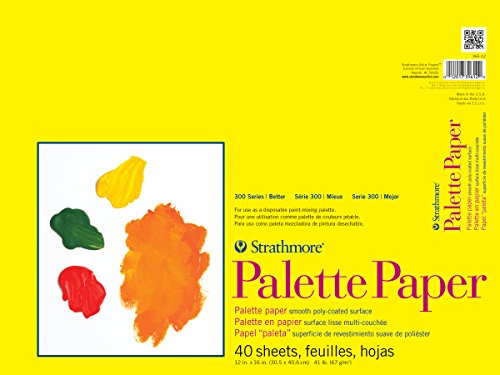
50-Pack Disposable Paint Palette Trays

Best Disposable Palettes

Dooyilets 50-Pack Disposable Paint Palette Trays

Skip the 'wash the palette after every session' chore. Squeeze paint onto a disposable tray, paint, toss the tray. 50 trays at $9 = ~$0.18 per craft session. Saves more than just cleanup time.

$8.99Shop Amazon →
12-Piece Reusable Painting Stencil Set

Best Stencil Set

LLOUSSAK 12-Piece Reusable Painting Stencil Set

For kids who want polished designs without freehand drawing — 12 reusable mylar stencils (animals, flowers, geometric shapes). Place stencil on rock, dab paint inside the cutout, lift. Instant clean lines.

$11.99Shop Amazon →
Crystal Clear Acrylic Spray Sealer

Best Spray Sealer

Krylon Crystal Clear Acrylic Spray Sealer

When you have 30+ rocks to seal at once, brush-on sealant takes hours. Krylon spray seals an entire batch in 5 minutes. Adult-only application (outdoor, ventilated area) — but dramatically faster for high-volume sessions.

$9.89Shop Amazon →
Graphite Sketch Pencil Set — 6 Pencils

Best Sketch Pencils

Faber-Castell Graphite Sketch Pencil Set — 6 Pencils

Plan the design before painting. Light pencil sketch on the rock first (it wipes off later or gets covered by paint), then paint over. Eliminates the 'halfway through and the design is wrong' frustration.

$8.75Shop Amazon →
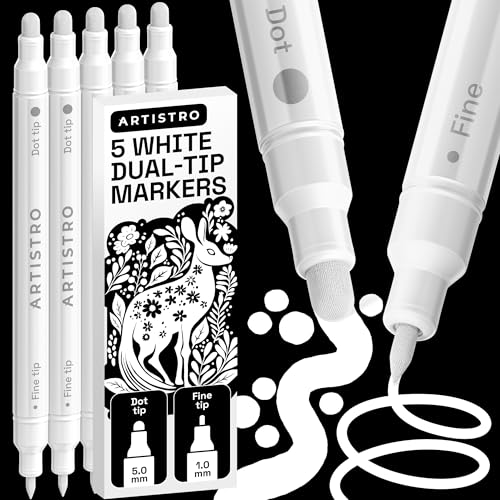
5 White Dual-Tip Acrylic Paint Markers

Best White Paint Pens

ARTISTRO 5 White Dual-Tip Acrylic Paint Markers

White is the most-used color in rock painting (outlining, highlights, eye dots, lettering). 5 white markers at $8 means you don't run out mid-design. Dual fine + medium tip handles both detail and broader strokes.

$11.99Shop Amazon →
Tuff Tainer Compartment Storage Box

Best Storage Tackle Box

Flambeau Tuff Tainer Compartment Storage Box

Stores 30+ painted rocks OR all the markers/paints/brushes for a craft session. Adjustable dividers, latching lid, kid-safe. The travel-and-storage upgrade for serious rock-painting families.

$6.49Shop Amazon →

Have art
to sell?

Austin Gallery specializes in selling inherited art, estate collections, and fine art with zero upfront fees. Get a free evaluation today.