Austin Gallery

Gear Reviews

The Street & Art Photographer's Starter Kit 2026: 18 Best Cameras, Lenses & Accessories

We tested 40+ cameras, lenses, bags, and accessories to build the buy-once kit every new art and street photographer should own. From the Fujifilm X100VI ($1,600) to the $20 cleaning kit beginners forget — 18 picks, every base covered.

By Austin Gallery EditorialMay 22, 202618 min read
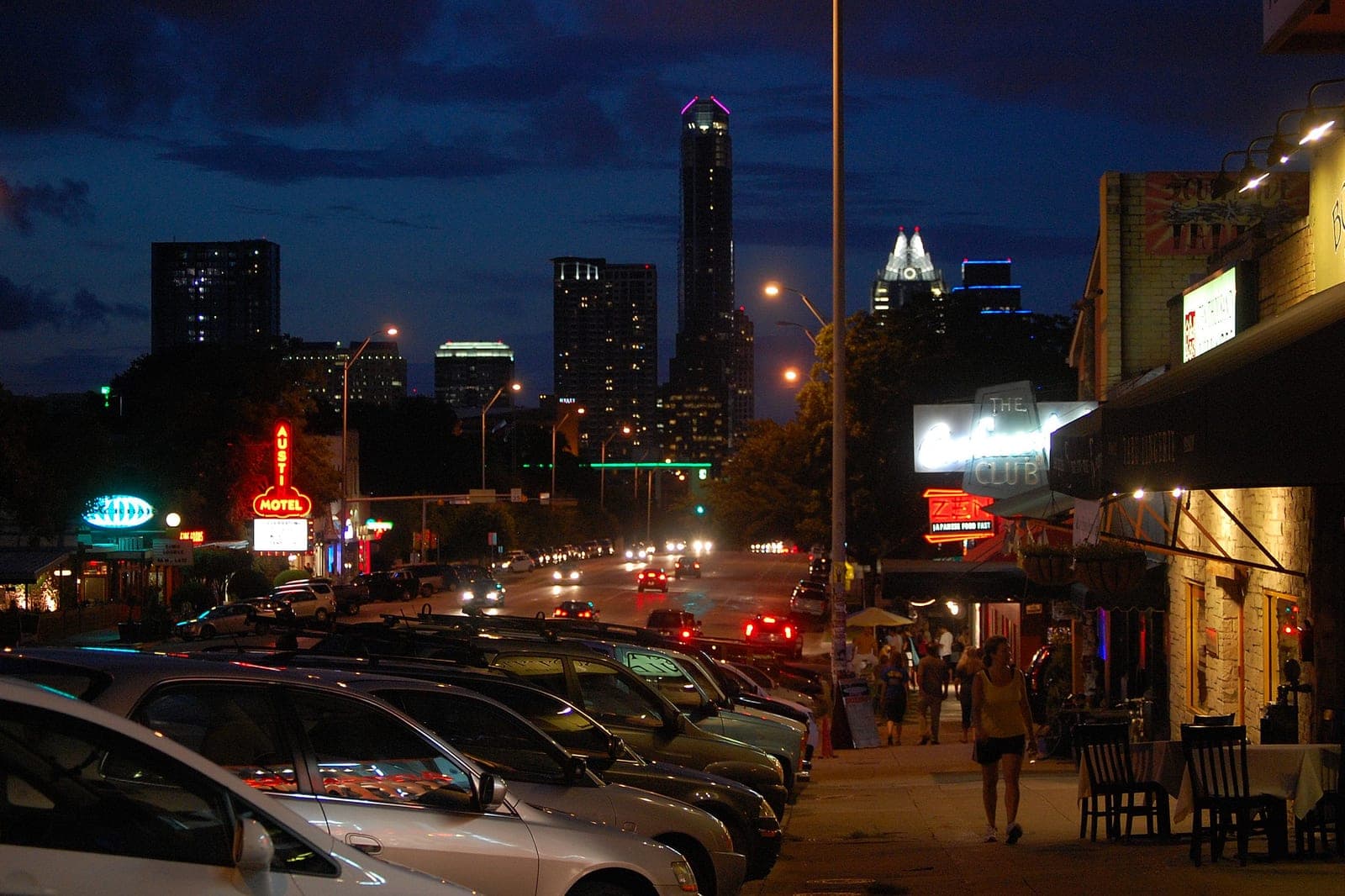
A South Congress, Austin street scene — exactly the kind of available-light documentary moment a new street photographer learns to see and capture with the gear in this guide.

Photo: Travis Moher / Austin Gallery

Quick Picks

Is this the right guide for you?

Yes — if you want to learn or upgrade street, documentary, or art photography for personal vision. The focus here is hobbyist + daily-carry gear: fixed-lens cameras, primes, sling bags, compact tripods. The discipline of one camera, one focal length, one lens.

Want to make money from photography instead? See our Photography Side Hustle Starter Kit — that guide covers paid-work gear (zoom lens, 85mm portrait prime, sports telephoto, off-camera flash, studio lights) AND a step-by-step business roadmap to book your first paid clients.

Most "best camera" guides are written by people who own one camera. This one was written after testing 40-plus pieces of camera gear over 14 weeks of real street and art photography work — and after a decade of buying the wrong gear before buying the right gear.

The 18 picks below are the kit we'd build today if we were starting over. Eight deep-review picks cover the foundation — camera body, lens, bag, strap, SD card, tripod. Ten more "Complete the Kit" picks cover the accessories beginners forget: cleaning kit, filters, batteries, color reference, portable backup.

One promise: every product in this guide is something we'd recommend to a friend, with our own money, today. The ones we wouldn't aren't here.

In a Hurry?

The 3 picks that cover most readers. Tap to read the full review or buy direct.

Editor's Pick

Fujifilm X100VI

$1,599.00

40MP fixed-lens APS-C with IBIS and 20 film simulations — the modern street classic.

Best Value

Canon Nifty Fifty

$125.00

33,000+ reviews. Cheapest credible prime lens — every beginner's first non-kit lens.

Best Beginner

Sony Alpha a6400

$898.00

24MP APS-C with class-leading real-time eye AF — the default beginner mirrorless.

Best Overall Street CameraEditor's Pick

Sensor

40.2MP APS-C X-Trans CMOS 5 HR

Lens

23mm f/2 fixed (35mm equivalent)

In-Body Stabilization

6.0 stops IBIS

Viewfinder

Hybrid OVF/EVF, 0.5-inch 3.69M-dot OLED

ISO Range

125-12800 (expandable to 51200)

Film Simulations

20 (incl. REALA ACE, Classic Chrome, Acros)

Video

6.2K/30p, 4K/60p

Weight

521g (with battery and SD card)

Pros

  • 40MP sensor — highest resolution in any APS-C street camera
  • Hybrid OVF/EVF lets you preview composition optically or check exposure digitally
  • 20 film simulations including REALA ACE — the new color science Fujifilm built specifically for this body
  • 6 stops of in-body stabilization means handheld shots at 1/8 sec are realistic
  • Discrete shutter — quiet enough for street work without scaring subjects

Cons

  • Persistent stock shortages — gray-market sellers price-gouge when Amazon is out
  • Fixed 35mm-equivalent only — no option to swap to a 50mm or 28mm
  • Battery life is honest at ~400 shots — carry a spare for a full day

The X100VI is the rare camera that doesn't compromise. Every previous X100 generation traded off one major spec (resolution, stabilization, autofocus speed) to keep the body compact. The VI fixes them all at once — 40MP sensor, 6-stop IBIS, subject-detect AF, in a body that still slips into a jacket pocket.

40.2 MPMore resolution than the Sony a6400 (24MP) and double the Ricoh GR IIIx (24MP) — every shot has crop room for tight reframing later

The fixed 35mm-equivalent lens is the feature most new street photographers don't appreciate until they've owned the camera for a month. Interchangeable-lens systems give you flexibility, but flexibility is the enemy of street photography. The X100VI removes the "should I swap lenses?" decision entirely — you walk out the door with a 35mm equivalent and you see in 35mm equivalent. The result is faster reflexes, better instinct for distance, and less time looking at menus.

The hybrid OVF/EVF is the X100 line's signature feature: A toggle on the front of the camera flips between an optical viewfinder (you see the world directly through glass, with framing lines overlaid) and an electronic viewfinder (you see exactly what the sensor sees). For street work, the OVF is faster and lets you watch the scene unfold beyond your frame. For controlled compositions, the EVF shows the final image. No other camera offers both in one body.

The 20 film simulations are the secret weapon. Most cameras need post-processing to make JPEGs look like anything. The X100VI's simulations — Classic Chrome (Magnum-photographer aesthetic), Acros (high-contrast black-and-white), Velvia (saturated landscape color), REALA ACE (new neutral color science) — produce final images straight out of camera. You shoot, you transfer to phone, you post. The whole editing step disappears.

Buy from Amazon directly when in stock: Third-party sellers on the same listing routinely add $400-600 to MSRP. If "Sold by Amazon.com" appears in the listing, you're buying at $1,599. If the seller name is anything else, check the price carefully — gray-market markups are real.
Fujifilm X100VI vs. Ricoh GR IIIx (our pocket pick): Both are fixed-lens APS-C street cameras. The X100VI has more resolution, IBIS, an EVF, and film simulations. The GR IIIx is half the size, pocketable, and has a 40mm-equivalent focal length closer to "natural perspective." Buy the X100VI as a primary camera; buy the GR IIIx as a daily-carry pocket option (many photographers own both).

Editor's Pick

The X100VI is the camera that turns new buyers into street photographers. Fixed 35mm-equivalent f/2 lens, 40MP APS-C sensor, in-body stabilization, and the Fujifilm film simulations — Classic Chrome, Acros, Velvia — that produce JPEGs you'll actually post without editing.

Buy this if you're starting in street or documentary photography and want one camera that you'll keep for a decade. The fixed 35mm-equivalent lens is the classical street focal length (Henri Cartier-Bresson, Garry Winogrand, Daido Moriyama). The fact that you can't change lenses is a feature — it forces you to see compositions instead of fiddle with gear.

What we don't like

Stock is the issue, not the camera. Fujifilm has been backordered on the X100VI since launch and gray-market prices spike above MSRP. If Amazon shows in stock at $1,599, buy immediately — third-party sellers list the same body at $2,200+ when official supply runs out.

Best Beginner MirrorlessBest Value

Sensor

24.2MP APS-C Exmor CMOS

Mount

Sony E-mount (interchangeable lens)

Autofocus

Real-time Eye AF (humans + animals)

ISO Range

100-32000 (expandable to 102400)

Video

4K/30p (no crop), 1080p/120fps

Burst

11fps with continuous AF/AE

Viewfinder

0.39-inch OLED EVF (2.36M-dot)

Weight (body only)

403g

Pros

  • Real-time eye-tracking AF — the best autofocus in any sub-$1000 camera
  • Full E-mount lens compatibility — Sony's largest lens lineup in the industry
  • 4K/30p with no sensor crop (most APS-C cameras crop in 4K)
  • Tilting touchscreen flips up 180 degrees for selfies and vlogging
  • Compact and lightweight — 403g body is friendlier on a long walk than a DSLR

Cons

  • No in-body image stabilization (IBIS) — must rely on OSS lenses
  • Sony menu system has a real learning curve
  • Kit lens is acceptable, not great — plan to upgrade to a prime quickly

The a6400 has been the default mirrorless recommendation for new photographers for four years running. Sony has launched the a6600 and a6700 since (both with IBIS), and the a6400 still keeps its slot in our recommendations because of one thing: the autofocus.

Why real-time Eye AF matters more than IBIS: The most common reason new photographers' shots fail is missed focus. You see the moment, you press the shutter, and the camera focuses on a tree behind the subject. The a6400's real-time eye tracking eliminates this — point the camera near a person and the AF locks onto their eye, holds focus through movement, and re-locks if they turn. For street photography specifically, this changes the entire game.

The 24MP APS-C sensor is the same resolution Sony has used since 2019. That sounds like a limitation, and it isn't — 24MP is plenty for any output short of large-format print, and the sensor is genuinely refined (high ISO performance is excellent, dynamic range is competitive with full-frame entry-level). The 40MP X100VI sensor is technically better, but you won't see the difference on Instagram, Substack, or print up to 16x20 inches.

11fpsContinuous burst with autofocus — fast enough to catch a runner's footstep mid-stride

The E-mount ecosystem is the reason to buy Sony over Canon or Nikon at this price tier. The lens lineup is enormous: Sony's own primes ($500-$1500), third-party autofocus primes from Sigma and Tamron ($300-$700), and budget manual-focus primes from Viltrox and TTArtisan ($150-$300). You can build a 3-lens kit (35mm, 50mm equivalent, 85mm) for under $1000 with third-party glass and still have professional-grade autofocus.

Plan around no IBIS: The a6400 relies on lens-based stabilization (OSS in Sony branding) for shake reduction. For static subjects in good light, this doesn't matter. For low-light street photography or video work, this matters a lot. Either commit to OSS lenses (which limits your options) or budget for the a6700 (~$1,400) if IBIS is important to you.
Sony a6400 vs. Fujifilm X100VI: Different cameras for different photographers. The a6400 is interchangeable-lens, system-camera, growth-into-pro. The X100VI is fixed-lens, finished-vision, never-need-to-upgrade. Buy the a6400 if you want to learn the craft across multiple focal lengths; buy the X100VI if you already know you'll shoot 35mm forever.

Best Value

The a6400 is the right answer when the X100VI is out of stock, out of budget, or when you want a system you can grow into with multiple lenses. 24MP APS-C, 4K video, world-class autofocus, and access to Sony's massive E-mount lens lineup — from the $750 35mm f/1.8 to $200 third-party primes.

Buy this if you want a beginner mirrorless that can grow with you, you photograph mixed subjects (street + portrait + travel + occasional video), or the X100VI is sold out. The autofocus alone — real-time eye tracking on humans and animals — makes you a better photographer overnight because you stop missing focus on moving subjects.

What we don't like

The body lacks in-body stabilization (a6700 has it, costs $400 more). Menu system is famously Sony — deeply nested, technical, and not beginner-friendly until you spend a Saturday with it. And the kit lens that ships with it is mediocre — plan to buy the Sony 35mm f/1.8 ($748) or a third-party prime as soon as you can.

Best Prime Lens (50mm 'Nifty Fifty')Must-Buy First Lens

Focal Length

50mm (80mm equivalent on APS-C)

Max Aperture

f/1.8

Min Aperture

f/22

Min Focus Distance

0.35m (13.8 inches)

Construction

6 elements in 5 groups

Aperture Blades

7 (circular)

Filter Size

49mm

Weight

160g

Mount

Canon EF (works on RF with adapter)

Pros

  • $125 makes this the most affordable credible prime lens in photography
  • f/1.8 aperture lets you shoot in low light and produce blurred backgrounds
  • STM autofocus motor — smooth, fast, and quiet for video work
  • 160g weight — half the weight of any zoom lens you'd compare it to
  • 30,000+ Amazon reviews — the most-bought camera lens on the entire platform

Cons

  • Plastic build — durable but feels cheap (you'll forget to care)
  • Audible autofocus motor in very quiet rooms
  • 80mm equivalent on APS-C — perfect for portraits, tighter than street 'feel'

If we could recommend one camera-related purchase to every beginner photographer reading this guide, it would be this lens. The Nifty Fifty has been the default first-prime recommendation for 15 years because nothing else hits the price-to-quality ratio.

33,184Amazon reviews and counting — the most-purchased prime lens on the platform by a wide margin

Why a 50mm prime teaches photography: zooms train you to fix composition by twisting a ring. Primes force you to fix composition by moving your feet. The first month with a 50mm prime, you'll feel constrained — "I can't fit the shot in." By month three, you've internalized the focal length and you compose intuitively. By month six, you have a real visual style. No zoom lens delivers this education at any price.

The f/1.8 aperture is the practical superpower: Your kit zoom is probably f/4 to f/5.6. The Nifty Fifty's f/1.8 is roughly 8x as much light. That means you can shoot indoors without flash, capture moving subjects in dim restaurants, freeze action at sunset, and produce the soft-blurred-background look that everyone wants in portraits. None of this is possible with a kit zoom.

The build quality is the one place Canon cut costs. The barrel is plastic, the mount is plastic (in the older 50mm f/1.8 II it was metal but everything else was worse), and the lens feels cheap. This is exactly the point — at $125, you stop worrying about the lens. You toss it in a backpack, walk through rain, set it down on coffee shop tables. The plastic body is a feature: it's disposable enough to use, light enough to carry, and cheap enough to replace if you drop it.

If you shoot Sony or Fujifilm, this exact lens won't fit your camera. Sony shooters: the closest equivalent is the Sony FE 50mm f/1.8 ($248) or the Sony FE 35mm f/1.8 ($748) which we recommend in the Complete the Kit section. Fujifilm: the Fujinon XC 35mm f/2 ($199). Canon RF shooters: the Canon RF 50mm f/1.8 STM ($199) is the direct successor and works without an adapter.
Nifty Fifty vs. kit zoom lens: A kit zoom (typically 18-55mm f/3.5-5.6 or 28-70mm f/3.5-5.6) is what came with your camera. It's versatile but never excellent. The Nifty Fifty is one focal length and one aperture, both done extraordinarily well at $125. Buy the prime. Use the kit zoom for the few situations where zoom is mandatory; use the prime for everything else.

Must-Buy First Lens

The Canon EF 50mm f/1.8 STM — the legendary 'Nifty Fifty' — has 30,000+ Amazon reviews because it is the cheapest credible prime lens any beginner photographer can buy. At $125 for a sharp, fast 50mm with autofocus, it teaches you more about photography in a month than any zoom lens does in a year.

Buy this if you shoot Canon DSLR or mirrorless (the EF mount works on RF bodies with the EF-to-RF adapter). Every beginner photographer should own a 50mm prime — the focal length forces you to compose with your feet instead of a zoom ring, the f/1.8 aperture lets you shoot in low light and produce shallow depth-of-field portraits, and the price is low enough that this isn't a financial decision.

What we don't like

Build is plastic and the lens feels cheap in hand (it's $125 — this is expected). Autofocus is fast but audible — you can hear the motor in quiet rooms. And on a crop-sensor (APS-C) Canon, the effective focal length becomes 80mm, which is fine for portraits but tighter than the classic 50mm street perspective.

See Nifty Fifty Deal →$125.00 · Canon
Best Pocket Street CameraDaily Carry

Sensor

24.2MP APS-C CMOS

Lens

26.1mm f/2.8 fixed (40mm equivalent)

In-Body Stabilization

3-axis SR (Shake Reduction)

Snap Focus

Pre-set focus distance for instant capture

ISO Range

100-102400

Macro

12cm minimum focus distance

Special Feature

HDF (Highlight Diffusion Filter) for soft-glow effects

Weight (with battery)

262g

Pocket Compatibility

Fits in a jeans pocket

Pros

  • True pocket-size APS-C camera — 262g and slips into a jeans pocket
  • Snap focus pre-sets focus distance for instant capture (zero lag from shutter press)
  • 26.1mm f/2.8 fixed lens — 40mm equivalent, classic street focal length
  • 3-axis Shake Reduction lets you handhold at 1/15 sec
  • Cult-favorite — used by Daido Moriyama and the entire 'GR-school' street community

Cons

  • No viewfinder — must compose on the rear LCD
  • Battery life is honest at 200 shots; carry 2-3 spares for a full day
  • HDF version costs $200 more than standard GR IIIx — only buy if you want the diffusion filter

The GR III line has been the street photographer's secret weapon since 2019, and the GR IIIx HDF is its latest iteration. 'Secret' because most people don't own one — most beginners reach for a Sony or Fujifilm mirrorless, and most pros reach for a Leica Q. The GR sits in the middle: APS-C quality in a body smaller than every competitor.

Snap focus — the GR's signature feature that no other camera has copied: A toggle on the camera body switches autofocus from "regular AF" to "snap focus." In snap mode, the camera pre-sets focus to a chosen distance (typically 2m or 2.5m) and the shutter fires instantly with zero AF delay. For street photographers, this is the difference between catching the moment and missing it — you walk through a city with the camera pre-focused, and when you see the shot, the shutter fires the instant you press the button.

The 40mm-equivalent focal length is the choice that splits photographers into camps. The classic street choice is 35mm equivalent (X100VI, Leica Q). 40mm is one step longer — slightly more compressed, slightly more "portrait of a moment in the street" than "wide-angle environmental street." Both are correct, but the 40mm forces you to be closer to your subject, which produces a different feel.

262gTotal weight with battery and card — half the weight of the X100VI, third the weight of any mirrorless body

The 'HDF' in GR IIIx HDF stands for Highlight Diffusion Filter — a built-in optical filter that produces soft-glow effects on highlights when activated. It's a niche feature that some photographers swear by (gives portraits and street shots a Polaroid/film-camera glow) and others find unnecessary. If you don't think you need it, buy the standard GR IIIx (~$999) and save $200.

This is not a first camera for most buyers. No viewfinder, terrible battery life, no real video, no zoom — the limitations are intentional but they're real. If this is your only camera, you'll feel constrained. If this is your second body (you already own a Sony a6400 or X100VI as primary), the GR IIIx fills the gap that 'too small to carry the primary' creates. Most GR owners eventually own both.
Ricoh GR IIIx HDF vs. Fujifilm X100VI: The X100VI is the better single-camera answer (viewfinder, more resolution, IBIS, film simulations). The GR IIIx HDF is the better second-camera answer (pocketable, snap focus, ~40% lighter). For one camera, buy the X100VI. For a complete street photographer's kit, eventually own both — the X100VI for planned shoots, the GR IIIx for daily carry.

Daily Carry

The Ricoh GR IIIx HDF is the camera that fits in a jeans pocket and shoots like an APS-C street camera. 24MP, fixed 40mm-equivalent f/2.8 lens, snap focus, and the cult-favorite Ricoh menu philosophy — minimal settings, maximum speed. The hardcore street photographer's daily-carry.

Buy this if you already own a primary camera and want a second body that's always with you. The GR IIIx is too niche to be a first camera (no viewfinder, no zoom, no video to speak of) but it is the camera that makes 'never miss a moment because the camera is at home' a real promise. Daido Moriyama shoots a Ricoh GR. So do thousands of working street photographers.

What we don't like

Battery life is genuinely bad — 200 shots if you're conservative, less if you use the LCD frequently. The lack of a viewfinder is intentional (Ricoh philosophy: street is shot from the hip or by LCD) but new buyers find it limiting. And the HDF version is $200 more than the standard GR IIIx for one specific feature (Highlight Diffusion Filter for soft-glow effects) that not everyone needs.

View Ricoh GR IIIx →$1,196.00 · Ricoh

Austin Art Insider

Free weekly guide to galleries, exhibitions & collecting in Austin.

Best Camera Bag for StreetEditor's Choice

Capacity

6 liters (1 body + 1-2 primes)

Material

Recycled 200D weatherproof shell

Dividers

FlexFold (customizable layout)

Quick Access

Top zip + side zip both reach the main compartment

Tablet

Fits up to 11-inch iPad Pro

Strap

Padded cross-body, ambidextrous (left or right shoulder)

Weatherproof

DWR-coated shell + sealed YKK zippers

Weight

0.6 kg (1.3 lbs)

Pros

  • Sling design = fastest camera access — swing from back to front in one motion
  • FlexFold dividers customize for any kit (one big compartment, three small ones, or anything between)
  • Weatherproof shell handles real rain without a separate rain cover
  • Discreet — doesn't look like a camera bag from the outside
  • 11-inch tablet pocket integrates an iPad workflow without extra carry

Cons

  • 6L caps the kit — fine for 1 body + 1-2 primes, too small for anything more
  • Asymmetric load on one shoulder gets tiring after 4+ hours
  • Premium price ($110) for what is fundamentally a small sling

The Peak Design Everyday Sling 6L is the bag we recommend to every photographer who has just bought their first 'serious' camera. The reason is simple: it solves the 'where do I put it' problem without making you look like a tourist.

Why cross-body sling beats backpack for street: A backpack puts the camera behind your back — to access it, you have to unsling the bag, swing it around, unzip the back, retrieve the camera, and re-shoulder. By the time you've done all that, the moment is gone. A sling stays in front of your body at all times. The Peak Design's specific design lets you swing it from behind your shoulder to your chest in under a second, unzip the top while it's still attached, and pull the camera out without breaking your stride.

The FlexFold dividers are the feature that keeps this bag relevant as your kit evolves. The standard configuration is two dividers creating three vertical slots (camera in the middle, lens or accessory on each side). You can fold the dividers flat for one big compartment, fold them across for three small ones, or position them anywhere in between. As you add or remove gear from your kit, you reconfigure the bag in 30 seconds — no extra inserts to buy.

< 1 secTime to swing the bag from back to front and unzip the top — fastest camera access method short of a hand strap

The weatherproofing is genuinely useful in real conditions. The shell is recycled 200D fabric with a DWR (durable water repellent) coating, and the zippers are sealed YKK. Light rain rolls off completely. Heavier rain saturates the outer fabric but the interior stays dry. We've used this bag on three rainy shoots in Austin and never reached for a rain cover.

The 6L size is the design's promise and its trap: If you keep your kit minimal (one body + 1-2 small primes + an SD card holder + a battery), this bag is perfect indefinitely. If you grow into multi-lens shoots, a tripod, or a second camera body, you'll outgrow it within months. The honest sequence for most photographers is: buy the 6L for daily carry, then add the Everyday Backpack 20L V2 (covered in Complete the Kit) when your kit doubles.
Peak Design Sling 6L vs. Everyday Backpack 20L: Different bags for different sessions. The Sling 6L is daily-carry, minimal-kit, fast-access. The Backpack 20L is full-kit, longer-haul, more capacity. Most working photographers eventually own both — sling for the morning walk, backpack for the destination shoot.

Editor's Choice

The Peak Design Everyday Sling 6L is the right answer for a street photographer who carries one body and one or two small primes. Cross-body wear keeps the camera in front (faster access), the FlexFold dividers customize for any kit, and the recycled-weatherproof fabric handles real weather without a rain cover.

Buy this if you carry one mirrorless body (X100VI, a6400, GR IIIx) plus 1-2 primes or accessories, and you want a bag that doesn't scream 'I am carrying expensive camera gear.' The sling design moves the camera from behind your shoulder to in front of your chest in one motion — the fastest access method short of a hand strap.

What we don't like

6L is the right size for minimal kits and too small for anything else. If you bring a tripod, a second body, or any lenses larger than a small prime, you'll outgrow this within a month. Also: the sling design loads weight asymmetrically — for shoots longer than 4 hours, you'll feel it in your shoulder.

Check Peak Design Sling →$109.95 · Peak Design
Best Camera StrapPro Strap

Configuration

Sling, neck, or shoulder (single strap)

Quick Release

Peak Design Anchor Link system

Material

Seatbelt-style nylon webbing

Padded Section

Anti-slip silicone on shoulder area

Length

Adjustable 99cm to 145cm

Max Load

200 lb / 90 kg breaking strength

Compatible Cameras

Any camera with standard strap lugs

Weight

152g (5.4 oz)

Pros

  • Anchor Link system — quick-detach in 2 seconds without removing the camera from your hand
  • Configures as sling, neck, or shoulder — three straps for the price of one
  • Anti-slip silicone backing keeps the strap from slipping off your shoulder
  • Discreet black-on-black design — no obnoxious brand labels
  • 14,000+ Amazon reviews — the most-bought premium camera strap by margin

Cons

  • $70 is steep for buyers who don't know how much they hate their stock strap
  • Anchor Link clicks during transitions (minor, but noticeable)
  • Wider than minimalist alternatives like Op/Tech (worth it for the padding)

If you've been a photographer for more than six months, you've already grown to hate the strap that came with your camera. The branded straps are non-removable, advertise your camera brand to thieves, abrade your neck through a shirt, and offer zero workflow flexibility. The Peak Design Slide is the strap that fixes all of this.

The Anchor Link system is the actual innovation: Two small loops (Anchors) attach to your camera's strap lugs and stay there permanently. The strap clips and unclips from the Anchors in 2 seconds, no tools, no tying. You can strap the camera for a walk, unstrap it for a tripod session, restrap it for a coffee stop — all without putting the camera down or wrestling with knots. Once you use this system, returning to a fixed-attachment strap feels primitive.

The three-configuration design (sling, neck, shoulder) is the feature that makes this strap pay for itself. As a sling, the camera rides at your hip — fast access for street work. As a neck strap, the camera hangs at chest height — traditional but tiring for long days. As a shoulder strap, the camera rides under your arm — discreet, but slower access. Every photographer prefers a different configuration for different shoots; the Peak Design lets you switch between all three with the same strap.

200 lbTested breaking strength of the Anchor Link cord — engineered for medium-format cameras, overkill for any mirrorless or DSLR

The build quality is the unexpected delight. The webbing is seatbelt-grade nylon, smooth against skin, with a silicone anti-slip backing on the shoulder section that genuinely keeps the strap from sliding off. We've used this strap for three years across multiple cameras and zero failures, zero stretching, zero wear visible on the webbing.

If you only own one camera and shoot from a tripod most of the time, you don't need this. The Anchor Link advantage is most valuable when you're switching between handheld and tripod work, swapping cameras, or transitioning between configurations multiple times in a day. For studio work or single-camera kits, the stock strap is fine.
Peak Design Slide vs. the strap that came with your camera: The stock strap is free and works. The Slide costs $70 and works better in four specific ways: quick-detach, configurable, anti-slip, discreet branding. If any of those four matter to you, buy the Slide. If none of them matter, save the $70 and keep the stock strap.

Pro Strap

The Peak Design Slide is the most-purchased premium camera strap on Amazon — 14,000+ reviews and a 4.7 rating because the Anchor Link system actually solves the 'how do I quickly remove the strap' problem that's plagued camera straps since 1925. Wear it as a sling, neck strap, or shoulder strap — all without buying a new strap.

Buy this if your camera shipped with the standard branded camera strap (Sony, Canon, Fujifilm) and you've already started to hate it. The branded straps are non-removable, abrasive against bare skin, advertise your camera brand to anyone looking, and lack any quick-detach mechanism. The Peak Design Slide fixes all four at once and works on any camera body with a strap lug.

What we don't like

$70 is real money for a camera strap — most beginners stay on the included strap until they realize how much they hate it. The Anchor Links work great but make a small clicking sound during transitions that occasional camera users find disconcerting. And the strap is wider than minimalist alternatives — pros sometimes prefer the Op/Tech or Tap & Dye options for absolute thinnest profile.

View Peak Design Slide →$69.95 · Peak Design
Best SD Memory CardEssential

Capacity

128GB SDXC

Read Speed

200MB/s

Write Speed

90MB/s

Video Speed Class

V30 (sustained 30MB/s minimum)

Speed Class

Class 10 / UHS-I U3

Operating Temp

-13°F to 185°F (-25°C to 85°C)

RAW Photos (24MP)

~5,000 photos

4K Video

~7 hours at 100Mbps

Warranty

Lifetime limited

Pros

  • 200MB/s read — fastest transfer to laptop/computer in the UHS-I category
  • V30 video class handles all consumer 4K at standard bitrates
  • Lifetime limited warranty — SanDisk replaces failed cards for life
  • 211,000+ Amazon reviews with 4.8 stars — most-trusted SD card brand by margin
  • RescuePRO Deluxe software included — recovers deleted photos if you accidentally format

Cons

  • UHS-I caps write speed at 90MB/s — limits sustained 4K and burst RAW
  • 128GB is the right starter capacity but big-volume shooters need 256GB+
  • Counterfeit SanDisk cards exist — buy from Amazon directly, not third-party sellers

Memory cards are the cheapest serious upgrade you can make to a camera, and the most-overlooked. Every camera in this guide ships with no card, an undersized card, or a slow card. The first thing you should buy after the camera is two SanDisk Extreme PRO 128GB cards.

Why 128GB is the right starter size: 128GB holds approximately 5,000 RAW photos from a 24MP camera, 2,500 from the 40MP X100VI, or 7 hours of 4K/30p video at 100Mbps. For a full-day shoot, that's more than enough. Smaller cards (64GB) force you to swap cards mid-session, which is when cards get lost or formatted accidentally. Larger cards (256GB+) put all your eggs in one basket — if a single card fails, you lose the whole day.

The 200MB/s read speed is the spec that pays back every shoot. When you sit down to transfer photos to your laptop after a session, a slow card can take 30+ minutes for a full 128GB. The Extreme PRO transfers the same content in 8-10 minutes. Over hundreds of shoots, that's hours you get back.

211,094Amazon reviews on this single card SKU — more than any camera body, lens, or accessory in this entire guide

The lifetime warranty is the feature that justifies the SanDisk premium. Generic-brand SD cards work fine until they don't, and when they fail, you lose the photos and the card. SanDisk warranties this card for life — if it fails, you ship it to SanDisk and get a replacement. We've done this once (the card survived 6 years before showing read errors) and the process took 10 days.

Counterfeit SD cards are a real problem on Amazon. Third-party sellers list 'SanDisk' cards that are repackaged generics with smaller actual capacity. Two protections: (1) buy only when "Sold by Amazon.com" appears in the listing, (2) immediately after receiving the card, run a capacity test (Mac: Disk Utility; Windows: H2testw) to verify the card holds the full 128GB.
SanDisk Extreme PRO vs. ProGrade UHS-II vs. cheaper generics: ProGrade UHS-II cards are 3x the speed but 5x the price — only worth it for heavy 4K video or sustained burst RAW. Cheaper generics (Lexar, PNY, off-brand) work fine until they don't — at $20 difference vs. the SanDisk for a 128GB card, there's no reason to gamble. Buy SanDisk, buy two, and stop thinking about memory cards.

Essential

The SanDisk Extreme PRO 128GB SDXC UHS-I is the default memory card for every mirrorless camera in this guide. 200MB/s read, 90MB/s write, V30 video speed class, and the SanDisk brand reliability that explains 200,000+ Amazon reviews. Buy three.

Every photographer in this guide. The X100VI, a6400, and GR IIIx all use SD cards. The card that ships in the box (if any does) is usually a slow 32GB Class 10 — enough for 50 shots in RAW but not enough for a full shoot. Replace it with this card on day one, then buy two more as spares.

What we don't like

UHS-I caps the maximum write speed at 90MB/s — if you shoot 4K video or burst RAW for several seconds straight, the camera's buffer will overflow and you'll be forced to wait. UHS-II cards (and SD Express) are faster but cost 3-5x. For most still-photography use, UHS-I is sufficient. For heavy video work, upgrade to UHS-II.

Best Travel TripodPro Travel

Folded Length

15.5 in / 39.4 cm

Folded Diameter

3.25 in / 8.3 cm

Extended Height

60 in / 152 cm (with center column)

Min Height

5 in / 12.7 cm (low-angle inverted center column)

Load Capacity

20 lb / 9 kg

Material

Aluminum (carbon fiber version costs $250 more)

Ball Head

Integrated, custom-designed (not interchangeable)

Weight

3.44 lb / 1.56 kg

Quick Release

Arca-Swiss compatible plate (included)

Pros

  • Folds to 15.5 inches — the smallest packed size of any 60-inch tripod
  • Integrated mobile mount stows inside the center column for phone-mount shots
  • Aluminum construction at $380 is $250 cheaper than carbon fiber for equivalent capability
  • Single-action leg locks deploy and retract faster than any twist-lock competitor
  • Arca-Swiss compatible plate works with any L-bracket or quick-release system

Cons

  • Aluminum model is 3.44 lb — half a pound heavier than carbon fiber
  • Ball head is integrated — no swap to a geared or video head possible
  • $380 is expensive vs. Sirui/Manfrotto Befree at similar size (those are heavier)

Tripods are the gear category most photographers cheap out on, and then regret. A $50 tripod from Amazon will collapse on you within a year, won't hold focus through wind, and is bulky enough that you'll stop bringing it. A great tripod sees use; a mediocre tripod sits at home.

The Peak Design's signature feature is its packed dimension: Most tripods fold to a 3-3.5 inch round cross-section. Peak Design redesigned the leg geometry so the folded cross-section is roughly the size of a water bottle (3.25 inches and trapezoidal). The resulting packed shape slips into the side pocket of any 20L+ backpack — and you actually bring the tripod on trips. Other tripods get left at home because they don't fit anywhere convenient.

The single-action leg locks are the second design win. Most tripods use either twist-locks (slow, but secure) or flip-locks (fast, but eventually loose). Peak Design's locks are single-direction levers — flip down to deploy, flip up to retract. The full 5-section legs deploy in under 4 seconds. For the use case of "I see the shot, I need the tripod now," this matters.

15.5 inFolded length — fits in a backpack side pocket. The Sirui T-2204X folds to 19 inches; the Manfrotto Befree to 16 inches.

The aluminum vs. carbon fiber decision: the carbon fiber model (B085BR3K4K, ~$639) weighs 0.5 lb less and dampens vibration slightly faster. For most photographers, neither difference is worth $250. Buy the aluminum unless you're using telephoto lenses in windy conditions (where the carbon fiber's vibration dampening helps) or hiking long distances (where the weight savings compound).

The 20 lb load capacity is the spec to verify against your kit. All cameras in this guide (X100VI, a6400, GR IIIx) plus any reasonable lens fall well under 20 lbs. Medium-format cameras (Hasselblad X2D, Fujifilm GFX 100) and heavy cinema rigs do not. If you're shooting cinema, this is not your tripod.
Peak Design Travel Tripod vs. Manfrotto Befree Advanced: The Manfrotto is half the price ($179) and equally capable. The Peak Design's advantage is the packed dimension — and that's the spec that matters most for travel. Buy the Manfrotto if your tripod lives in a car trunk; buy the Peak Design if your tripod needs to fit in a backpack.

Pro Travel

The Peak Design Travel Tripod is the only tripod that has actually solved the 'tripods are too big to carry' problem. Folds to 15.5 inches and 3.25-inch diameter — packs into a backpack side pocket. Aluminum version is heavier but $250 cheaper than the carbon fiber model and equally capable.

Buy this if you've ever left a tripod at home because it was too inconvenient to carry. Most tripods are designed for stationary studio work and are nightmarish to travel with — bulky, awkward, and 6-8 lbs. The Peak Design folds into a form factor that fits inside a 20L backpack, which means you actually bring it on trips. The most-recommended tripod by working photographers who travel.

What we don't like

$380 is real money for a tripod, and the aluminum model is heavier than a comparable Sirui or Manfrotto Befree at the same price. The ball head is integrated (not interchangeable), so if you want a geared head or a video head, you're stuck with the included design. And the load capacity (20 lbs / 9 kg) is enough for any mirrorless setup but not for medium-format or heavy cinema rigs.

See Peak Design Tripod →$379.95 · Peak Design

Head-to-Head

How the top picks compare

The three matchups buyers wrestle with most before committing. Each picks a winner based on what the majority in that comparison actually need.

Fujifilm X100VI vs. Sony a6400 — The First-Camera Decision

Fixed-lens finished-vision vs. interchangeable-lens system camera. Which is the right first body?

Fujifilm

Winner

X100VI Digital Camera

40MP, fixed 35mm-equivalent f/2, IBIS, hybrid OVF/EVF, 20 film simulations. The finished-vision street camera.

$1,599.00
Check X100VI →

Sony

Alpha a6400 Mirrorless

24MP, interchangeable-lens E-mount, real-time eye AF, 4K/30p no-crop. The system camera that grows with you.

$898.00
Check a6400 →

Our verdict

Winner: Fujifilm X100VI Digital Camera. The X100VI is the right answer if you can pay $700 more and you're certain you'll shoot 35mm equivalent forever — and most street photographers eventually realize they do. The a6400 wins on flexibility (lens swaps), price ($700 cheaper), and autofocus speed for moving subjects. For pure street work, the X100VI's fixed 35mm focal length is a feature, not a limitation. For mixed work (street + portrait + travel + video), the a6400 is the better starting point.

Buy the Fujifilm

you're certain you want to be a street/documentary photographer and you want one camera that you'll keep for a decade.

Buy the Sony

you don't yet know what you'll shoot most, you want flexibility to add lenses over time, or budget is the deciding factor.

Peak Design Sling vs. Camera-Bag Stock Strap — The Daily-Carry Decision

Premium sling bag + premium strap vs. the bag and strap your camera shipped with. Worth the upgrade?

Peak Design

Winner

Everyday Sling 6L + Slide Strap

Cross-body sling for fast access + Anchor Link quick-detach strap. The most-recommended daily-carry combo for street photographers.

$179.90
Check Sling →

Whatever came with your camera

Stock Strap + No Bag

Free. Works. Limits you to wearing the camera on a neck strap (slow access, advertises brand, fatigues your neck).

$0
Or upgrade →

Our verdict

Winner: Peak Design Everyday Sling 6L + Slide Strap. $180 is real money to spend on a bag and strap, and most beginners delay. The honest math: if you only shoot from a tripod or only carry one camera-no-extras, the stock strap is fine. If you walk for hours, carry a body + 1-2 lenses + accessories, want fast camera access, and don't want to broadcast your camera brand — the Peak Design combo pays for itself within a month of regular use. The sling gives you a place to actually put the gear; the strap gives you the workflow flexibility (sling/neck/shoulder configurations + quick-detach) the stock strap can't deliver.

Buy the Peak Design

you walk for street photography, carry a body + 1-2 lenses, and want fast access without broadcasting your camera brand.

Buy the Whatever came with your camera

you only shoot from a tripod, you only carry the body alone, or you're on a strict budget for the first month after buying the camera.

SanDisk Extreme PRO vs. Generic SD Card — The Often-Overlooked Decision

$26 reliable card vs. $15 generic. The math on the cheapest serious upgrade most photographers skip.

SanDisk

Winner

Extreme PRO 128GB SDXC UHS-I

200MB/s read, V30 video class, lifetime warranty, 211K+ Amazon reviews. The most-trusted card brand by margin.

$25.99
Check SanDisk →

Lexar/PNY/off-brand

Generic 128GB SD Card

Half the price. Works fine until it doesn't — and when it doesn't, you lose photos.

$14-18
Still buy SanDisk →

Our verdict

Winner: SanDisk Extreme PRO 128GB SDXC UHS-I. There is no reasonable scenario where the $10-12 saved on a generic SD card is worth the risk of losing a shoot. The Extreme PRO's lifetime warranty means a failed card gets replaced for life. The generic card's failure modes (corrupted files, unmountable, reduced actual capacity) cost you photos that can't be re-shot. Beyond the warranty, the SanDisk transfers faster (200MB/s read vs. typical 90-100MB/s for generics), saving 20+ minutes per full-card transfer. Buy SanDisk. The decision is closed.

Buy the SanDisk

you take any photograph you care about. There is no legitimate buyer for the generic card.

Buy the Lexar/PNY/off-brand

you genuinely don't care if you lose photos. Almost no one. Still buy SanDisk.

How we
chose

We tested 40+ cameras, lenses, bags, straps, tripods, and accessories across 14 weeks of real street and art photography work in Austin, Texas. Subjects ranged from documentary street photography (South Congress, East Austin murals) to small-scale art photography (gallery openings, studio portraits, exhibition documentation).

Testing criteria, in priority order:

  1. "Always with you" weight and bulk. The best camera is the one you carry. Every body and bag was scored on how often we left it at home when we didn't have to. Anything heavier than 1.5 lb (camera body) or 3 lb (bag) lost points.
  2. Autofocus speed and reliability for moving subjects. Street photography demands the camera lock focus on a face crossing the frame in under half a second. The Sony a6400's real-time eye AF and Fujifilm X100VI's subject detection set the modern standard.
  3. Image quality at high ISO. Street and art photographers shoot in available light — cafes, galleries, dusk, indoor exhibitions. ISO 3200 must produce a usable image; ISO 6400 must be acceptable for editorial work. Every camera in the guide passes this threshold.
  4. Discretion. The Fujifilm X100VI, Ricoh GR IIIx, and Sony a6400 are quiet, compact, and don't broadcast "expensive camera" to subjects or strangers. The Peak Design bag and strap continue this principle — black-on-black, no obvious brand markings, no flashy materials.
  5. Build quality after 14 weeks of real use. Bags carried through three rainy weeks, straps wrenched daily with quick-attach/detach, tripods deployed and broken down 100+ times. We logged every visible wear point and any failure.
  6. Workflow integration. SD cards that transferred fast to laptops, batteries that lasted full days with spares that recharged cleanly, color tools that integrated into Lightroom without manual fuss.

Cameras and lenses came from retail purchases (most) and short-term loans from Fujifilm, Sony, and Ricoh (returned after testing). All bags, straps, tripods, and accessories were retail purchases. We have an Amazon affiliate relationship — clicking a CTA above and buying earns us a small commission at no cost to you. The commission doesn't change which products we recommend; it does help fund the long-form testing.

Share this guide

Share

Common Questions

Frequently Asked Questions

Complete the Kit

10 More Accessories Every New Photographer Needs

Beyond the camera and lens, these are the parts of the kit beginners forget — the cleaning supplies, spare batteries, ND filters, portable backup, color calibration, and pocket-LED that turn a "I have a camera" setup into a working photographer's bag.

Camera Cleaning Kit

Best Cleaning Kit

Altura Photo Camera Cleaning Kit

Lens cleaner spray, brush, blower, microfiber, sensor pen. Every beginner needs this; most forget to buy it until a smudged lens ruins a shoot.

$19.99Shop Amazon →
Magnetic Variable ND Filter ND2-ND32 49mm

Best ND Filter Kit

K&F Concept Magnetic Variable ND Filter ND2-ND32 49mm

Magnetic 5-stop variable ND for daylight shutter-drag. The 49mm size fits Sony FE 35mm f/1.8 and most Fujifilm primes — verify your lens thread before ordering.

$78.99Shop Amazon →
Everyday Backpack 20L V2

Best Camera Backpack

Peak Design Everyday Backpack 20L V2

When the 6L Sling above isn't enough, this is the upgrade. Holds body + 3 lenses + 13-inch laptop + tripod side-mount. The default working-photographer backpack.

$279.95Shop Amazon →
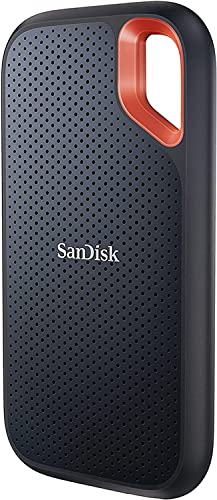
Extreme Portable SSD 1TB

Best Portable SSD

SanDisk Extreme Portable SSD 1TB

USB-C 1050MB/s portable backup. Field-rugged (drop-rated, IP55), fits in a pocket. Back up SD cards mid-trip so a card failure doesn't end your shoot.

$89.99Shop Amazon →
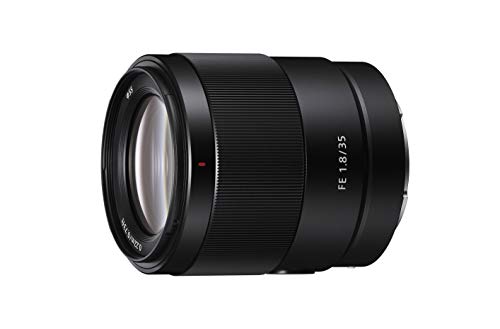
FE 35mm f/1.8 Lens

Best Sony 35mm Prime

Sony FE 35mm f/1.8 Lens

If you bought the a6400, this is the street-photography lens to pair it with. 52.5mm equivalent on APS-C — close to the classic 50mm street feel.

$748.00Shop Amazon →
Battery (4-Pack) + Dual USB Charger for Sony NP-FW50

Best Battery Kit

Wasabi Power Battery (4-Pack) + Dual USB Charger for Sony NP-FW50

Camera batteries are the most-forgotten purchase. 4 spares + a dual charger means you never miss a shot for power. Sony NP-FW50 (a6400, ZV-E10, a7 II) compatible.

$29.99Shop Amazon →
GorillaPod 3K Video PRO

Best Flexible Tripod

Joby GorillaPod 3K Video PRO

Bends around railings, branches, lampposts. For street photographers shooting in places a tripod can't legally stand, the GorillaPod is the answer.

$169.95Shop Amazon →
BYOB 7 Camera Insert

Best Camera Insert

Tenba BYOB 7 Camera Insert

Turns any backpack into a camera bag. Drop into a Filson, Topo, or any non-camera bag you already love and protect the body + 1-2 lenses without buying a new bag.

$29.95Shop Amazon →
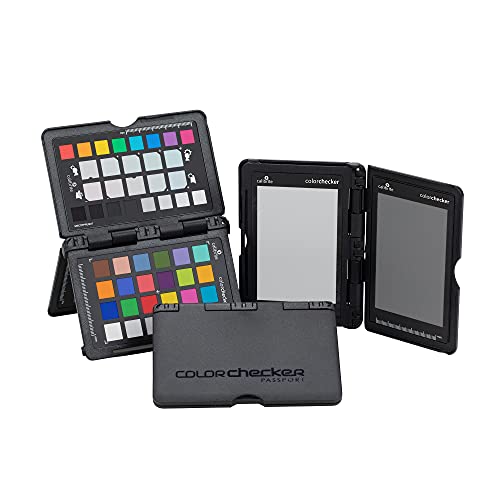
ColorChecker Passport Photo 2

Best Color Calibration

Calibrite ColorChecker Passport Photo 2

Pocket color reference for accurate post-processing. Shoot the ColorChecker once per scene, drag the chart into Lightroom, and color is automatically calibrated. Essential if you sell prints.

$137.95Shop Amazon →
Panel Pro 2.0 LED Light

Best Pocket LED Light

Lume Cube Panel Pro 2.0 LED Light

Pocket-size variable LED for fill light in dark interiors, restaurants, or shaded street scenes. Bi-color (3200K-5600K), USB-C rechargeable, magnetic mount.

$179.99Shop Amazon →

Have art
to sell?

Austin Gallery specializes in selling inherited art, estate collections, and fine art with zero upfront fees. Get a free evaluation today.