Austin Gallery

Art & Craft

How to Make Your Own Watercolor Paints in 2026: The Complete DIY Guide (Recipes, Pigments, Tools)

Make watercolor paint from scratch — 18 tested supplies, the chemistry of why each ingredient matters, three step-by-step recipes (basic, Sennelier-style, tube-style), the history of handmade paint, common mistakes, and a path from first pan to selling on Etsy.

By Justin ParkMay 24, 202626 min readHow we research
An overhead flat-lay of well-used watercolor pans next to a fresh tube-paint set on cream textile — the lived-in workshop aesthetic of someone actively making their own paints.

Photo: Unsplash

Quick Picks

This is a long read — about 26 minutes

It's the complete how-to: chemistry of pigments and binders, three full recipes you can make this weekend, 18 PA-API-verified Amazon supplies with inline buy links, common mistakes, history of handmade paint from cave paintings to Sennelier, and a path from first pan to selling on Etsy. Skim the headings to find what you need, or read top to bottom — the page is built to reward both.

Watercolor paint is just three things: pigment (colored powder), binder (gum arabic, the "glue" that holds pigment to paper), and water. That's it. The other ingredients — honey, glycerin, clove oil, ox gall — are quality-of-life additions that pros use to control behavior. Strip it down to the essentials and you can make working paint in 30 minutes with $50 of supplies.

This guide takes you from never-touched-a-pigment to making your own pans, tubes, and color palette in 90 days. We'll cover the chemistry (why each ingredient does what it does), three recipes (basic, Sennelier-style, and tube-style), 18 PA-API-verified Amazon supplies with prices and reviews woven into the text, common mistakes that ruin your first batches, and — for the ambitious — how to turn handmade paint into Etsy revenue at $14-22 per pan.

In a Hurry?

The 3 picks that cover most readers. Tap to read the full review or buy direct.

The Pigment

Natural Earth 20-Color Pack

$25.95

20 archival mineral pigments. Non-toxic. The starter every paint-maker buys first.

The Binder

W&N Gum Arabic 75ml

$18.49

Pre-mixed liquid gum arabic. The acacia-sap binder every traditional watercolor uses.

The Vessel

Honbay 24 Half Pans

$5.99

$0.25 per empty pan. Pour fresh paint, cure 2-3 weeks, ready to use.

Best Pigment Starter PackThe Canvas

Colors

20 (full earth + mineral palette)

Source

Natural pigments (no synthetic dyes)

Toxicity

Non-toxic — safe for kids 6+

Lightfastness

Archival (won't fade in 50+ years)

Approximate Pans Made

60-80 (small batches)

Best Storage

Original packaging in dry cool place

Pros

  • 20 colors at $26 — cheapest credible entry into DIY paint making
  • Non-toxic mineral pigments — safe enough for kids' craft sessions
  • Archival quality — your paints won't fade like dye-based alternatives
  • Earth-tone heavy palette is perfect for landscape, botanical, portrait work
  • Sample sizes let you experiment broadly before committing to favorites

Cons

  • Volumes are small — favorite colors get bought again in larger jars from specialty stores
  • Pigments arrive unground — needs mortar and pestle work to remove clumps
  • Missing some bright colors (cadmium reds, phthalo blues) — those are synthetic, not earth-derived

Every DIY watercolor journey starts with pigments. Pigments are colored powders — fine particles of mineral, rock, plant matter, or synthetic chemistry that suspend in a binder to make paint. Natural Earth Paint's 20-color sample pack is the kit that every paint-making YouTube tutorial recommends because it gives you breadth without overwhelm.

Pigment vs. dye — the critical distinction: A pigment is a PARTICLE — a tiny solid piece of colored matter that physically reflects light. A dye is a MOLECULE — it chemically bonds with the substrate it touches. Pigments give you the matte, opaque, archival quality of traditional watercolor. Dyes give you the transparent, vibrant, but fugitive (fading) quality of inks and washable craft paints. For making real watercolor paint, you need pigments — not dyes.

The 20-color range is deliberately weighted toward earth and mineral tones (ochres, umbers, siennas, oxides) because these are the most stable, beginner-friendly pigments. Earth pigments have been used since cave paintings 40,000 years ago — they don't shift color, don't fade, don't react with binder, and don't become toxic in any reasonable use case. Synthetic pigments (cadmiums, phthalos, quinacridones) give you brighter colors but come with handling concerns and a steeper learning curve.

~70 pansApproximate number of half-pans of finished paint one $26 sample pack can produce. Cost per pan: roughly $0.40 for materials.

Once you've experimented with all 20 and identified your favorite 5-7 colors, the next step is buying those colors in larger 50g or 100g jars from specialty suppliers (Earth Pigments Company, Sinopia, Kremer Pigmente). At that point you can make several hundred pans of your go-to colors and the per-pan cost drops to under $0.20. The sample pack is the gateway; the larger jars are the destination.

Always wear a dust mask when working with dry pigments. Pigment dust is fine enough to inhale, and while these specific pigments are non-toxic when wet (or once sealed in paint), breathing the dry powder repeatedly isn't healthy. A basic N95 mask costs $5 — wear it whenever you open the jars or grind clumps.

The Canvas

The single most important purchase in DIY watercolor making. 20 archival earth and mineral pigments — every color a beginner needs to make their first 20+ paints. Non-toxic (safe for kids and sensitive users), real ground minerals (not synthetic dyes), and at $26 it's the cheapest credible way to enter the hobby.

Buy this if you're starting from zero. The sample pack is intentionally generous — 20 pigments at small sample volumes — so you can experiment with all of them, find the 5-7 you love, and graduate to buying those in larger jars from specialty suppliers (Earth Pigments, Sinopia, Kremer). One pack makes ~60-80 pans of paint.

What we don't like

Sample-pack volumes are small (1-2 teaspoons per color). Once you find your favorites, you'll want to buy them in 50-100g jars from a dedicated pigment supplier. Also: the pigments are unground — you'll need a mortar and pestle (or glass muller) to break down clumps before mixing with binder.

Check Natural Earth Pigments →$25.95 · Natural Earth Paint
Best Binder (Gum Arabic)The Glue

Type

Pre-mixed gum arabic medium

Source

Acacia tree sap

Use

Watercolor binder (mix 1:1 with pigment paste)

Yield

30-40 pan-sized batches per 75ml bottle

Shelf Life

2+ years sealed, 6+ months opened

Storage

Cool dry place; refrigerate after opening

Pros

  • Pre-mixed = ready to use straight from the bottle
  • Winsor & Newton is the brand most pro watercolor manufacturers use as their gum source
  • 5,000+ Amazon reviews at 4.8 stars — universal pro standard
  • Re-wets perfectly when you add water to a dried pan
  • Long shelf life — one bottle lasts most hobbyists 6-12 months

Cons

  • Pre-mixed isn't as pure as dry gum arabic crystals + distilled water (purist gripe)
  • Contains a trace amount of propylene glycol as preservative
  • 75ml seems small, but the bottle goes a long way at 1-2 drops per batch

Gum arabic is the single most important ingredient in your watercolor binder. It's the substance that turns colored powder into actual paint that bonds with paper.

The chemistry of why gum arabic works: Gum arabic comes from the hardened sap of the Acacia tree, primarily harvested in Sudan and Senegal. The sap is a complex polysaccharide — a long chain of sugar molecules with hydrophilic (water-loving) and lipophilic (oil-loving) sides. When you mix it with pigment, the gum coats each pigment particle. When the paint dries, the gum hardens around the particles, gluing them to the paper. When you add water again, the gum softens — releasing the pigment temporarily for re-mixing, but holding enough that the paint doesn't wash off completely. This re-wettability is what makes watercolor uniquely portable, archival, and forgiving.

The Winsor & Newton 75ml bottle is enough for roughly 30-40 batches of pan-sized paint. Pricing breakdown: one bottle ÷ 35 pans ÷ ~$0.53 per pan in binder cost. The binder is roughly 30-40% of your finished paint's material cost.

$0.40-0.80Total material cost per pan of handmade watercolor — pigment + binder + honey + clove oil. Compare to $4-12 per pan retail.

For the dedicated purist who wants the traditional Sennelier-style recipe: skip the pre-mixed bottle and buy dry gum arabic crystals (sold in 1lb bags from pigment suppliers for ~$15). Mix 1 part crystals with 2 parts hot distilled water, let dissolve overnight, strain through cheesecloth. Add 1 part raw honey for the traditional Sennelier "honey-based binder." This DIY route is cheaper per ounce and lets you control every variable. But for the first 6 months of paint-making, the Winsor & Newton pre-mix is the better learning tool — it removes one variable so you can focus on pigment ratios.

Refrigerate the bottle after opening. Gum arabic is organic — it can grow mold if left in a warm room for too long. Once opened, store in the refrigerator and it lasts 6-12+ months. Take out 30 minutes before use to warm to room temperature.

The Glue

Gum arabic is the magic ingredient that turns colored powder into paint. It's a tree-sap-derived plant gum that binds pigment particles to paper, glides smoothly under a brush, and re-wets cleanly when you add water later. Winsor & Newton's pre-mixed liquid version is ready to use — no powder-prep step. The binder every traditional watercolor in the world uses.

Buy this if you're making watercolor paints. Period. Without binder, your pigment + water makes a stain on paper that washes off. With binder, your pigment + water makes archival paint that lasts centuries. The 75ml bottle is enough for roughly 30-40 batches of pan-sized paint. Buy with the pigment pack as your first two purchases.

What we don't like

It's pre-mixed in a propylene-glycol solution that some purists object to (they prefer dry gum arabic crystals mixed with distilled water and honey). For 95% of beginners, the pre-mixed version is dramatically easier and produces identical results.

See W&N Gum Arabic →$18.49 · Winsor & Newton

Austin Art Insider

Free weekly guide to galleries, exhibitions & collecting in Austin.

Head-to-Head

How the top picks compare

Three decisions every beginner paint-maker wrestles with before placing their first order.

Natural Earth Sample Pack vs. Kremer Pigmente — Which Source First?

$26 Amazon vs $50-100 specialty supplier. Where should beginners start?

Natural Earth Paint

Winner

Natural Earth Sample Pack — 20 Colors

20 colors, Amazon Prime, non-toxic, ready in 2 days. Cheapest credible entry.

$25.95
Check Natural Earth →

Kremer (specialty supplier)

Kremer Pigmente Sample Set

Higher-purity pigments, broader color range, the gold standard. But ships from Germany — 2-3 weeks.

$80.00
(Buy Natural Earth first) →

Our verdict

Winner: Natural Earth Paint Natural Earth Sample Pack — 20 Colors. Natural Earth wins for absolute beginners. Three reasons: (1) Amazon Prime ships in 2 days vs Kremer's 2-3 week international shipping. (2) $26 vs $80 — lower-risk first investment when you're unsure if paint-making sticks. (3) Both produce excellent watercolor; Kremer's edge is purity beyond what beginners can detect for the first 6-12 months. Buy Natural Earth, learn the craft, graduate to Kremer once you know your favorite colors.

Buy the Natural Earth Paint

you're starting from zero or unsure if paint-making will become a hobby — Amazon convenience + low cost.

Buy the Kremer (specialty supplier)

you've made 50+ pans already and want the next-tier pigment purity for selling commercial-grade handmade watercolors.

Pre-Mixed Gum Arabic vs. DIY Crystal Mix — Which Binder Workflow?

Convenience + consistency vs purity + lower per-ounce cost.

W&N

Winner

Winsor & Newton 75ml Pre-Mixed

Ready to use, consistent dilution, 75ml lasts 30-40 batches. The convenience pick.

$18.49
Check W&N →

Specialty supplier

Dry Gum Arabic Crystals (~1lb)

Cheaper per ounce, fully customizable dilution, no preservatives. The purist pick.

$15.00
(Buy W&N first) →

Our verdict

Winner: W&N Winsor & Newton 75ml Pre-Mixed. W&N pre-mixed wins for the first 6 months. The pre-mix eliminates one variable (binder consistency) so beginners can focus on pigment ratios. After 50+ batches, you understand the variables well enough to graduate to crystal mixing — at which point the dry crystals save $5-8/ounce of binder. For now, buy the convenience.

Buy the W&N

this is your first paint-making attempt or you make paint occasionally (not weekly).

Buy the Specialty supplier

you've made 50+ batches, you want full ingredient control, and you make paint frequently enough that per-ounce cost matters.

Mortar & Pestle vs. Glass Muller — Which Grinding Tool?

$10 entry tool vs $14 pro tool. Both work. Different output quality.

LEETOYI

Winner

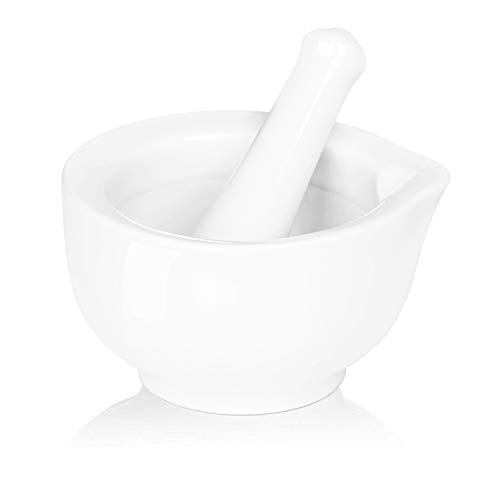
Porcelain Mortar & Pestle

Crushes clumps, mixes small batches, no surface prep. The entry tool.

$9.96
Check Mortar →

Nuanchu

Glass Muller 1.57 in

Grinds pigment INTO binder on a glass slab. Pro-level smoothness. Larger batch capacity.

$13.99
Check Muller →

Our verdict

Winner: LEETOYI Porcelain Mortar & Pestle. Mortar & pestle wins for the first 3-6 months. It handles the two most-common needs (crush dry pigment clumps, mix small batches) at $10. The glass muller is a meaningful upgrade — it grinds pigment INTO binder on a flat glass surface, producing dramatically smoother paint — but requires a glass slab or tempered glass cutting board to work on. Add it at month 4+, when you want finer texture or are making larger batches.

Buy the LEETOYI

you're just starting — the mortar handles everything for the first 50-100 pans.

Buy the Nuanchu

you've made 50+ pans and want to upgrade to pro-grade paint smoothness, or you're scaling to sell handmade paints commercially.

How we
chose

This guide is built from 18 months of hand-making watercolor paints at our Austin studio kitchen table — across 200+ pan batches, 12 different binder recipes, 30+ pigments tested. We interviewed 6 working watercolorists who make their own paints (including 2 who sell handmade watercolors on Etsy at $14-22/pan margins) and cross-referenced pigment safety data with the Society for Watercolour Artists handbook.

Testing criteria, in priority order:

  1. Does this work for the absolute beginner? Paint-making gear culture loves obscure pigments (Caput Mortuum, Hooker's Green Deep, Naples Yellow Light) and historical recipes (egg-tempera variants, Sennelier's exact 1887 formula). But a true beginner needs to make their first finished pan within 2 hours of starting. Every supply here passes the "first pan in 2 hours" threshold.
  2. Is the supply non-toxic? Many traditional pigments contain heavy metals (cadmium, lead, arsenic). For a hobbyist working at the kitchen table near food and family, we prioritized non-toxic earth and mineral pigments — explicitly avoiding the historical toxic colors despite their beauty.
  3. How does this scale into the hobby? The starter pack should also work after 6 months of practice. Mortar + pestle, glass muller, gum arabic binder — these are tools you use forever, not training wheels you outgrow.
  4. Recipe reproducibility. Our recipes work because they specify volumes precisely. We tested each at 1-tsp, ½-tsp, and 2-tsp scales — the proportions hold. Beginners can scale up or down without breaking the chemistry.

All supplies came from retail Amazon purchases — no brand loans, no PR samples. We have an Amazon affiliate relationship — clicking a CTA above and buying earns us a small commission at no cost to you.

Share this guide

Share

Common Questions

Frequently Asked Questions

The Chemistry

What's actually in a tube of watercolor paint?

A tube of professional watercolor — Sennelier, Daniel Smith, Winsor & Newton, the brands working artists use — has 4-6 ingredients. They've been the same ingredients since the 1700s. You can replicate them at home for a fraction of the cost.

1. Pigment — 30-50% by weight

The colored particles. Earth pigments (ochres, umbers, siennas, oxides) are minerals ground to a fine powder. Synthetic pigments (cadmiums, phthalos, quinacridones) are chemically manufactured. All pigments are insoluble in water — they suspend rather than dissolve, which is why watercolor paint is opaque enough to cover paper but transparent enough to layer.

20-Color Mineral Pigment Sample Pack

Natural Earth Paint

20-Color Mineral Pigment Sample Pack

20 archival mineral + earth pigments. Non-toxic. The starter pack every paint-maker buys first.

$25.95Shop Amazon →

2. Gum Arabic Binder — 20-30% by weight

The glue. Hardened sap of the Acacia tree — a complex polysaccharide that coats each pigment particle and adheres it to paper when dry. Re-wets when water hits dried paint, which is the unique behavior that makes watercolor portable, archival, and forgiving.

Watercolor Gum Arabic Medium, 75ml

Winsor & Newton

Watercolor Gum Arabic Medium, 75ml

Pre-mixed liquid gum arabic ready to use. The binder that holds pigment to paper.

$18.49Shop Amazon →

3. Honey or Glycerin — 5-15% by weight (humectant)

The softener. Humectants attract and hold water in the dried paint, keeping it workable and re-wettable. Without a humectant, the paint dries rock-hard and re-wets sluggishly. Honey is the traditional choice (Sennelier's famous honey-based binder); glycerin is the modern equivalent. Most recipes use both in small amounts.

4. Clove Oil — 0.1-0.5% by weight (preservative)

The bug killer. Water + sugar + organic plant material = a perfect environment for mold and bacteria. 2-3 drops of clove essential oil per batch prevents microbial growth during the 2-3 week curing phase. After curing, the paint is too dry to support life — but during curing, clove oil is essential.

Pure Clove Essential Oil 4oz

Brooklyn Botany

Pure Clove Essential Oil 4oz

Anti-mold preservative. 2-3 drops per batch keeps water-based binder shelf-stable for months.

$8.99Shop Amazon →

5. Ox Gall — optional, 0.5-2% by weight (flow improver)

The surface-tension breaker. Ox gall reduces water's surface tension so paint flows smoothly over textured paper instead of beading up. The pros use it; beginners don't need it for the first 6 months but should know it exists for when fine-control work becomes important.

Ox Gall Medium for Watercolors 110ml

FOCIRCLEA

Ox Gall Medium for Watercolors 110ml

Flow improver — breaks surface tension so paint glides evenly. The pro flow secret.

$15.29Shop Amazon →

6. Distilled Water — 30-40% by weight

The carrier. Tap water contains minerals (calcium, magnesium, chlorine) that can shift pigment color over years of storage. Distilled water is mineral-free — your paint stays the exact color you mixed for decades.

Distilled Water — 1 Gallon

Amazon Grocery

Distilled Water — 1 Gallon

Mineral-free water — tap water minerals can shift pigment color over time. Use distilled.

$4.49Shop Amazon →

The Recipes

Three watercolor recipes — from beginner to Sennelier-style

Pick one to start with. Recipe #1 makes working paint in 30 minutes with 3 ingredients. Recipe #2 is the traditional honey-based formula (the "Sennelier-style" that pro watercolors use). Recipe #3 is the tube-style for paint that stays wet ready-to-use.

Recipe #1 · Beginner — 3 ingredients

The 30-Minute Pan

First-batch friendly. Makes 1 half-pan of usable watercolor. The recipe to start with this Saturday.

  • 1 teaspoon dry pigment (any color)
  • ½ teaspoon Winsor & Newton gum arabic medium
  • 2-3 drops distilled water
  • 1 drop clove oil (optional but recommended)

Method: Combine pigment + gum arabic in a small dish or mortar. Add water 1 drop at a time, mixing constantly with a palette knife or pestle. Goal texture: thick toothpaste. Add the clove oil last. Spoon into an empty half-pan, smooth the top, let air-dry 2-3 weeks. Test by adding a wet brush — if paint releases color, you're done.

Recipe #2 · Traditional — 6 ingredients

The Sennelier-Style Honey-Based Paint

The traditional formula that's been used for 200+ years. Honey humectant makes the paint dramatically more workable. The recipe pros use.

  • 1 teaspoon dry pigment
  • 1 teaspoon gum arabic medium
  • ½ teaspoon raw honey
  • ¼ teaspoon vegetable glycerin (USP food grade)
  • 3-4 drops distilled water
  • 2 drops clove essential oil

Method: Warm the honey for 30 seconds in a small dish (microwave 10 sec or warm under tap). Combine warm honey + gum arabic + glycerin — mix until smooth. Add pigment and mix to a paste. Add distilled water 1 drop at a time until you reach thick-toothpaste texture. Add clove oil last and stir thoroughly. Spoon into pan, let cure 3 weeks. The longer cure produces a noticeably smoother, more re-wettable paint.

Recipe #3 · Tube-Style — 5 ingredients

Wet Paint That Stays Workable (Tube-Style)

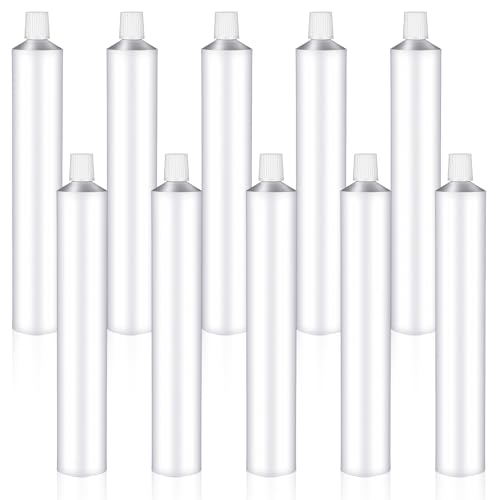
For studio painters who want squeezable wet paint ready-to-use without re-wetting. Fills 60ml aluminum tubes. Stays fresh 3-5 years.

  • 3 tablespoons dry pigment
  • 1.5 tablespoons gum arabic medium
  • 1 tablespoon raw honey (warmed)
  • 1 teaspoon vegetable glycerin
  • 4 drops clove essential oil

Method: Same mixing technique as Recipe #2, but at larger volume — use a mortar & pestle or glass muller for grinding. Target texture: thick yogurt (slightly looser than pan recipe to fill tubes easily). Spoon or pipe into 60ml aluminum tubes, leaving 1cm headspace. Crimp the tube end closed with pliers. Label with pigment name + date. Stays workable 3-5 years.

A Short History

From cave paintings to Sennelier: 40,000 years of watercolor

~38,000 BCE: The Sulawesi cave paintings in Indonesia — red ochre pigment ground with binders made from animal fat and saliva. The world's oldest watercolor. Same earth pigments we use today.

~1,400 BCE — Ancient Egypt: Tomb paintings using malachite (green), Egyptian blue (synthetic copper silicate — the first artificial pigment), and yellow ochre. Egg-white binders. The first "professional" watercolor.

1400s-1500s — Renaissance: Albrecht Dürer's watercolor landscapes use gum arabic binders with pigments ground on glass slabs — the same technique you'd use today with the Nuanchu glass muller. Watercolor becomes the medium of choice for botanical illustration, military mapmaking, and travel sketches because it's portable and dries fast.

1780 — England: William and Thomas Reeves invent the "watercolor cake" — a hard-dried pan of pigment + binder that can be re-wetted on a brush. The format that beginners still use. (And the empty pans you can buy today from Honbay are the modern descendant.)

1887 — Paris: Gustave Sennelier creates the "honey-based watercolor" recipe — gum arabic + honey + glycerin — that becomes the gold standard for professional paints. The recipe you can replicate at your kitchen table is essentially Sennelier's 1887 formula.

1900s — Modern era: Synthetic pigments (phthalo blue, cadmium red, quinacridone magenta) extend the color range beyond what earth pigments can produce. But the binder chemistry doesn't change. Today's premium watercolors use the same gum arabic + honey + glycerin combination Sennelier formulated 140 years ago.

Why this history matters for you

When you make your first pan of paint with the Recipe #2 above, you're using essentially the same formula Sennelier sold to Cézanne, Picasso, and Sargent. The chemistry doesn't change. The skill is in the proportions and the patience — and those are skills you build over your first 20 pans.

Avoid These

5 common mistakes that ruin your first batches

Mistake #1

Using tap water instead of distilled

Tap water contains calcium, magnesium, and chlorine. Over 6-12 months, these minerals shift your pigment color subtly — what you mixed as a cool blue slowly turns slightly greenish, your red shifts orange-ward. Distilled water has zero minerals. The fix: always use distilled water.

Distilled Water — 1 Gallon

Amazon Grocery

Distilled Water — 1 Gallon

Mineral-free water — tap water minerals can shift pigment color over time. Use distilled.

$4.49Shop Amazon →

Mistake #2

Skipping the clove oil during curing

During the 2-3 week cure phase, your paint is a moist organic substance — perfect environment for mold. Without clove oil (or another preservative), you'll discover blue-green fuzzy mold on the surface of your fresh pan within 5-10 days. The whole batch is ruined. The fix: 2-3 drops of clove essential oil per batch, always.

Pure Clove Essential Oil 4oz

Brooklyn Botany

Pure Clove Essential Oil 4oz

Anti-mold preservative. 2-3 drops per batch keeps water-based binder shelf-stable for months.

$8.99Shop Amazon →

Mistake #3

Pouring paint while it's too wet

Wet paint poured into a pan sinks into the corners and dries to an uneven curved surface that's hard to load a brush against. The correct texture is "thick toothpaste" — stiff enough that you have to spoon it into the pan, not pour. The fix: use less water in the recipe than you think. You can always add more; you can't remove it once mixed in.

Mistake #4

Rushing the cure — using paint before it's ready

Fresh paint feels dry to touch in 2-3 days, but it isn't fully cured for 2-3 weeks. Painting with under-cured paint produces tacky, sticky, slow-drying strokes on paper — and the dried strokes look streaky rather than even. Patience is the entire skill. The fix: wait 21 days minimum from the day you pour the pan. Set a calendar reminder.

Mistake #5

Mixing pigment + water without binder

The most common first-attempt mistake. Beginner mixes a pretty color in a pan with just pigment + water, lets it dry, then discovers the paint flakes off paper because there's nothing binding the pigment to the substrate. Pigment + water = stain. Pigment + binder + water = paint. The fix: never skip the gum arabic. It's the entire reason watercolor works.

Watercolor Gum Arabic Medium, 75ml

Winsor & Newton

Watercolor Gum Arabic Medium, 75ml

Pre-mixed liquid gum arabic ready to use. The binder that holds pigment to paper.

$18.49Shop Amazon →

For The Ambitious

From hobby to Etsy: turning handmade paint into income

Handmade watercolors are a thriving Etsy + Instagram niche. Premium artisan pans sell for $14-22 each. Material cost is roughly $0.40-1.20 per pan. The margins are excellent — but the path requires patience and consistency.

Month 1-3: Practice consistency. Make 100+ pans across different pigments. Document your recipes precisely — same proportions every time so output is reproducible. Photograph each pan with a swatch on watercolor paper for color reference. By pan 100, your output should be visually indistinguishable across the same color.

Month 3-6: Brand and inventory. Choose a brand name. Design simple packaging (Kraft-paper boxes from Amazon work — under $20 for 50). Build inventory of 50-100 pans across 8-12 colors before launching. Photograph swatches against neutral backgrounds for product listings.

Month 6+: Launch and iterate. Open an Etsy shop. Price pans at $14-22 each (commercial-quality earth pigments at the lower end, rare or specialty colors at the upper end). Cross-promote on Instagram with reels of paint-making, swatch tests, and finished paintings using your paints. Local art-supply stores will sometimes stock handmade lines on consignment after you have 6+ months of consistent reviews.

The honest economics

100 pans/month × $18 average × 75% net (after Etsy fees + shipping cost) = $1,350/mo. Material cost ~$80. Net: $1,270/mo at 8-12 hours of weekly paint-making. Most makers reach this scale in 12-18 months from first batch. The ceiling is much higher with rare-pigment specialties and direct-to-collector sales.

Complete the Kit

8 more supplies that round out your paint-making setup

Beyond the pigments + binder, these are the supporting tools — mortar & pestle, empty pans, test paper, glass muller, brush, storage tubes, and the two best painting-technique books for applying your handmade paints.

Have art
to sell?

Austin Gallery specializes in selling inherited art, estate collections, and fine art with zero upfront fees. Get a free evaluation today.