Austin Gallery
Art SuppliesJune 27, 2026Updated June 27, 202612 min read

The DIY Gallery Framing Kit (2026): Frame Art Like a Pro at Home

Custom framing costs $150–$400 a piece. Here's the kit to do it yourself to gallery standard for a fraction of that — and the secret is the mat.

By Justin Park · How we research

Custom framing is gorgeous — and brutally expensive. A single mid-size piece at a frame shop can run $150–$400, which is why so much art ends up rolled in a closet. The good news: you can frame your own work to genuine gallery standard at home for a fraction of that, and once you own the kit, every frame after costs only materials.

The secret most people miss is the mat. That clean, beveled mat opening is what makes framing read as "gallery" rather than "poster in a frame" — so the mat cutter is the heart of this kit. Around it, you add the pieces that make the result professional and archival: acid-free mat board and backing, UV-filtering glazing that stops your art from fading, the pro framer's mounting tape, a custom-finishable frame, and gallery-standard hanging hardware — plus, for the serious framer, a joiner to build frames from raw moulding. Putting together the whole art business? See our print-selling starter kit, and compare what you'd pay a shop in custom framing cost. Every link goes to Amazon with our affiliate tag; we earn a small commission at no cost to you.

In a Hurry?

The 3 picks that cover most readers. Tap to read the full review or buy direct.

Top Pick · The Mat Cutter

Logan 301-1 Mat Cutter

Logan 301-1 Mat Cutter

$120.99

Custom beveled mats — the secret to the gallery look.

Don't Skip · UV Glazing

UV Acrylic Glazing

UV Acrylic Glazing

$13.95

Blocks the light that fades art — most frames ship without it.

Best Project · DIY Frame

Unfinished Wood Frame Kit

Unfinished Wood Frame Kit

$15.29

Stain or paint it to match your room exactly.

The best for cutting custom matsTop Pick

Role

Cut custom mats

Cut

Beveled, board-mounted

Length

32"

Why it matters

The mat is the gallery look

Payback

2–3 frames

Pros

  • Clean beveled mat openings — the pro look
  • Pays for itself fast
  • Board-mounted stability
  • Elevates the whole kit

Cons

  • Learning curve for a perfect bevel
  • 32" max

Here's the secret nobody tells you: the single biggest reason gallery framing looks "gallery" is the mat — and a good mat cutter is what lets you make one at home. The clean, beveled opening of a custom mat is what separates a framed piece from a poster in a frame, and the Logan 301-1 cuts that bevel perfectly on a 32" board-mounted base.

Why it's the centerpiece: custom matting is the most expensive part of pro framing, and a mat cutter pays for itself in two or three frames. It's the one tool that elevates everything else in this kit. See our full mat cutter guide for more options.

It's the difference between framing on a budget and framing like a gallery.

What we don't like

There's a short learning curve to a perfect bevel — practice on scrap first. The 32" length covers most sizes but not oversized work.

Best acid-free mat board

Role

The mat

Material

Acid-free

Size

25× 11×14 (8×10 opening)

Protects

From yellowing + acid transfer

Use

Ready-made or custom-cut

Pros

  • Acid-free, archival-safe
  • 25-pack value
  • Ready to use or custom-cut
  • Finishes the look + protects

Cons

  • Pre-cut opening is one size

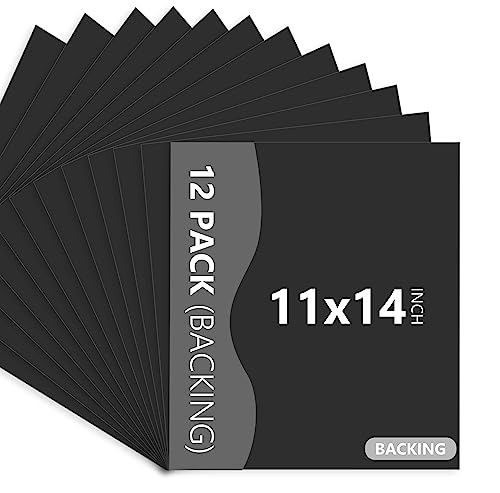
The mat does two jobs: it makes the art look finished, and it physically protects it. Acid-free board keeps the mat from yellowing and from transferring acid to your artwork over time — non-negotiable for anything you want to last. This pack of pre-cut 11×14 mats (with an 8×10 opening) is ready to use straight away, or use blanks with your mat cutter for custom sizes.
Buy acid-free, always — a cheap acidic mat will quietly damage the very art it's framing.

What we don't like

Pre-cut openings are fixed at 8×10 — for other sizes you'll want blank board and a cutter.

Best glazing (protect the art)

Role

Glazing / UV protection

Material

UV-resistant acrylic, non-glare

Blocks

Most fade-causing light

Bonus

Lighter + shatterproof

Best

Anything near a window

Pros

  • Blocks fade-causing UV
  • Non-glare surface
  • Lighter + shatterproof vs. glass
  • Cheap upgrade over plain glass

Cons

  • Match the size to your frame

The glass is what keeps your art from fading — and most cheap frames ship with plain glass that does nothing. UV-filtering acrylic blocks the majority of the light that fades artwork, so the piece you frame today still looks right in ten years. It's also lighter and shatterproof, which matters for large pieces and shipping.

Swap it into any frame in place of the standard glazing. For the full breakdown, see our museum glass guide and how to protect art from fading.

What we don't like

Sized at 8×10 here — buy the size matching your frame, and handle the protective film carefully when peeling.

Check UV Glazing on Amazon →$13.95 · CountryArtHouse
Best ready-to-finish frames

Role

The frame (DIY)

Material

Unfinished wood

Finish

Stain, paint, or wax to taste

Best

Custom look on a budget

Skill

Beginner-friendly project

Pros

  • Fully customizable finish
  • Custom look at a basic price
  • No saw or joiner needed
  • Fun project

Cons

  • You do the finishing
  • Limited sizes per kit

If you want a frame that's truly yours, start with unfinished wood. A raw wood frame kit lets you stain, paint, or wax it to match your room exactly — a custom finish for the price of a basic frame, and a fun afternoon project.

It's the accessible path to a one-of-a-kind frame without owning a saw or a joiner — assemble, finish, drop in your matted, glazed art, and hang.

What we don't like

Unfinished means you do the finishing — budget time to sand, stain/paint, and seal. Sizes are limited per kit.

Best for mounting the art

Role

Mount + assemble

Type

Adhesive transfer (ATG)

Standard

What pro framers use

Safe

Archival, no acidic residue

Best

Hinging art to mats

Pros

  • The pro framer's tape
  • Thin, strong, archival-safe
  • Clean — no ooze or curl
  • Cheap

Cons

  • Best with an ATG dispenser gun

This is the tape professional framers actually use. ATG (adhesive transfer gum) lays down a thin, strong, archival-safe adhesive line for hinging art to a mat and assembling the package cleanly — no curling, no ooze, no acidic residue like cheap tape leaves behind.

It's a small, cheap detail that makes your framing hold together properly and stay safe for the artwork over the years.

What we don't like

Works best in an ATG dispenser gun (sold separately); applying by hand is fiddlier.

Austin Art Insider

Free weekly guide to galleries, exhibitions & collecting in Austin.

Best backing board

Role

Backing layer

Material

Acid-free foam board

Size

10× 16×20

Function

Rigid, protective backing

Bonus

Also great for mounting

Pros

  • Acid-free, archival backing
  • Lightweight + rigid
  • 10-pack value
  • Multi-use for crafts/mounting

Cons

  • Trim down for smaller frames

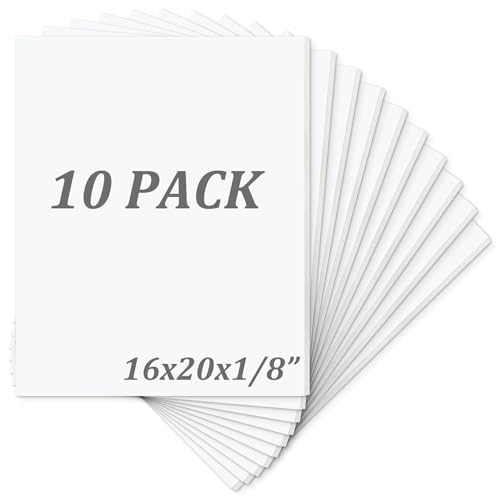
The backing is the unseen layer that keeps everything flat and protected inside the frame. Acid-free foam board sits behind the art and mat, holding the package rigid and shielding the back of the artwork from the frame's backing and the wall.

Lightweight, rigid, and acid-free, it's the right material to complete an archival frame package — and it's handy for mounting and crafts too.

What we don't like

16×20 sheets need trimming for smaller frames (a craft knife and straightedge do it).

Check Foam Board on Amazon →$28.89 · Mat Board Center
Best hanging hardware

Role

Hang the frame

Includes

100 ft wire, 60 D-rings, screws, bumpers

Method

D-ring + wire (gallery standard)

Best

Level, secure hanging

Coverage

A whole wall of frames

Pros

  • Secure, level gallery-standard hang
  • Hangs a whole wall
  • Screws + bumpers included
  • Cheap

Cons

  • Add a level + wall anchors for heavy pieces

The last step, and the one that makes a frame hang level and secure. D-rings screwed into the frame plus braided picture wire is the proper, gallery-standard way to hang framed art — far more secure than a single sawtooth hanger, and it lets you level the piece on the wall.

This kit's 100 feet of wire and 60 D-rings will hang a whole wall of frames, with screws and bumpers included.

What we don't like

You'll still want a level and the right wall anchors to hang heavier pieces — see our hanging guides.

Best for building frames from scratch (pro upgrade)Pro Upgrade

Role

Join frame corners (pro)

Method

Drives v-nails into miters

Standard

Frame-shop technique

Best

Building from raw moulding

Level

Advanced / volume

Pros

  • Build any-size frame from moulding
  • Frame-shop-grade joints
  • Lowest per-frame cost at volume
  • Pairs with the mat cutter

Cons

  • Priciest pick + learning curve
  • Needs moulding + miter cuts

For the serious framer who wants total control, this is the leap to building frames from raw moulding. A studio joiner drives v-nails into the back of mitered corners, joining wood moulding into a tight, professional frame — the same method a frame shop uses. Combined with the mat cutter, it makes you a one-person frame shop.

It's an investment and a step up in skill, but it unlocks any size, any moulding, and the lowest per-frame cost once you're framing in volume.

What we don't like

The priciest item here and a real learning curve — only worth it if you'll build frames regularly. You'll also need moulding and a miter cut.

How we
chose

We built this kit the way a frame actually comes together — by the job each piece does, archival-first:

  • The mat leads. It's the single biggest driver of the gallery look (and the most expensive part of pro framing), so the mat cutter earns the top spot and everything else supports it.
  • Archival, always. Acid-free mat board and backing plus UV-filtering glazing are what keep the art from yellowing or fading — we flag where "cheap" quietly damages the very piece you're framing.
  • Pro methods, accessible tools. ATG tape and D-ring-and-wire hanging are exactly what frame shops use, and they cost almost nothing — so we included them over the flimsy shortcuts.
  • A clear ladder. We mark what gets you framing today (cutter, board, glazing, frame, tape, backing, hardware) and the pro upgrade (a joiner) for when you're building from raw moulding in volume.
  • Cost-honest. We compare the kit against what a frame shop charges so you can see exactly when it pays for itself.

Share this guide

Share

Common Questions

Frequently Asked Questions

Have art
to sell?

Austin Gallery specializes in selling inherited art, estate collections, and fine art with zero upfront fees. Get a free evaluation today.