The Best Vrbos in Port Aransas, by Area
Port Aransas is Austin's home beach, but "Port A" is really a whole coastal neighborhood: the golf-cart old town, the condo rows, Cinnamon Shore's planned villages, wild Mustang Island, artsy Rockport, and Corpus Christi across the causeway. Six different trips, six different prices. This guide ranks them so you book the right one.
No fake listings, no "this exact cottage has the best deck in town" bait. We cover the areas, the ferry math, and the honest trade-offs, then hand you a live search for each.
How to Choose Your Port A Area
Two minutes of orientation before the rankings.
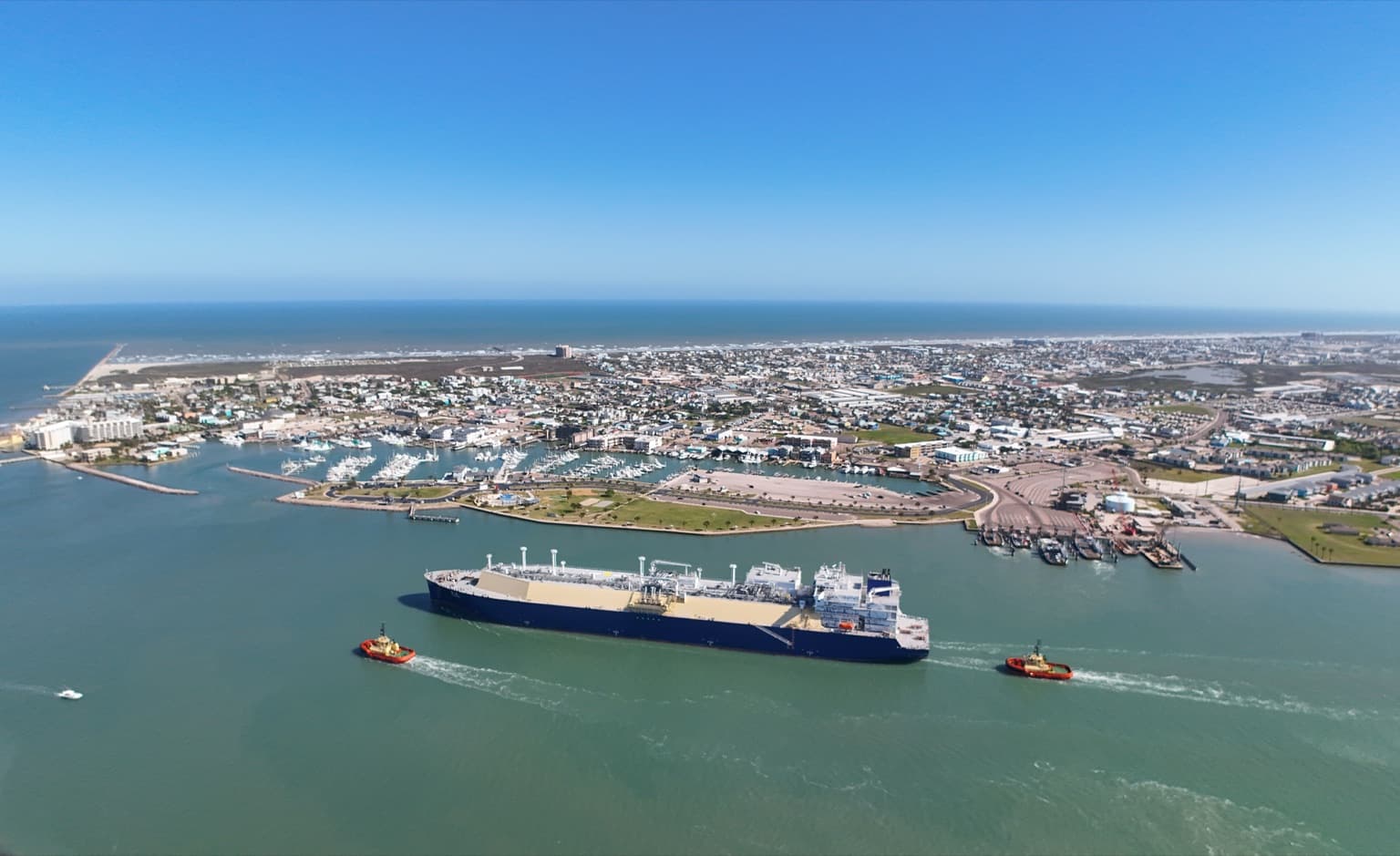
Port Aransas proper sits at the north tip of Mustang Island, reached either by the free 24-hour ferry across the ship channel or the long way around through Corpus Christi and up the island. The town itself is the old-town cottage grid plus a strip of condo complexes and planned villages running south down the island. Across Aransas Bay to the northwest sits Rockport-Fulton, the calm-water fishing-and-art alternative; across the JFK Causeway to the south, Corpus Christi and its island suburb North Padre bring city scale and the gateway to the Padre Island National Seashore.
Vacation rentals are the region's native lodging, from hundred-year-old fishing cottages to new village construction, and the market is deep enough that the real decision is area, not house. The water everywhere here is classic mid-coast Gulf: warm, swimmable, greener than Galveston, not as clear as South Padre, with seaweed arriving in some early-summer stretches.
We ranked for the realistic trip: an Austin or San Antonio crew, two to four nights, wanting maximum beach character for the money. Walkability, charm, and beach access scored up; drive-to-everything sprawl scored down.
Pick Your Area in 30 Seconds
Six areas, six different trips. Match yours, then read that section.
| Area | The trip it's for | Typical summer band | Search |
|---|---|---|---|
| Old town golf-cart zone | The classic Port A family week | $250-600/nt | Vrbo → |
| Beachfront condo rows | Beach-first value, pool included | $150-350/nt | Vrbo → |
| Cinnamon Shore + villages | Polished multi-family resort weeks | $400-900/nt | Vrbo → |
| Mustang Island stretch | Empty beach, dark skies, quiet | $175-450/nt | Vrbo → |
| Rockport-Fulton | Fishing, birds, galleries, oysters | $150-400/nt | Vrbo → |
| Corpus + North Padre | City backup, budget families | $125-350/nt | Vrbo → |
Price bands are the ranges listings typically show for summer; the live listing total is always the truth.
The old town golf-cart zone
Old town Port Aransas is the reason this little island town owns Austin's heart: a walkable, golf-cart-scaled grid of beach cottages, stilted houses, taco windows, ice cream counters, and bait shops between the harbor on one side and the wide driveable beach on the other. Rent here and the whole trip runs at cart speed, to the beach in the morning, to the harbor for the boats in the afternoon, to dinner without touching the car once.
The inventory is the most characterful on the Texas coast: weathered cottages from the town's fishing-village decades alongside newer stilted builds, most within a cart ride of a beach access. The golf cart is not a gimmick; it is the town's actual transportation layer, with rental outfits everywhere and cart parking at the restaurants. Kids remember the cart as much as the beach.
Old town also keeps the trip weatherproof in a way pure beach zones cannot: Farley Boat Works and the town's maritime history, the jetty and harbor watching the shrimp boats and pilot boats work, charters off the docks, and a genuinely good casual food scene. That mix is why it takes the top spot even over sand-at-your-door options.
- ·Rent the golf cart first; it is the town's operating system
- ·Watch the ships and dolphins from the jetty at the north end
- ·Charter or jetty-fish; Port A still calls itself the state's fishing capital
- ·Taco window breakfast, beach day, ice cream counter, repeat
Character costs: old-town houses price above what the buildings alone would suggest, and summer Saturdays fill the town solid. Also, most old-town rentals are a cart ride, not a barefoot walk, from the sand; check the map on the listing if beach steps matter to you.
The beachfront condo rows
South of the old town grid, Port Aransas runs a string of condo complexes along the beach access roads, from small two-story clusters to bigger resort-style properties with pools. This is the island's value tier and its most beach-proximate: many units put you a dune boardwalk away from the sand, and the pools cover the mid-day hours when the Gulf sun stops being funny.
Condos here solve the two problems the classic beach house creates: price and size. A couple or a one-kid family does not need five bedrooms on stilts, and a well-kept two-bedroom with a pool and a boardwalk to the beach at half the house price is simply the better buy. Units are individually owned, so the usual coastal rule applies: judge the unit by its recent reviews and photos, not the complex's name.
You will drive or cart into old town for dinner, five to ten minutes, which is the only real tax this zone charges. Many complexes sit closer to the beach than most old-town houses do, a trade plenty of beach-first travelers should take.
- ·Boardwalk to the beach before coffee finishes brewing
- ·Pool hours midday, Gulf hours morning and evening
- ·Cart or drive into old town for the dinner-and-ice-cream circuit
- ·Sunrise walks; the beach is driveable but quiet early
Complex quality and noise vary widely, and summer weekends fill pools past charming. The word 'beachfront' in listings sometimes means 'beachfront complex, parking-lot-view unit'; confirm what the specific unit faces before you pay a view premium.
Cinnamon Shore + the planned villages
Cinnamon Shore is the Texas coast's answer to the Florida panhandle's postcard villages: a master-planned, new-urbanist beach community of pastel cottages and larger homes around pools, lawns, and a small commercial center, with boardwalks over the dunes to a semi-private-feeling stretch of Mustang Island beach. A handful of similar planned developments have followed along this stretch, and together they form the island's premium tier.
What you are buying is coherence: architecture that all agrees with itself, pools and green spaces threaded through the community, food trucks and events on the lawn in season, and rental management standards that keep quality more consistent than the individually-owned condo lottery elsewhere. For a multi-family trip where the kids roam between houses on bikes, it is the easiest logistics on the coast.
The premium is real, often double old-town pricing for comparable bedrooms, and the experience is deliberately more curated than salty. Crews who love Port A precisely because it is scruffy will find the villages too tidy; crews who found Port A too scruffy will find them exactly right.
- ·Boardwalk beach mornings, pool afternoons, lawn events at dusk
- ·Bike the community loops; kids run feral in the best way
- ·Cart into old town when you want the salty version
- ·Book the group houses early; the good weeks go first
You can spend a week here and barely touch actual Port Aransas, which defeats half the reason to come. And at these prices, comparison-shop against a big old-town house; sometimes character wins the math.
The Mustang Island stretch
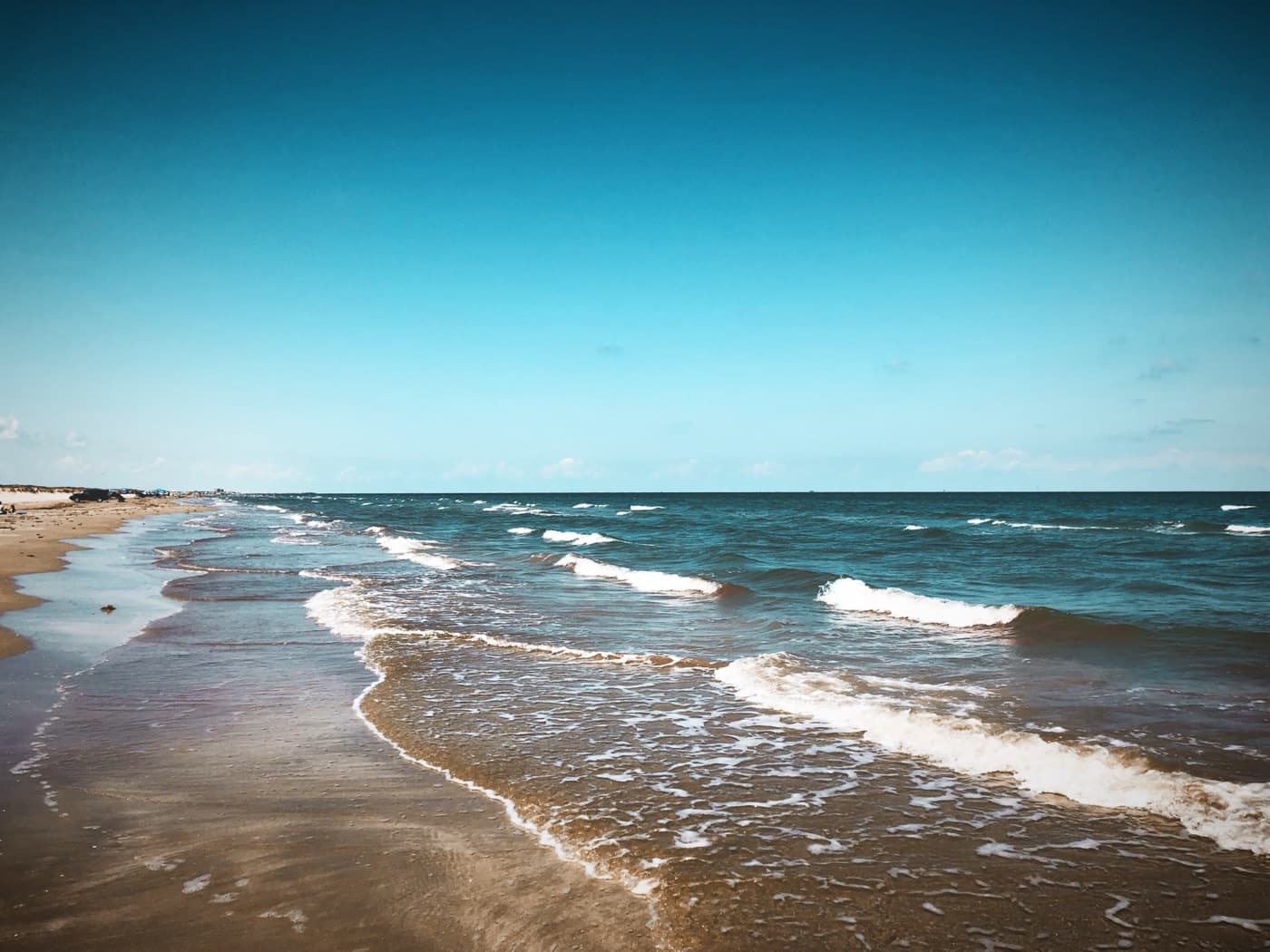
Between Port Aransas and the causeway to Corpus Christi, Highway 361 runs the length of Mustang Island with dunes on the Gulf side, flats on the bay side, and long stretches of nothing much at all, which is the appeal. Rentals out here are scattered condo complexes and houses with far fewer neighbors, fronting beach that runs empty even on summer weekends once you walk a few hundred yards from the access points.
Mustang Island State Park anchors the middle of the stretch: five miles of natural beach, primitive camping, and the paddling trail network on the bay side that threads through some of the best shallow-water redfish habitat in Texas. Staying nearby makes the park a daily amenity instead of a day trip.
The zone works two directions: fifteen minutes north to Port A's restaurants and carts, twenty-five south to Corpus Christi's museums and aquarium. That double access makes it a smart base for trips that want beach quiet plus city options, at prices below both the old town and the villages.
- ·Walk the state park beach until the people disappear (it's quick)
- ·Paddle the Mustang Island bay-side trails at dawn
- ·Split day trips: Port A one day, the Corpus aquarium the next
- ·Stargaze; this is the darkest sky on this list
There is no walking to dinner out here, and no golf-cart culture; every meal or grocery run is a real drive. Wind and open dunes also mean the beach can feel raw on rough days. This zone is for people who consider that a feature.
Rockport-Fulton, across the bay
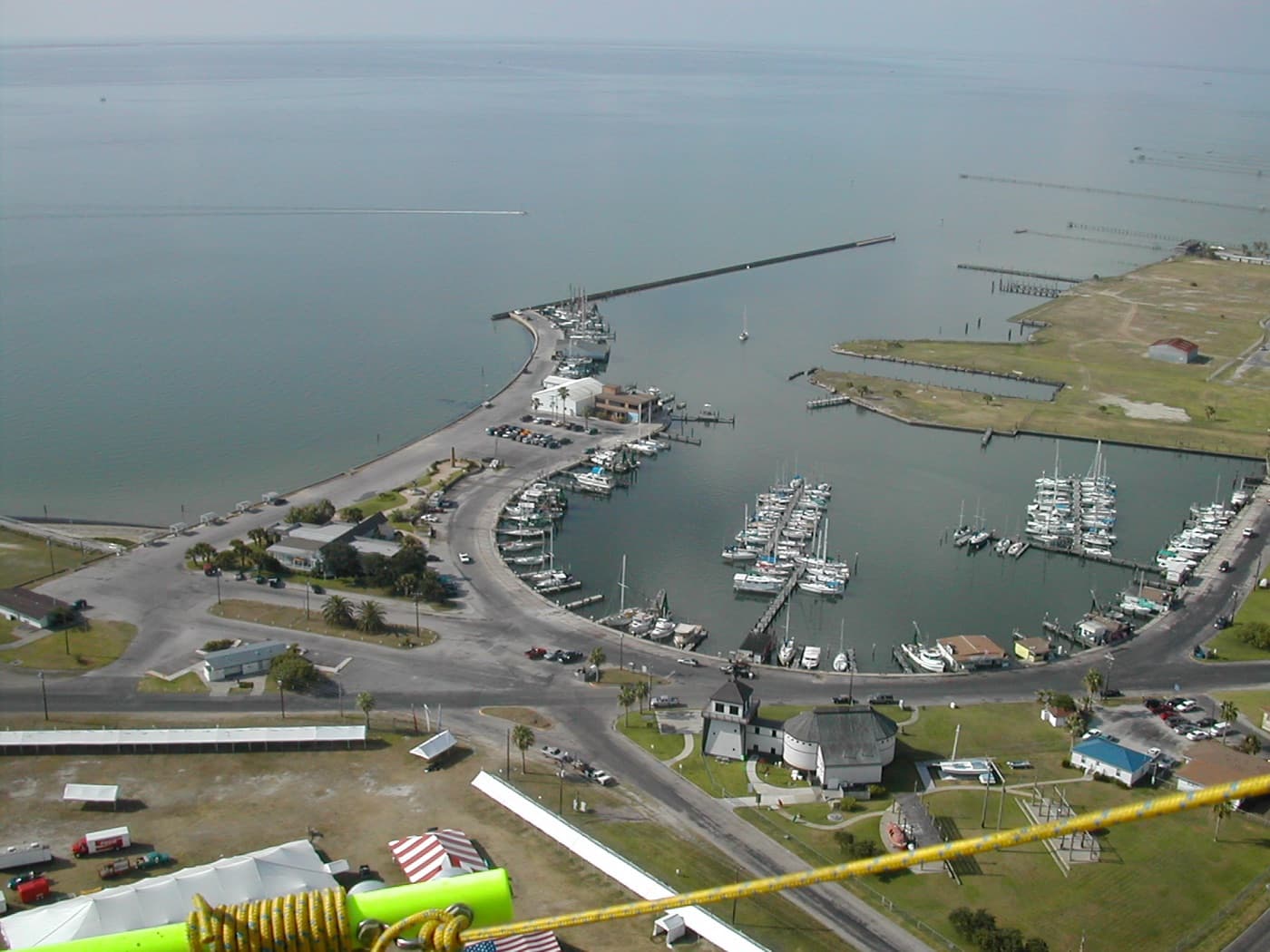
Rockport-Fulton is not on the open Gulf at all, and that is its whole argument: a pair of joined bayfront towns on Aransas Bay with a working fishing harbor, a legitimate art colony (the Rockport Center for the Arts has anchored the scene for decades), oyster houses, and the famous wind-sculpted live oaks leaning inland along the shore. The pace is a notch slower and a decade older than Port A, in the best way.
The water is bay water: calm, shallow, and protected, with Rockport Beach, a groomed, sheltered swimming beach on a peninsula in the bay, standing in for surf. Families with very small kids sometimes prefer exactly this. Anglers need no persuading; the flats here are storied, and winter brings the endangered whooping cranes to the Aransas National Wildlife Refuge up the shore, one of American birding's genuine pilgrimages.
Rentals run to bay-view cottages, canal houses with docks, and in-town bungalows, generally cheaper than Port Aransas for comparable size. Pick Rockport over Port A when the trip is fishing, birds, galleries, and porches; pick Port A when it is surf, sand miles, and beach-town buzz.
- ·Oysters where they were harvested; Fulton's seafood houses are the real thing
- ·Whooping cranes at Aransas NWR, roughly November through March
- ·Rockport Center for the Arts and the gallery walk downtown
- ·Photograph the leaning oaks at Goose Island's Big Tree
There is no surf and no wide Gulf beach here; Rockport Beach is a calm bay crescent, lovely and small. Travelers expecting Port A's beach with Rockport's prices end up disappointed. Know which coast you are buying.
Corpus Christi + North Padre
Corpus Christi is the metropolitan anchor of this whole coast, and its rental market splits in two. North Padre Island, the city's island suburb across the JFK Causeway, is the beach half: canal neighborhoods with docks, condo rows near Whitecap Beach, and quick access to Padre Island National Seashore, the longest undeveloped barrier island beach in the world, running sixty-plus wild miles south. The mainland half offers bayfront and city stays near the marina, museums, and restaurants.
The family artillery is real here: the Texas State Aquarium and the USS Lexington aircraft carrier museum across the bridge, the national seashore's sea-turtle hatchling releases in summer, and windsurfing lessons on the flats of the Laguna Madre. Add city groceries, hospitals, and an airport, and Corpus is the practical pick for trips that want infrastructure behind their beach.
It ranks sixth for atmosphere, not substance: North Padre is pleasant but suburban, without Port A's cottage charm or golf-cart culture. Prices reflect that, consistently the lowest per bedroom on this list, which for a budget-first family trip may quietly make it the right answer.
- ·USS Lexington and the aquarium for the two-fisted rainy-day combo
- ·Drive Padre Island National Seashore until the crowds are a memory
- ·Summer sea-turtle hatchling releases at the seashore (check schedules)
- ·Canal-house crabbing and calm-water paddling on the Laguna side
This is a city with a beach district, not a beach town: expect traffic lights, chain stores, and drives between things. If the fantasy is walking to a taco window with sandy feet, that is Port A, twenty-five minutes north.
Costs, Ferry Timing, and When to Book
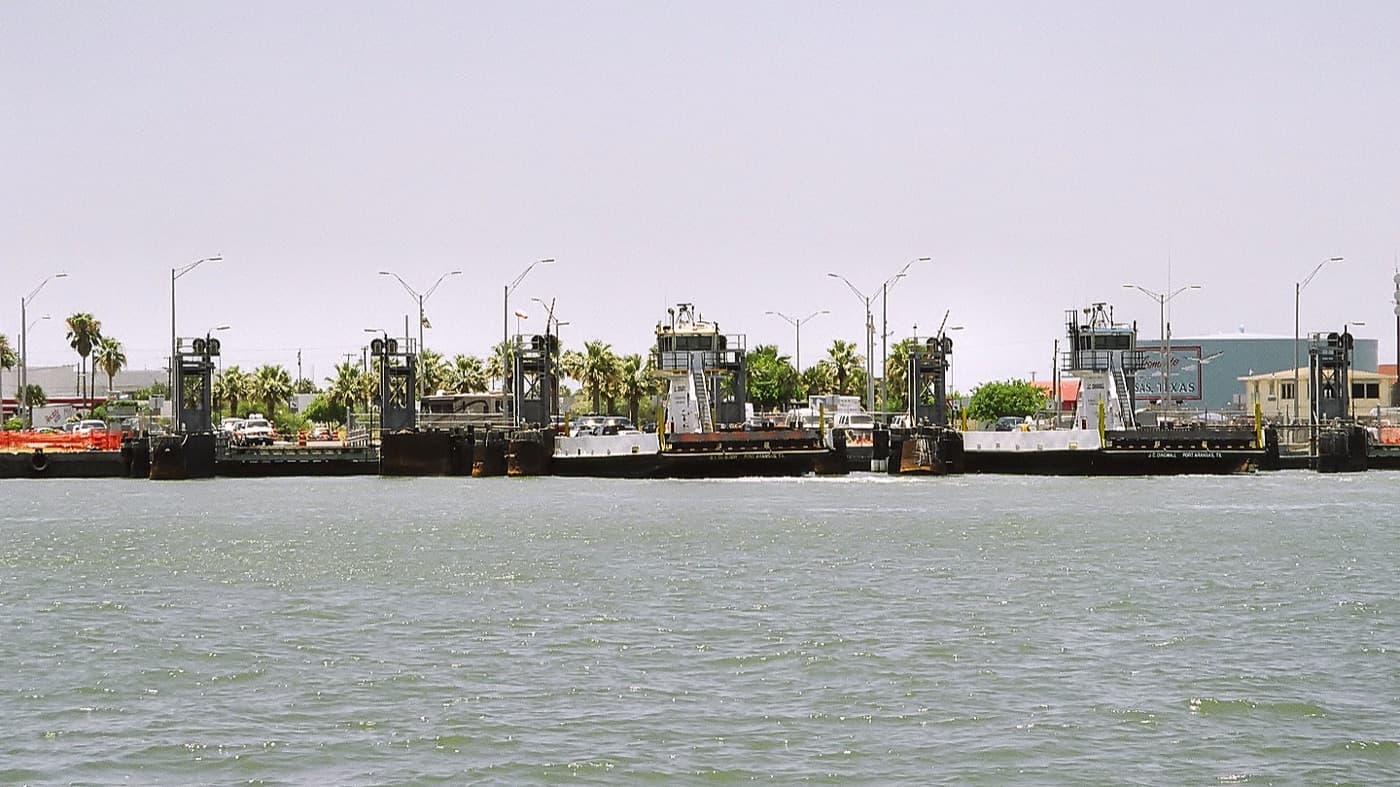
Port Aransas pricing peaks on summer Saturdays, spring break, and the holiday weekends, with two- and three-night minimums standard at houses. Fees commonly add $150 to $300 per booking, so compare checkout totals rather than nightly teasers. May and September through October are the value windows: the same water, warmer even, and a calmer town. The ferry adds a planning wrinkle worth taking seriously on summer Saturdays; cross early or late, watch TxDOT's posted wait times, or route through Corpus via the causeway when the line runs long.
Hurricane season, June through November, is the standing coastal caveat: book with flexible cancellation where offered and keep September plans loose. The town has rebuilt stronger after every storm; the visitor calendar barely blinks anymore, but the fine print matters.
Port Aransas Rental Questions, Answered Straight
What is the best area to stay in Port Aransas?
+
The old town golf-cart zone is the best all-around pick: walkable, characterful, and cart-distance from both the beach and the harbor. The beachfront condo rows south of town are the value-and-proximity play, and Cinnamon Shore and the planned villages on Mustang Island are the premium tier for multi-family groups.
Is Port Aransas or Rockport better?
+
Port Aransas is better for the classic beach trip: Gulf surf, wide driveable sand, golf carts, and beach-town energy. Rockport-Fulton, across Aransas Bay, is better for fishing, birding, galleries, oyster houses, and calm protected water. Rockport is also generally cheaper. Many groups split the difference: stay Port A, day-trip Rockport for the oysters and the whooping cranes.
How much does a Port Aransas beach house cost?
+
In summer, old-town houses and cottages typically list around $250 to $600 a night, beachfront condos $150 to $350, and Cinnamon Shore-tier village homes $400 to $900 or more. Cleaning and service fees often add $150 to $300 per booking, and most houses carry two- or three-night summer minimums. May and September deliver the same beach at a real discount.
How far is Port Aransas from Austin?
+
About 3.5 to 4 hours by car. The standard route runs through San Antonio or Victoria toward Aransas Pass, then the free 24-hour ferry across the ship channel into town; the alternative enters via Corpus Christi and the JFK Causeway up Mustang Island, which skips the ferry line at the cost of a few extra miles.
How does the Port Aransas ferry work?
+
The state runs a free, continuous car ferry across the Corpus Christi Ship Channel between Aransas Pass and Port Aransas, about a five-minute crossing that runs around the clock. Summer weekend middays can queue 30 to 60 minutes or more; locals cross early morning or late evening, and TxDOT posts live wait times. The causeway route via Corpus is the no-wait backup.
Can you drive on the beach in Port Aransas?
+
Yes. Driving and parking on the sand is standard practice on Port Aransas and Mustang Island beaches; you buy an inexpensive annual beach parking permit (sold locally) to park on most stretches. It is one of the town's defining conveniences: your gear rides to the waterline instead of on your shoulders.
Is Port Aransas good for families?
+
It is arguably the best family beach town in Texas: golf-cart pace, a wide gentle beach, taco-and-ice-cream walkability, fishing off the jetties, and enough rainy-day options between the town and Corpus Christi (aquarium, USS Lexington) to survive a weather day. The spring-break crowd surge in March is the one family caveat.
When should I book a Port Aransas rental for summer?
+
Prime summer Saturdays and holiday weeks at the good old-town houses and village homes go 2 to 3 months out; ordinary summer weeks still show choices 4 to 6 weeks ahead. Spring break books earliest of all. September and October are the island's quiet glory weeks, warm water and open calendars, with hurricane-season flexibility advised.
The beach-house capital up the coast: West End, Pirates Beach, Seawall condos, Crystal Beach.
The clear-water end of the coast, zone by zone, spring-break honesty included.
The halfway city on the drive down: Riverwalk condos to King William historic homes.
The hub guide: Hill Country, lakes, rivers, coast, wine country, and the in-town staycation.
Vrbo links on this page are commissionable through the Expedia Group creator program. Your price is unchanged; we earn a small commission on completed bookings.