Austin Gallery

Board Games

Best Strategy Board Games (2026): Deep Games Worth Mastering

Strategy games are where the hobby gets its deepest pleasures — real decisions, satisfying engines, slow mastery. But 'strategy' spans a huge range. We've sorted the best by weight, from the perfect step-up games to the meaty flagships, so you can find the right level for your table.

By Justin ParkUpdated June 5, 202615 min readHow we research

Strategy games are where the board-game hobby gets its deepest pleasures: real decisions, satisfying engines, and the slow mastery of a system over many plays. But "strategy game" spans a huge range — from accessible, medium-weight games you'll teach in 15 minutes to heavy euros that demand an evening and a clear head. The key to buying well is matching the weight (complexity) and player count to your group's appetite.

These are the best strategy board games of 2026, sorted by weight — from the perfect step-up games to the meaty flagships — so you can find the right level for your table. Every link goes to Amazon with our affiliate tag — we earn a small commission, at no cost to you, when you buy through us. For more, see our complete board games guide by type and age.

In a Hurry?

The 3 picks that cover most readers. Tap to read the full review or buy direct.

Best Overall

Wingspan

$55

Accessible depth, gorgeous components — the perfect bridge to real strategy.

Best Light Strategy

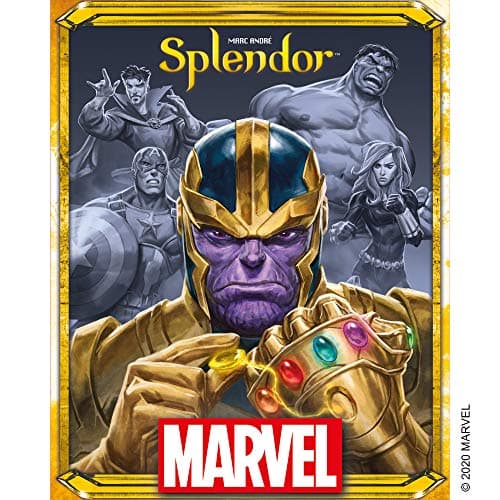
Splendor

$32

Engine-building in 30 minutes and one page of rules — the cleanest entry.

Best Heavy Euro

Terraforming Mars

$80

A multi-hour engine-building epic with 200+ cards — endlessly replayable.

Best Overall Strategy GameOur Pick

Players

1–5

Time

40–70 min

Ages

10+

Type

Engine-building / medium

Pros

  • Accessible depth — the perfect step up
  • Beautiful components
  • Great solo & 2-player modes
  • Hugely satisfying engine

Cons

  • Some card luck
  • Quiet, low confrontation
  • Premium price

Wingspan is the game that pulled thousands of people from 'I like Ticket to Ride' into the deep end of strategy gaming — gently and beautifully. You're collecting birds for your wildlife preserve, and each bird you play adds an ability that triggers when you take certain actions, so your turns chain into satisfying engines of eggs, food, and cards. It's medium-weight: a real strategic puzzle, but approachable enough to learn in one sitting.

What "engine-building" means: the core joy of many great strategy games — you spend early turns setting up combos so that later turns become dramatically more powerful. Wingspan is the genre's modern poster child, and watching your engine roar to life is deeply satisfying.

The components are stunning (the egg minis, the bird cards), and the solo and 2-player modes are excellent. There's card luck and it's a quieter, build-your-own-thing game rather than a confrontational one, and $55 is a real investment — but as the ideal bridge from gateway games to genuine strategy, Wingspan is our top recommendation.

Our Pick

The strategy game that became a sensation — and our top pick for most players. You build a tableau of birds, each triggering chain-reaction abilities (the 'engine'), in a beautiful, accessible, deeply satisfying game. The perfect bridge from gateway games to real strategy.

Buy this as your first 'serious' strategy game. It's medium-weight — meatier than Ticket to Ride, far more approachable than a heavy euro — with gorgeous components, an engine-building loop that's a joy to optimize, and excellent solo and 2-player modes. The ideal step up.

What we don't like

There's some card luck (the birds you draw matter), it's quieter and more solitaire-ish than confrontational games, and the $55 price is real. But few games offer this much depth this accessibly.

Check Wingspan on Amazon →$55 · Stonemaier Games
Best Entry StrategyAlso Great

Players

3–4 (6 w/ exp)

Time

60–90 min

Ages

10+

Type

Trading / gateway strategy

Pros

  • Social trading & negotiation
  • Different every game
  • The genre-defining gateway
  • Expandable to 5–6

Cons

  • Dice luck swings games
  • Can be shut out of resources
  • Lighter than heavy euros

CATAN is where modern strategy gaming began for millions of people, and it remains a brilliant entry point. You harvest resources from a modular hex island, trade them with rivals, and build roads, settlements, and cities toward 10 victory points. The trading is the heart of it — every turn invites deals, alliances, and haggling, making it the most social game in this guide.

The modular board means no two games are alike, and the negotiation gives it a human, dynamic feel that pure puzzle-games lack. The dice introduce luck that can occasionally frustrate, and it's lighter on deep tactical depth than the heavier euros below — but as the accessible, social gateway to strategy gaming, and a genuine classic, CATAN earns its place. Add the 5–6 player expansion for bigger groups.

Also Great

The classic that taught the world strategy gaming. Trade resources, build settlements and cities, and negotiate your way to victory on an ever-changing island. Accessible, social, and endlessly replayable — the gateway to strategy, and still a great game decades on.

Buy this if you want strategy with heavy social interaction. The trading and negotiation make it the most talkative game here, the modular board keeps it fresh, and it's the perfect on-ramp for a group new to 'real' strategy games. A modern classic for good reason.

What we don't like

Dice luck can swing games and frustrate, getting 'shut out' of resources happens, and it's more about negotiation than deep tactical depth — heavier-strategy fans will want the games further down. Best at 3–4.

Check CATAN on Amazon →$40 · CATAN Studio
Best for Bigger GroupsAlso Great

Players

2–7

Time

30–40 min

Ages

10+

Type

Card drafting / civ

Pros

  • Plays in ~30 min at any count
  • Almost no downtime
  • Deep but fast
  • Great at 4–7 players

Cons

  • Icon-heavy learning curve
  • Weak at 2 (get Duel)
  • First game is a lot

7 Wonders solves the biggest problem with deep strategy games at a full table: waiting. You're building an ancient civilization by drafting cards over three ages — but everyone drafts simultaneously, choosing a card from their hand and passing the rest. So whether you're 3 players or 7, the game still finishes in about 30 minutes with almost no downtime, which is close to miraculous for a game this rich.

The decisions are genuinely strategic — military, science, commerce, and civic paths all compete — and it's enormously replayable. The trade-off is a front-loaded learning curve: the cards communicate through icons, so the first game is a lot to absorb before it clicks. (For two players specifically, get the superb standalone 7 Wonders Duel instead.) But for delivering real strategy to a crowd of 4–7 in half an hour, nothing else does it better.

Also Great

Big strategy that plays fast, even with a full table. You draft cards to build an ancient civilization over three ages — and because everyone drafts simultaneously, it plays in about 30 minutes whether you're 3 players or 7. The rare deep game that scales to a crowd without dragging.

Buy this for groups of 4–7 who want real strategy without a multi-hour commitment. Simultaneous drafting means almost no downtime, so a full table never waits — a genuine rarity. Rich decisions, civilization-building theme, and high replayability.

What we don't like

The icon-heavy cards have a learning curve (the first game is a lot to absorb), and at 2 players it uses a clunkier variant (get 7 Wonders Duel instead for two). Best appreciated at 4+.

Check 7 Wonders on Amazon →$45 · Repos Production
Best Abstract StrategyAlso Great

Players

2–4

Time

30–45 min

Ages

8+

Type

Abstract / tile-drafting

Pros

  • Pure skill, almost no luck
  • Brilliant at 2 players
  • Simple rules, deep play
  • Beautiful tactile tiles

Cons

  • Abstract (no theme)
  • Can feel cutthroat
  • Analysis paralysis risk

Azul is what abstract strategy looks like when it's also beautiful. You draft sets of gorgeous resin tiles and place them to complete rows and patterns on your board, scoring for clever adjacency. There's no dice, no cards, no luck to hide behind — every decision is sharp and double-edged, because the tiles you take are also the tiles you deny everyone else.

It teaches in minutes but rewards mastery, and at 2 players it's a tense, brilliant duel of reading the board and your opponent. The flip side: it's abstract (no theme or story to carry you), it can feel cutthroat as you cut off opponents, and deep-thinkers can slow it with analysis paralysis. But for clean, skill-driven, luck-free strategy in a stunning package, Azul is a modern benchmark — and one of the best 2-player strategy games you can buy.

Also Great

Pure, elegant strategy with no luck and no theme to hide behind. You draft beautiful tiles to complete patterns, and every choice is a sharp two-sided decision: what you take is also what you deny your opponents. Gorgeous, tense, and a modern classic of abstract strategy.

Buy this for clean, skill-driven strategy — especially at 2 players, where it's a brilliant duel. There's no luck mitigation to blame; it's all reading the board and your opponent. Simple to learn, deep to master, and stunning on the table.

What we don't like

Abstract strategy isn't for everyone (no theme, no story), it can feel mean as you deny opponents tiles, and 'analysis paralysis' players can slow it down. Best at 2 (a touch more chaotic at 4).

Check Azul on Amazon →$34 · Next Move Games
Best Light StrategyBest Value

Players

2–4

Time

30 min

Ages

10+

Type

Engine-building / light

Pros

  • Engine-building made simple
  • Chunky satisfying tokens
  • Quick, addictive
  • Great value

Cons

  • Low interaction
  • Lighter than heavy euros
  • Best at 2–3

Splendor is the most elegant on-ramp to engine-building there is. You collect chunky gem tokens, spend them to buy development cards, and each card permanently discounts future purchases — so your economy snowballs until someone hits 15 prestige points. The rules fit on a page, yet the optimization puzzle is genuinely engaging, and the heavy poker-chip gems make every turn tactile.

It plays in 30 minutes, teaches in two, and is the cheapest way to understand why engine-building is so satisfying. The trade-offs: it's quiet and parallel (little direct conflict), thinner than the heavier strategy games here, and best at 2–3. But as a fast, elegant, addictive light-strategy game — and a great value — Splendor belongs on any strategy shelf, especially as a warm-up to bigger games.

Best Value

Engine-building stripped to its elegant core. Collect gem chips, buy cards that discount future cards, snowball to victory — barely a page of rules, yet genuinely strategic and quietly addictive. The cleanest, cheapest introduction to the engine-building genre.

Buy this for fast, accessible strategy and to learn engine-building painlessly. Games run 30 minutes, the chunky gem tokens are a joy, and the depth-to-rules ratio is superb. A great gateway-strategy pick and a perfect lunch-break or warm-up game.

What we don't like

Low direct interaction (it's parallel and quiet), thinner than the meatier games here, and best at 2–3 (slower at 4). A clean appetizer rather than a main course.

Best Worker PlacementAlso Great

Players

1–4

Time

40–80 min

Ages

13+

Type

Worker placement / tableau

Pros

  • Stunning art & components
  • Two systems woven cleverly
  • Great solo–4 player
  • Beloved & deep

Cons

  • Medium-heavy (real teach)
  • Combo analysis paralysis
  • Premium price

Everdell is proof that a deep strategy game can also be utterly enchanting. Set in a storybook woodland, it blends two beloved systems: worker placement (sending your critter workers to gather resources) and tableau-building (constructing a city of cards whose abilities combo together). The result is a rich, combo-driven puzzle wrapped in some of the most beautiful art and components in the hobby — including a literal giant cardboard tree on the table.

It's a genuine step up in depth from the gateway games — a real teach, with longer games and meaty decisions — and the card synergies reward planning and can invite analysis paralysis. The deluxe production explains the price. But for players ready for medium-heavy strategy with warmth, charm, and showstopping presence, Everdell is a treasured modern favorite that plays beautifully from solo to four.

Also Great

Gorgeous, charming, and richly strategic. You place worker critters and build a city of cards in an enchanting woodland, combining worker-placement and tableau-building with delightful card synergies. One of the most beautiful and beloved medium-heavy strategy games.

Buy this for a strategy game with table presence and warmth. The art and components (including a giant cardboard tree) are stunning, the gameplay marries two satisfying systems with clever card combos, and it plays well solo to 4. A step up in depth and a joy to own.

What we don't like

It's medium-heavy (a real teach, longer games), the iconic tree is more showpiece than function, and the card-combo depth can mean some 'analysis paralysis.' The premium price reflects the deluxe production.

Check Everdell on Amazon →$66 · Starling Games

Austin Art Insider

Free weekly guide to galleries, exhibitions & collecting in Austin.

Best Asymmetric StrategyAlso Great

Players

2–4 (more w/ exp)

Time

60–90 min

Ages

10+ (really 13+)

Type

Asymmetric / area control

Pros

  • Every faction plays differently
  • Immense replayability
  • Living, dynamic conflict
  • A modern masterpiece

Cons

  • Steep asymmetric teach
  • Confrontational
  • Best for experienced groups

Root is the game where no two players are playing the same game. In a charming-looking but cutthroat woodland war, each faction is mechanically unique: the Marquise builds and dominates, the Eyrie must expand by rigid decree, the Woodland Alliance foments rebellion from the shadows, the Vagabond roams and schemes. Each plays by different rules toward a different path to victory, so learning a faction is like learning a small game of its own.

That asymmetry makes it astonishingly replayable and deeply strategic — the board is a living, shifting conflict that rewards reading the whole table. The flip side is a real teaching burden (everyone's learning something different the first time) and genuine confrontation that conflict-averse groups won't love. It's not a casual or first strategy game — but for experienced players craving depth, asymmetry, and a different experience every play, Root is a modern masterpiece.

Also Great

Each player plays a completely different faction with its own rules and win condition — woodland creatures at war. Deep, confrontational, and endlessly replayable, it's a modern masterpiece for players who want every game to feel different and every faction to play like a new game.

Buy this for experienced groups who want asymmetry and conflict. Learning your faction is like learning a mini-game, the table-state is a living war, and the strategic depth is immense. For gamers ready to graduate from gateway and medium games to something with real teeth.

What we don't like

The asymmetry is a steep teach (every player learns different rules), it's confrontational (not for conflict-averse groups), and it's best with experienced players who'll engage with the politics. Not a casual or first strategy game.

Check Root on Amazon →$48 · Leder Games
Best Heavy EuroAlso Great

Players

1–5

Time

90–120 min

Ages

12+

Type

Engine-building / heavy euro

Pros

  • Huge card variety, replayable
  • Deeply satisfying engines
  • Compelling theme
  • Great solo & 2-player

Cons

  • Long (90+ min)
  • Real teach
  • Basic base components

Terraforming Mars is the heavy-strategy game that turns 'just one more game' into a months-long obsession. Each player is a corporation competing to make Mars habitable — raising temperature, oxygen, and ocean coverage — by playing from a deck of 200+ project cards that build sprawling, interlocking economic and production engines. Watching your engine compound across a two-hour game is one of the great payoffs in the hobby.

The vast card pool means every game unfolds differently, the theme genuinely pulls you in, and it plays superbly solo and at 2. The costs are real: 90+ minute games, a meaningful teach, and famously basic base components (the flat cardboard player boards lead many to buy aftermarket upgrade trays). This is a commitment game, not a casual one — but for players ready to go deep, it's a flagship heavy euro that rewards every hour you put in.

Also Great

A sprawling, satisfying epic of making Mars habitable. You play corporations raising the temperature, oxygen, and oceans while building vast card-driven engines. Long, deep, and immensely rewarding — the heavy-strategy game that hooks players for dozens of plays.

Buy this for players who want a meaty, multi-hour engine-builder with huge variety. The 200+ project cards mean every game develops differently, the theme is compelling, and the payoff of a roaring engine is enormous. A flagship heavy euro and a fantastic 2-player game too.

What we don't like

It's long (90+ minutes), a real teach, and the base components are famously basic (player boards are flat cardboard; many buy upgrade trays). It demands time and commitment — not a casual pick.

Best for Theme + StrategyAlso Great

Players

1–5

Time

90–115 min

Ages

14+

Type

Area control / 4X-lite

Pros

  • Gorgeous art & miniatures
  • Asymmetric factions
  • Less downtime than expected
  • Deep, rewarding engine

Cons

  • Less combat than it looks
  • Real teach
  • Premium price & footprint

Scythe is the strategy game that looks like a war game but rewards you like a euro. Set in a dieselpunk alternate-1920s where giant mechs roam the farmland, each player leads an asymmetric faction, building an economy, deploying mechs, expanding territory, and occasionally clashing — all while racing to place their stars on the board to trigger the end. The production is jaw-dropping, and the gameplay marries economic engine-building with area control and the tension of when (and whether) to fight.

It's deep but surprisingly smooth, with clever mechanisms that keep downtime lower than a game this big has any right to. The famous surprise: despite all the mechs, actual combat is relatively rare — it's more about economic dominance and positioning, which delights euro fans and occasionally disappoints those expecting all-out war. With a real teach, a big footprint, and a premium price, it's a commitment — but a gorgeous, rewarding flagship for players ready for it.

Also Great

Striking, strategic, and surprisingly accessible for its depth. In an alternate-history 1920s with giant mechs, you build an economic and military engine, expand across the board, and clash — gorgeous production, asymmetric factions, and less downtime than its size suggests.

Buy this for players who want a big, beautiful, thematic strategy game that still plays smoothly. Each faction starts differently, the dual-layer engine of economy and conflict is deeply satisfying, and the art and miniatures are stunning. A flagship that rewards mastery.

What we don't like

Despite the mechs, combat is rarer than the box implies (it's more economic than warlike, which surprises some), it's a real teach, and the premium price and table footprint are significant. Best at 3–5.

Check Scythe on Amazon →$84 · Stonemaier Games

Head-to-Head

How the top picks compare

The two decisions strategy buyers face — how heavy to go, and which step-up game first.

Medium (Wingspan) vs Heavy (Terraforming Mars)

Accessible depth in an hour, or a multi-hour engine-building epic.

Stonemaier

Winner

Wingspan

Accessible, beautiful, ~1 hour

$55
Check Price →

Stronghold

Terraforming Mars

Deep, sprawling, endlessly replayable

$80
Check Price →

Our verdict

Winner: Stonemaier Wingspan. For most players and most groups, Wingspan wins — it delivers the genuine satisfaction of engine-building in an accessible, beautiful, hour-long package that newcomers and veterans both enjoy, and it teaches in one sitting. Terraforming Mars wins for dedicated strategy fans who want to go deep: more cards, more variety, bigger engines, and a meatier two-hour experience that rewards mastery over dozens of plays — but it demands time, a real teach, and tolerance for basic components. Start with Wingspan to see if you love this kind of game; graduate to Terraforming Mars when 'one hour' starts feeling too short. They're different commitments for different appetites — and plenty of strategy shelves hold both.

Buy the Stonemaier

you want accessible depth in about an hour.

Buy the Stronghold

you want a deep, multi-hour engine epic.

Engine-Building (Wingspan) vs Abstract (Azul)

Build a snowballing card engine — or pure, luck-free spatial strategy.

Stonemaier

Winner

Wingspan

Thematic engine-building

$55
Check Price →

Next Move

Azul

Pure abstract, luck-free, great at 2

$34
Check Price →

Our verdict

Winner: Stonemaier Wingspan. Both are excellent — it comes down to what kind of thinking you enjoy. Wingspan wins for players who love theme and building something over a game: a snowballing engine of birds and abilities, with card variety that keeps every game different (and superb solo play). Azul wins for players who want pure, sharp, luck-free strategy and especially a great 2-player duel — there's no theme or card luck to hide behind, just spatial planning and reading your opponent. Pick Wingspan for thematic, replayable engine-building with broad appeal; pick Azul for elegant, cutthroat abstract strategy at a lower price. For a strategy shelf, they complement each other perfectly — one warm and expansive, one cool and exacting.

Buy the Stonemaier

you want thematic engine-building and variety.

Buy the Next Move

you want pure, luck-free abstract strategy.

How we
chose

We sorted these by the things strategy players actually weigh:

  • Weight, made clear. We labeled each game light / medium / heavy so you can match complexity to your group — the single biggest factor in whether a strategy game gets played or shelved.
  • Depth that rewards replay. Every pick offers meaningful decisions and enough variety to stay fresh over many plays.
  • Player count honesty. Some games sing at 2, others need 4+; we flagged where each shines (and where to buy a different version, like 7 Wonders Duel for 2).
  • The step-up ladder. We led with accessible games (Wingspan, Catan, Splendor) before the heavier flagships, so newcomers and veterans both find their level.
  • Genre coverage. Engine-building, area control, worker placement, drafting, abstract — the major strategy families, each represented.

Share this guide

Share

Common Questions

Frequently Asked Questions

Have art
to sell?

Austin Gallery specializes in selling inherited art, estate collections, and fine art with zero upfront fees. Get a free evaluation today.