Austin Gallery
Photography GearJune 29, 2026Updated June 29, 202615 min read

The Best Prime Lenses for Beginners (2026)

The single best upgrade after your first camera isn't a new body — it's a fast prime lens. The nifty fifty, portrait, and walk-around primes for Canon, Sony, Nikon & Fujifilm, $169 to $548, with 50mm vs. 35mm decoded.

By Justin Park · How we research

Here's the secret every photographer learns eventually: the fastest way to better pictures isn't a new camera — it's your first prime lens. A prime (a lens that doesn't zoom) opens to a far wider aperture than your kit zoom, which means dramatically more background blur, sharper detail, and the ability to shoot in low light without a flash. It is, dollar for dollar, the single biggest jump in image quality you can buy.

This guide covers the best beginner prime lenses of 2026 — the famous "nifty fifty," portrait primes, and do-everything walk-around lenses — for Canon, Sony, Nikon, and Fujifilm, from a $169 classic to premium $500 glass. We explain 50mm vs. 35mm, why aperture matters more than you think, and which prime to buy first for your specific camera. Every pick is verified and linked to Amazon with live pricing.

In a Hurry?

The 4 picks that cover most readers. Tap to read the full review or buy direct.

Our Pick

Canon RF 50mm f/1.8

Canon RF 50mm f/1.8

$219.00

The nifty fifty — biggest jump for the money.

Best Budget

Canon EF 50mm f/1.8

Canon EF 50mm f/1.8

$169.00

The legendary nifty fifty, under $170.

Best Portrait

Sigma 56mm f/1.4

Sigma 56mm f/1.4

$454.00

The APS-C portrait king.

Most Versatile

Sigma 30mm f/1.4

Sigma 30mm f/1.4

$344.00

The do-everything walk-around prime.

Best Overall (The Nifty Fifty)Our Pick

Focal length

50mm

Aperture

f/1.8

Mount

Canon RF

Best for

First prime, portraits, low light

Pros

  • Dramatic background blur a kit zoom can't touch
  • Gathers far more light for sharp indoor/evening shots
  • Astonishingly cheap for the image-quality jump
  • Tiny and light — it lives on the camera

Cons

  • Fixed focal length (you 'zoom with your feet')
  • Plastic mount; basic build at this price
If you own a Canon mirrorless camera and buy one lens, buy this. The RF 50mm f/1.8 — the modern 'nifty fifty' — opens to f/1.8, four-plus stops brighter than your kit zoom, which means creamy, subject-isolating background blur and sharp photos in light that would defeat the kit lens. It's the single biggest jump in image quality you can buy for the money, and it teaches you how aperture shapes a picture. The classic first upgrade, and it's not close.

Our Pick

The best first lens for Canon shooters — the cheapest, biggest leap in image quality you can make.

Best BudgetBest Value

Focal length

50mm

Aperture

f/1.8

Mount

Canon EF (+ adapter for RF)

Best for

Cheapest path to a prime

Pros

  • The famous nifty fifty — under $170
  • Same image-quality leap: blur, sharpness, low light
  • Works on Canon DSLRs and on RF bodies via an adapter
  • Has taught a generation of photographers

Cons

  • EF mount — needs an adapter on RF mirrorless
  • Older autofocus than the native RF version
The Canon EF 50mm f/1.8 STM is the most recommended first lens in photography history, and for good reason: for under $170 it delivers the same transformative jump — beautiful background blur, sharpness, and low-light ability. On a Canon DSLR it mounts directly; on an RF mirrorless body it needs a cheap EF-to-RF adapter. If you want the nifty-fifty experience for the least money, this is it.
Best for PortraitsPortrait Pick

Focal length

56mm (≈85mm equiv.)

Aperture

f/1.4

Mount

Sony E / Fuji X / others

Best for

Portraits, headshots

Pros

  • The flattering ~85mm-equivalent portrait length on APS-C
  • Exceptional sharpness with creamy, smooth bokeh
  • Fast f/1.4 for dreamy subject isolation
  • Makes a kit camera shoot like a pro's

Cons

  • Tighter framing — needs room to step back
  • Pricier than the nifty fifties
On an APS-C camera, the Sigma 56mm f/1.4 gives you the classic ~85mm portrait field of view — the focal length pros reach for to flatter faces and melt backgrounds into smooth color. It's tack-sharp wide open, the bokeh is gorgeous, and it's the lens that most visibly elevates a beginner's portraits from snapshot to professional. If people are your subject, this is the upgrade that changes your photos.
Best for Sony

Focal length

50mm

Aperture

f/1.8

Mount

Sony E (full-frame)

Best for

Sony first prime

Pros

  • Sony's nifty fifty — light and affordable
  • Full-frame compatible (works on a6000-series and full-frame)
  • Big jump in low-light and background blur
  • Compact everyday prime

Cons

  • Autofocus is slower/noisier than premium Sony glass
  • Build is basic
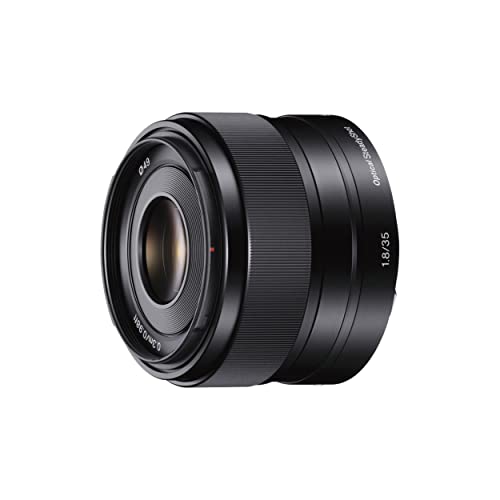
The Sony FE 50mm f/1.8 is the affordable gateway prime for Sony shooters — on an APS-C body like the a6400 it acts as a flattering ~75mm short telephoto, and on full-frame it's a classic 50. It brings the same f/1.8 brightness and background blur that make the nifty fifty a beloved first upgrade. The autofocus isn't Sony's fastest, but for the price the image quality is a clear step up from any kit zoom.
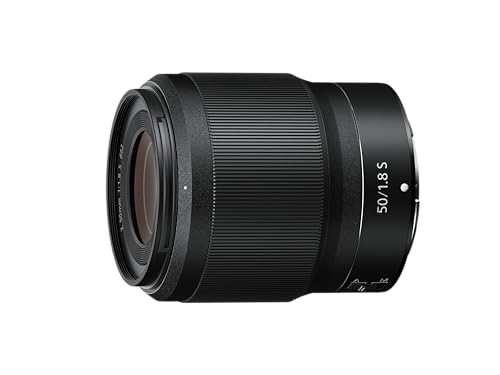
Best for Nikon ZPremium Pick

Focal length

50mm

Aperture

f/1.8

Mount

Nikon Z

Best for

Nikon Z sharpness

Pros

  • S-line optics — exceptionally sharp across the frame
  • Premium build and fast, quiet autofocus
  • Full-frame compatible across the Z system
  • Punches above its price class

Cons

  • Costs more than other nifty fifties
  • Larger than the budget 50s
Nikon's NIKKOR Z 50mm f/1.8 S isn't the cheapest nifty fifty, but it's arguably the best-performing of them: it's part of Nikon's premium S-line, with reference-grade sharpness, beautiful rendering, and fast, silent autofocus. For Nikon Z owners who want one prime that delivers stunning results and grows with them onto full-frame, it's worth the step up from a bargain 50 — the image quality is genuinely high-end.
Best All-Around (Walk-Around)Most Versatile

Focal length

30mm (≈45mm equiv.)

Aperture

f/1.4

Mount

Sony E / Fuji X / L / others

Best for

Everyday, street, travel

Pros

  • A natural ~45mm-equivalent 'see-as-you-see' field of view
  • Fast f/1.4 for low light and blur
  • Sharp, compact, and superb value
  • The do-everything single prime

Cons

  • Not as tight for portraits as a 56mm
  • APS-C only
The Sigma 30mm f/1.4 is the best single-prime walk-around lens for APS-C: its ~45mm-equivalent angle of view is close to how your eye sees, making it endlessly versatile for street, travel, food, and everyday photography. It's fast at f/1.4, genuinely sharp, and a fraction of the cost of premium glass. If you want one prime that does almost everything, this is the smartest pick.

Austin Art Insider

Free weekly guide to galleries, exhibitions & collecting in Austin.

Best for Close-Ups & Street

Focal length

35mm

Aperture

f/1.8

Feature

Macro + IS

Best for

Wide, indoors, detail

Pros

  • Wider 35mm view — great for street, interiors, vlogging
  • Close-focus macro for flowers, food, and detail
  • Built-in image stabilization for sharper handheld shots
  • Genuinely do-everything versatility

Cons

  • Pricier than a nifty fifty
  • f/1.8, not f/1.4
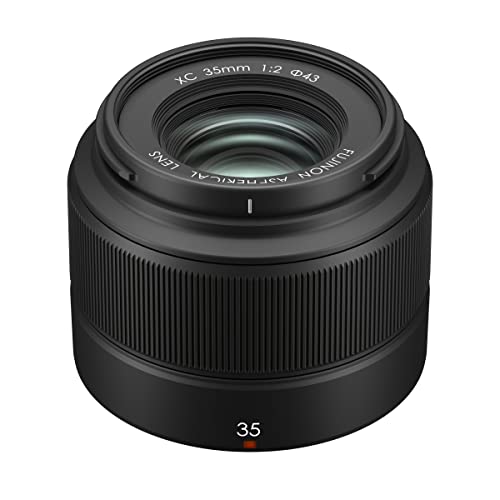
The Canon RF 35mm f/1.8 IS Macro is the Swiss-army prime: its wider 35mm view suits street, interiors, environmental portraits, and vlogging, while a half-macro close-focus mode handles flowers, food, and product detail. Add built-in stabilization for sharper handheld and low-light shots, and it's the one prime that covers the most situations. For Canon shooters who want versatility over the tightest portrait blur, it's the pick.

Head-to-Head

How the top picks compare

The two questions that decide which first prime is right for you.

50mm vs. 35mm (Canon RF)

Portrait blur vs. do-everything versatility.

RF 50mm f/1.8

Canon

Winner

RF 50mm f/1.8

Tighter, more background blur

$219.00
Check Price →
RF 35mm f/1.8 Macro

Canon

RF 35mm f/1.8 Macro

Wider, plus close-up macro + IS

$539.00
Check Price →

Our verdict

Winner: Canon RF 50mm f/1.8. The 50mm is the better — and far cheaper — first prime for most people: it gives more background blur, flatters portraits, and costs a third of the 35mm. The 35mm wins if you want one versatile lens for street, interiors, vlogging, and close-up macro, and you value its built-in stabilization. Start with the nifty fifty to learn what a prime does; add the 35mm later if you want a wider, do-everything companion. (On APS-C, the 50mm is a portrait lens and the 35mm is your standard view.)

Buy the Canon

Buy the 50mm for the cheapest, biggest jump in blur and portraits.

Buy the Canon

Buy the 35mm for a wider, stabilized do-everything prime with macro.

Sigma vs. Viltrox 56mm f/1.4

Premium third-party vs. budget bokeh bargain.

56mm f/1.4

Sigma

56mm f/1.4

Sharpest, best build & AF

$454.00
Check Price →
56mm f/1.4

Viltrox

Winner

56mm f/1.4

90% of the look for half the price

$239.00
Check Price →

Our verdict

Winner: Viltrox 56mm f/1.4. Both give you the flattering ~85mm-equivalent portrait look with creamy bokeh, and for a beginner the Viltrox is the smarter buy: it costs roughly half as much and delivers stunning, professional-looking portraits that most people couldn't tell apart in a print. The Sigma is sharper at the edges, better built, and has faster, more reliable autofocus — worth it if portraits are your main thing and you want a lens you'll never outgrow. For most first-time portrait shooters, start with the Viltrox; step up to the Sigma if you fall in love with the focal length.

Buy the Sigma

Buy the Sigma for the best sharpness, build, and autofocus.

Buy the Viltrox

Buy the Viltrox for 90% of the portrait look at half the price.

How we
chose

Every lens here is genuinely available on Amazon with verified live pricing and real product imagery, chosen for image quality, value, and how transformative it is as a first upgrade.

  • Buy for your mount — a lens must match your camera (Canon RF, Sony E, Nikon Z, Fujifilm X). We label every pick's mount; buying the wrong mount is the #1 beginner mistake.
  • Aperture is the point — a bright f/1.4–f/1.8 prime is what gives you background blur and low-light ability a kit zoom can't. That's the upgrade you're paying for.
  • Focal length sets the look — ~50mm-equivalent for a natural, flattering view; ~85mm-equivalent (a 56mm on APS-C) for portraits; ~35mm for wider street and indoor shots. We note the equivalent for crop sensors.
  • Third-party can beat first-party on value — Sigma and Viltrox make superb, affordable primes; we include them where they're the smart buy.

Austin Gallery may earn a commission from purchases made through links on this page, at no cost to you. It never changes our rankings.

Share this guide

Share

Common Questions

Frequently Asked Questions

The Full Guide

The Complete Beginner Prime Lens Buyer's Guide

Every lens we recommend — sorted by nifty fifty, portrait, budget, walk-around, and by camera mount. Find the right first prime for your camera.

Have art
to sell?

Austin Gallery specializes in selling inherited art, estate collections, and fine art with zero upfront fees. Get a free evaluation today.