Austin Gallery

Coffee

Best Espresso Machines (2026): From $150 to Café-Quality, Tested

We sell art, so we chose these the way we choose art — for craft, for material and form, for the object that lives on your counter and gets used every day. Espresso is a sensory craft and the machine is the instrument. From a $148 doorway to a $690 all-in-one, tested.

By Justin ParkUpdated June 7, 202614 min readHow we research

At Austin Gallery we sell art, and our edge is taste — the trained eye that knows why an object is good, not just whether it works. We chose these espresso machines the same way: for craft, for material and form, for the piece that lives on your counter and gets used every single day. Espresso is a sensory craft, and the machine is the instrument. The good news is that real espresso at home has never been more accessible — the range below runs from a $148 starter to a $690 all-in-one, and every one of them makes the genuine article.

These are the best espresso machines of 2026, tested for shot quality, build, milk steaming, and the daily ritual — from a do-everything machine with a built-in grinder to a modern classic you'll learn the craft on, to the cheapest honest doorway into espresso. One thing we'll repeat: the grind matters as much as the machine, so don't skip a good grinder. Every link goes to Amazon with our affiliate tag — we earn a small commission, at no cost to you, when you buy through us. Building the whole setup? See the full coffee guide and the most beautiful coffee gear — and if you want a quieter morning ritual, our sibling guide to matcha.

In a Hurry?

The 3 picks that cover most readers. Tap to read the full review or buy direct.

Best Overall

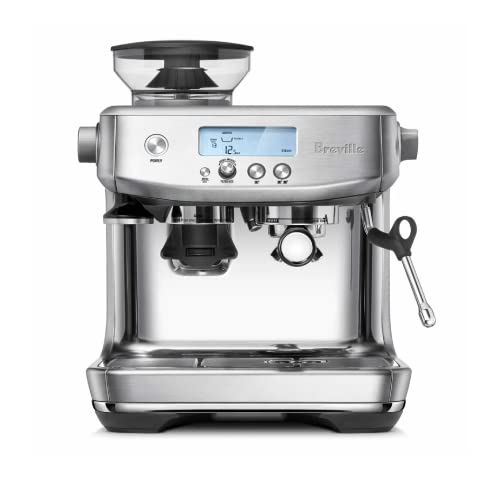
Breville Barista Express

$690

All-in-one with a built-in grinder — bean to shot on one footprint, the counter centerpiece.

Best Value

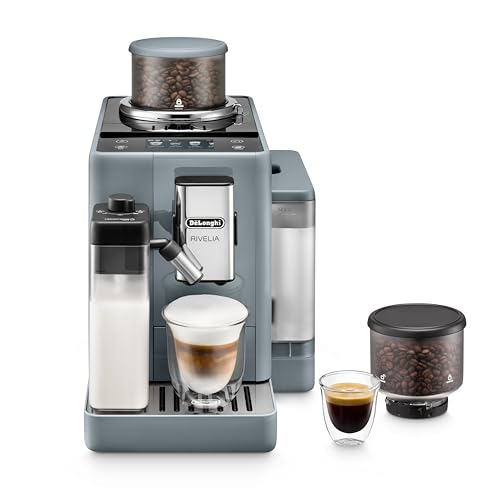
De'Longhi Classic Signature

$230

Real espresso and steamed milk for well under $300 — the smart mid-budget step up from pods.

Best Budget

De'Longhi Stilosa

$148

A genuine 15-bar pump and portafilter — the cheapest honest doorway into the craft.

Best OverallOur Pick

Type

Semi-automatic, built-in grinder

Portafilter

54mm stainless

Boiler

Single, ThermoCoil

Best

All-in-one home espresso

Pros

  • Built-in conical burr grinder
  • Bean-to-shot on one footprint
  • Brushed-steel, built to last
  • The proven default for most people

Cons

  • Built-in grinder beaten by a standalone
  • Single boiler = brew/steam wait
  • A real investment

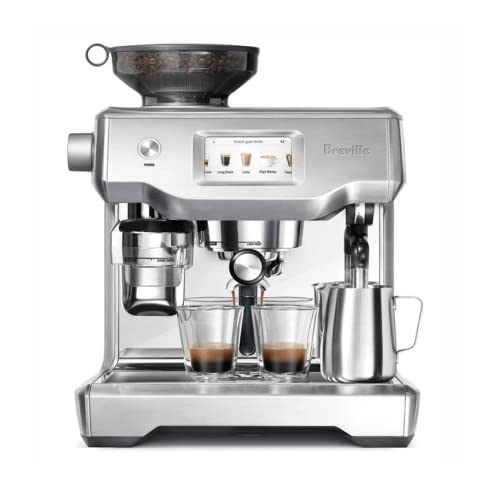
We choose machines the way we choose art — for the object that earns its place on the counter every day — and the Barista Express is the one that does the most while asking the least of you. It folds a conical burr grinder into the body of the machine, so a single brushed-steel piece takes you from whole bean to pulled shot: grind, dose into the 54mm portafilter, tamp, lock in, brew, then swing the steam wand over for milk. That completeness is why it has been a best-seller for a decade — it removes the biggest barrier to home espresso, which is buying and finding room for a separate grinder.

Why the grinder being built in matters: espresso lives or dies on the grind — too coarse and the shot runs fast and sour, too fine and it chokes bitter. The Barista Express lets you dial grind size in fine steps and grind fresh straight into the basket, which is most of what separates good home espresso from bad. It's the closest thing to a complete café in one object, and it looks the part: stainless, weighty, honest about what it is.

The trade-offs are the trade-offs of any all-in-one. The integrated grinder is genuinely good but not the equal of a dedicated standalone — the deepest enthusiasts eventually add a separate grinder, because the grinder matters as much as the machine. The single boiler means a brief wait when you switch from brewing to steaming. And it's an investment. But for one piece that delivers real espresso and proper microfoam every morning, this is our pick. Read the full coffee guide if you're building the whole setup, and see the most beautiful coffee gear for the pieces that earn their counter space on looks alone.

Our Pick

The do-everything counter centerpiece. The Barista Express builds a conical burr grinder right into the machine, so you go from whole bean to pulled shot on one footprint — grind, dose, tamp, brew, steam. For most people who want real espresso at home without buying a separate grinder, this is the one. The reason it has sold by the warehouse for a decade.

Buy this if you want the single object that does the whole job — bean hopper, integrated grinder, 54mm portafilter, and a steam wand — all in one brushed-steel piece that earns its place on the counter. It's the best all-in-one starting point for someone who wants café-quality espresso and milk drinks without assembling a multi-piece setup. The sensible default for the home barista.

What we don't like

The built-in grinder is good but not as good as a dedicated standalone grinder (serious enthusiasts eventually add one), the single-boiler design means a short wait between brewing and steaming, and it's a real investment. But as the one machine to buy, it's hard to beat.

Best for Small Kitchens & LattesAlso Great

Type

Semi-automatic, no grinder

Milk

Automatic texturing

Portafilter

54mm stainless

Best

Small kitchens & lattes

Pros

  • Tiny footprint, minimalist form
  • Automatic milk texturing
  • Fast 3-second heat-up
  • Real shots from a small body

Cons

  • No built-in grinder
  • Small water tank
  • Single boiler brew/steam wait

If the Barista Express is the full café in one object, the Bambino Plus is the considered, pared-down version — the machine for a small counter and a love of milk drinks. It's barely wider than its own portafilter, a genuinely minimalist piece of industrial design, and it heats up in about three seconds. Its signature feature is automatic milk texturing: set the temperature and froth level, drop the wand into the pitcher, and it builds the microfoam for you — café-grade milk with none of the technique a manual wand demands.

The honest catch is that it has no grinder, so it's one piece of a setup rather than the whole thing — you'll pair it with a dedicated grinder, and the grind matters as much as the machine for shot quality. The body's compactness also means a smaller water tank, and the single boiler asks for a brief pause between pulling a shot and steaming. But as a small, beautiful, latte-first machine that punches far above its footprint, the Bambino Plus is a delight — and one of the better-looking espresso objects you can put on a counter.

Also Great

The small-footprint machine with the killer milk trick. The Bambino Plus is barely wider than a portafilter, heats up in seconds, and — its best feature — texturizes milk automatically to a temperature and froth level you set. The pick for tight counters and anyone whose drink is mostly a latte. You bring your own grinder.

Buy this if counter space is precious or you mainly drink milk-based espresso. It's a beautifully compact object — almost minimalist — that pulls a proper shot, heats fast, and (the standout) auto-textures milk hands-free to your chosen temp and microfoam, so latte art-grade milk takes zero technique. Ideal for small kitchens, latte drinkers, and anyone who wants espresso without a sprawling setup.

What we don't like

There's no built-in grinder, so you'll need a separate one to feed it fresh grounds (budget for that), the small body means a small water tank, and the single boiler still wants a moment between brew and steam. But for compact, latte-first espresso, it's superb.

Best for Learning the CraftEnthusiast Pick

Type

Semi-automatic, commercial-style

Portafilter

58mm commercial

Body

Stainless steel, upgradeable

Best

Learning & tinkering

Pros

  • True 58mm commercial portafilter
  • All-metal, repairable, long-lived
  • Huge upgrade/mod ecosystem
  • Rewards developing technique

Cons

  • Real learning curve
  • No built-in grinder
  • Stock steam wand wants a mod

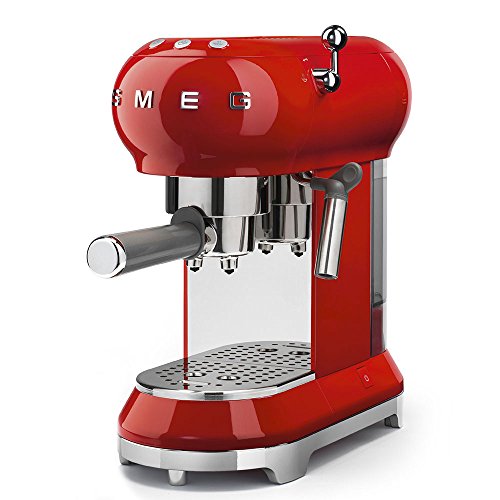
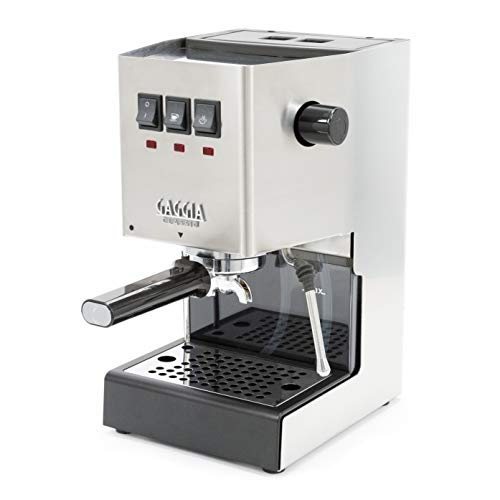
Some objects are designed to be lived with and learned from, and the Gaggia Classic is one of them — a genuine modern classic of espresso design that has barely needed to change in decades. The Evo Pro keeps the formula: a heavy steel body, a commercial-standard 58mm portafilter (the same size pros use), and a layout that exposes the craft instead of hiding it behind automation. It is the machine you buy when you want espresso to be a skill you develop, the way you develop an eye — pull a shot, taste it, adjust the grind, the dose, the tamp, and taste the difference.

Why enthusiasts revere it: the Classic is endlessly upgradeable. A bottomless portafilter to watch extraction, a PID kit for precise temperature, a better steam tip for finer milk — a deep community has spent years modding this exact chassis. It grows with your palate rather than capping it, which is why one machine can serve a beginner and an obsessive equally.

That depth is also the cost: it has a real learning curve, your earliest shots may run sour or bitter while you find the grind, and it has no grinder (a good one matters as much as the machine). The stock steam wand is fine but is the first thing many people upgrade. But if you want a beautiful, all-metal object you'll learn the craft on and keep for a decade — the espresso equivalent of a tool that becomes an extension of your hand — the Classic Evo Pro is the one. Pair it with a quality grinder and read the full coffee guide to round out the setup.

Enthusiast Pick

A modern classic of espresso design — metal, commercial-style, endlessly tinkerable. The Classic Evo Pro uses a standard 58mm commercial portafilter and a steel body, and it's famously upgradeable, which makes it the machine to grow with as your palate develops. The pick for the person who wants to learn the craft, not just press a button.

Buy this if you want to develop your eye for espresso the way you'd develop it for art — by doing, adjusting, and tasting the difference. The commercial-grade 58mm portafilter, all-metal build, and deep mod community (bottomless portafilters, PID kits, better steam tips) mean this is a platform, not just an appliance. For the hands-on enthusiast who finds the ritual half the pleasure, nothing here is more rewarding.

What we don't like

It has a learning curve — it rewards technique rather than hiding it, so your first shots may be rough — it has no grinder, and the stock steam wand benefits from an upgrade. But for a machine you actually learn on and keep for years, that's the point, not a flaw.

Best Mid-BudgetBest Value

Type

Semi-automatic, no grinder

Steam

Manual wand for milk

Price

Mid-budget

Best

Stepping up from pods

Pros

  • Real espresso under ~$230
  • Steam wand for lattes
  • Clean, unfussy design
  • Best value mid-budget pick

Cons

  • Good-not-premium components
  • No built-in grinder
  • Shot consistency trails pricier rivals

There's a sweet spot between pod machines and serious enthusiast gear, and the De'Longhi Classic Signature sits right in it — real espresso and steamed milk at a price that makes the ritual approachable. It gives you the genuine article: a portafilter you pack and pull, a steam wand for milk, and enough capability to make a satisfying shot and a decent latte at home. For the person stepping up from capsules and pods into real espresso for the first time, this is the natural, sensible landing spot.

You feel the price in the details — build quality and the steam wand are good rather than premium, and shot-to-shot consistency trails the Breville and Gaggia machines above it. It has no grinder, so you'll add one (the grind matters as much as the machine for what ends up in the cup). And a deep enthusiast will eventually want more. But as an honest, affordable doorway into the espresso craft — the machine that proves to you the ritual is worth it before you spend more — the Classic Signature is excellent value, and a clean object to have on the counter while you develop your palate.

Best Value

The sweet-spot machine — real espresso and steamed milk for well under three hundred dollars. De'Longhi's Classic Signature pulls proper shots and steams milk for lattes at a price that makes the whole ritual approachable. The smart pick if you want to step past pods and capsules into real espresso without a barista's budget.

Buy this if you want genuine espresso and milk drinks at home but aren't ready to commit five hundred-plus dollars. It's the mid-budget workhorse: a real portafilter, a steam wand, and enough quality to make a satisfying shot and a decent latte, in a clean, unfussy form. Ideal for the curious upgrader leaving pods behind, or anyone who wants the daily ritual without the premium outlay.

What we don't like

Build and components are good-not-premium (the steam wand and shot consistency trail the Breville and Gaggia), there's no grinder, and it won't satisfy a deep enthusiast forever. But for the money, it delivers the real espresso experience honestly.

Austin Art Insider

Free weekly guide to galleries, exhibitions & collecting in Austin.

Best BudgetBudget Pick

Type

Manual, 15-bar pump

Steam

Basic manual wand

Price

~$148 (budget)

Best

First espresso machine

Pros

  • Real espresso for ~$150
  • Genuine 15-bar pump + portafilter
  • Lowest-risk way to start
  • Wildly popular, proven

Cons

  • Plastic body, basic build
  • Rudimentary steam wand
  • No grinder, less temp stability

You don't need to spend a fortune to find out whether the espresso ritual is for you — the De'Longhi Stilosa is the cheapest honest doorway into the craft. For about a hundred and fifty dollars it gives you a real 15-bar pump and a real portafilter, which means you actually pull a shot and froth milk rather than pressing a pod button. It's how a lot of people discover they love the daily ritual of espresso, at roughly the price of a few months of café lattes, which is why it's one of the most popular starter machines anywhere.

It is, fittingly for the price, basic: a plastic body, a rudimentary steam wand that takes patience to master, no grinder, and less temperature stability than the machines above it. Don't expect it to satisfy a serious palate forever. But as a low-risk first machine — the one that teaches you the fundamentals and tells you whether you want to invest in real gear — the Stilosa is remarkable value, and the natural starting point before stepping up to our Barista Express pick. Pair even this with a basic grinder for fresh grounds; the grind is where good espresso begins.

Budget Pick

Real espresso for about a hundred and fifty dollars. The Stilosa is the cheapest sensible way into the craft — a genuine 15-bar pump, a real portafilter, and a steam wand — so you can learn whether the ritual is for you before spending more. The budget doorway, and a hugely popular one.

Buy this if you want to try real espresso at the lowest sensible price, or you want a simple no-frills machine for occasional shots. It uses a proper 15-bar pump and a real portafilter — not a pod — so you genuinely learn to pull a shot and froth milk, for about the cost of a few months of café lattes. The perfect low-risk first machine.

What we don't like

It's plastic-bodied and basic, the steam wand is rudimentary (frothing takes practice and patience), and it has no grinder and less temperature stability than pricier machines. But as the cheapest honest way to learn the craft, it overdelivers — and tens of thousands of buyers agree.

Head-to-Head

How the top picks compare

The two decisions that shape every home-espresso setup — how much machine, and the grinder question.

Built-In Grinder vs. Machine + Separate Grinder

One object that does it all, or a machine you pair with a dedicated grinder.

Breville Barista Express
Winner

All-in-One (Built-In Grinder)

Bean-to-shot on one footprint, no separate grinder

$690
Check Price →

Bambino Plus / Gaggia

Machine + Separate Grinder

Best shot quality, upgrade either piece independently

$498–$506 + grinder
Check Price →

Our verdict

Winner: Breville Barista Express All-in-One (Built-In Grinder). It depends on counter space and how far down the craft you want to go. The all-in-one (Barista Express) wins for most people: it puts a good grinder, the brew group, and a steam wand in one brushed-steel object, grinds fresh into the basket, and removes the single biggest barrier to home espresso — buying and housing a separate grinder. The machine-plus-grinder path wins for shot quality and flexibility: a dedicated standalone grinder out-grinds any built-in, and you can upgrade the machine or the grinder independently as your palate develops — but it costs more in total, takes two footprints, and is more to set up. Choose the all-in-one if you want one complete object and the simplest path to great espresso; choose machine-plus-grinder if you're chasing the best possible shot and like building a setup piece by piece. Either way, the grind matters as much as the machine — never skimp on it.
Buy the Breville Barista Express

you want one complete object and the simplest path.

Buy the Bambino Plus / Gaggia

you want the best shot and like building a setup.

Ease vs. Craft

Auto-texturing convenience, or a platform you learn and tinker on.

Breville Bambino Plus

Ease (Auto Milk)

Automatic milk texturing, fast, compact, foolproof

$498
Check Price →

Gaggia Classic Evo Pro

Winner

Craft (Tinkerable)

58mm commercial portafilter, all-metal, endlessly upgradeable

$506
Check Price →

Our verdict

Winner: Gaggia Classic Evo Pro Craft (Tinkerable). These two cost nearly the same and represent opposite philosophies — like choosing between a polished print and a piece you can keep working on. The Bambino Plus wins for ease and small spaces: it auto-textures milk to your set temperature and froth with zero technique, heats in seconds, and is a beautifully compact, minimalist object — ideal if you mostly drink lattes and want it foolproof. The Gaggia Classic Evo Pro wins for craft: a true 58mm commercial portafilter, an all-metal repairable body, and a deep modding community (bottomless portafilters, PID kits, better steam tips) make it a platform you learn on and grow with for years — at the cost of a real learning curve and a steam wand that rewards practice. Choose the Bambino if you want effortless, compact, latte-first espresso; choose the Gaggia if developing your technique and palate is half the pleasure. Both are excellent objects; they're just for different people.

Buy the Breville Bambino Plus

you want effortless, compact, latte-first espresso.

Buy the Gaggia Classic Evo Pro

you want to learn the craft and tinker for years.

How we
chose

We judged espresso machines the way we judge an object for the gallery — on craft, on the material in the hand, and on whether it earns its place day after day:

  • Shot quality. The whole point — temperature stability, pump pressure, and a portafilter that lets you pull a balanced, properly extracted shot.
  • Build & material. Steel over plastic, weight, repairability, and the longevity of an object you'll live with for years.
  • Milk & versatility. Steam wand quality and how easily it makes a proper latte — auto-texturing for ease, manual wands for control.
  • The grinder question. Built-in (all-in-one convenience) vs. none (pair with a dedicated grinder) — and we say plainly when you'll need to add one.
  • Ritual & value. Whether using it is a pleasure, and what you get for the money — from a $148 doorway to a $690 centerpiece.

Share this guide

Share

Common Questions

Frequently Asked Questions

Have art
to sell?

Austin Gallery specializes in selling inherited art, estate collections, and fine art with zero upfront fees. Get a free evaluation today.