Austin Gallery
Art SuppliesJune 27, 2026Updated June 27, 202611 min read

Archival Art Storage Supplies (2026): Store Art So It Lasts Decades

Art has four quiet enemies — acid, light, humidity, and the oils on your fingertips. Here are the inexpensive, museum-grade supplies that keep all four away from your work.

By Justin Park · How we research

Art has four quiet enemies: acid, light, humidity, and the oils on your own fingertips. None of them announce themselves — you don't notice the yellowing, the brown foxing spots, the etched fingerprint, or the faded corner until the damage is already done and impossible to reverse. Archival storage is simply how you keep those four enemies away from your work so it survives for decades instead of degrading in a drawer.

The good news: doing it right is cheap. Almost everything here is under $25, and these are consumables you'll restock as your body of work grows. Start with the museum box that keeps art flat and dark, layer in acid-free tissue and sleeves so pieces never touch, add gloves so your hands don't etch them, drop in humidity packs to fight moisture, use archival hinging instead of staining tape, and keep a portfolio for oversized work. Want to keep displayed art safe too? See how to protect art from fading and our DIY framing kit. Every link goes to Amazon with our affiliate tag; we earn a small commission at no cost to you.

In a Hurry?

The 3 picks that cover most readers. Tap to read the full review or buy direct.

Top Pick · The Storage Box

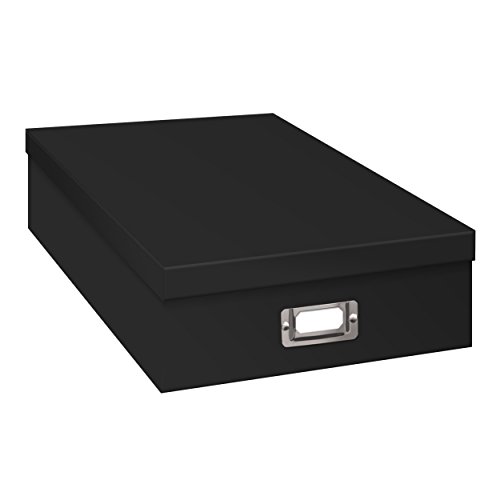
Acid-Free Museum Box

Acid-Free Museum Box

$24.98

Keeps a whole stack of art flat, dark, and acid-free.

Best Budget · Under $10

Cotton Handling Gloves

Cotton Handling Gloves

$9.99

Stops the fingerprints that etch permanently into art.

Don't Skip · Humidity

Indicating Silica Gel

Indicating Silica Gel

$9.95

Fights the foxing and mold humidity causes — invisibly.

The best for storing prints & flat artTop Pick

Role

Primary storage

Material

Acid-free, lignin-free

Design

Drop-front museum box

Protects

Prints, photos, flat originals

Why

Stops acid yellowing + dust

Pros

  • Museum-grade acid-free board
  • Keeps art flat + dark
  • Drop-front for safe access
  • Cheap protection for a whole stack

Cons

  • Fixed sizes — measure first

This is where your art should actually live when it's not on a wall. An acid-free, lignin-free museum box keeps prints, photos, and flat originals flat, dark, and protected from dust and pollutants — the single most important upgrade for anyone with a growing body of work stacking up in drawers and tubes.

Why "acid-free" is non-negotiable: ordinary cardboard and paper release acids that yellow and embrittle art over years. A museum box is buffered to stay neutral, and the drop-front design lets you remove art without dragging it across an edge.

One box protects a whole stack of work for the price of a single coffee run a month.

What we don't like

Sized to standard dimensions, so measure your largest flat work first; oversized pieces need a portfolio or larger box.

Best for interleaving stored art

Role

Interleave stored art

Material

Acid-free, unbuffered

Count

200 sheets

Protects

Surfaces from transfer + scuffs

Best

Mixed media + photos

Pros

  • Stops surface transfer + sticking
  • Archive-standard interleaving
  • 200 sheets — lasts
  • Unbuffered, safe for photos

Cons

  • Delicate — handle gently

When you stack art, you have to keep the pieces from touching — that's what archival tissue does. A sheet of acid-free, unbuffered tissue between each print stops ink, pastel, and charcoal from transferring or sticking, and protects delicate surfaces from scuffing as you sort through a stack.

It's the same interleaving museums and archives use, and at 200 sheets it lasts a long time. Unbuffered is the right choice for mixed media and photographs, which can be sensitive to alkaline buffering.

What we don't like

Tissue is delicate by design — handle gently, and it's not a substitute for individual sleeving of your most valuable pieces.

Best individual protection

Role

Individual sleeving

Material

Acid-free, crystal-clear

Guards

Fingerprints, dust, moisture

Best

Sellable + valued pieces

Pairs

With tissue for bulk

Pros

  • See + show without touching
  • Acid-free, archival-safe
  • Cheap per unit
  • Perfect for selling prints

Cons

  • Match the size to your print

For pieces you handle, sell, or value most, an individual sleeve is the right level of protection. A crystal-clear acid-free sleeve lets you see and show the work while shielding it from fingerprints, dust, and moisture — and it means you can flip through a portfolio without ever touching the art itself.

Sleeve your sellable prints and your best pieces; use tissue interleaving for bulk storage. The two together are the archival one-two punch.

What we don't like

Sized at 8.5×11" here — buy the size that matches your prints, and these are for protection, not long-term pressure-mounting.

Best for handling art (under $10)Best Budget

Role

Clean handling

Material

White cotton

Count

36 (18 pairs)

Prevents

Oil + fingerprint etching

Used by

Conservators + archivists

Pros

  • Stops oils + fingerprints
  • Archivist standard
  • 36 pieces — always a clean pair
  • Under $10

Cons

  • Slightly less grip than bare hands

Your fingertips are a hidden enemy of art. Skin leaves behind oils and acids that, over time, etch fingerprints permanently into prints, photos, and metal leaf. White cotton gloves are the simplest fix — the same thing conservators and archivists wear to handle anything valuable.

Keep a pair where you store and pack art, and put them on before touching a bare print, an original, or anything you're about to ship. At under $10 for 36, there's no reason not to.

What we don't like

Cotton reduces grip slightly, so handle large pieces with extra care; nitrile is preferred for very smooth photo surfaces.

Best for humidity control

Role

Humidity control

Type

Color-indicating, reusable

Count

50 packs

Prevents

Foxing, mold, cockling

Best

Boxes, portfolios, humid spaces

Pros

  • Absorbs damaging moisture
  • Color-changes when saturated
  • Reusable (bake dry)
  • Pennies of protection

Cons

  • Need periodic recharging
  • Spot, not whole-room, control

Humidity is what causes the brown spots (foxing), mold, and cockling that ruin stored art — and it's invisible until the damage is done. Tucking color-indicating silica gel packs into your storage box or portfolio absorbs excess moisture, and the packs change color when saturated so you know exactly when to recharge them (just bake them dry and reuse).

Especially important in humid climates, basements, and closets — a few cents of desiccant prevents damage that's impossible to reverse.

What we don't like

They need recharging when saturated (a quick bake in the oven), and they manage humidity rather than control a whole room.

Austin Art Insider

Free weekly guide to galleries, exhibitions & collecting in Austin.

Best archival hinging

Role

Archival mounting

Material

Acid-free linen

Bond

Gentle + reversible

Avoids

Yellowing + staining

Best

Mats + portfolios

Pros

  • Archival, reversible bond
  • Won't yellow or stain art
  • Holds work securely
  • Affordable

Cons

  • Takes practice
  • Paste hinges preferred for top originals

How you attach art to a mat or backing matters as much as the materials around it. Acid-free linen hinging tape holds a print to its mount with a gentle, reversible, archival bond — unlike regular tape, which yellows, bleeds, and leaves a permanent stain right where it touches the art.

Use it to hinge work into mats and portfolios so pieces stay put without sliding, while keeping the attachment safe and removable for the long term.

What we don't like

Hinging well takes a little practice, and it's strong linen tape — for the most valuable originals, conservators use wheat-starch paste hinges.

Best for storing & transporting flat work

Role

Store + transport flat work

Size

18×24"

Protects

Bends, dust, weather

Bonus

Handle for carrying

Best

Oversized + on-the-go

Pros

  • Keeps large work flat
  • Portable with a handle
  • Great for shows + deliveries
  • Affordable

Cons

  • Sleeve art inside for true archival storage

For larger flat work — and for carrying art to a show, a client, or a frame shop — a portfolio case is the safe way to store and move it. It keeps big prints, drawings, and watercolors flat and protected from bends, dust, and weather, with a handle for transport that a storage box can't offer.

Line it with archival tissue or sleeve the pieces inside, and it doubles as both flat storage for oversized work and a professional way to present a body of work in person.

What we don't like

The case itself isn't fully archival, so sleeve or interleave the art inside it for true long-term storage.

How we
chose

We chose these by the specific enemy each one defends against — because archival storage is really just defense against four things:

  • Acid first. Ordinary cardboard and tape quietly destroy art, so acid-free everything — box, tissue, sleeves, tape — is the baseline, and the museum box leads as the place art actually lives.
  • Don't let pieces touch. Interleaving tissue and individual sleeves stop transfer, sticking, and scuffing when work is stacked or flipped through.
  • Hands and humidity count. Cotton gloves and indicating silica gel guard against the two invisible enemies — skin oils and moisture — that most people never think about until there's damage.
  • Attach and carry safely. Archival hinging tape mounts without staining, and a portfolio stores and transports oversized work that won't fit a box.
  • Cheap and restockable. Nearly everything is under $25, because good preservation should be accessible — and these are consumables you'll buy again as your work grows.

Share this guide

Share

Common Questions

Frequently Asked Questions

Have art
to sell?

Austin Gallery specializes in selling inherited art, estate collections, and fine art with zero upfront fees. Get a free evaluation today.