Selling Art · Sculpture
How to Sell a Sculpture
Inherited a bronze, downsizing the garden, or finally moving that big piece? How to find out what a sculpture is really worth, avoid the lowball buyers, and sell it for a fair price.
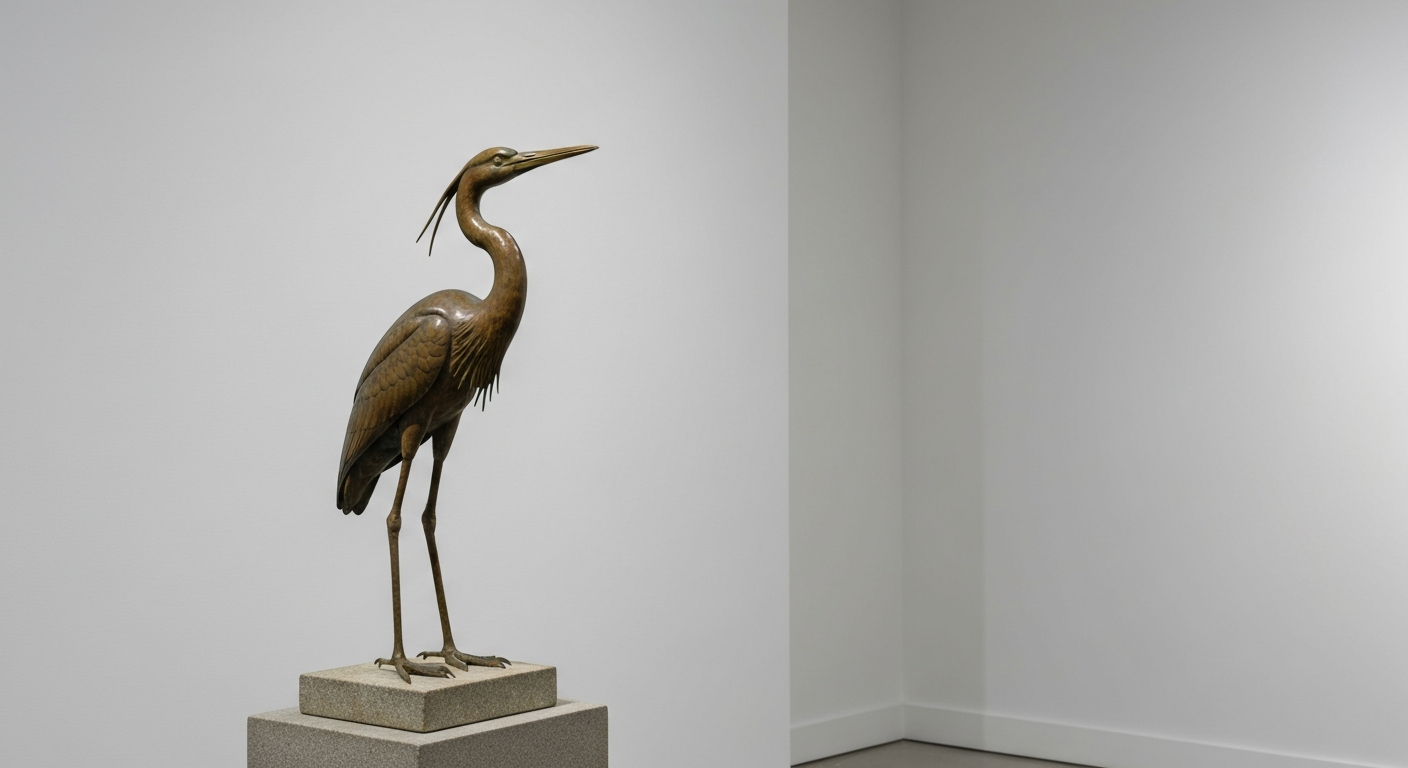
Sculpture is the piece people call us about when they are ready. A bronze figure a parent collected for thirty years. A large abstract that came with the house. A garden statue that has quietly become the most valuable thing in the yard. Unlike a painting, a sculpture is heavy, physical, and often hard to place, so the instinct is to move it fast and take the first offer. That instinct is exactly how good sculpture gets sold for a fraction of its worth. The better news: a quality sculpture, sold the right way, tends to find a serious buyer who pays a serious price. Here is how that actually happens, from figuring out what you have to getting paid.
At a Glance
- What drives value
- Artist, authenticity, material, size, condition
- Worst move
- Selling real bronze to a scrap or cash-for-metal buyer
- Best route for quality
- Consignment with a gallery
- Typical timeline
- Weeks to a few months for the right buyer
- Start here
- A free, no-obligation valuation
First, figure out what you actually have
Before value comes identity, and most sellers guess wrong because they never really looked. Turn the piece over and hunt for three things. The artist's signature (usually on the base, the back, or a foot). A foundry mark or stamp, a small name or seal from the foundry that cast it, which is a strong sign of a genuine cast bronze. And an edition number like 7/25, meaning the seventh piece in a limited edition of twenty-five.
Then be honest about the material. Solid cast bronze is heavy for its size, non-magnetic, and carries a warm brown-to-green patina. "Cold-cast" or "bonded" bronze is resin mixed with bronze powder and is worth far less. Spelter, resin, and plaster are common in decorative reproductions. A refrigerator magnet is a useful first test: real bronze will not attract it, while many cheap reproductions will. Photograph every marking, the signature, the base, and the whole piece with a tape measure in the frame for scale. If you can name the artist and confirm it is an original cast, you are most of the way to a real number. If you cannot, that is exactly what a valuation is for, and we do it free.
A curator's tip
Do not clean or polish a bronze before selling it. That green-brown patina is not dirt, it is part of the value, and an amateur 'restore' can wipe out a real chunk of the price. Photograph it exactly as it sits.
What actually drives a sculpture's value
Five factors, roughly in order of weight.
1. The artist. A known, collected sculptor is the single biggest factor. An unsigned decorative piece and a signed edition by a listed artist can differ by ten times or a hundred times, for objects that look similar on a shelf.
2. Authenticity and edition. An original, artist-authorized cast, low in its edition, beats a later reproduction every time. Where a piece falls in the edition matters.
3. Material and craft. Solid foundry-cast bronze holds value. Resin, spelter, and bonded reproductions do not, no matter how convincing they look.
4. Size and subject. Larger works and desirable subjects (figures, wildlife, recognizable forms) generally command more, though size also raises the cost and effort to move the piece.
5. Condition and provenance. Original patina, no major damage or clumsy repairs, and a paper trail (receipts, gallery labels, a certificate of authenticity) all push the number up.
A signed, foundry-cast bronze and a resin reproduction can look identical on a shelf and differ a hundredfold in price.
The lowball trap: who not to sell to
The fastest way to lose money on a sculpture is to sell it to someone who values the metal, not the art. "We buy bronze" ads, scrap yards, and cash pickers will happily hand you a few hundred dollars for a piece a collector would pay thousands for, because they are paying melt weight, not artistic value. The same goes for the estate-sale buyer who offers a flat cash number to "take it off your hands" on the spot.
A real, signed bronze is almost always worth dramatically more as a work of art than as raw material. And here is the tell: if someone is in a hurry to pay you cash and haul it away today, that usually means they know something about the value that you do not. Slow down and get one honest opinion before anything leaves the property.
The math is not close
One free valuation costs you nothing and an afternoon. Selling to the first cash buyer can cost you thousands. Always get the number before you get the offer.
Your real options for selling, honestly compared
There are four sensible ways to sell a sculpture, and the right one depends on the piece and your timeline.
Consignment with a gallery. The gallery prices it, markets it to collectors, and takes a commission only when it sells. Best for quality, mid-to-high value pieces where reaching the right buyer matters more than speed. You keep the majority of a strong sale price, with no upfront cost. For most people sitting on one good sculpture, this is the best balance of price and effort.
Auction house. Good for well-known artists with an established auction record. But you pay seller's fees, results can be unpredictable, and a weak result is public and permanent.
Outright sale to a dealer. Fast and certain, but you take a wholesale number, since the dealer needs to resell at a profit.
Online marketplaces. Fine for lower-value decorative pieces, if you are willing to handle photography, heavy freight shipping, buyer questions, and the very real risk of scams on higher-value listings.
If you want the honest recommendation for a quality piece: consign it with a gallery that actually knows the work. Here is how our consignment works, including nationwide pickup and shipping.
How a proper valuation works
A real valuation is not a guess off a single photo. It weighs the artist and their market (recent comparable sales, not hopeful asking prices), the specific edition and cast, the material, the size, the condition, and the provenance.
One distinction saves people from disappointment: for selling, you want fair market value, what a willing buyer will actually pay, not the replacement or insurance value, which is usually higher and is not what lands in your pocket. You do not need a formal written appraisal just to sell. A knowledgeable gallery valuation is enough to price it correctly and list it. We offer that as a free, no-obligation appraisal, so you can find out what your piece is worth before you decide anything.
The part nobody warns you about: moving it
A sculpture is not a canvas you slide into the back seat. Weight, balance, and fragility make logistics the hidden hard part, especially for large or outdoor work. Bronzes are dense, so a modest-looking figure can weigh far more than it appears. Outdoor sculpture may be bolted down or set in concrete. And any careless move risks a chip, a bent element, or a dropped, ruined piece.
A good consignment gallery handles all of this: assessing the safest way to move it, arranging proper crating and padded transport, and insuring the piece both in transit and while it is in their care. If you sell privately, budget for professional art movers or freight for anything valuable or heavy, never a friend with a pickup truck. This logistics burden is a big reason sellers cave to bad local offers, and a big reason letting a gallery manage it tends to pay for itself.
Before anyone touches it
For outdoor and garden sculpture, photograph how the piece is mounted or anchored first. How it is installed changes how it has to be moved, and that is the first thing any mover or gallery will ask.
Timeline and patience: what to actually expect
Here is the honest part. A sculpture can sell in a couple of weeks or take a few months, and the difference is usually the buyer, not the piece. Sculpture buyers are a smaller, more deliberate pool than painting buyers, because they are placing a physical object into a specific space, and the right collector for your work may simply not be looking this week.
Priced fairly and marketed to the right audience, quality sculpture sells. It just rewards a little patience over a fire-sale timeline. If you need cash immediately, an outright dealer sale is faster but costs you real money. If you can give the piece a season to find its buyer, you will almost always net more. Knowing your own timeline and patience up front is the single most useful thing you can tell whoever helps you sell.
How consigning a sculpture actually works
If you decide to consign, the process is simple and low-risk. You send photos and the basics (artist if known, any marks, dimensions, condition). The gallery gives you an honest read on value and a suggested price, agrees terms in writing (commission, length of the agreement, who handles the move and insurance), and takes possession. From there the piece is insured, marketed to collectors, and displayed, and you get paid your share once it sells and the payment clears.
There is no upfront cost, and if it does not sell within the term, you get it back. For a piece you cannot easily value or move yourself, that is usually the least stressful path to a fair price. We do exactly this at Austin Gallery, for sellers here in town and for pieces shipped in from anywhere in the country. Send a few photos for a free quote and we will tell you honestly what you have and what it is worth.
How to start, in five steps
- 1
Photograph everything
The whole piece, the signature, any foundry mark or edition number, and one shot with a tape measure for scale.
- 2
Note the details
Artist if known, material, height and weight if you can manage it, condition, and anything you know about where it came from.
- 3
Get a free valuation
Before you talk to any buyer, find out what it is actually worth.
- 4
Choose your route
Consignment for value, a dealer for speed, an auction house for big names with a sales record.
- 5
Let a pro handle the move
For anything heavy or valuable, use professional art movers or a gallery that arranges it.
The short version
Do
- ✓Identify the artist, foundry mark, and edition before you sell
- ✓Photograph the original patina and every marking
- ✓Get an independent valuation first
- ✓Use professional movers for heavy or valuable pieces
- ✓Match your sale route to your real timeline
Don't
- ✕Sell a real bronze to a scrap or cash-for-metal buyer
- ✕Polish or 'restore' the patina before selling
- ✕Take the first on-the-spot cash offer out of convenience
- ✕Move a large or anchored piece yourself
- ✕Confuse insurance value with what a buyer will actually pay
Questions, answered
How do I know if my sculpture is real bronze or a reproduction?
How much is a bronze sculpture worth?
Where is the best place to sell a sculpture?
Should I sell my bronze sculpture to a scrap or 'we buy bronze' buyer?
How do I sell a large outdoor or garden sculpture?
How do I find out who made my sculpture?
How long does it take to sell a sculpture?
Can I sell an inherited sculpture without knowing anything about it?
Sell With Austin Gallery
Sell Your Sculpture
Send us a few photos of your piece and we'll tell you honestly what it's worth and the best way to sell it. Free, no obligation, no upfront cost, and we handle the moving and insurance.
Get a Free Quote →Free appraisal · Zero upfront fees · Fully insured · Nationwide from Austin, Texas
Keep Reading
Consignment
Consign Your Art
Zero upfront fees, fully insured, sales to collectors nationwide. Send photos for a free quote.
Appraisal
Free Art Appraisal
Find out what your piece is actually worth, with no obligation.
Selling Art
Selling Inherited Art
Inherited a piece or a whole collection and not sure where to start? A full walkthrough.