Aesthetics · The Complete Field Guide
Dark Academia: The Scholar's Aesthetic
Candlelit libraries, classical busts, and the romance of learning — the complete guide to the look, room by room, and the objects (and books) that build it.
Picture a room: floor-to-ceiling books in worn cloth bindings, a single lamp throwing amber light across an oak desk, a plaster bust watching from a shelf, rain on a leaded window, the smell of old paper and candle smoke. This is dark academia — the aesthetic of the candlelit library and the romance of learning, and one of the most beloved looks on the internet.
It began in fiction and bloomed on Tumblr, Pinterest, and TikTok, but its roots are old: Oxbridge quadrangles, Gothic architecture, classical antiquity, the moody scholarship of Donna Tartt's The Secret History. This is the complete guide — what it is, the elements that define it, how to build it room by room on any budget, the books and films at its heart, and the objects that make it real.
At a Glance
- Origin
- Classical antiquity, Gothic & Oxbridge academia; popularized online via The Secret History and Tumblr/TikTok.
- Mood
- Scholarly, nostalgic, a little melancholy — the romance of learning by candlelight.
- Palette
- Deep brown, forest green, oxblood, charcoal — warm brass & gold accents.
- Key pieces
- Books, classical busts, framed prints, a green-glass banker's lamp, leather & brass.
- Best rooms
- Home office / study first, then bedroom and reading nooks.
- Budget
- $200–$400 transforms a room; most individual pieces are under $50.
- The one rule
- Light it low and warm. One amber light source matters more than any object.
The Palette
The Five Elements of Dark Academia
- 01
Books, everywhere
Cloth- and leather-bound volumes, stacked and shelved, a little crowded. The library is the whole idea — thrift them by the armful.
- 02
Classical art
Plaster busts and framed antique prints — botanicals, anatomy, maps, old masters. Reference over decoration.
- 03
Warm, low light
A green-glass banker's lamp or candles, never bright overhead light. Pools of amber against shadow.
- 04
Leather & brass
Tactile, aged materials — leather journals, brass bookends, patinated curios that look inherited.
- 05
A moody palette
Forest green, oxblood, brown, charcoal, lit warm. Everything slightly darkened and a little timeworn.
An aesthetic of the mind
Dark academia isn't really about furniture — it's about a feeling: the seductive, slightly melancholy romance of knowledge for its own sake. It idealizes the life of the scholar — reading by candlelight, writing longhand, surrounded by art and antiquity — and dresses that ideal in a palette of deep browns, forest greens, oxblood, and brass, lit low and warm.
Its touchstones are literary and classical: ancient Greek and Roman art, Gothic cathedrals, ivy-covered universities, the tweed-and-leather wardrobe of an old professor. That heritage is what separates dark academia from generic "moody" decor — it's specific, referential, and intellectual. You're not just darkening a room; you're staging a love letter to learning. Get the references right and even an inexpensive room feels considered; get them wrong and the most expensive furniture still reads as a hotel lobby.
Curator's Tip
Before you buy anything, gather 15–20 reference images into one board and find the three things they share — almost always it's the warm low light, the density of books, and the muted green-and-brown palette. Chase those three first; they do 80% of the work.
It idealizes the life of the scholar — and dresses that ideal in brass, leather, and lamplight.
Walls of knowledge
Dark academia begins on the walls and shelves — with art that looks studied rather than decorative. Classical sculpture is the shorthand: a plaster bust of a Greek goddess or Michelangelo's David turns any shelf scholarly in a single object, which is why busts are the aesthetic's most recognizable prop. Pair them with framed prints that feel pulled from an old natural-history folio — botanicals, anatomical plates, antique maps, old-master sketches — hung close and a little crowded, gallery-of-curiosities style.
The trick is reference over polish. A grid of vintage botanical prints reads as a naturalist's collection; a bust among stacked books reads as a scholar's shelf. Both say the same thing: someone who lives here studies things. Lean your frames on a picture rail or shelf rather than hanging them in a rigid row — the slightly informal, layered arrangement looks accumulated, which is exactly the impression you want.
Curator's Tip
Hang prints in a tight grid with small, even gaps — 2 to 3 inches — so the wall reads as one considered collection rather than scattered frames. Mismatched frames in similar dark tones look more collected-over-time than a matching set.
The scholar's desk
If the look has a heart, it's the desk — and the light on it. Dark academia is lit low and warm: the green-glass banker's lamp is practically its mascot, pooling amber light over a working surface while the rest of the room falls into shadow. That single, warm, directional light source is the most important move in the whole aesthetic; overhead lighting kills it instantly. If you change one thing, change the light.
On the desk go the instruments of the scholar's life: a leather journal soft with use, a fountain pen (dark academia is written, not typed), heavy brass bookends holding a row of cloth-bound classics, perhaps a magnifying glass or a small brass clock. Each object should look used and a little aged — the patina is the point. Keep it composed but not staged: a half-open book, a pen left across a page, the sense that someone was just working here.
Curator's Tip — Lighting
Put your warm lamp on a smart plug or a low-wattage amber bulb (2700K or lower). The goal is candle-warm, not office-white — if your light reads blue or bright, the whole aesthetic collapses no matter how good the objects are.
The canon: what to read, watch & hear
Dark academia is the rare aesthetic that comes with a syllabus — and leaning into the books, films, and music is what turns a styled room into a lived one. The look grew out of stories about obsessive students and the dark side of devotion to knowledge, so the canon is half the fun. Stock the shelves with what the aesthetic actually reads.
Read. The cornerstone is Donna Tartt's The Secret History — the novel that arguably launched the whole aesthetic. From there: If We Were Villains (M.L. Rio), Brideshead Revisited (Waugh), A Separate Peace (Knowles), The Picture of Dorian Gray (Wilde), Frankenstein (Shelley), and the gothic classics — the Brontës' Jane Eyre and Wuthering Heights, plus Austen and Dostoevsky for the shelf. Clothbound classics editions look as good displayed as they read.
Watch. Dead Poets Society is the patron film; add Kill Your Darlings, The History Boys, Mona Lisa Smile, Maurice, Atonement, and — for the modern, sharper-edged take — Saltburn. The Harry Potter films supply the candlelit-castle mood for many.
Hear. Low, contemplative, a little melancholy: Chopin's nocturnes, Debussy, Erik Satie's Gymnopédies, choral and requiem pieces, and the endless "dark academia" study playlists of rain, strings, and crackling fireplaces. Music is half the atmosphere — put it on while you arrange the room.
Curator's Tip
You don't need to read all of it to live in it — but shelve the ones you love spine-out at eye level and the rest will follow. A clothbound classics boxed set is the fastest way to make a shelf look like a real, curated library rather than a thrift-store haul.
Dark academia, room by room
The aesthetic adapts to any room — you just shift which elements lead.
The office / study is where most people start, and where it's easiest: it's all about the desk, the lamp, the books, and the wall behind them. This is the highest-impact room for the least money — a lamp, a bust, a shelf of books, and a print grid transform it.
The bedroom leans into texture and palette over props: deep-green or oxblood bedding, a velvet throw, warm bedside lamps, a stack of books on the nightstand, a single framed print or small bust. Keep the lighting to lamps and candles — never an overhead fixture — and the room turns instantly atmospheric.
The living room / reading nook is about the anchor pieces: a leather or deep-green armchair, a faded vintage rug to ground the palette, a floor lamp or grouped candles, and a shelf or stack of books within reach. A throw, a tray with a candle and a book, and you've made a corner that begs to be read in.
Curator's Tip
Renting? You can do all of this without touching the walls: lean framed art on shelves and mantels, use a rug to set the palette, swap bulbs for warm ones, and add lamps instead of changing fixtures. Dark academia is built from objects and light, not renovation.
Atmosphere & the finishing curios
The last layer is the small stuff — the curios that imply a whole life of study, travel, and collecting. A sepia desk globe, a brass magnifying glass, an antique-style clock, a candlestick with a real taper, a pressed-botanical frame, an old leather satchel by the door. None of these is expensive; together they do something no single statement piece can — they make the room feel inhabited by a particular kind of person.
The discipline is restraint. The goal isn't to fill every surface but to seed a few objects that reward a second look. Three considered curios on a shelf read as taste; thirty read as a prop closet. Choose things that look like they were found, inherited, or brought back from somewhere — and leave space around them for the eye to rest.
Curator's Tip
Real candlelight is the cheat code. A grouped set of brass taper holders with lit candles instantly supplies the flicker, warmth, and shadow the whole aesthetic is chasing — for under $30, it outperforms almost any single decor purchase.
Choose objects that look inherited, not bought — and let lamplight and shadow do the rest.
Build It: Where to Start (on Any Budget)
You don't need to redo a room. Add these in order — each step does more than the last, and most pieces are under $50.
- 1
Fix the light first
Swap bright overhead light for one warm, low source — a green-glass banker's lamp or grouped candles, with a 2700K-or-lower bulb. This single change does the most work of anything on the list.
- 2
Bring in books
Thrift cloth- and leather-look hardcovers by the armful (pennies secondhand) and shelve them densely; spine-out, a few stacked flat. Volume matters more than titles, but a clothbound classics set anchors the shelf.
- 3
Add one classical bust
An inexpensive resin Venus, Apollo, or David instantly signals the aesthetic. One good bust on a shelf of books is the fastest visual win in the whole look.
- 4
Hang a grid of prints
Vintage botanicals, anatomy, or maps, framed and hung close together — a gallery-of-curiosities wall reads as a scholar's collection, not decoration.
- 5
Ground it and layer texture
A faded forest-green or oxblood rug underfoot, a velvet cushion, a leather journal and fountain pen, brass bookends, an antique-style globe — objects that imply a life of study and travel.
- 6
Edit and darken
Pull anything bright, plastic, or glossy. Keep surfaces intentional, not cluttered, and let shadow and warm light tie the room together.
Getting It Right
Do
- ✓Use one warm, low light source — lamp or candles, 2700K or lower.
- ✓Crowd books and prints a little; density reads as scholarly.
- ✓Choose aged, tactile materials: leather, brass, velvet, wood.
- ✓Stick to the dark, warm, muted palette throughout the room.
- ✓Add curios that look inherited, not bought.
- ✓Start with the room you actually use — usually the office.
Don't
- ✕Light it with bright, cool overhead lighting — it kills the mood instantly.
- ✕Use plastic, neon, or high-gloss modern finishes.
- ✕Over-clutter into a prop closet; restraint reads as taste.
- ✕Mix in bright or pastel colors that break the palette.
- ✕Rely on one statement piece — the look is built from layers.
- ✕Buy a matching 'set'; collected-over-time beats showroom-matched.
Shop the Story
The objects that make the feeling real

Green Glass Banker's Lamp
~$48Shop →
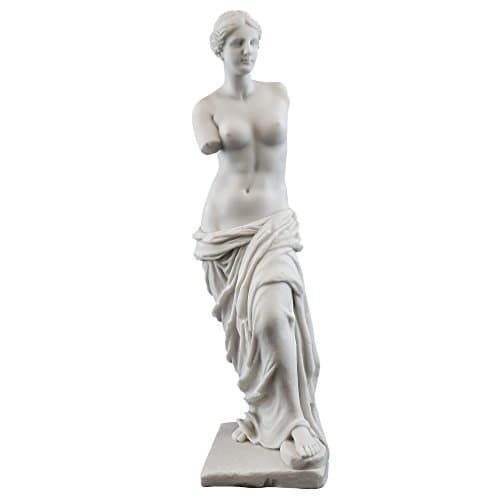
Venus de Milo Bust (11")
~$49Shop →

Vintage Botanical Prints (Framed Set of 6)
~$63Shop →

Jane Austen: Complete Works (Clothbound 7-Book Set)
~$91Shop →

Refillable Leather Journal
~$30Shop →

Brass Bird Bookends
~$35Shop →

Dark Green Vintage Area Rug (5×7)
~$57Shop →

Antique-Style Desk Globe
~$35Shop →

Brass Taper Candlesticks (Set of 6)
~$26Shop →

Dark Green Velvet Pillow Covers, Set of 2
~$12Shop →

Fountain Pen & Calligraphy Set
~$16Shop →

Brass Magnifying Glass on Stand
~$32Shop →
Austin Gallery is an Amazon affiliate — we may earn a small commission, at no cost to you, on purchases made through these links. We only feature objects we'd live with. See our disclosure.
Questions, answered
What is the dark academia aesthetic?
How do I make my room dark academia on a budget?
What colors define dark academia?
Which room should I start with?
What's the difference between dark academia and light academia?
What books and films define dark academia?
Is the classical bust the most important dark academia object?
Are these affiliate links?
Keep Reading
Lighting & Display
11 Best Art Lighting Solutions ($25–$200)
Light your art like a gallery — picture lights, track systems, and high-CRI bulbs from $25 to $200, compared.
Framing & Display
Best DIY Framing Kits & Accessories (2026)
Frame your own work for a fraction of shop prices — the best frame kits, hanging hardware, and accessories, compared.
Aesthetics
Japandi: Where Wabi-Sabi Meets Hygge
Japanese craft meets Scandinavian calm — the complete guide to warm minimalism and the natural objects that build it.